Greek oregano is one of those herbs that can make you feel like a kitchen wizard with almost no effort. When it is grown “the Greek way” in bright sun and fairly stingy soil, the leaves turn intensely aromatic, almost peppery, with that familiar pizza shop punch. When it is pampered in rich compost and watered like a basil plant, it often turns fine. Green. Mild. Not what we came for.
If you want maximum pungency and flavor, the secret is not a fancy fertilizer. It is choosing true Greek oregano, then giving it the conditions it evolved to thrive in: heat, drainage, and a little bit of struggle.
Start with the right plant
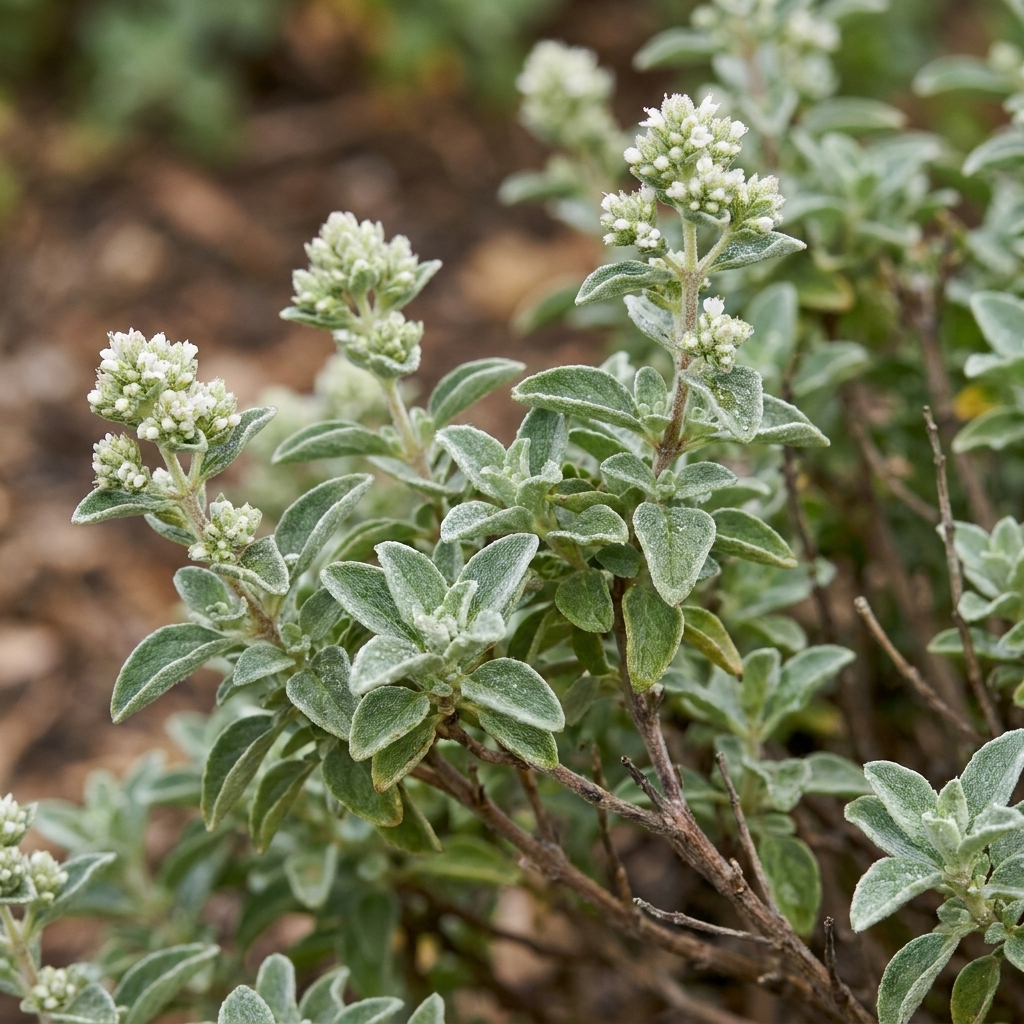
“Oregano” is a name that gets used loosely. For the strongest traditional Mediterranean flavor, you want Origanum vulgare subsp. hirtum, often sold as Greek oregano. This is typically more pungent than common oregano and many ornamental or “mild” types.
How to shop for seeds or starts
- Look for the botanical name on the packet or plant tag: Origanum vulgare subsp. hirtum.
- If you are buying starts, rub a leaf gently and smell your fingers. True Greek oregano should smell sharp and warm right away, even as a young plant.
- Avoid confusion with “Mexican oregano” (usually Lippia graveolens), which is delicious, but different, and not cold hardy in many climates.
One more note from trial and error: Greek oregano grown from seed can vary a little in intensity. If you find a plant that blows you away, take cuttings later and clone that flavor.
Flavor comes from gentle stress
That big oregano aroma lives in essential oils. Many Mediterranean herbs often concentrate more of those oils when conditions are bright, dry, and lean. The trick is “lean,” not “miserable.” Extreme drought and relentless heat can slow growth so much that your total harvest suffers, even if the leaves you do get are potent.
Sun
Aim for full sun, ideally at least 6 to 8 hours. More sun often means stronger flavor, but in very hot inland summers the plant can appreciate a little late-afternoon shade. If the leaves look scorched or the plant shuts down in heat waves, a bit of protection can actually improve overall quality.
Soil
If you take only one thing from this guide, let it be this: do not plant Greek oregano in your richest, fluffiest, compost-loaded bed. You will get lots of leafy growth, but it often tastes diluted.
What oregano loves:
- Fast drainage
- Gravelly or sandy texture
- Moderate to low fertility
- Neutral to slightly alkaline pH (it tolerates a range, but often thrives when soil is not overly acidic)
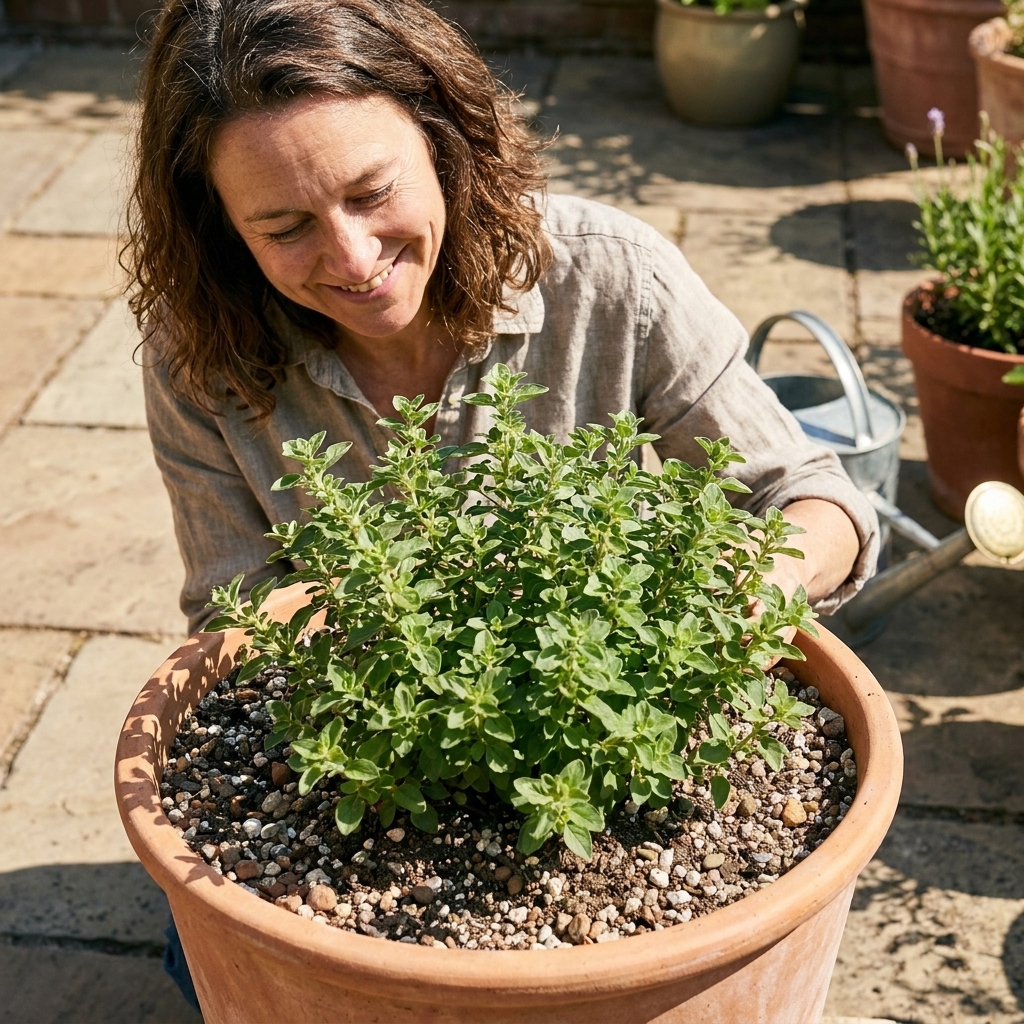
A simple container mix
If you are growing in a pot, you can create the perfect conditions even on an apartment balcony. Just make sure the container has drainage holes. (Terracotta helps the mix dry faster, plastic holds moisture longer, so adjust watering accordingly.)
- 2 parts high-quality potting mix
- 1 part coarse sand or chicken grit
- 1 part pumice or perlite
Skip heavy compost additions. If you must add compost, keep it light, just a small handful mixed through, not a whole layer.
Planting basics
When to plant
- Seeds: Start indoors 6 to 10 weeks before your last frost date, or direct sow after danger of frost has passed and nights are reliably mild.
- Starts: Plant out after frost. Oregano is tough once established, but small plants hate cold, soggy soil.
How to plant for a compact shrub
- Spacing: 12 to 18 inches between plants in the ground. In pots, one plant per 10 to 14 inch container is usually plenty.
- Depth: Plant at the same depth as the nursery pot. Do not bury stems deeply.
- Airflow: Give it breathing room. Good airflow keeps foliage dry and helps prevent mildew in humid spells.
For the first couple weeks after planting, water a little more consistently so roots can settle. After that, begin your shift into the oregano rhythm: water less often, but more deeply.
Watering for pungency
Overwatering is the fastest way to grow oregano that tastes like polite lawn clippings. Once established, Greek oregano is drought tolerant and prefers to dry out between waterings.
A practical watering routine
- In-ground: Water deeply, then wait until the top couple inches of soil are dry before watering again. In many gardens, that means once a week or less once the plant is established, depending on heat and rainfall.
- Containers: Pots dry faster. Water when the pot feels light and the top inch or two is dry. Avoid keeping the saucer full of water.
If leaves go slightly droopy in hot afternoon sun, do not panic. Check again in the evening. If it perks back up, it is simply managing heat. If it is still limp at sunset, then water.
Fertilizer
Greek oregano rarely needs fertilizer. Too much nitrogen encourages soft, fast growth with less concentrated aroma.
- If your oregano is in a pot for a long time and looks pale or stalled, use a weak, balanced fertilizer once in spring.
- In the ground, a small amount of compost once a year is more than enough, and even that is optional if your soil already has decent structure.
Pruning and harvest
Think of oregano like a friendly little shrub. If you pinch and cut it regularly, it thickens into a leafy mound with lots of tender tips. If you never prune, it can get leggy and woody, especially after flowering.
Pinch early
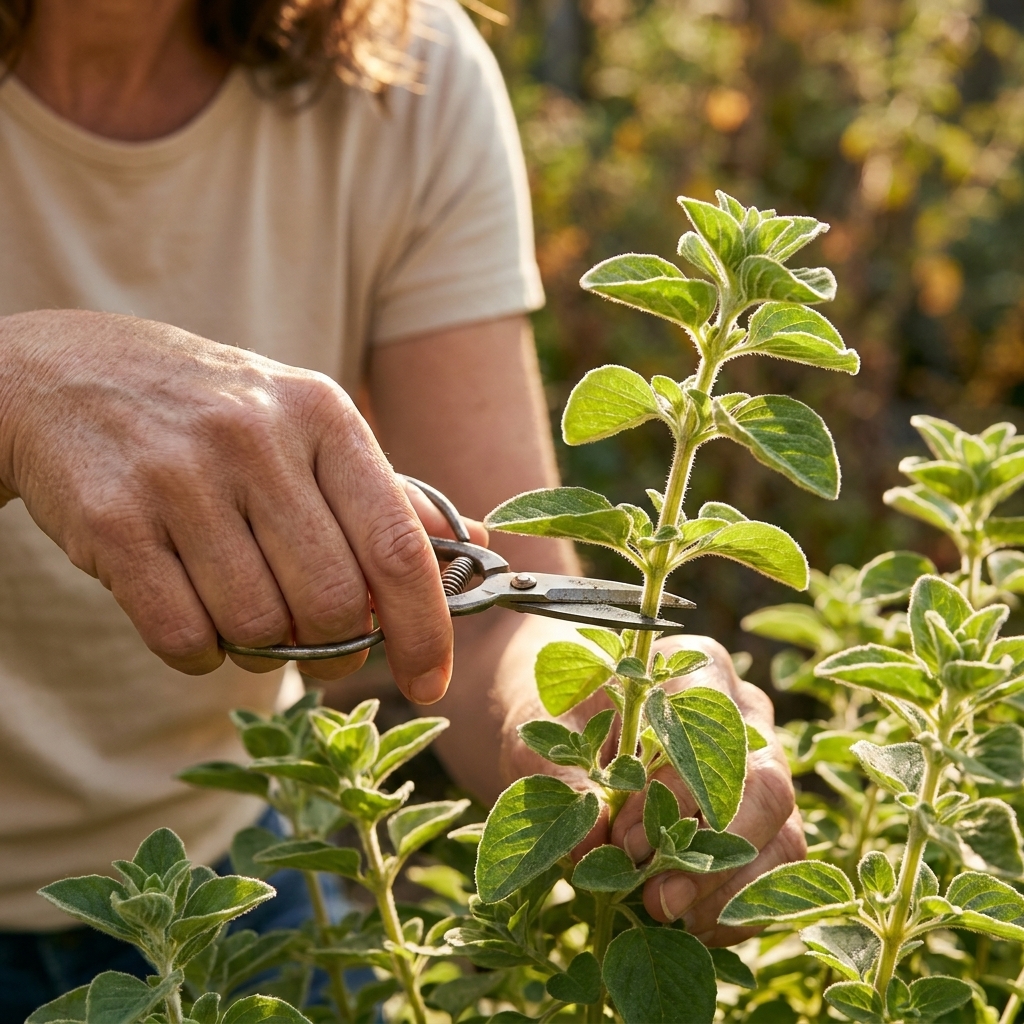
When the plant is 4 to 6 inches tall, pinch the growing tips. This encourages branching. Every pinch is basically a request for more stems, which means more harvest later.
Do a midseason haircut
Once or twice a season, cut the plant back by about one third, ideally after a big harvest. It keeps the plant compact and pushes out fresh, flavorful growth.
Harvest timing for peak flavor
Oregano flavor is strongest when essential oils are high, and those oils rise and fall with growth stage and time of day.
The best moment to harvest
- Bud stage through early bloom: This is the classic sweet spot. Look for swelling buds and the first few open flowers.
- Late morning: Harvest after dew has dried but before the hottest part of the afternoon.
How much to cut
You can harvest generously. Cut stems back to just above a leaf node. As a general rule, avoid taking more than about one third of the plant at once unless it is very established and vigorous.
Fresh vs dried flavor
Greek oregano is one of those herbs that can taste even more “oregano-y” after drying. If you have only tasted bland, dusty store oregano, home-dried Greek oregano will surprise you. It is warm, sharp, and almost citrusy at the edges.
Drying Greek oregano
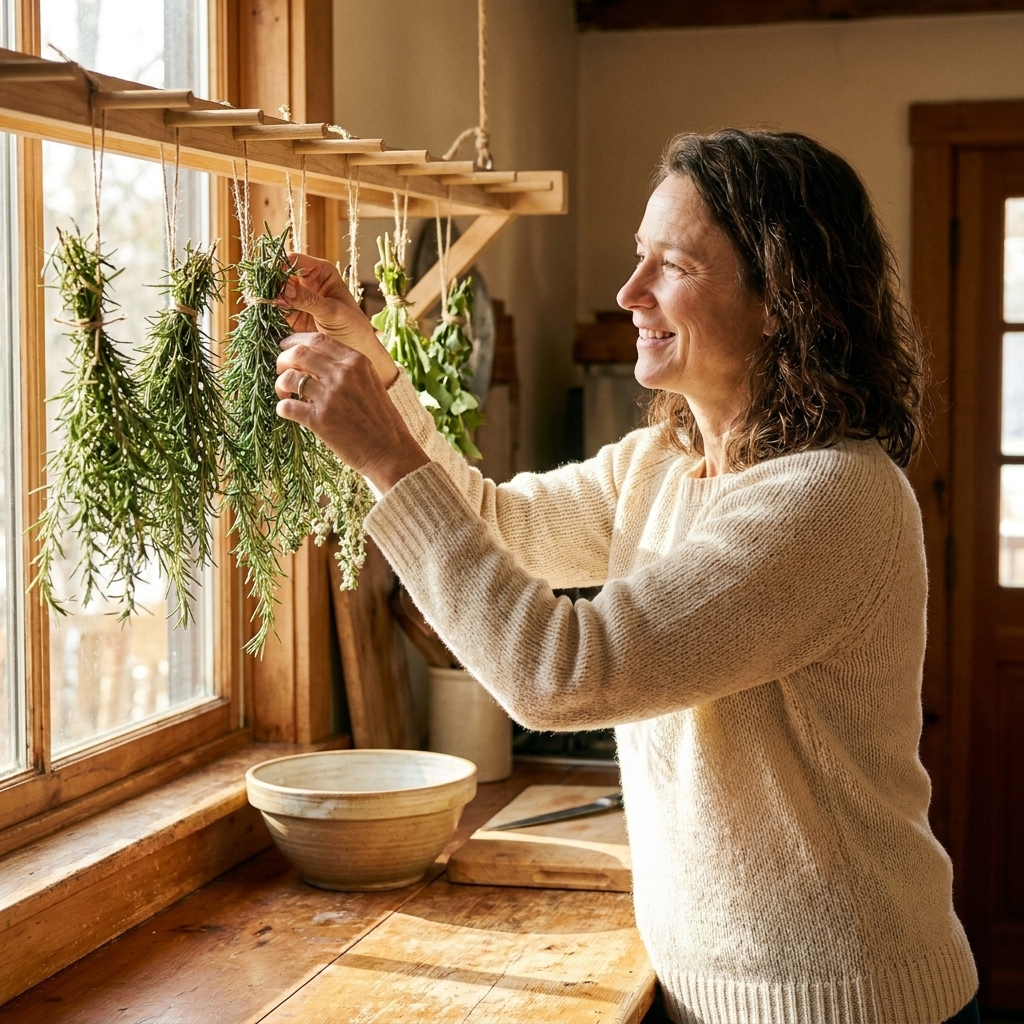
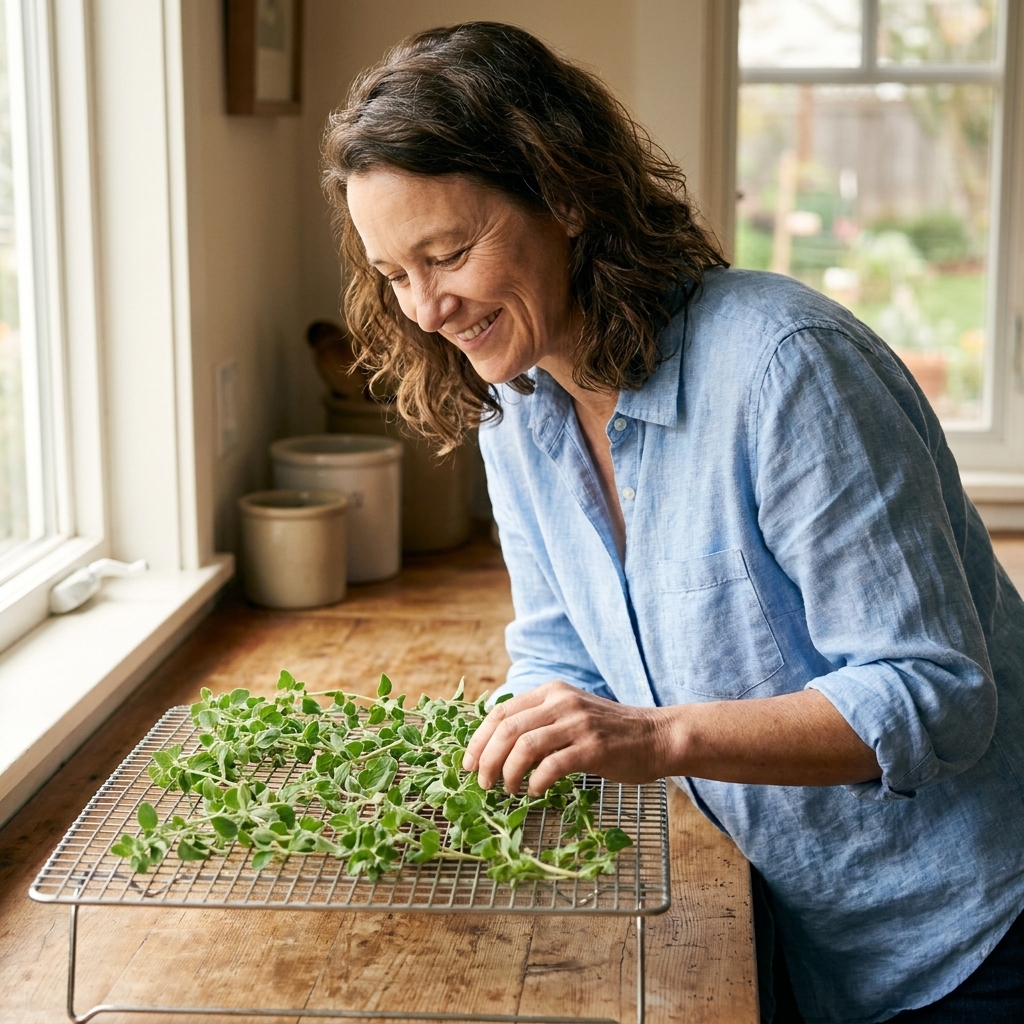
Drying is where oregano becomes pantry gold. The goal is to dry it fairly quickly, out of direct sun, with good airflow.
Simple rack method
- Rinse only if truly needed. Otherwise, just shake off dust and insects.
- Pat dry and let surface moisture evaporate for an hour.
- Lay stems on a drying rack in a warm room with airflow, away from bright sun.
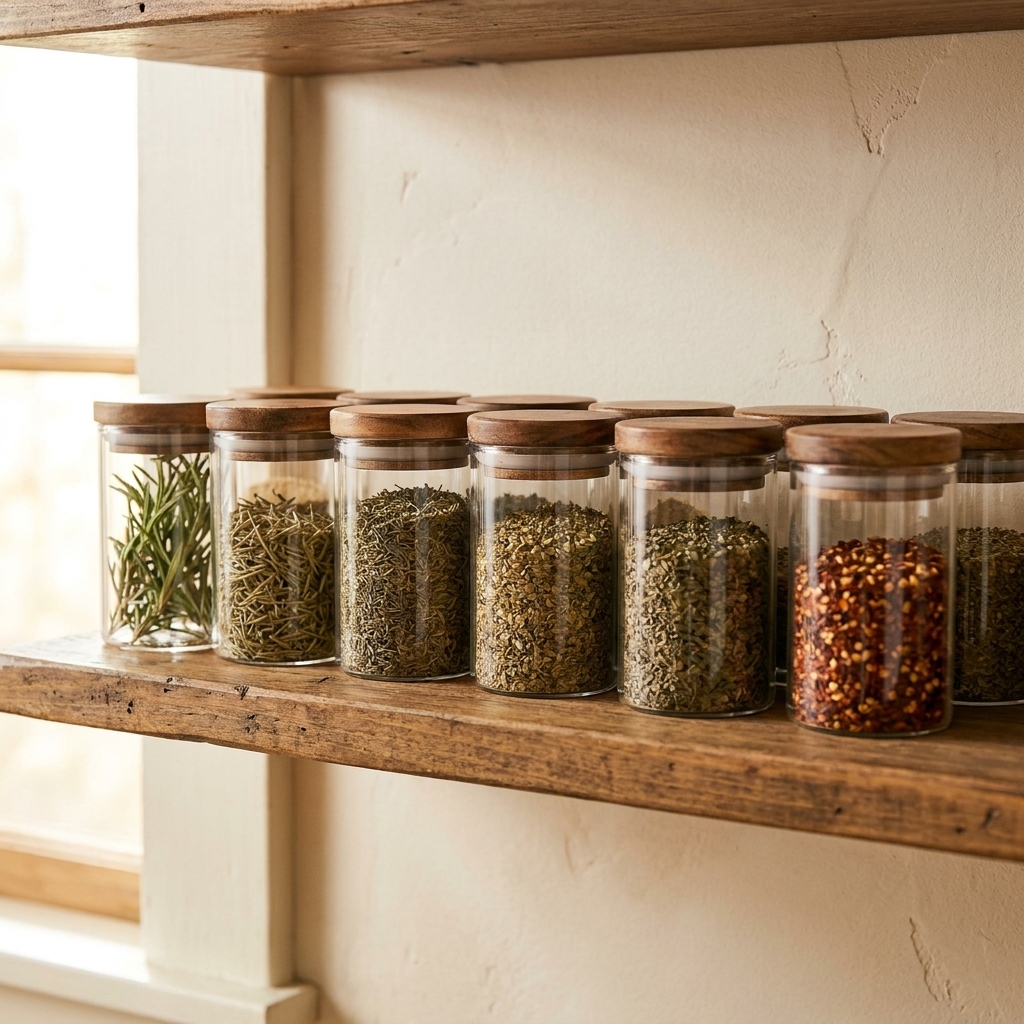
- When leaves crumble easily, strip them from stems and store in an airtight jar.
For best flavor, store dried oregano away from heat and light. A cupboard beats the shelf above the stove.
Propagation
If you land on a plant with knockout flavor, propagation is how you keep that exact oregano going.
Cuttings
- In late spring or early summer, snip 3 to 5 inch non-flowering tips.
- Strip the lower leaves, then place the stem in water or a small pot of gritty mix.
- Keep lightly moist (not soggy) until rooted, then treat it like a normal plant and start letting it dry between waterings.
Division
In spring, established clumps can be lifted and gently pulled into smaller sections. Replant divisions immediately and water for a week or two while they settle.
Growing indoors
You can grow Greek oregano on a windowsill, but flavor depends heavily on light. Most indoor oregano is mild because it simply does not get enough sun.
- Brightest window: South-facing is ideal in the northern hemisphere. North-facing is ideal in the southern hemisphere.
- Rotate weekly: So it grows evenly and stays compact.
- Use a gritty mix: Indoor oregano hates staying wet.
- Consider a grow light: If you want truly punchy leaves indoors, a small full-spectrum light makes a big difference.
Cold, heat, and long-term care
Winter survival
Greek oregano is generally hardy in many temperate climates and is often grown as a perennial in USDA Zones 5 to 9 (exact hardiness varies by plant and local conditions). Winter wet is its enemy. If your winters are rainy, drainage matters even more than cold.
- In-ground: Make sure the site drains well. Avoid low spots that hold water.
- In pots: Move containers to a sheltered spot where they will not stay soaked. In very cold regions, pots can be insulated or overwintered in an unheated garage with light watering.
Spring wake-up
In early spring, cut back dead stems and let new growth take over. If the center looks woody, do not worry. Oregano often renews from the base when warm weather returns.
Troubleshooting bland oregano
Big plant, mild taste
- Too much fertilizer: Back off feeding, especially nitrogen-heavy products.
- Too much water: Let the soil dry more between waterings.
- Not enough sun: Move it to a brighter location or add a grow light indoors.
- Wrong plant: Confirm the botanical name. Some “oregano” is naturally mild.
- Harvest timing: Try harvesting at bud stage through early bloom, in late morning.
Yellow leaves
Yellowing is often a moisture issue, especially in containers. Check drainage and make sure the pot is not sitting in water. If drainage is fine and growth is truly stalled, a single light feeding in spring may help, but keep it gentle.
Pests and disease
Greek oregano is usually easy, but it has two predictable weak spots.
- Root rot: Almost always from soggy soil or a pot with poor drainage. Fix drainage first, then cut back watering.
- Aphids and spider mites (mostly indoors): Rinse the plant, increase airflow, and avoid letting it sit stressed and dusty for weeks at a time.
Cooking with strong Greek oregano
Homegrown Greek oregano can be surprisingly bold. A little goes a long way, especially dried.
- For fresh: Add near the end of cooking for the brightest aroma.
- For dried: Crush between your fingers right before adding. That quick rub releases oils and makes the kitchen smell like a hillside herb patch.
- For marinades and roasted dishes: Dried oregano holds up beautifully with heat, garlic, lemon, and olive oil.
If you are switching from store-bought to home-dried, start with half as much and adjust. Your taste buds will tell you when it is just right.
Quick reference
| Goal | What to do |
|---|---|
| Strongest flavor | Full sun, lean gritty soil, minimal fertilizer, avoid soggy soil |
| Keep it bushy | Pinch early, cut back by one third after big harvests |
| Best harvest window | Late morning, bud stage through early bloom |
| Best preservation | Air-dry with airflow, store airtight away from heat and light |