Chamomile is one of those plants that feels like a deep breath in flower form. The scent alone can soften a busy afternoon, and a jar of dried blossoms in the pantry makes weeknights feel a little kinder. But if you have ever shopped for seeds and wondered why there are two main types, you are not alone.
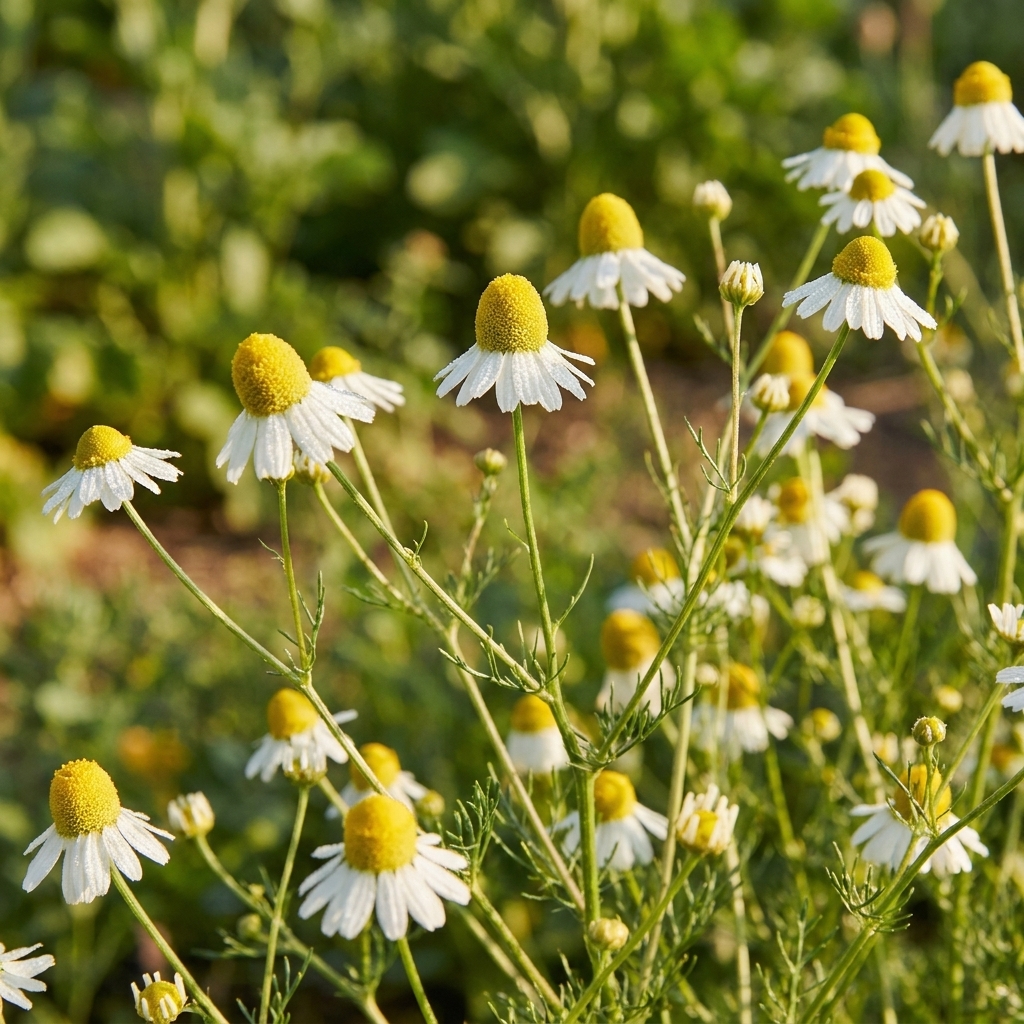
German chamomile (Matricaria chamomilla, sometimes listed as Matricaria recutita) is an annual that grows quickly and produces lots of daisy-like blooms for drying. Roman chamomile (Chamaemelum nobile) is a perennial that spreads into a low, fragrant mat and can return for years in the right conditions. Both make lovely tea, but they behave very differently in the garden.
At a glance: German vs. Roman
If you only read one section, make it this one. Choosing the right chamomile for your space will save you so much fuss later.
| Feature | German chamomile | Roman chamomile |
|---|---|---|
| Botanical name | Matricaria chamomilla (or M. recutita) | Chamaemelum nobile |
| Life cycle | Annual | Perennial (zones vary by cultivar and winter protection) |
| Growth habit | Upright, airy, often 18 to 30 inches tall | Low, creeping groundcover, often 3 to 8 inches tall |
| Best for | Maximum tea harvest in one season | Edging, pathways, containers, and a permanent chamomile patch |
| Flavor and aroma | Classic sweet apple-honey chamomile | Softer, a bit more earthy and grassy |
| Flowering | Heavy bloom over a long stretch if you keep harvesting | Blooms in flushes, often late spring into summer |
| Ease for beginners | Very forgiving from seed | Easy once established, slower to start from seed |
Which one should you plant?
Choose German chamomile for a big tea stash
German chamomile is my pick when the goal is a full jar, or several jars, of dried blossoms. It is fast, generous, and uncomplicated. You can sow it in spring and be harvesting flowers in early summer, sometimes sooner in warm climates.
Choose Roman chamomile for a long-term patch
Roman chamomile shines as a perennial accent. It smells wonderful when brushed, and it can tuck neatly along a bed edge or spill over a pot. If you want “chamomile that comes back,” Roman is the dream, as long as your winters and soil drainage cooperate.

Seed sowing
Chamomile seeds are tiny, the kind that like to cling to your fingertip and disappear the moment you sneeze. The trick is to sow them on the surface and treat them gently.
German chamomile from seed
- When to sow: Start indoors 4 to 6 weeks before your last frost, or direct sow outdoors after danger of hard frost has passed. In mild climates, you can also sow in late summer or fall for early spring blooms.
- Light helps germination: Sprinkle seed on the soil surface and press it in with a flat hand or board. Do not bury deeply. A dusting of vermiculite is fine, but think “whisper,” not “blanket.”
- Moisture: Mist or bottom-water so you do not wash seed into clumps.
- Germination: Often 7 to 14 days in warm, bright conditions.
- Thinning: When seedlings are a couple inches tall, thin so plants stand about 6 to 10 inches apart. Airflow matters, especially in humid summers.
Roman chamomile from seed (and why plugs are easier)
Roman chamomile can be grown from seed, but it is slower and sometimes less uniform. If you want quick results, start with plugs or small plants from a nursery and let them knit together.
- When to sow: Start indoors 8 to 10 weeks before last frost, or direct sow once soil warms. Roman appreciates an earlier start.
- Surface sow: Just like German, press seed onto the surface and keep evenly moist.
- Transplant gently: Roman seedlings are small and can sulk if handled roughly. Use a spoon to lift a little plug of soil, not just the stem.
- Spacing: Plant 8 to 12 inches apart for a groundcover effect.
A tiny-seed tip from my kitchen-table seed starting: Mix chamomile seed with a pinch of fine sand in a small cup, then sprinkle. It helps you sow more evenly and avoid crowded patches that are a headache to thin.
Ideal growing conditions
Both types like sun, lean soil, and a gardener who does not over-love them with fertilizer. Too much richness usually means lush leaves and fewer flowers.
Light
- Best: Full sun (6+ hours).
- Acceptable: Light afternoon shade in very hot climates, especially for Roman chamomile.
Soil
- Texture: Well-draining is the main requirement. Sandy loam is perfect. Heavy clay can work if you amend for drainage or grow in raised beds.
- Fertility: Moderately lean. If your soil is rich, resist the urge to feed often.
- pH: Slightly acidic to neutral is a comfortable range for most gardens.
Water
- Seedlings: Keep consistently moist until established.
- Established plants: Water deeply, then let the top inch or two dry. Roman chamomile in particular dislikes wet feet.
Temperature and hardiness
German chamomile handles cool spring weather well and often shrugs off light frosts once established. Roman chamomile is perennial in many regions but is most reliable where winters are not brutally cold and soils drain well. If your winter is wet and freezing, Roman is more likely to struggle from rot than from cold alone.

Containers and small spaces
If you are working with a balcony, patio, or sunny windowsill setup, chamomile can still be your tea garden.
German chamomile in pots
- Container size: One plant can be happy in a 1 to 2 gallon pot. For a fuller look, use a larger container and thin seedlings to a sensible spacing.
- Support: In windy spots, German chamomile can flop. A simple twiggy support or a sheltered corner helps.
- Soil mix: Potting mix with added perlite or coarse sand for drainage.
Roman chamomile in pots
- Container size: Wider is better than deep. Roman wants room to creep.
- Drainage: Excellent drainage is non-negotiable. Choose a pot with generous holes.
- Long-term care: Refresh the top few inches of potting mix each spring and trim lightly to keep it tidy.
Ongoing care
Fertilizer
Chamomile is not a heavy feeder. If you use compost, a light top-dressing is plenty. Too much nitrogen can reduce flowering and encourage floppy growth.
Pinching and trimming
- German: You can pinch young plants once to encourage branching, but the biggest “pruning” happens through harvesting flowers. Regular picking keeps blooms coming.
- Roman: Give it a haircut after a big bloom flush. A quick shear encourages fresh, dense growth and can prompt another round of flowers.
Weeds and airflow
Keep the area around chamomile lightly mulched or weeded, especially while plants are small. For German chamomile, airflow helps prevent mildew in humid spells. Space plants, avoid overhead watering late in the day, and harvest often.
Harvesting flowers
Chamomile asks for patience here. The difference between a bright, sweet-smelling tea and a dull, hay-like jar often comes down to when and how you harvest.
When to harvest
- Pick on a dry day: Mid-morning is my favorite, after dew has evaporated but before the afternoon heat wilts the flowers.
- Choose fresh, fully open blooms: Look for petals that are mostly flat and extended. If petals are drooping back and the flower center looks tired, it is past its prime.
- Harvest frequently: During peak bloom, check every couple of days. German chamomile especially rewards you for staying on top of it.
How to harvest
You have a few options, and they all work. The goal is to collect clean flower heads without a lot of stem.
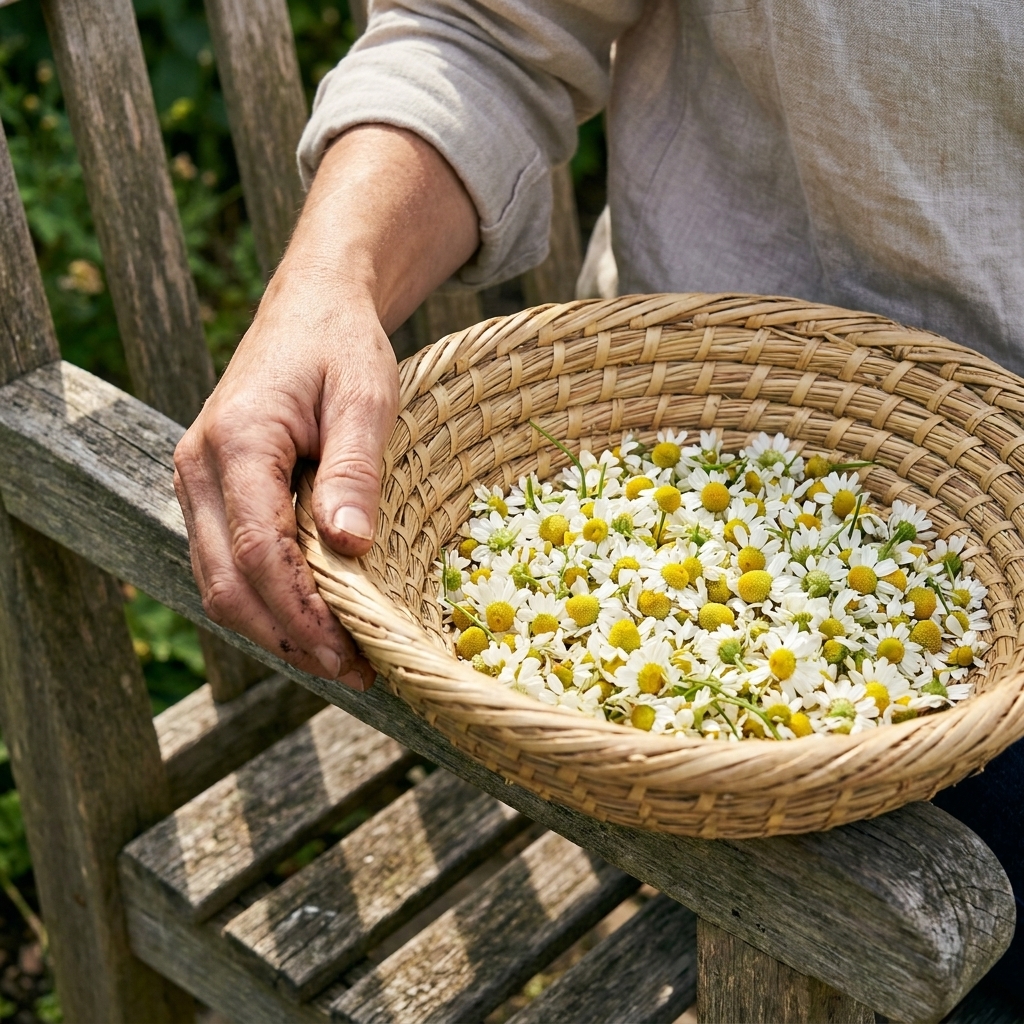
- Finger pinch: Pinch the flower head right below the base and drop it into a shallow basket.
- Snip: Use small scissors to snip flower heads, especially if you have tender plants you do not want to tug.
- Chamomile rake: If you grow a lot, a small chamomile rake can speed things up by combing off flower heads. It is satisfying, like harvesting tiny sunbursts.
Handle gently: Piling flowers deep in a bowl can bruise them and trap heat. I like a wide basket or a baking sheet lined with a towel so the blossoms stay airy.
Drying for tea
Drying is where chamomile either keeps its sweet apple scent or loses it. Low heat and good airflow are your best friends.
Air-drying method
- Sort: Remove any browning flower heads, insects, or lots of stem.
- Spread: Arrange flower heads in a single layer on a screen, drying rack, or parchment-lined baking sheet.
- Location: Choose a warm, shaded, well-ventilated spot out of direct sun.
- Stir: Gently turn the flowers once or twice a day so they dry evenly.
- Test: They are dry when the centers feel crisp and the flower heads snap rather than bend. Depending on humidity, this can take a few days.
Dehydrator method
If your home is humid or you want a predictable result, a dehydrator works well.
- Temperature: Use the lowest setting, often around 95 to 105°F (35 to 40°C) if your machine allows. High heat can steal fragrance.
- Time: Check often. Chamomile dries quickly.
Storage
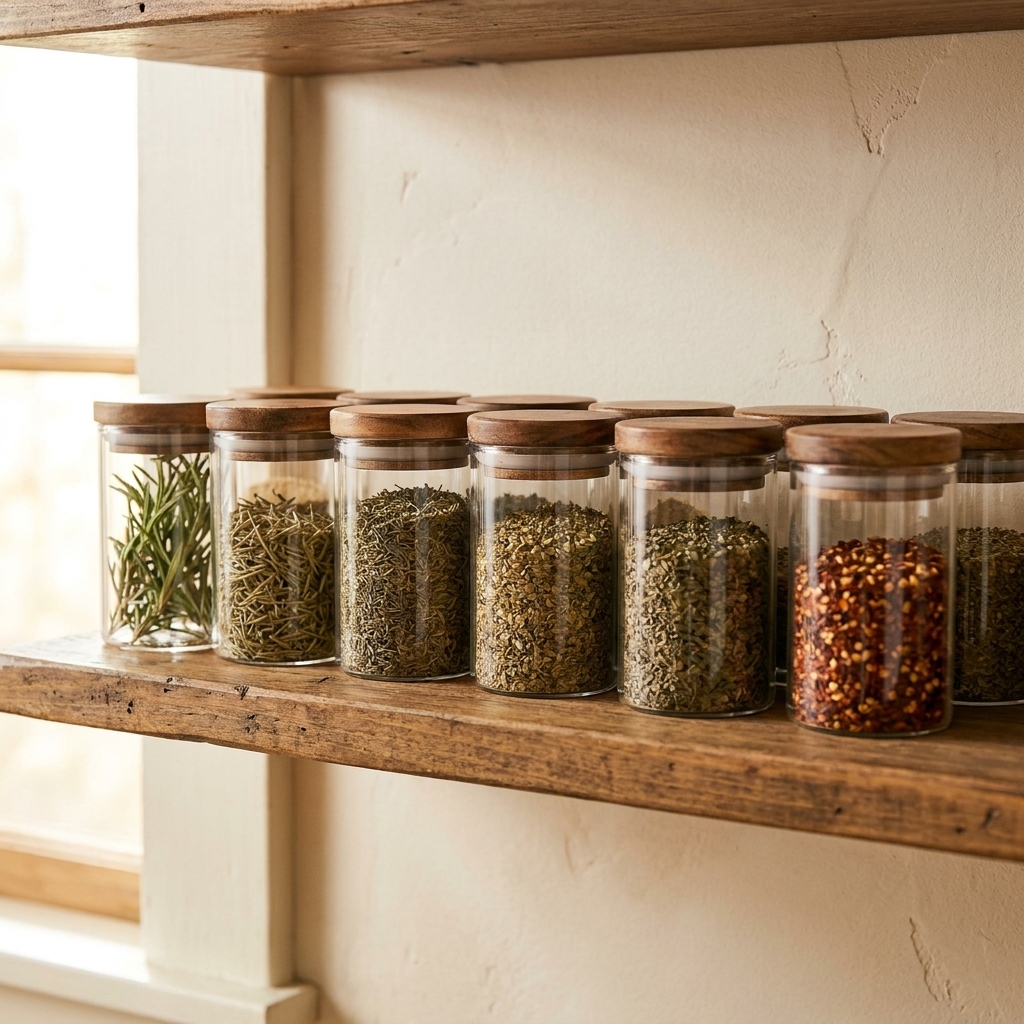
Store fully dried flowers in an airtight glass jar away from heat and direct light. I label mine with the harvest month because chamomile’s scent is brightest in the first 6 to 12 months.
Making tea
Both are soothing, floral, and gently apple-scented, but there are subtle differences in the cup.
- German chamomile tea: Usually more intense and honeyed. If you want that classic chamomile flavor you recognize instantly, this is it.
- Roman chamomile tea: Milder and more herbaceous. Beautiful blended with lemon balm, mint, or a small strip of citrus peel.
Simple steeping: Use about 1 to 2 teaspoons of dried chamomile flowers per cup of hot water. Cover while steeping for 5 to 10 minutes so the aromatic oils stay in the mug, not floating away.
If you are pregnant, nursing, have ragweed allergies, or take medications that interact with herbs, check with a healthcare professional before using chamomile regularly. Homegrown herbs are wonderful, but they still count as botanicals with real effects.
Common problems
Leggy, floppy German chamomile
- Cause: Too little sun, too much nitrogen, or crowded plants.
- Fix: Thin seedlings, skip fertilizer, and move containers to brighter light. Harvesting often also encourages bushier growth.
Powdery mildew
- Cause: Humidity and poor airflow.
- Fix: Space plants, water at soil level, and remove the worst affected stems. In many gardens, simply improving airflow makes the next flush of growth much cleaner.
Roman chamomile thinning or browning in patches
- Cause: Wet soil, poor drainage, or winter rot.
- Fix: Improve drainage, reduce watering once established, and consider growing Roman in a raised bed or pot if your soil stays soggy.
Not many flowers
- Cause: Excess fertility, not enough sun, or harvesting too late (letting flowers go to seed slows production).
- Fix: Lean soil, full sun, and frequent picking of fresh blooms.
Saving seed and upkeep
Saving German chamomile seed
If you let a few flowers fully mature and dry on the plant, they will form seed heads. Snip them into a paper bag, crumble gently once fully dry, and store in a cool, dark place. German chamomile also self-sows readily. Sometimes it pops up like a cheerful volunteer where you least expect it.
Keeping Roman chamomile going
Roman benefits from a spring tidy-up. Rake out dead bits, trim lightly to encourage fresh growth, and top-dress with a thin layer of compost. If the patch gets woody in the center after a few years, you can divide and replant the healthiest outer sections.
FAQ
Is German chamomile “true chamomile” for tea?
German chamomile is the most common chamomile used for tea and is often what people mean by “true chamomile.” Roman chamomile is also used for tea, but it is less common and tends to be milder.
Can I grow chamomile indoors year-round?
You can grow chamomile indoors with very bright light, but flowering is the challenge. A sunny south-facing window can work, and a grow light makes it much easier. For indoor tea harvests, German chamomile is usually the better choice because it grows and flowers more readily from seed in a single season.
How many plants do I need for tea?
For casual tea drinking, a small clump of German chamomile, say 3 to 6 plants in a bed or one generously sized pot, can produce a steady trickle of blossoms. If you want to dry enough for regular evening cups all winter, plant more than you think, and harvest often during peak bloom.
Will chamomile come back every year?
German chamomile is an annual, but it often reseeds if you let some flowers mature. Roman chamomile is perennial in many areas, provided it has good drainage and does not sit wet through winter.
The takeaway
If your main goal is a fragrant jar of dried blossoms for soothing tea, start with German chamomile. It is generous and beginner-friendly, and it blooms like it has something to prove. If you want a long-term, walk-by-and-smile plant that perfumes the garden when you brush past, make room for Roman chamomile and give it excellent drainage.
And if you have the space for both, it is a sweet pairing: German for the pantry, Roman for the path.