Tarragon is one of those herbs that can make you feel like a kitchen magician. A few leaves in a pan sauce and suddenly everything tastes a little more French, a little more buttery, a little more fragrant. But here is the catch I learned the hard way: not all “tarragon” tastes like tarragon.
If you have ever grown a tall, eager plant labeled tarragon and then tasted it only to get bitter greens with a whisper of anise, you probably met Russian tarragon. The one you want for classic béarnaise, chicken salad, and vinaigrettes is French tarragon, and it comes with one important rule: you almost always have to grow it from a live plant, not from seed.
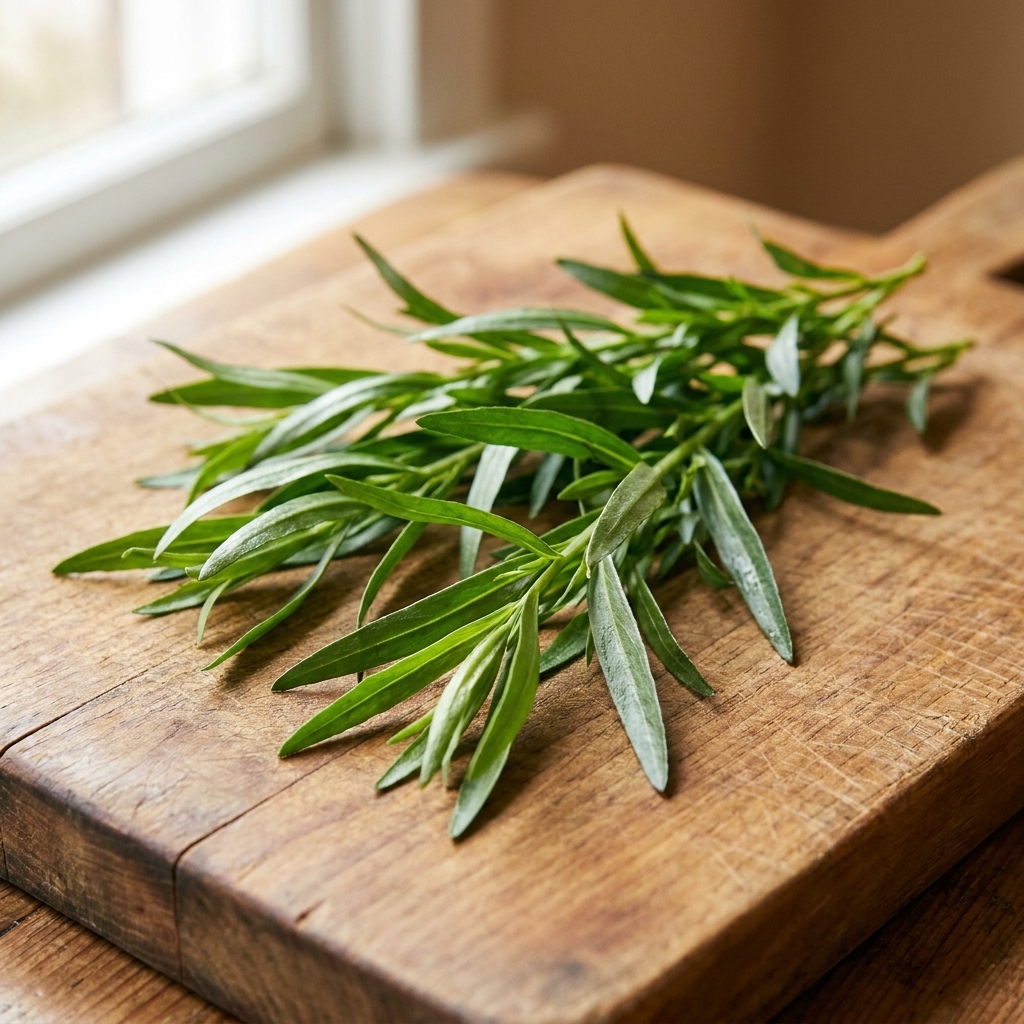
French vs. Russian tarragon
Both plants are in the Artemisia family, and both are commonly sold under the same everyday name. That mix-up is why tarragon has a reputation for being “meh” in some gardens. This quick comparison will save you a season of disappointment.
| Feature | French tarragon (Artemisia dracunculus var. sativa) | Russian tarragon (Artemisia dracunculus) |
|---|---|---|
| Flavor | Sweet, clear anise or licorice aroma, classic culinary tarragon | Milder to bitter, grassy, sometimes almost flavorless |
| Seed | Rarely produces viable seed, usually sterile | Readily grown from seed |
| Growth habit | More compact, tidy, slower to bulk up | Taller, faster, more vigorous |
| Hardiness | Perennial in many climates, but can be fussier in wet winters | Very hardy and tolerant |
| Best use | Fresh cooking, freezing, vinegar, compound butter | Ornamental, pollinator garden interest, backup herb if you cannot source French |
If your goal is true anise flavor, French tarragon is the one to chase down.
Why French tarragon is not from seed
French tarragon is famous for being shy about reproduction. In most home gardens, it either does not flower meaningfully or it does not set viable seed. Seed packets labeled “tarragon” are almost always Russian tarragon, because it reliably produces seed and germinates like a champ.
That is why culinary French tarragon is typically sold as a live plant, and why gardeners keep it going through:
- Stem cuttings (my favorite because it is surprisingly easy once you try it)
- Division of an established clump
- Rooted starts from a nursery that propagates vegetatively
So when you see “French tarragon seed,” treat it like a bright neon caution sign. You might get something green and tarragon-ish, but it is unlikely to be the true culinary plant.
How to source French tarragon
Buying the right plant is the whole game here. If you start with Russian tarragon, perfect care will not magically turn it into French.
Where to look
- Local nurseries in spring: Ask specifically for French tarragon. A good nursery will know it is sold as a start, not a seed rack item.
- Herb specialists and farm stands: Growers who focus on culinary herbs often keep mother plants for cuttings.
- Reputable online herb nurseries: Look for “vegetatively propagated” or “grown from cuttings.”
- Garden friends: If someone has French tarragon thriving, ask for a few cuttings or a small division. It is one of the nicest pass-along herbs.
What to check before you buy
- Smell test: Rub a leaf gently and sniff. French tarragon should smell sweet and distinctly anise-like.
- Leaf shape: Leaves are narrow and smooth. Russian tarragon often has broader leaves and a coarser look.
- Label language: If it says “from seed” or is sold as a seed packet, assume Russian.
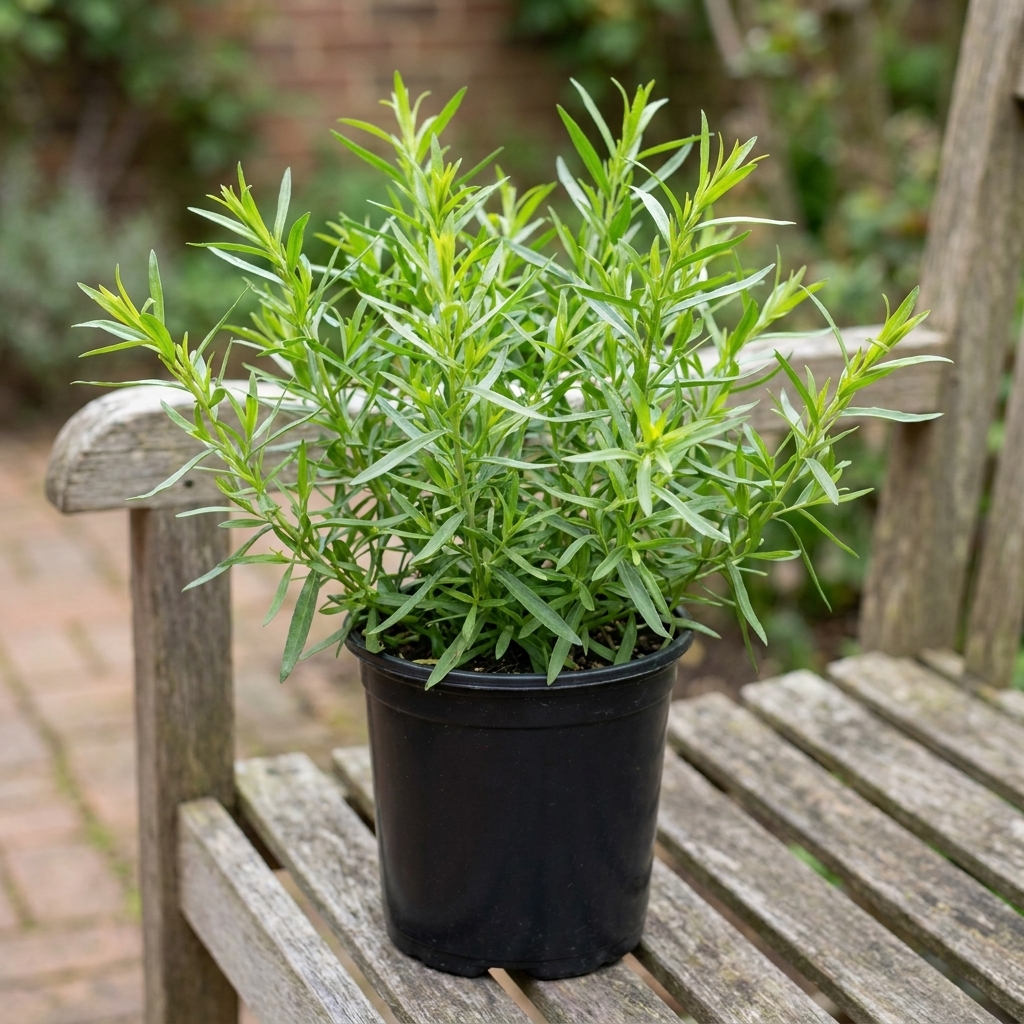
How to propagate French tarragon
If you can keep one plant alive, you can have French tarragon for years by making a few baby plants along the way. I like to do propagation in late spring or early summer when stems are flexible and actively growing.
Method 1: Stem cuttings
This is my go-to method when I want an extra pot for the patio or a backup plant for winter insurance.
- Snip a non-flowering stem 4 to 6 inches long. Choose a healthy green stem, not woody old growth.
- Remove the lower leaves so the bottom half is bare. Leaves left below the soil line tend to rot.
- Optional but helpful: Dip the cut end in rooting hormone.
- Plant in a light medium like damp potting mix cut with perlite, or straight perlite with a little potting mix mixed in.
- Water and cover: Keep evenly moist. A clear plastic bag loosely tented over the pot helps hold humidity.
- Bright, indirect light: A sunny windowsill can work, but avoid harsh midday sun until roots form.
- Check in 2 to 4 weeks: A gentle tug should feel resistant when roots have formed.
Once rooted, pot up into regular potting soil and pinch the tips to encourage branching.
Method 2: Division
If your plant is 2 to 3 years old and starting to look woody in the center, division is both propagation and a little rejuvenation.
- In early spring, dig up the clump or slide it from its pot.
- Use a clean knife or your hands to separate into sections, each with roots and several stems.
- Replant immediately at the same depth and water well.
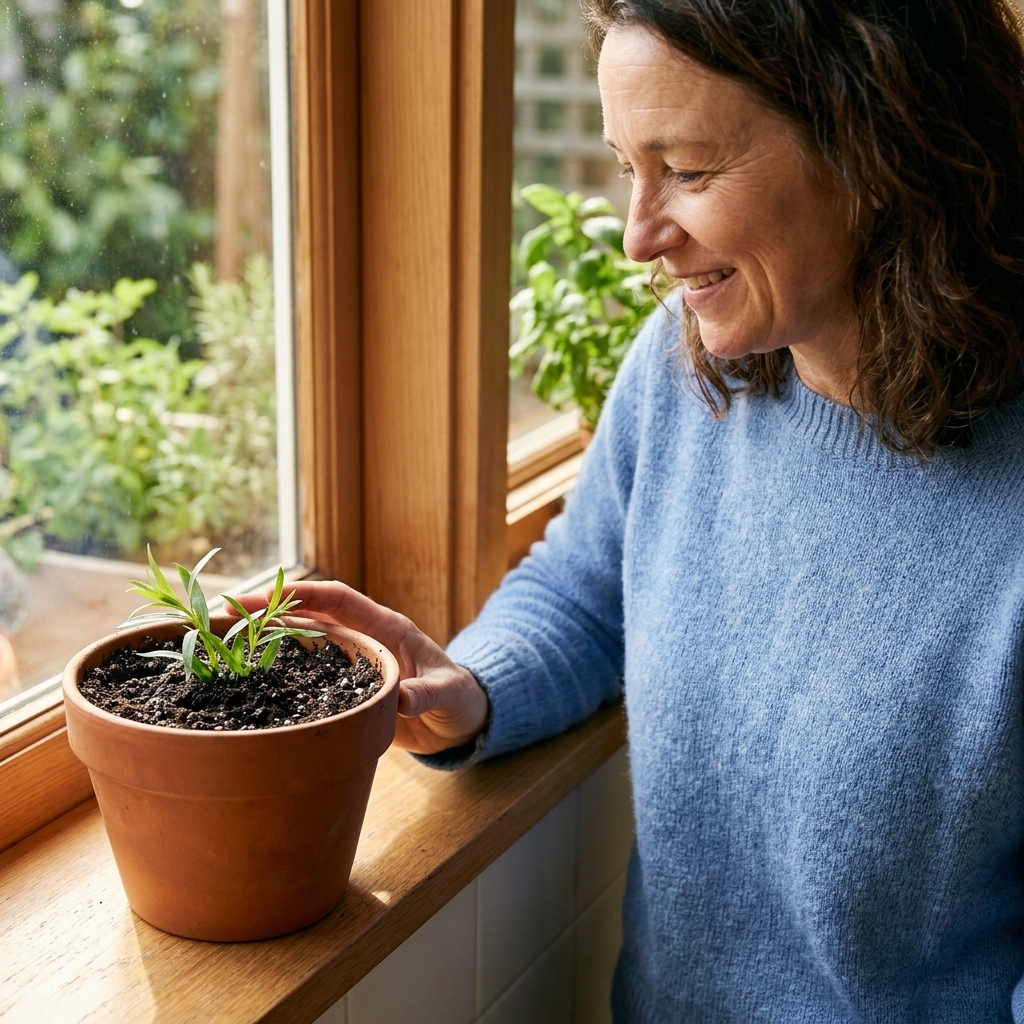
How to grow French tarragon
French tarragon is not difficult, but it does have preferences. Think: sun, drainage, and a little restraint with fertilizer. When it is too pampered, it often gets floppy and less flavorful.
Sun
Full sun to part sun is ideal. In very hot climates, a bit of afternoon shade can prevent stress. In containers, I like a spot with morning sun and gentler late-day light.
Soil and drainage
This is the big one. French tarragon hates wet feet.
- In beds: Aim for loose, well-draining soil. Raised beds are wonderful if your native soil holds water.
- In pots: Use a quality potting mix and consider adding extra perlite for drainage.
- Pot choice: A container with generous drainage holes is non-negotiable.
Watering
Water deeply, then let the top inch or two of soil dry before watering again. Slight dryness is safer than constant dampness. If you are growing in a pot, lift it. A lighter pot usually means it is time to water.
Fertilizer
Go easy. Too much nitrogen can give you lots of soft growth with diluted flavor. A small amount of compost in spring is usually enough. In containers, a gentle, diluted balanced fertilizer once or twice in the growing season is plenty.
Spacing and airflow
Give it room. Good airflow helps prevent mildew and keeps foliage healthier. In the ground, 12 to 18 inches between plants is comfortable.
Pruning and pinching
Pinch tips when stems reach 6 to 8 inches tall. This encourages bushiness and gives you tender leaves for the kitchen. If your plant gets leggy, cut it back by about one-third and it will usually respond with fresh growth.
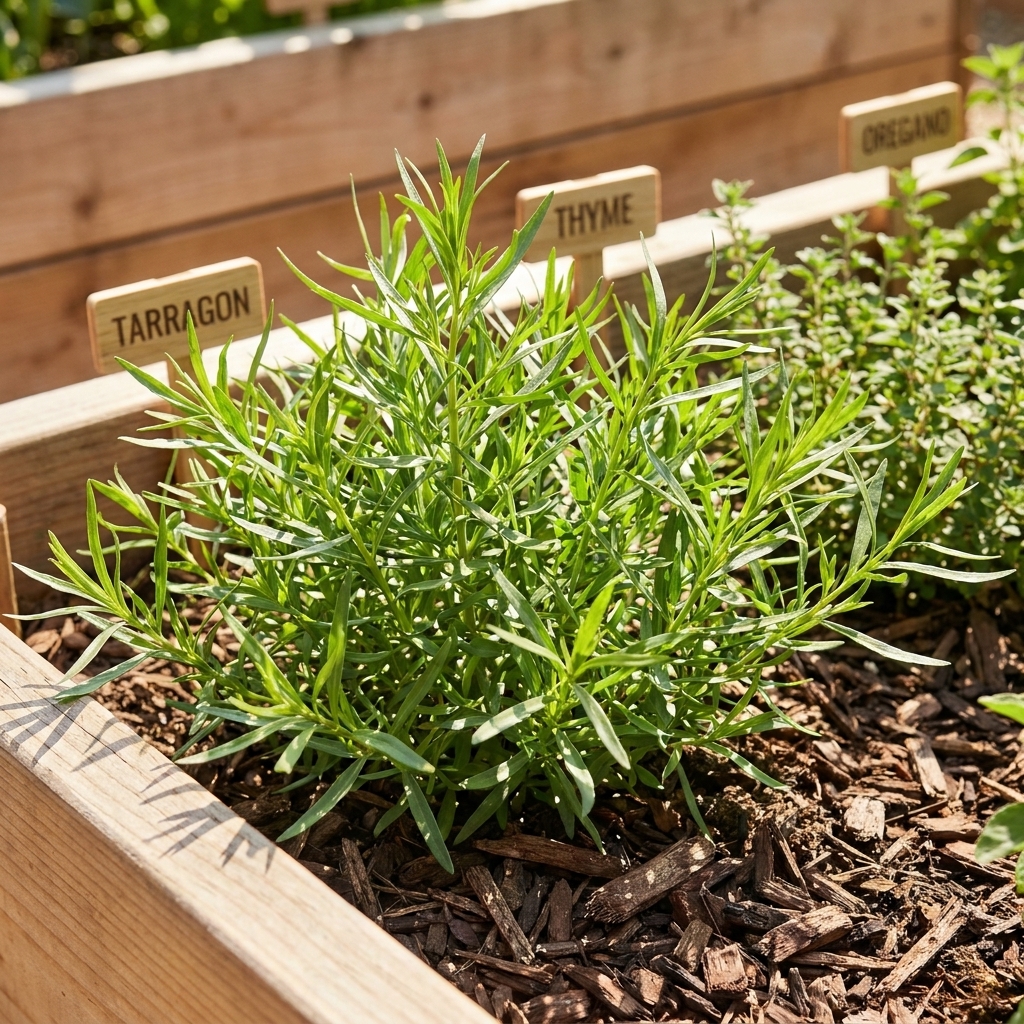
French tarragon in pots
If you have heavy soil, wet winters, or curious pets that trample tender herbs, container-growing French tarragon can be a lifesaver. It also lets you move the plant to protect it during extreme weather.
Pot size
Start with a container that is at least 10 to 12 inches wide. Bigger is fine, especially if you want a fuller plant and less frequent watering.
Potting mix
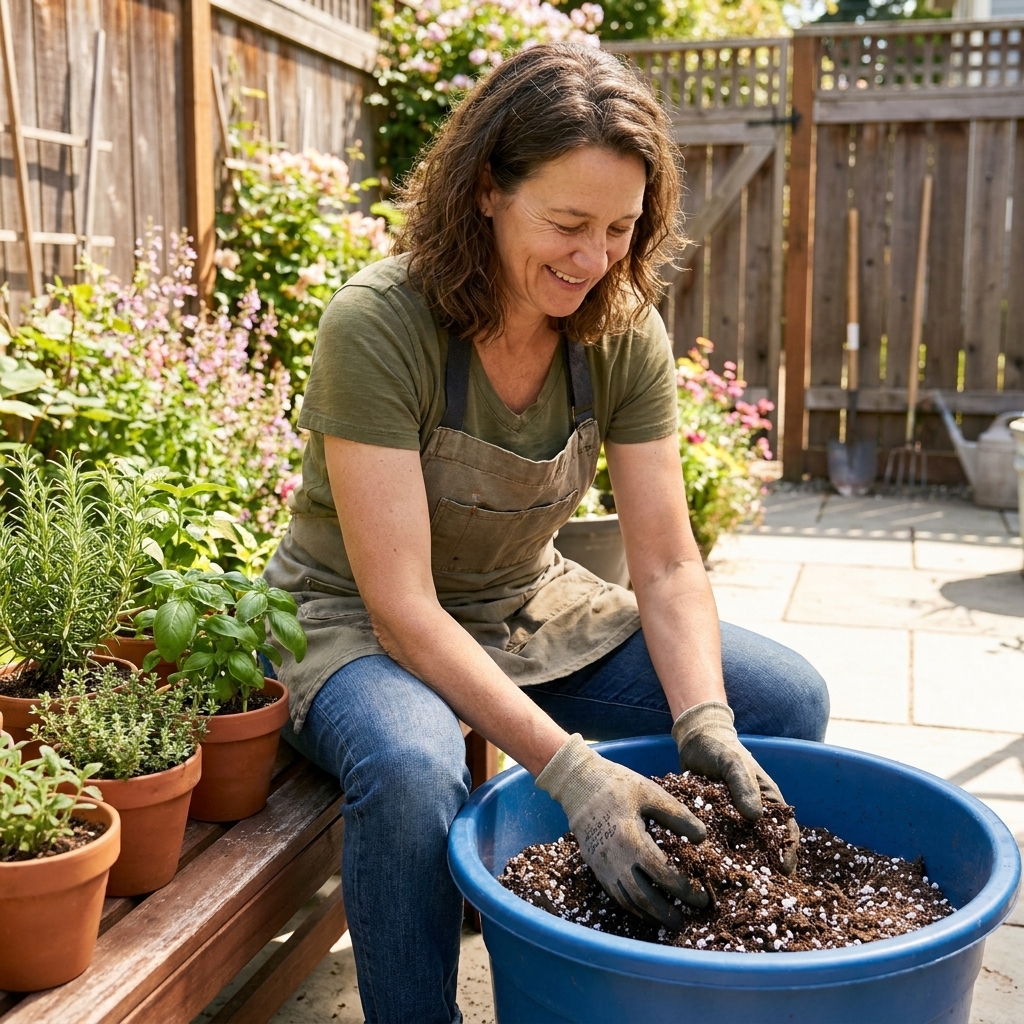
I like a standard potting mix plus an extra handful or two of perlite. You want water to run through, not linger.
Placement
Put it where you will brush by it often. Tarragon is at its best when used fresh, and having it near the kitchen door is half the magic.
Winter care
French tarragon is a perennial in many regions, but winter success depends on drainage and your cold level. The plant typically dies back in fall, then returns in spring.
In the ground
- After frost, let the top growth die back naturally, then cut stems down to a few inches.
- Mulch lightly after the ground begins to cool. Avoid heavy, soggy mulch piles that trap moisture right on the crown.
- If your winters are wet, drainage matters more than cold. Raised beds help a lot.
In containers
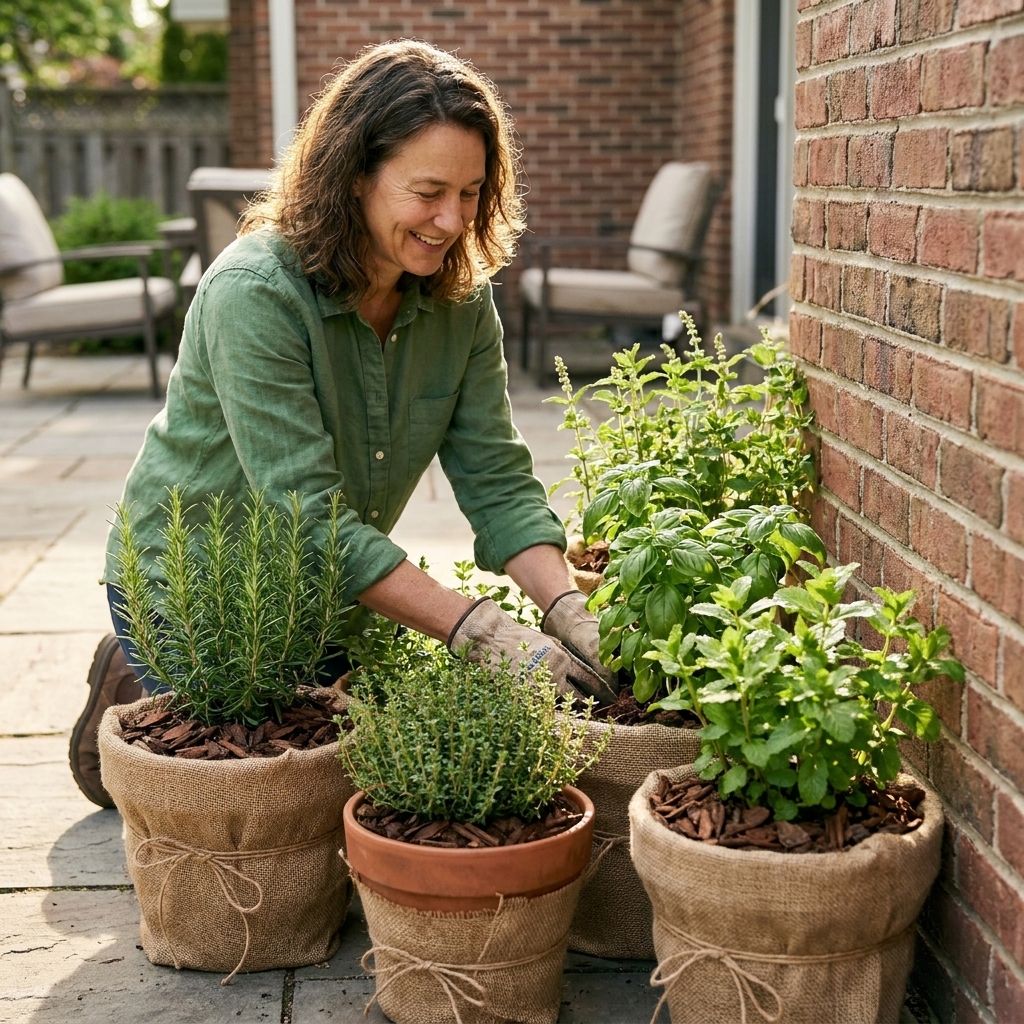
- Once dormant, you can move the pot to a sheltered spot like an unheated garage or against a protected wall.
- Water sparingly in winter. The soil should not bone-dry for months, but it should never stay wet.
- In early spring, bring it back into brighter light and resume gentle watering as new growth appears.
Harvesting for flavor
With tarragon, timing is everything. The most intense flavor tends to come from young, tender leaves.
- Start harvesting once the plant is established and putting on steady growth.
- Snip stems rather than plucking individual leaves if you want a clean, tidy plant.
- Morning harvest often gives the brightest aroma, especially on warm days.
- Never take more than about one-third of the plant at a time. It rebounds quickly when not stripped bare.
If you are cooking, add tarragon toward the end for the freshest flavor. Long simmering can mute that lovely anise note.
How to preserve tarragon
French tarragon is one of the herbs that can disappoint when dried. Drying is not useless, but it is not where tarragon shines.
Best: Freezing
- Freeze leaves flat on a tray, then store in a freezer bag.
- Freeze in olive oil or butter in small portions for quick sauces.
Also great: Tarragon vinegar
Slide clean, dry sprigs into a bottle of white wine vinegar. Let it infuse for a couple of weeks, then strain if you like. It is bright, herbal, and so good in salad dressings.
Drying
Air-dry small bundles in a dark, well-ventilated spot. Keep expectations gentle. The scent fades compared to fresh or frozen.
Common problems
“My tarragon tastes like nothing.”
Most often, this is Russian tarragon. Do the rub-and-smell test. If it is weak or bitter, consider replacing it with a verified French tarragon start.
Yellow leaves and limp growth
Usually overwatering or poor drainage. Let the soil dry more between waterings and make sure water is not pooling.
Leggy, floppy stems
Not enough sun, too much fertilizer, or not enough pinching. Move it to brighter light and pinch tips regularly.
Crown rot after winter
Excess winter moisture is the culprit. Improve drainage, grow in a raised bed, or switch to a container you can shelter.
FAQ
Can I grow French tarragon from grocery store tarragon?
Sometimes. If you buy fresh tarragon sprigs with longer stems, you can try rooting them like cuttings. Success depends on freshness and whether the stems were kept hydrated. It is worth trying, but I would still aim to get a nursery start as your reliable plant.
Is Mexican tarragon the same thing?
No. Mexican tarragon (often sold as Texas tarragon) is a different plant with a similar anise flavor. It can be a wonderful substitute in hot climates where French tarragon struggles, but it is not the same species.
Does French tarragon spread?
It forms a clump and can slowly expand, especially when happy. It is not typically invasive like some mint-family herbs, but it benefits from division every few years.
How do I know if my plant is French tarragon without a label?
Trust your senses. Crush a leaf and smell for a sweet, clean anise aroma, then taste a tiny bit. French tarragon tastes aromatic and almost creamy-anise. Russian tarragon tends to taste green, sharp, or simply bland.
My best advice
Start with a verified French tarragon plant, then protect it from the two things it hates most: soggy soil and being forgotten in a dim corner. Give it sun, drainage, and regular snips for the kitchen, and it will reward you with that unmistakable French tarragon perfume every time you brush your hand across the leaves.