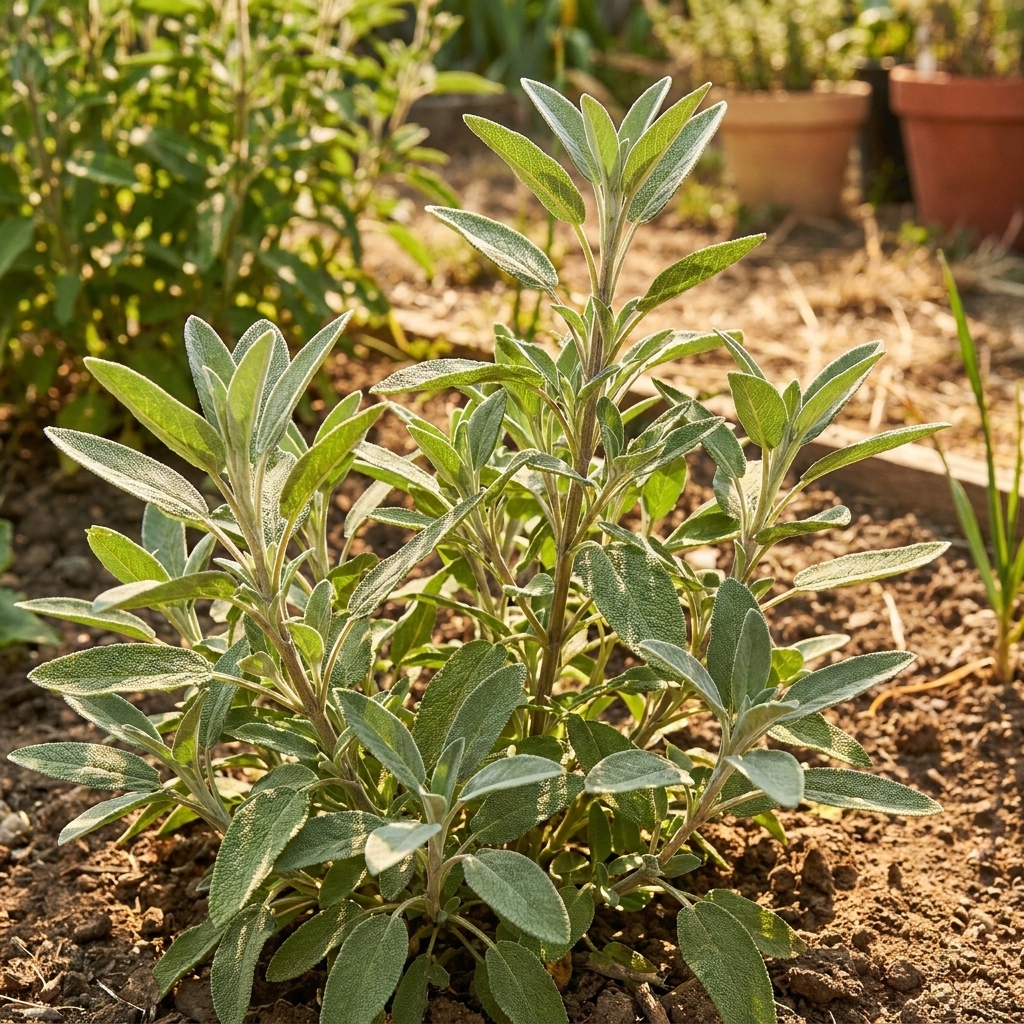
The first winter I tried to “toughen up” my potted herbs, I learned a hard truth: in containers, it is often not the cold air that does them in. The biggest culprit is usually a frozen root ball combined with rapid freeze and thaw cycles. In the ground, soil acts like a thick quilt. In a pot, roots are wrapped in a thin shell that freezes fast, thaws fast, and gets battered by wind.
The good news is that overwintering potted herbs is mostly about three things: insulating the container, keeping roots at steadier temperatures, and preventing wet, icy soil. Here is what to do, step by step, plus which herbs can stay outside and which should come indoors.
Start by sorting your herbs
Before you insulate anything, figure out what you are actually protecting. Different herbs handle winter very differently, and pots can make an herb behave like it is growing in a colder zone than it would in the ground. How much colder depends on pot size, material, wind exposure, and how wet the mix stays.
Three overwintering groups
- Hardy perennials (often OK outside with protection): chives, thyme, oregano, mint, lemon balm, winter savory. In many climates, these can stay outdoors if you keep the roots from repeatedly freezing and thawing.
- Woody, drought-leaning perennials (sometimes outside, often better with extra shelter): sage, rosemary, lavender. These often dislike winter wet as much as cold, and pots stay wet longer in chilly weather. Hardiness varies a lot by species and cultivar, especially with lavender and rosemary, so check the plant tag and think about your typical winter lows and wetness.
- Tender herbs and true annuals (bring in or treat as seasonal): basil (tender), plus annuals like cilantro and dill. Basil will not survive frost, even a light one, so do not waste your energy trying.
My rule of thumb: If the herb would normally die back and return in your yard, it has a decent shot in a pot with help. If it stays evergreen where you live, it still might suffer in a container unless you provide serious protection.
Know what you are up against
When temperatures drop, containers lose heat from all sides, not just the top. That means the root zone can freeze solid even if the plant itself looks fine for a while. Then a sunny day comes along, the pot thaws, roots start to wake up, and the next hard freeze damages them again. Winter wind can also dry out evergreen herbs, and soggy soil can lead to rot. It is rarely just one thing.
Your goal is to reduce those swings. Think “steady and sheltered,” not “warm.”
Timing: when to winterize
Do your big winter prep after a few chilly nights have slowed growth, but before the pot freezes hard.
- Light frosts: usually fine for hardy herbs. Let them feel a little cold so they can harden off.
- Before sustained freezes: wrap, mulch, and move pots into their winter spots.
- If a sudden cold snap is coming: prioritize rosemary, lavender, and any newly planted herbs first. Young roots are the most vulnerable.
If you are not sure how intense your winter gets, look up your typical lowest temperatures (USDA zone is a helpful start) and plan protection around those lows, not the average day.
Step 1: Prune lightly
Late-season pruning is where many of us get a little overconfident. A hard haircut can push tender new growth at the worst possible time.
What to do in fall
- Hardy leafy herbs (thyme, oregano, mint): you can tidy them lightly, removing weak stems and any disease. Save heavy pruning for spring.
- Sage and lavender: avoid cutting into old woody stems in fall. Just remove spent flower stalks and any damaged pieces.
- Rosemary: do not prune heavily before winter. If you must shape it, take only soft tip growth.
Harvest tip: If you want to dry herbs, do a final harvest a week or two before you winterize so the plant is not stressed at the same time you are changing its environment.
Step 2: Water with care
Herbs in winter still need moisture, but wet soil plus freezing temperatures is a recipe for root rot and heaving. The sweet spot is slightly moist, never soggy.
- Before your first deep freeze: water thoroughly only if the mix is on the dry side and the pot drains freely, then let it drain completely. Roots go into winter healthier if they are not bone dry.
- Once it is cold: water only when the top inch or two of soil is dry and the temperature is above freezing for the day.
- Never let pots sit in a saucer of water: standing water turns to ice and suffocates roots.
If you are moving herbs into an unheated garage or shed, you will water much less. Think every few weeks, not every few days.
Step 3: Insulate the pot
This is the biggest difference-maker for outdoor containers. You are not trying to heat the pot. You are trying to slow down heat loss and shield it from wind.
Wrap the container
Choose one of these methods, depending on what you have.
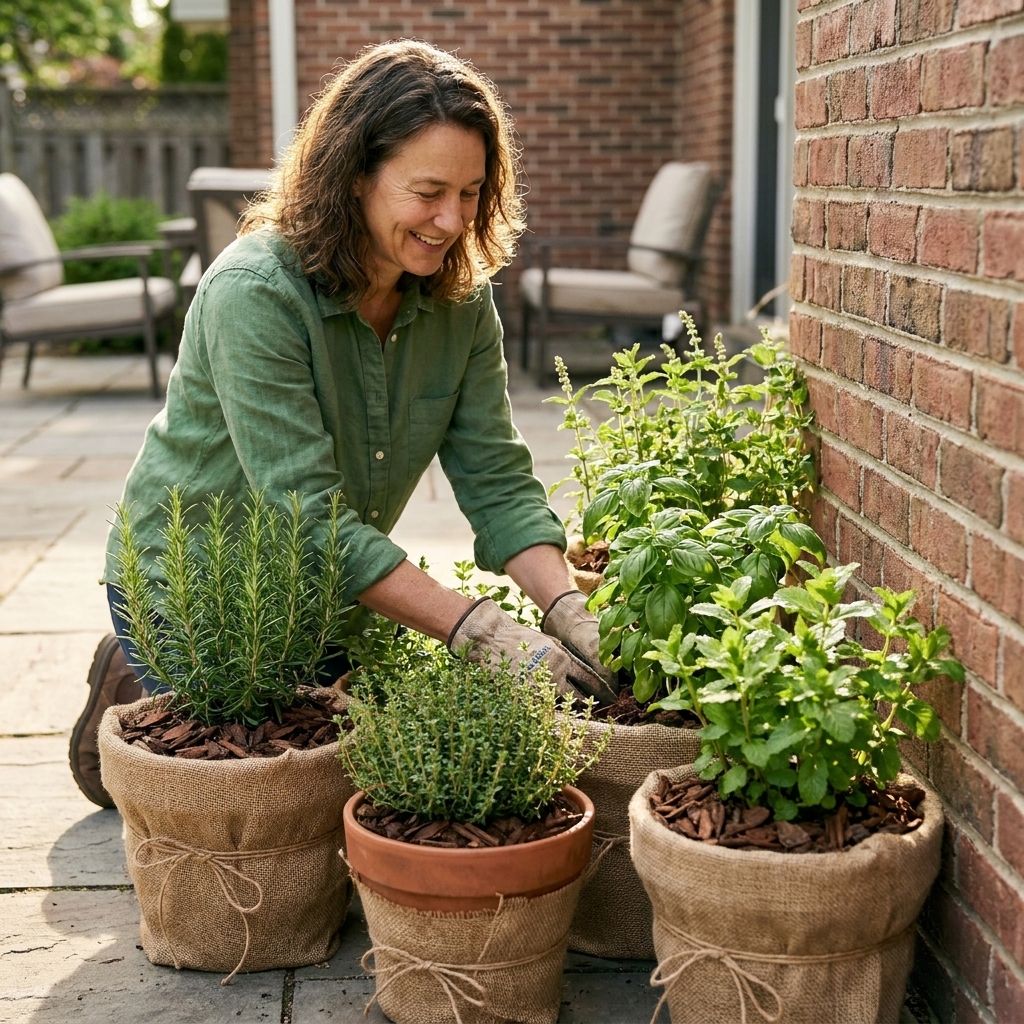
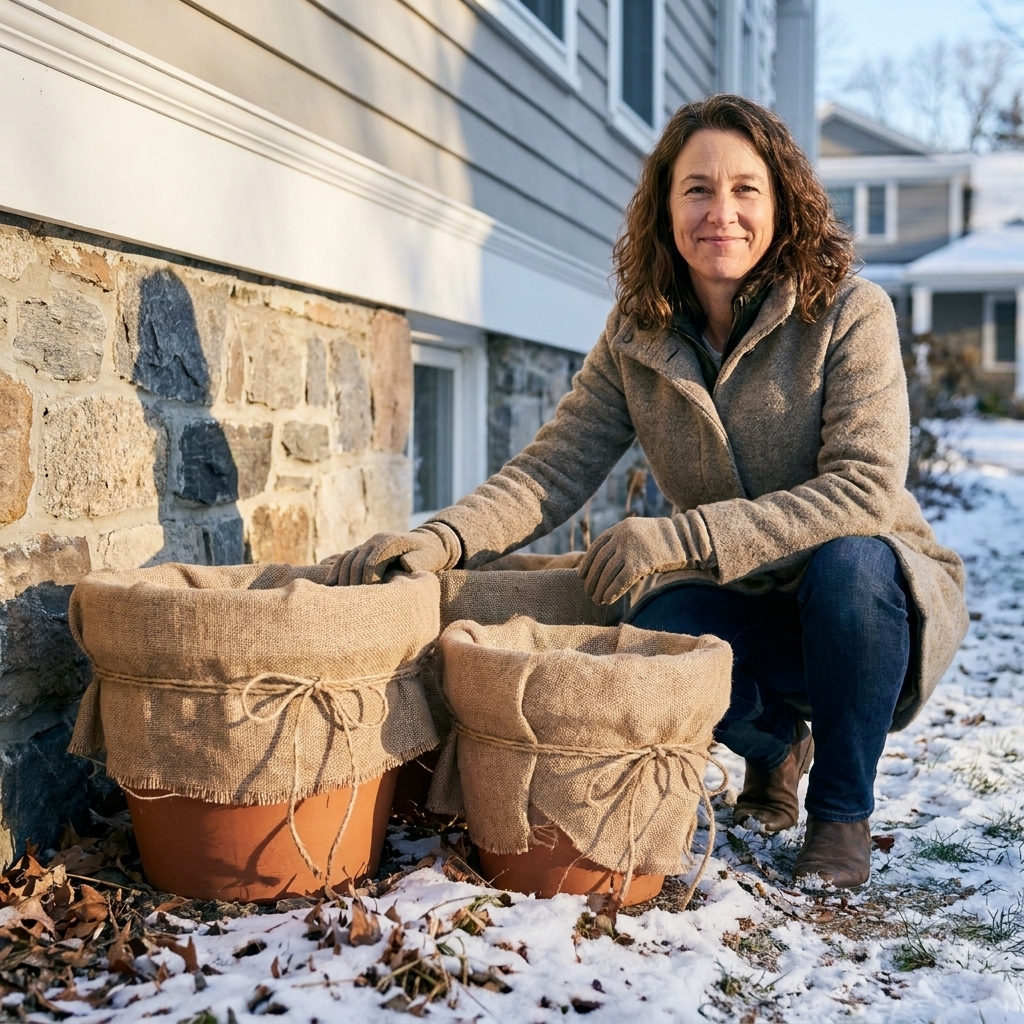
- Burlap wrap: wrap the pot with burlap, then tie with twine. For extra insulation, stuff dry leaves or straw between the pot and burlap.
- Bubble wrap plus a cover layer: bubble wrap insulates well, but sunlight can make plastic brittle. Wrap bubble wrap first, then cover it with burlap, an old towel, or a dark fabric sleeve to protect it.
- Cardboard collar: place the pot inside a slightly larger cardboard box and fill the gap with dry leaves. Keep cardboard dry by placing it under a covered area.
Insulate from below
Cold is conducted up from frozen ground and concrete, and containers lose warmth quickly through the base.
- Set pots on wooden boards, a pallet, thick cork mats, or even a slab of rigid foam insulation.
- Make sure drainage holes are not blocked by ice, debris, or a flat surface. A slight lift and airflow under the pot helps.
Pot material and size matter, too. Larger pots insulate roots better than small ones. Metal containers can get brutally cold and are rarely the best choice for overwintering outdoors.
Step 4: Mulch the soil surface
Mulch is like a hat for the root zone. It reduces temperature swings and helps keep the soil from crusting and drying in winter wind.
Best mulches for potted herbs
- Shredded leaves (my favorite and free)
- Straw (light and insulating)
- Pine needles (great for drainage and staying fluffy)
Apply 2 to 4 inches on top of the potting soil, keeping mulch pulled back an inch from the crown of the plant to prevent rot.
Avoid heavy, soggy mulches like thick compost layers in winter. They hold too much moisture for herbs that prefer drier feet.
Step 5: Pick a sheltered spot
You do not need a greenhouse to give herbs a major advantage. You just need a spot that is a little less exposed.
Best outdoor spots
- Against a house wall, especially on the south or west side where it stays slightly warmer and blocks wind
- Under an overhang to reduce snow and rain soaking the pot
- In a protected corner of a patio or beside a fence
Group pots together
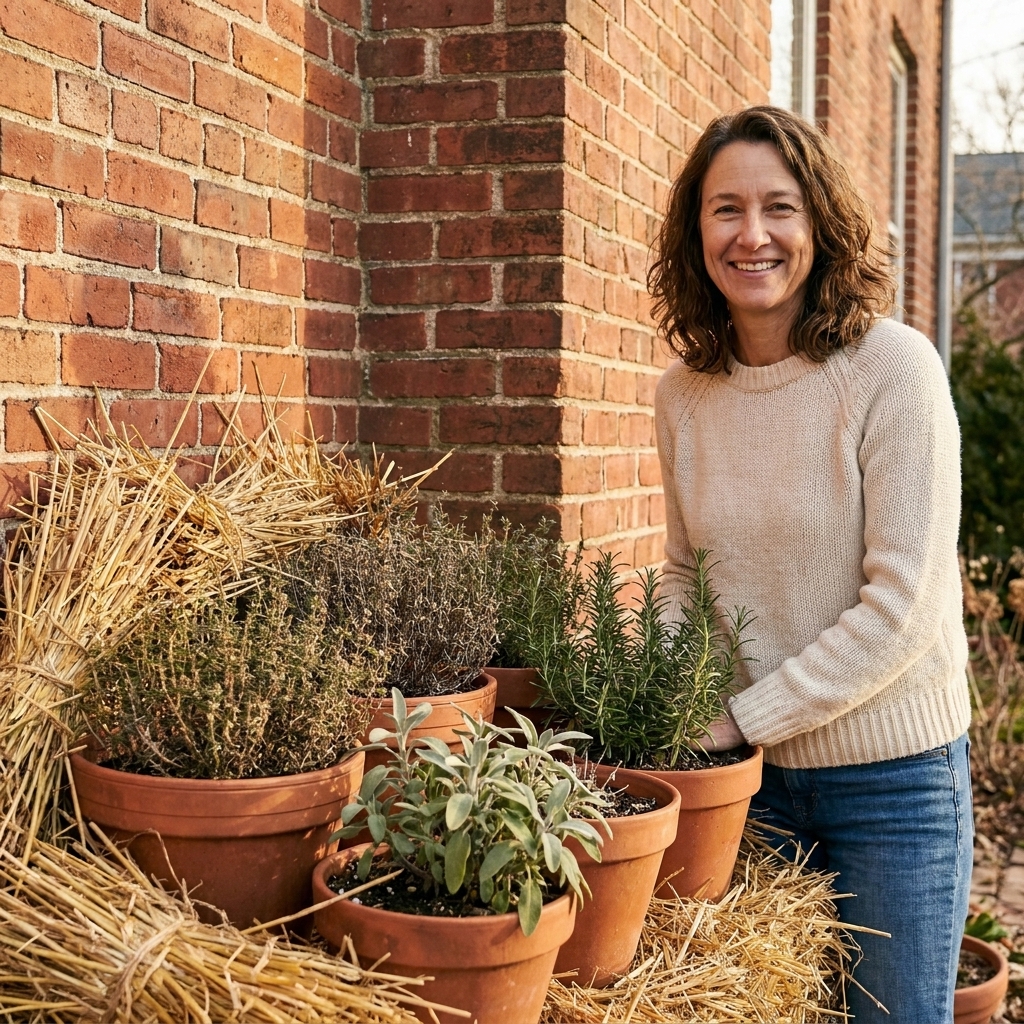
When you cluster containers, they insulate each other and block wind. I like to push them together, wrap the group loosely with burlap, and tuck straw around the bases like I am building a little herb fort.
Extra protection for deep freezes
If you get stretches of temperatures well below freezing, or if you are trying to overwinter rosemary or lavender outdoors, add another layer of protection.
Cold frames and simple covers
- Frost cloth: drape over plants during extreme cold nights and remove or vent during sunny days.
- Portable cold frame: a clear-lidded frame over grouped pots keeps wind off and reduces moisture soaking the soil.
- Upside-down tote method: on the coldest nights, place a plastic storage tote over the pot group like a dome, then remove it during the day so plants do not overheat and rot. Do not seal it to the ground. A little gap for airflow matters.
Important: Any cover needs airflow on milder days. Herbs hate being trapped in damp, stagnant air.
When to bring pots inside
Sometimes the kindest thing you can do is give your herb a cold, bright shelter rather than asking it to survive outdoors in a pot.
Good winter spots
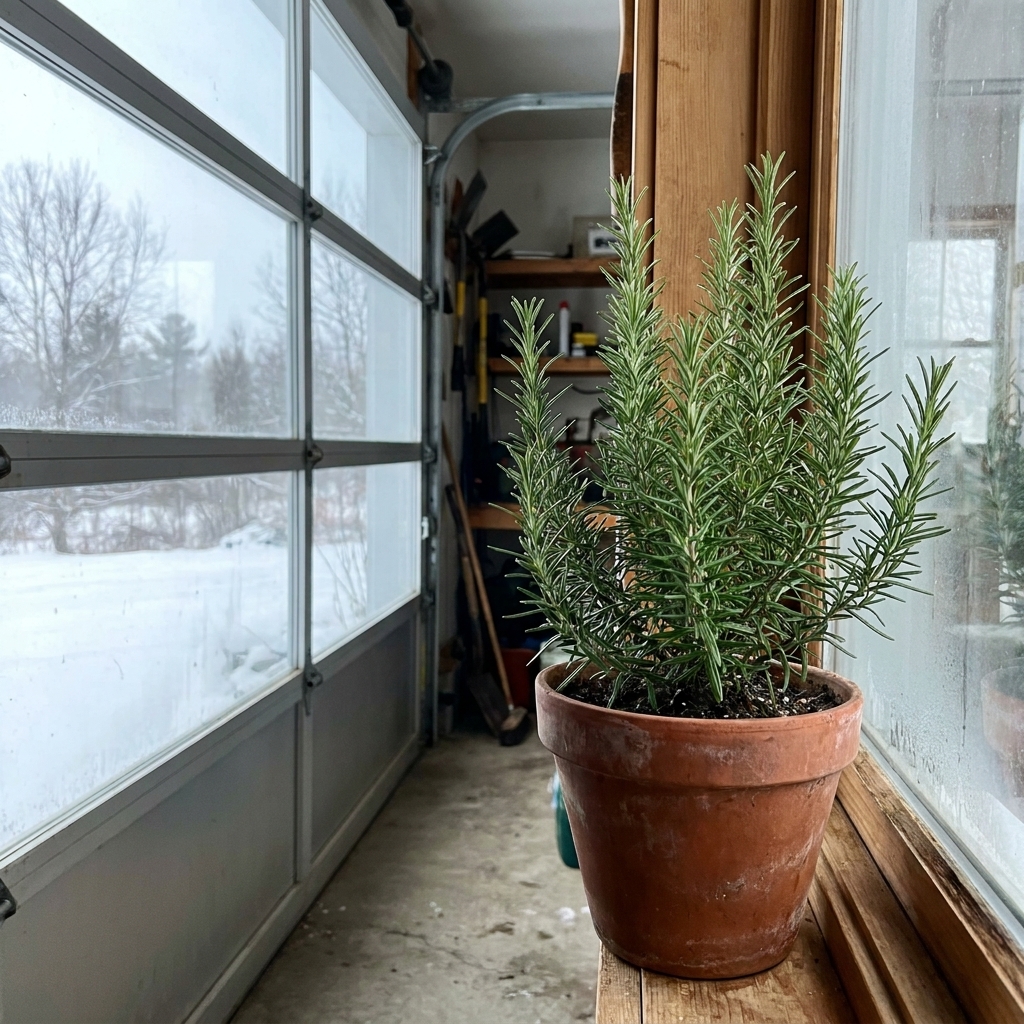
- Unheated garage with a window: excellent for keeping herbs dormant but alive
- Cold basement window: works if it stays above freezing
- Enclosed porch or mudroom: ideal if temperatures stay roughly 35 to 55°F and there is decent light
In these spaces, herbs rest. Growth slows way down, and that is what you want. Water sparingly, and do not fertilize.
Before you move plants into any sheltered space, do a quick cleanup: remove dead leaves, check stems for pests, and rinse foliage if you have had aphids or mites outdoors. It is much easier to prevent an indoor pest problem than to solve one in February.
Warm windowsills are tricky
A warm, bright windowsill can keep herbs actively growing, but winter light is weak. That often leads to lanky, pale growth and pests. If you want to grow herbs indoors through winter, consider a simple grow light and keep the plant away from heating vents.
Herb-by-herb notes
Thyme and oregano
Tough little workhorses. Mulch the surface, wrap the pot, and keep them out of heavy winter rain when you can. They bounce back fast in spring.
Mint and lemon balm
Very hardy. The bigger risk is the pot drying out completely in wind. Check moisture a few times over winter thaws.
Chives
Chives handle cold beautifully. They may die back, and that is normal. Keep the pot insulated and do not panic when the leaves turn straw-colored.
Sage
Sage dislikes wet winter soil. Use a fast-draining potting mix, shelter it from heavy rain, and avoid smothering the crown with mulch.
Lavender
Lavender can be cold-hardy, but it hates winter sogginess. If your winters are wet, a sheltered spot under an overhang can matter more than extra insulation. Also, check your cultivar. Some are far tougher than others.
Rosemary
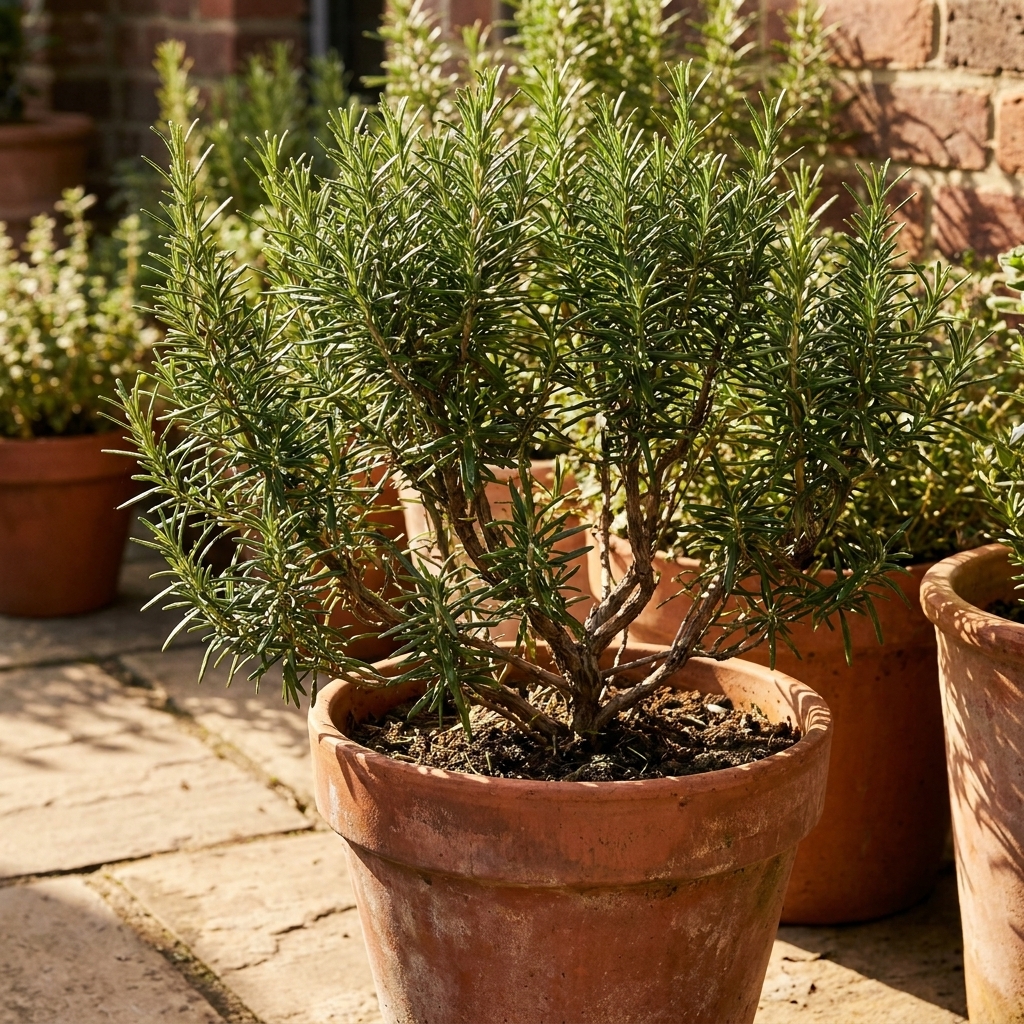
Rosemary is the one I baby most. In cold climates, it is usually happiest in an unheated but protected space like a garage or enclosed porch with a window. If you keep it outdoors, prioritize wind protection and keeping the soil on the drier side.
Common mistakes
- Pot is waterlogged after rain or snow: move it under cover, tilt slightly for drainage, and remove any saucer. Consider refreshing the top inch of soil in spring if it stays soggy.
- Leaves look burned after a freeze: do not prune immediately. Wait until spring to see what truly died back.
- Plant dried out in winter wind: water on the next day above freezing, then add more mulch and move to a more sheltered spot.
- Repeated thaw and refreeze: add insulation, group pots, and move them closer to the house wall or into an unheated garage during the coldest stretch.
- Pests indoors (aphids, spider mites): rinse plants, prune lightly, and increase airflow. If you can, keep overwintering herbs cool and semi-dormant instead of warm and actively growing.
Spring wake-up
Overwintering is only half the story. The first warm week in spring can tempt you to unwrap everything, but a late cold snap can undo your hard work.
Simple spring routine
- Wait for consistent thawing: when nights are mostly above freezing, start removing heavy wraps.
- Keep mulch for a bit: pull it back gradually rather than all at once.
- Check for winter rot: trim dead stems, but do not rush to cut woody herbs too hard.
- Refresh the pot: top-dress with fresh potting mix or compost and ensure drainage holes are clear.
- Hold fertilizer until growth resumes: feed when you see new green growth, not before.
Quick FAQ
Can I leave terracotta pots outside in winter?
Terracotta is porous and can crack if it absorbs water and freezes. If you overwinter herbs outdoors in terracotta, keep pots as dry as practical, shelter them from heavy winter precipitation, and insulate them well. In very cold or wet climates, moving terracotta pots into an unheated shelter is safer.
Should I cut herbs back before winter?
Light cleanup is fine, but avoid heavy pruning in fall. For sage, lavender, and rosemary, especially, save major shaping for spring.
Do potted herbs need sun in winter?
If they stay outdoors, yes, although stable temperatures and good drainage matter more than perfect winter sun. If you move them into a garage or porch to stay dormant, a bright window is helpful. Complete darkness is not a great plan, and evergreen herbs tend to want more light than fully dormant ones.
How cold is too cold for potted herbs?
It depends on the herb and the container, but remember that a pot can make an herb act less hardy than it would in the ground. If you regularly drop well below 20°F, plan on heavier protection or sheltered storage for anything borderline like rosemary and some lavenders.
A cozy winter is possible
Overwintering potted herbs is a little like tucking kids into bed on the first cold night. You want them fed, not soaked, and wrapped up just enough to keep them steady until morning. Wrap the pot, mulch the top, block the wind, and keep moisture under control. When spring comes, your herbs will thank you with the first brave little green shoots, and you will be seasoning dinner with your own plants again before you know it.