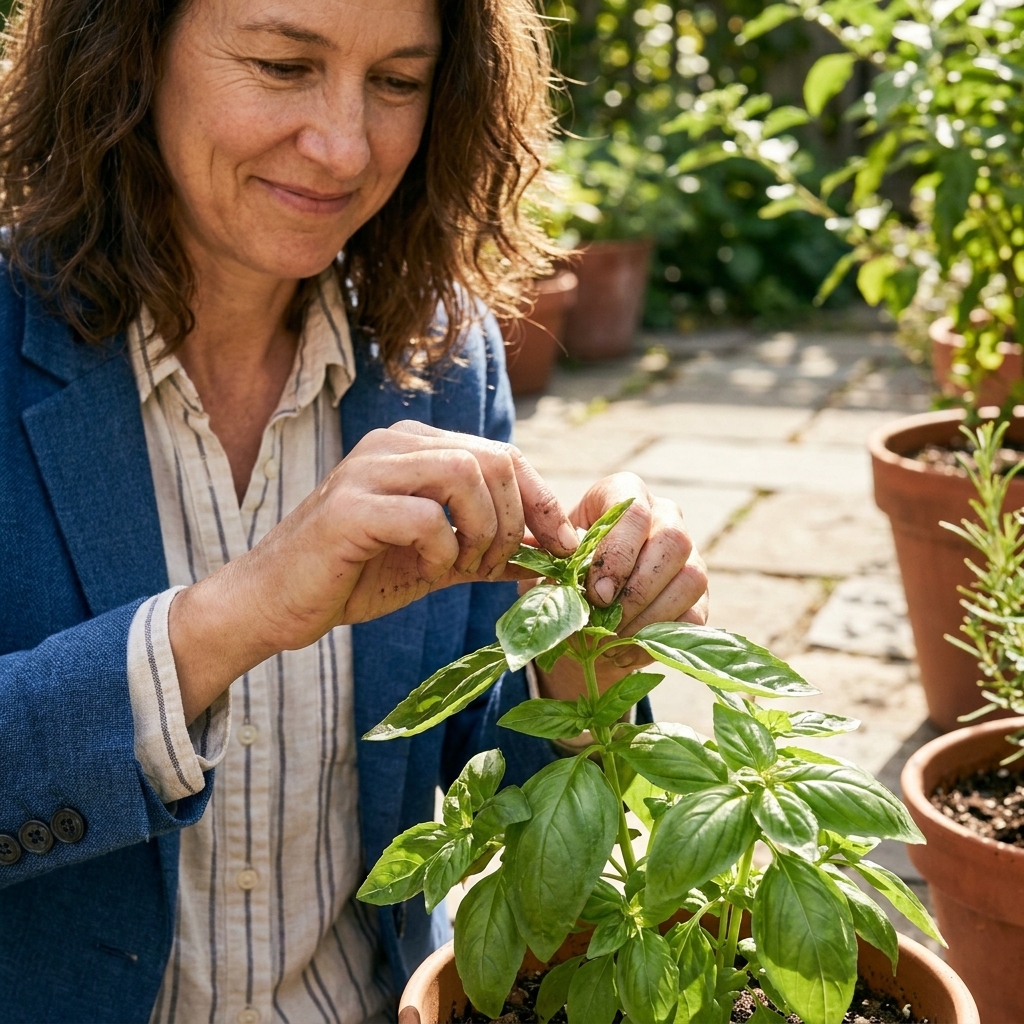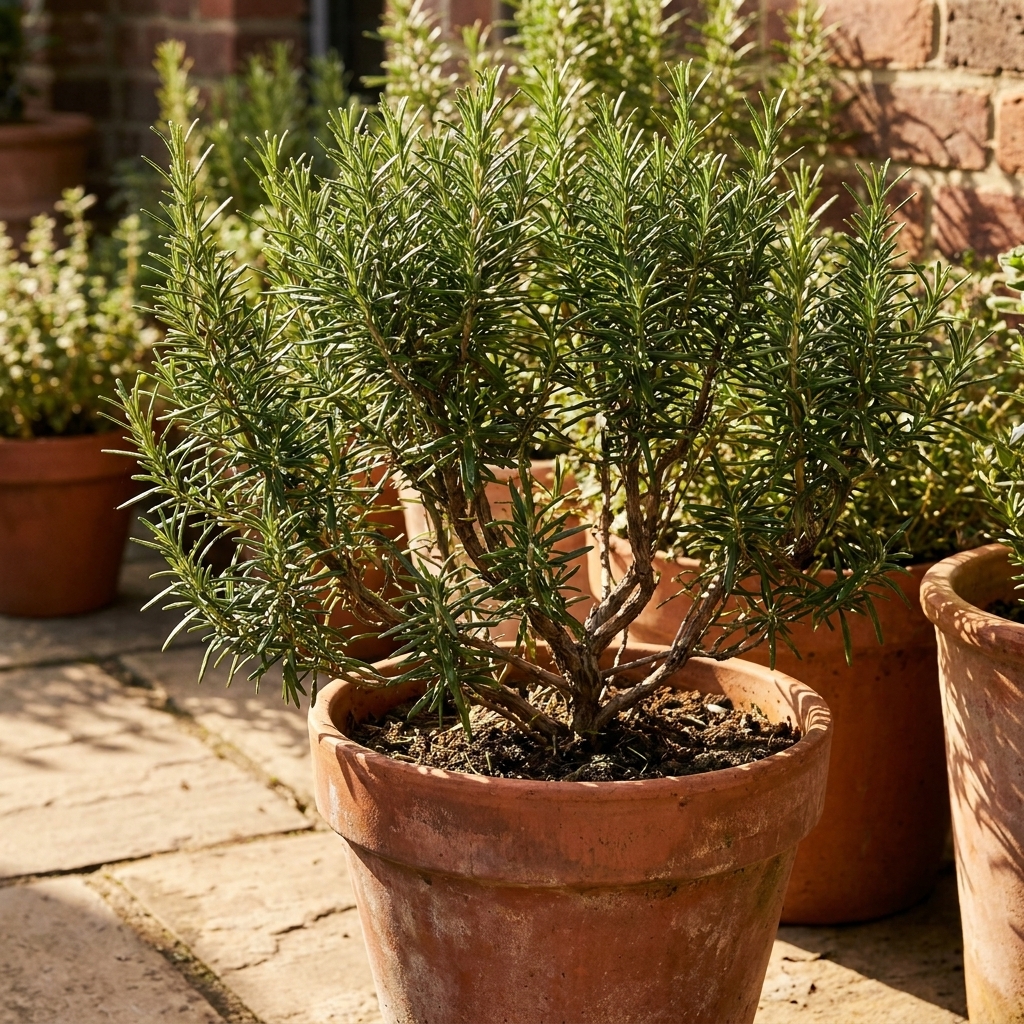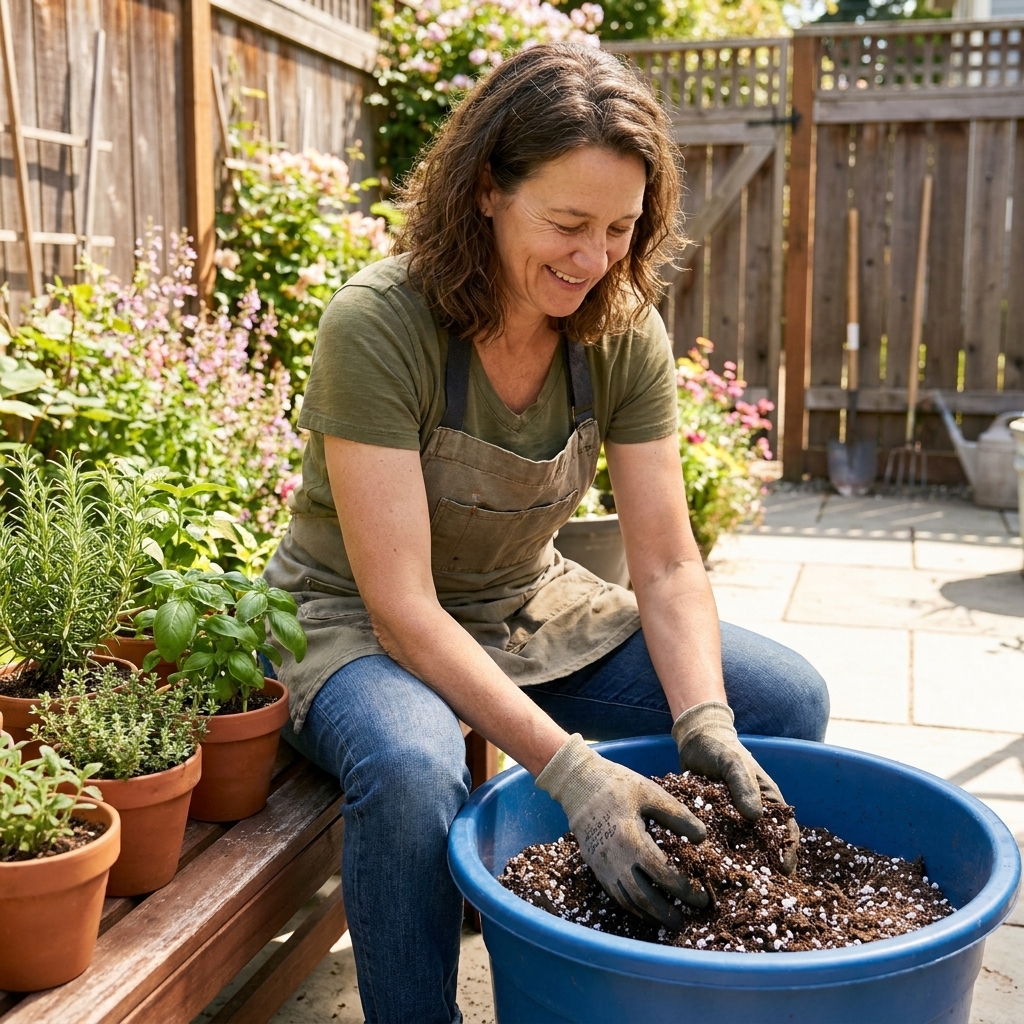
There is nothing quite like walking out to snip basil for dinner, only to find the leaves curled, sticky, or peppered with tiny moving specks. The good news is that most herb pests can be handled gently and effectively with simple, edible-garden-friendly steps. I have learned over the years that the best pest control is a calm routine: identify, rinse, remove, then treat only as much as you need.
A quick safety note for edible herbs: If you spray anything, even something natural, treat it like you would a salad dressing. Use the lightest effective amount, avoid spraying in full sun, and always follow the label for any product used on edibles (including pre-harvest intervals, if listed). Wash herbs well before eating.
Before you treat: a simple herb-safe routine
If you only remember one thing, make it this: start with the least intense option and work up. Many pests on herbs can be managed without reaching for strong sprays right away.
- Isolate heavily infested pots so pests do not hop to neighboring herbs.
- Rinse first with a firm stream of water, especially under leaves.
- Remove the worst parts by pinching off badly damaged leaves and tossing them in the trash.
- Check again in 24 to 48 hours before you escalate. Eggs hatch, so follow-up matters.
- Spray at dusk or early morning to reduce leaf burn and protect pollinators.
1) Aphids
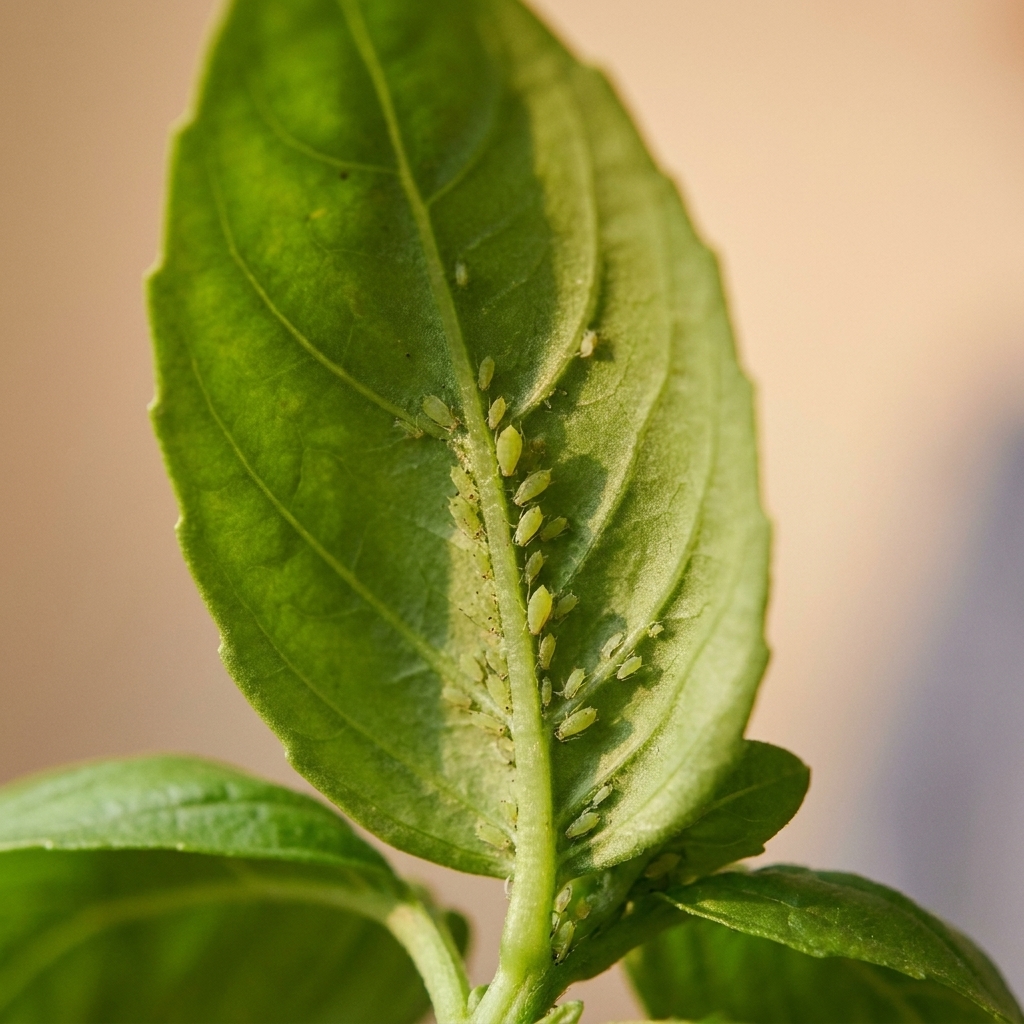
What they look like: Tiny pear-shaped insects in green, black, brown, or pink. They cluster on soft new growth and the undersides of leaves.
Common signs on herbs: Curled leaves, sticky residue (honeydew), and sometimes ants tending them.
Natural ways to control aphids
- Water blast: Aim a firm spray under leaves to knock them off. Repeat every couple of days for a week.
- Insecticidal soap (when labeled for edibles and used as directed): Spray to wet both sides of leaves. Some gardeners like to rinse after it dries to reduce residue on culinary herbs, but at minimum, rinse well before harvest and eating. Reapply every 4 to 7 days as needed.
- Neem oil (use sparingly): Apply in the evening and check the label for edible use and any timing restrictions before harvest. Neem can leave a taste or residue, so I keep applications light and occasional.
- Manage ants: If ants are present, use a sticky barrier on the pot or an ant bait placed away from herbs. Ant control helps your aphid control stick.
Herbs I watch closely: basil, mint, dill, cilantro, parsley.
2) Spider mites
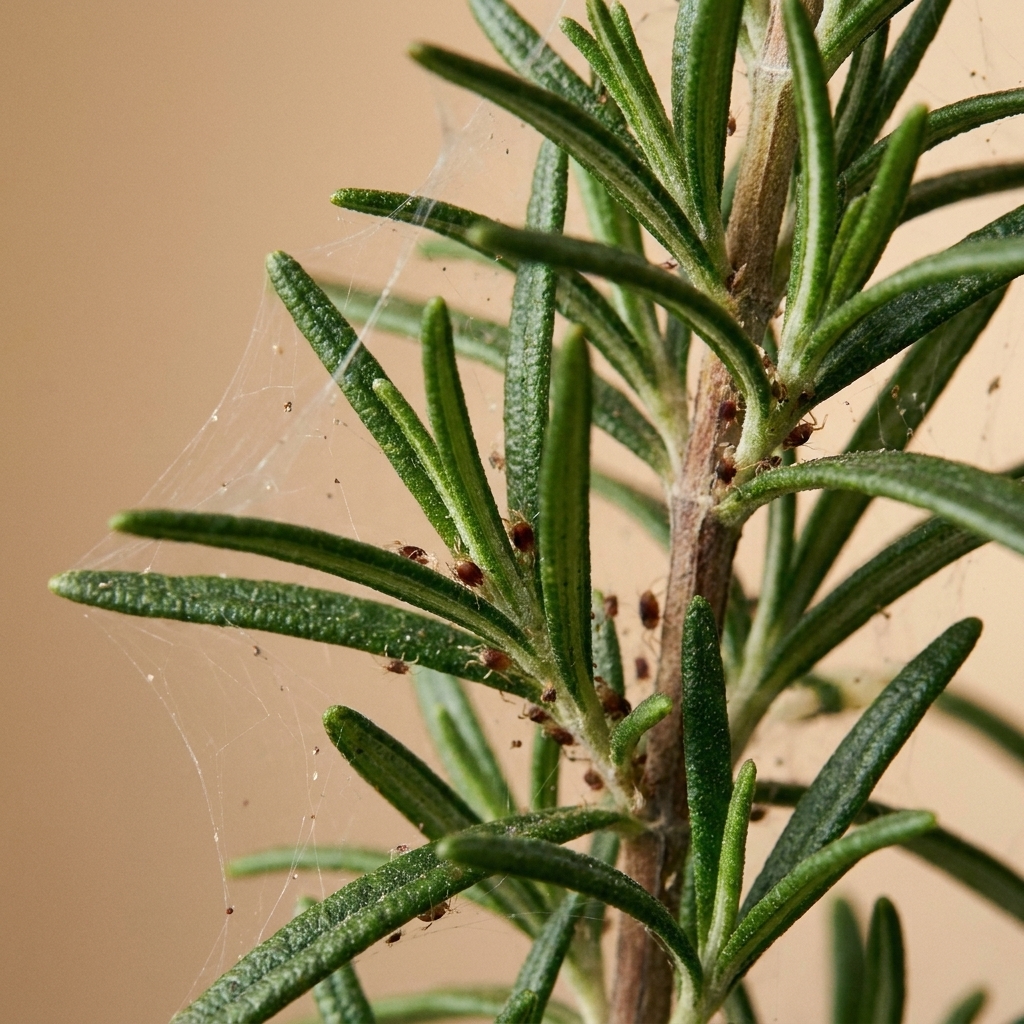
What they look like: Pinhead-sized dots (often red, tan, or pale) that live mostly on leaf undersides. You may see fine webbing if the population is high.
Common signs on herbs: Stippling, which looks like tiny pale speckles, leaf yellowing, and a dusty, tired look to the plant.
Natural ways to control spider mites
- Raise humidity: Mites love hot, dry conditions. For indoor herbs, group pots together and use a pebble tray.
- Rinse thoroughly: Shower the plant, especially undersides, every 2 to 3 days for two weeks.
- Soap spray: Insecticidal soap can help, but coverage is everything. Spray undersides carefully and repeat weekly.
- Hard reset prune: If a basil or mint plant is badly infested, cut it back (leave some healthy nodes), discard the worst foliage, and regrow fresh leaves.
3) Whiteflies
What they look like: Tiny white moth-like insects that flutter up in a cloud when you disturb the plant.
Common signs on herbs: Sticky leaves, yellowing, and sooty mold that grows on honeydew.
Natural ways to control whiteflies
- Yellow sticky traps: Place near herbs to catch adults and monitor how bad it is. Keep traps from touching edible leaves.
- Vacuum trick (indoors or on a calm day): Use a small handheld vacuum to suck up adults in the morning when they are sluggish. Empty into soapy water.
- Soap spray: Spray undersides where nymphs feed. Repeat every 5 to 7 days for 3 to 4 rounds.
- Leaf-by-leaf wipe: On small potted herbs, a damp cloth on leaf undersides can remove a surprising number of nymphs.
Herbs I watch closely: basil, sage, oregano, mint, lemon balm.
4) Thrips
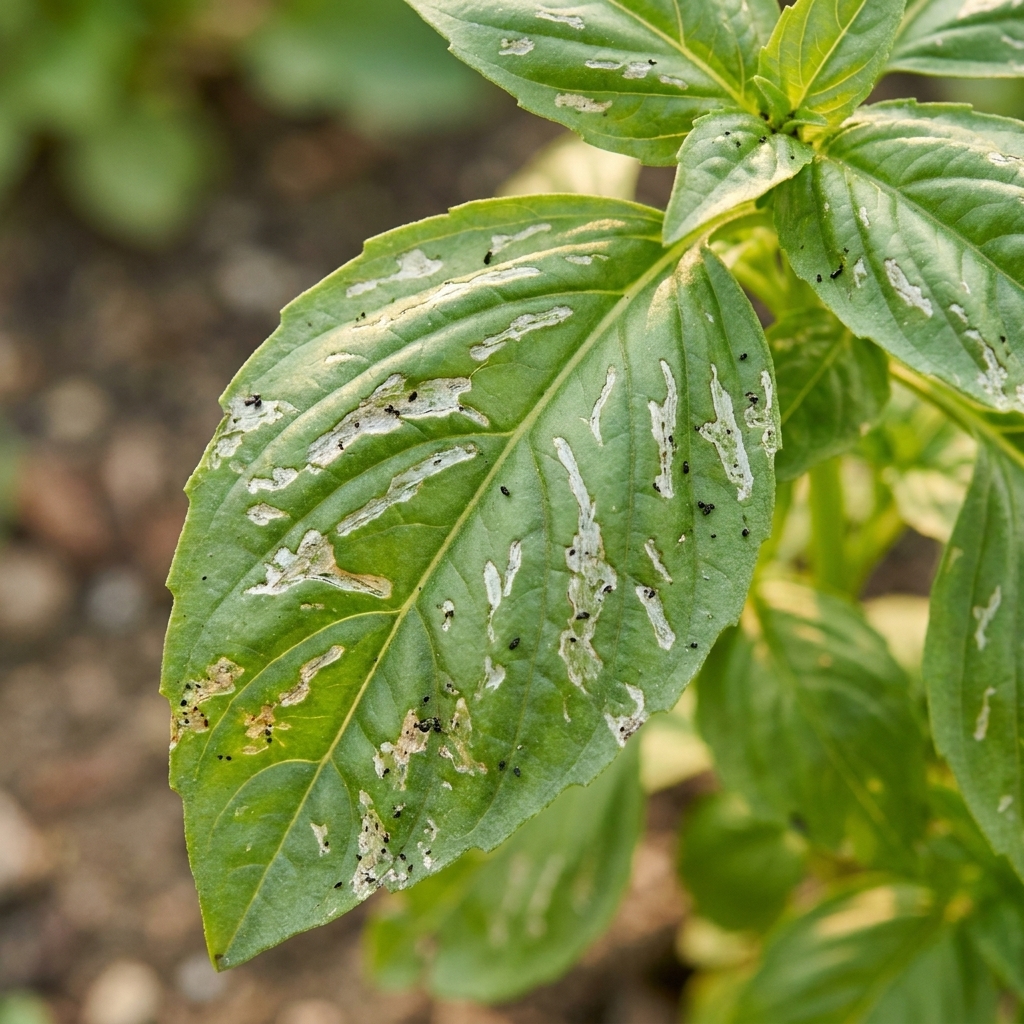
What they look like: Slender, fast-moving insects that are tan, black, or yellowish. They can be hard to see until the damage shows up.
Common signs on herbs: Silvery streaks, tiny black specks (their droppings), distorted new leaves, and flowers that look scuffed.
Natural ways to control thrips
- Prune and discard damaged tips: Thrips often concentrate on tender new growth and buds.
- Blue or yellow sticky traps: Helpful for monitoring and reducing adults.
- Spinosad (organic option, use carefully): If you have a persistent outbreak, spinosad can be very effective. Apply in the evening, do not spray any blooms, and follow label directions closely, including any pre-harvest interval. Keep treated plants away from foraging pollinators until the spray is fully dry. Wash herbs before eating.
- Repeat treatments: Thrips life cycles move quickly, so expect to treat weekly for a few rounds.
5) Fungus gnats (mostly indoors)
What they look like: Tiny black gnat-like flies that hover around pots, especially when you water.
Common signs on herbs: Annoying adult gnats, slow growth, and seedlings that suddenly collapse if larvae chew roots in soggy soil.
Natural ways to control fungus gnats
- Let the top layer dry: Allow the top 1 to 2 inches of soil to dry between waterings, as appropriate for the herb.
- Bottom-water: Set the pot in a tray to soak from below, then drain. This keeps the surface drier.
- Sticky traps: Yellow traps catch adults and help you see progress.
- BTI (mosquito bits or dunks): Soak in water and use that water on your pots to target larvae. When used as directed and labeled for your use case, BTI is generally regarded as a low-toxicity option for indoor edible containers.
- Top dress: A thin layer of coarse sand or fine gravel can make it harder for adults to lay eggs.
6) Slugs and snails
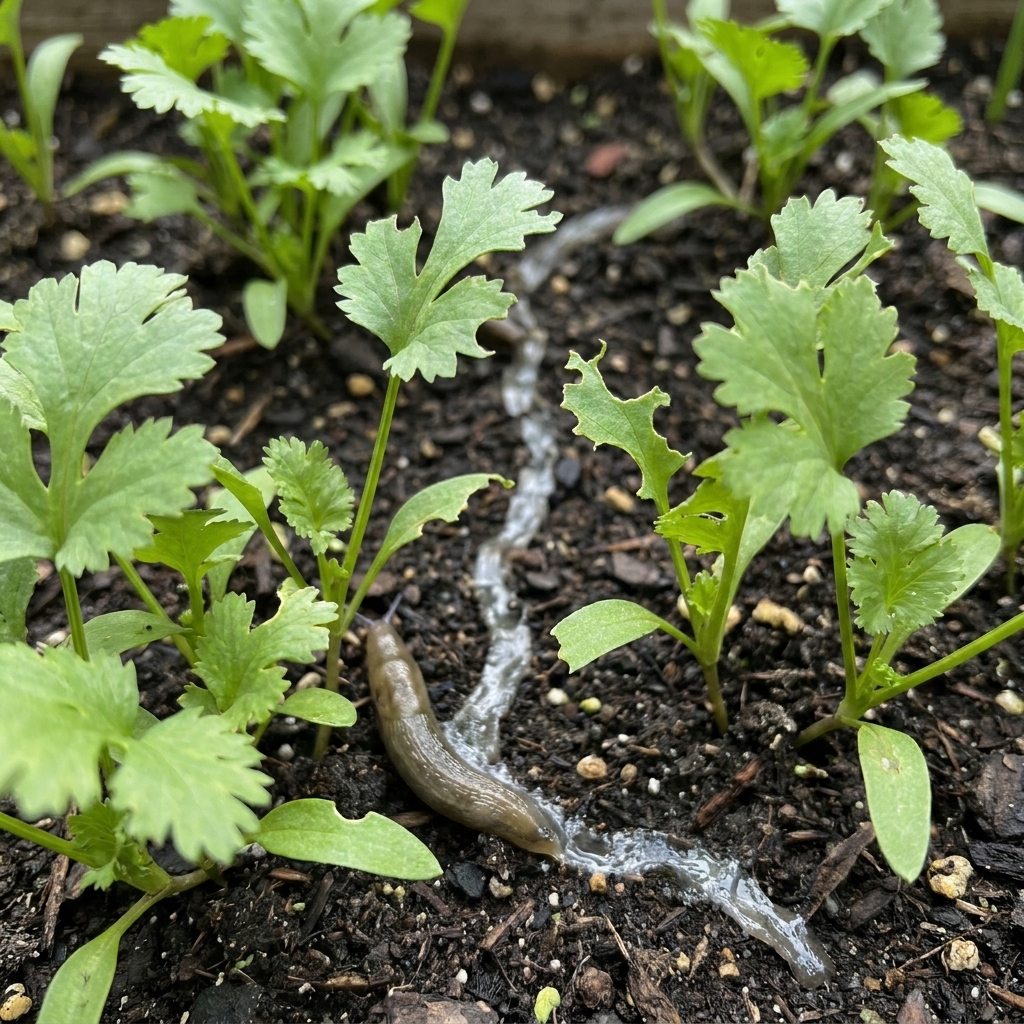
What they look like: Slugs have soft bodies with no shell, snails carry a shell. They feed mostly at night and hide in cool, damp spots during the day.
Common signs on herbs: Ragged holes, missing seedlings, and shiny slime trails. Tender herbs can be mowed down overnight.
Natural ways to control slugs and snails
- Hand-pick at dusk: Bring a flashlight and a container of soapy water.
- Beer traps: Sink a shallow container so the rim is at soil level and fill with beer. Empty and refresh as needed.
- Copper barriers: Copper tape around pots can deter them, especially for container herbs.
- Iron phosphate bait: If you need bait, choose iron phosphate (not metaldehyde). It is widely considered a lower-risk option for edible gardens when used as directed, but follow the label carefully and keep pellets away from pets and wildlife.
- Water timing: Water in the morning so the soil surface dries out by nightfall.
7) Caterpillars (including parsleyworms)
What they look like: Green or brown caterpillars that blend in beautifully. On dill, parsley, and fennel, you may find the green-and-black striped swallowtail caterpillar, often called a parsleyworm.
Common signs on herbs: Big, clean bites and missing leaves. Caterpillars can defoliate tender plants quickly.
Natural ways to control caterpillars
- Hand-pick: This is my go-to. Check at dawn or dusk. Look along stems and under leaves.
- Row covers: Lightweight fabric over hoops keeps butterflies and moths from laying eggs on your herbs.
- BT (Bacillus thuringiensis var. kurstaki): Works on many leaf-eating caterpillars. Spray on leaves they eat, reapply after rain, and follow label directions, including any pre-harvest interval. Wash herbs before using.
- Relocate swallowtails if you want to: If you find parsleyworms and you like having swallowtails around, you can move them to a dedicated plant or a small patch of sacrificial dill rather than treating.
8) Mealybugs and scale (common indoors)
What they look like: Mealybugs look like little white cottony tufts tucked into stems and leaf joints. Scale insects look like small tan or brown bumps that do not move much once they settle.
Common signs on herbs: Sticky honeydew, yellowing leaves, and a plant that just seems to stall out. They are especially common on rosemary, bay laurel, and indoor potted herbs.
Natural ways to control mealybugs and scale
- Spot-remove: Dip a cotton swab in rubbing alcohol and dab pests directly. On tougher-leaved herbs, this can be surprisingly effective.
- Prune hot spots: If one stem is heavily covered, cut it out and toss it.
- Soap spray: For lingering crawlers, insecticidal soap (labeled for edibles) helps, but it usually takes repeat coverage.
- Quarantine: Keep that plant away from the rest until you are sure you have it under control.
My favorite prevention habits
I used to think prevention meant doing a dozen extra chores. In reality, it is a few tiny habits done consistently.
- Inspect when you harvest: Flip a few leaves over each time you snip herbs. Early detection is everything.
- Avoid over-fertilizing: Too much nitrogen pushes soft, juicy growth that pests love.
- Give herbs airflow: Space pots, thin crowded stems, and prune regularly.
- Water correctly: Most herbs prefer deep watering, then a bit of drying time. Constantly damp soil invites gnats and stress.
- Clean up: Remove fallen leaves and tired stems from the soil surface.
- Invite beneficial insects: Let a few herbs flower (like dill, cilantro, and thyme) to bring in hoverflies and parasitic wasps that help with aphids and whiteflies.
Herb-safe spray basics
Insecticidal soap style spray
Use a product labeled as insecticidal soap when possible, since it is formulated for plants. If you use a DIY approach, keep it gentle and choose a true soap, not a degreasing detergent. A common garden range is about 1 to 2 teaspoons of mild liquid soap per quart of water, but herb sensitivity varies a lot, so spot-test a few leaves first, especially on basil. Spray in the evening, cover undersides, and rinse well before harvesting.
Neem oil mix
Neem can help with persistent soft-bodied pests, but it can also stress some herbs if overused. Mix according to the label, spray in the evening, and avoid spraying in heat. Check that the product is labeled for edible plants and follow any pre-harvest timing. Also know it can leave a taste or residue, which is another reason to use it lightly on culinary herbs.
When to skip sprays entirely
If you are within a day of harvesting a big bunch for dinner, I usually choose water + hand removal + pruning instead of spraying. You can often salvage the plant without adding anything to the leaves.
Troubleshooting: why pests return
- You are missing the undersides: Most of these pests feed and lay eggs under leaves. Flip and treat there.
- Not repeating: One treatment rarely finishes the job. Plan for 2 to 4 rounds.
- The plant is stressed: Leggy indoor basil, thirsty pots, or low light can weaken herbs, making pests harder to manage. Fix the growing conditions while you treat.
- New plants brought them in: Quarantine new nursery herbs for a week, and rinse them well before placing near the rest.
Is it pests or something else?
Not every sad-looking herb is a bug problem. A quick double-check can save you time and unnecessary spraying.
- Yellowing leaves with soggy soil: Often overwatering or poor drainage, not insects.
- Yellow speckling: Could be spider mites, but also sun scorch or nutrient stress. Flip leaves and look for mites and webbing.
- Sticky leaves: Usually aphids, whiteflies, mealybugs, or scale. Look for honeydew and the insects themselves, especially on undersides and stems.
- Spots and rapid leaf drop: Sometimes disease rather than pests. If you suspect disease, remove affected leaves and improve airflow before reaching for insect treatments.
Quick pest ID guide
| What you notice | Most likely pest | Best first step |
|---|---|---|
| Sticky leaves, clusters of tiny insects | Aphids | Water blast, then soap |
| Speckled leaves, fine webbing | Spider mites | Rinse often, raise humidity |
| Little white bugs fly up when you touch plant | Whiteflies | Sticky traps, soap on undersides |
| Silvery streaks, tiny black specks | Thrips | Prune tips, traps, consider spinosad |
| Small flies around pots | Fungus gnats | Dry the surface, BTI |
| Big holes overnight, slime trail | Slugs/snails | Night hand-pick, barriers |
| Large bites, missing leaves, green worm | Caterpillars | Hand-pick, row cover, BT |
| White cottony clumps or brown bumps on stems | Mealybugs/scale | Alcohol swab, prune |
FAQ
Are these treatments safe for cooking herbs?
When you use products labeled for edible plants and follow the directions, they are generally regarded as low-toxicity options for home herb gardens. Even so, harvest thoughtfully: spray in the evening, avoid overapplying, follow any pre-harvest interval on the label, and wash herbs well before eating. When in doubt, lean on water rinses and pruning first.
Can I use dish soap on herbs?
Some dish soaps are very strong and can burn leaves. If you cannot access insecticidal soap, use a very mild true soap (not a degreasing detergent) at low concentration, spot-test first, and avoid spraying in sun or heat. If leaves show spotting within 24 hours, stop and rinse the plant.
Should I toss a plant that has pests?
Not usually. Herbs bounce back beautifully after a rinse and a haircut. I only compost or discard a plant when it is repeatedly infested and struggling, or if it is covered in sooty mold and I do not have the time to reset it. When you do see sooty mold, I also avoid eating the worst-coated leaves. Rinse the rest under cool running water and dry well.