I learned this lesson the hard way: you can be an attentive, loving herb parent and still lose plants simply by watering them all the same.
Mediterranean herbs like rosemary and thyme want their roots to breathe, then dry, then breathe again. Moisture-loving herbs like basil and mint prefer steadier moisture. When we blur those needs, we invite the two big heartbreaks of herb growing: root rot in the dry-lovers, and repeated wilting in the moisture-lovers.
This guide will help you recognize which “water personality” your herb has, then match your watering and soil to it so your plants stay flavorful and alive.
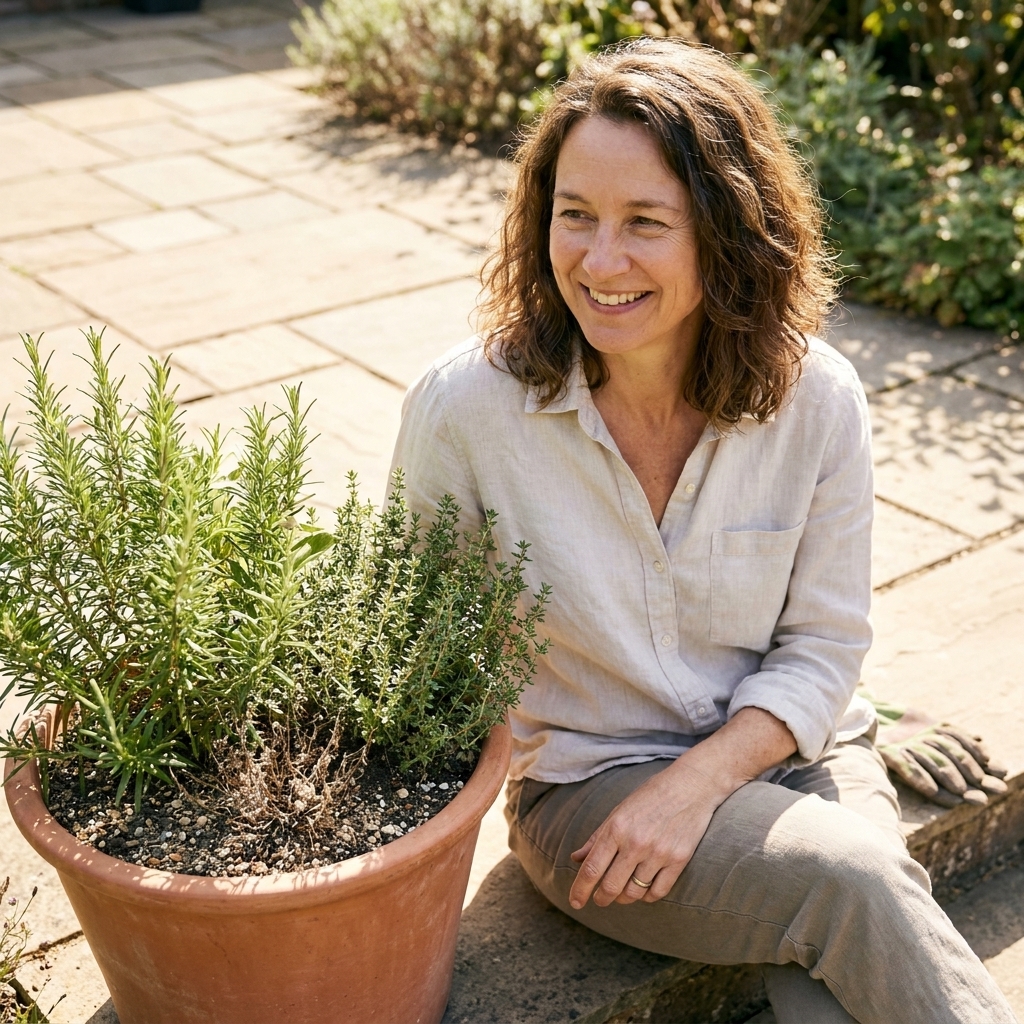
The big idea: water like the herb’s hometown
Most common culinary herbs fall into two broad groups:
- Mediterranean drought-tolerant herbs (sunny hillsides, lean soils, dry summers): rosemary, thyme, oregano, sage, lavender, savory, marjoram.
- Moisture-loving herbs (richer soils, more consistent moisture): basil, parsley, cilantro, chives, dill, mint, lemon balm, tarragon, chervil.
This is not a perfect botanical system, but it is a very reliable gardening one. If you water by group, you prevent most root problems before they start.
Quick comparison
| Trait | Mediterranean drought-tolerant | Moisture-loving |
|---|---|---|
| Soil feel before watering | Dry several inches down | Top inch dry, below that slightly damp |
| Best container type | Terracotta or breathable pot, fast drainage | Plastic or glazed is fine, still needs drainage holes |
| Watering style | Deep soak, then let dry | Moderate, more frequent, evenly moist |
| Main risk | Root rot from staying wet | Wilting, tough leaves, and stress-flavor from drying out |
| Top visual clue | Leaves dull, soft, or dropping despite wet soil | Leaves limp and thirsty, soil pulls from pot edges |
| Sun needs | Full sun, heat tolerant | Sun to part sun, many appreciate afternoon shade in heat |
Mediterranean herbs
These are the herbs my grandmother called “tough little shrubs.” They are built for bright light, airflow, and stretches between rains. The biggest mistake is treating them like basil.
Common Mediterranean herbs
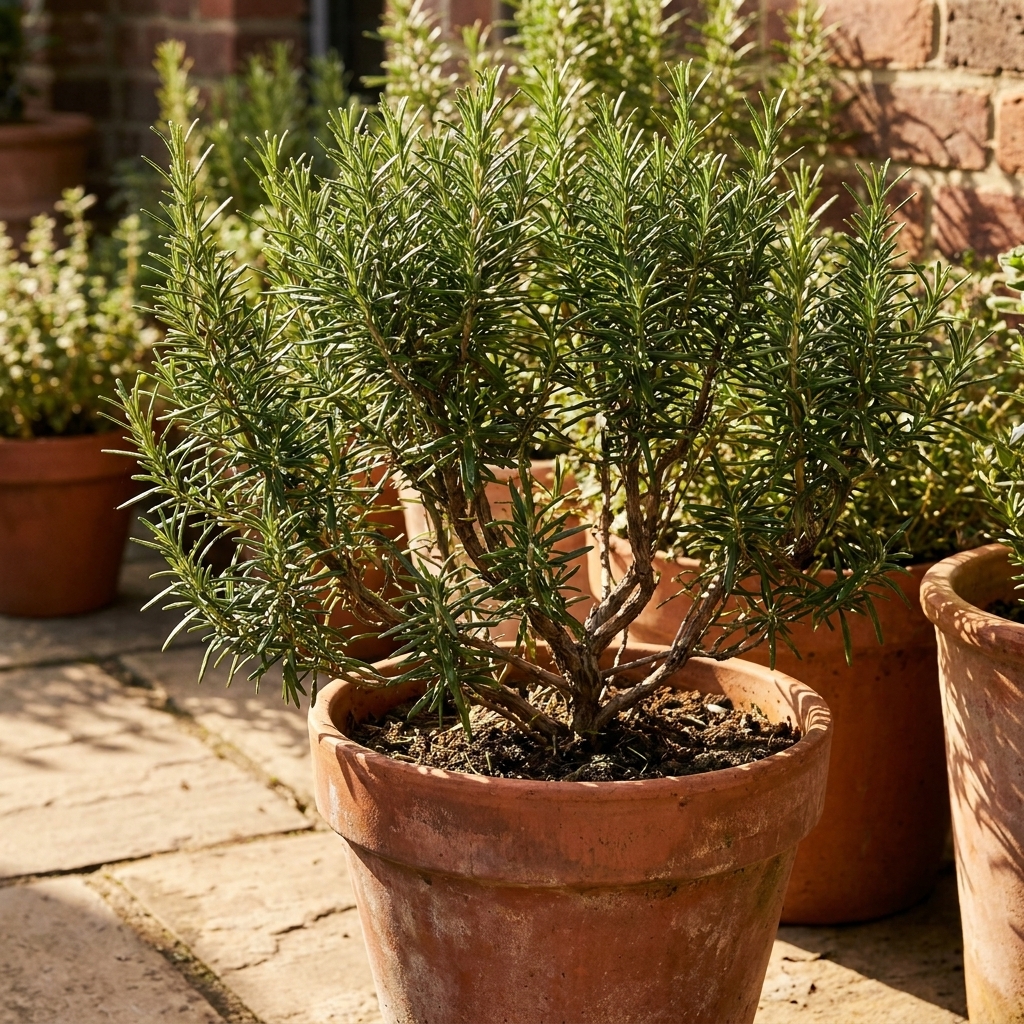
- Rosemary
- Thyme
- Oregano
- Sage
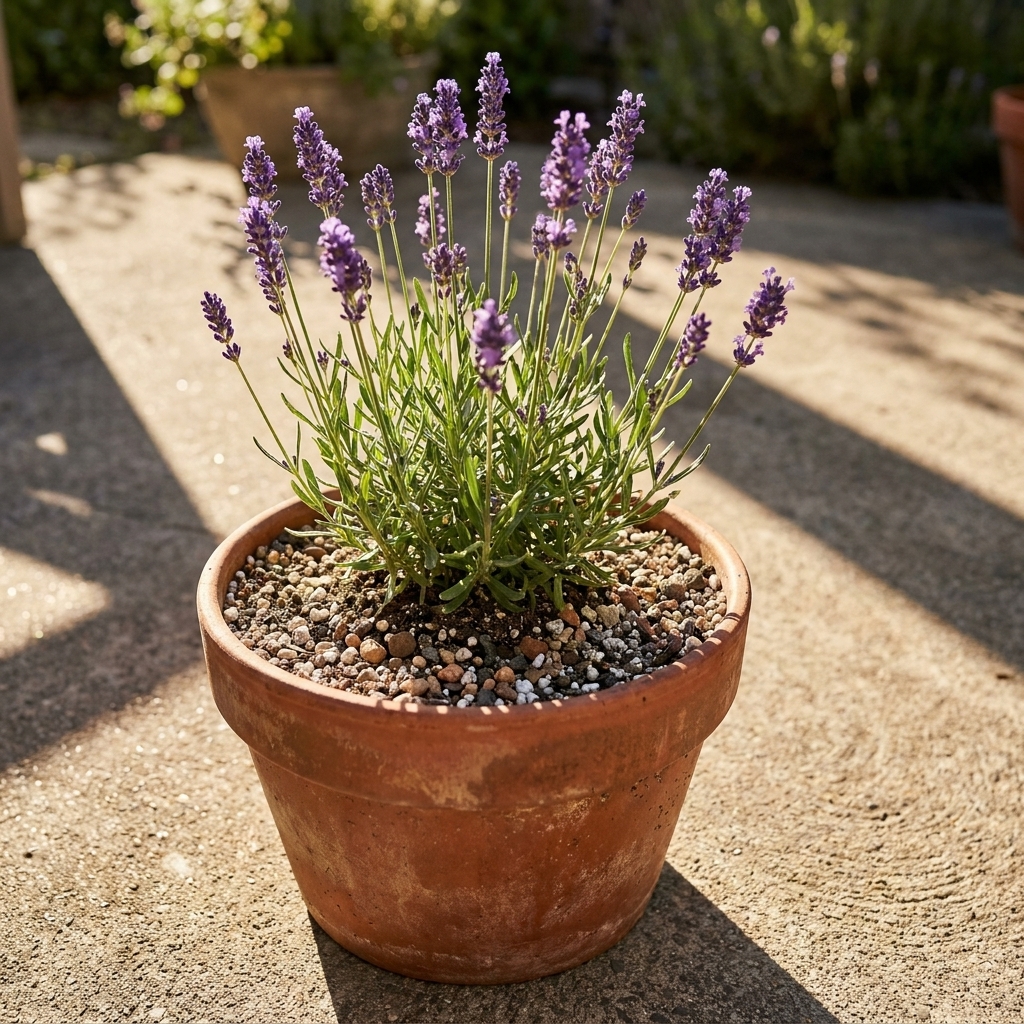
- Lavender
- Summer savory, winter savory
- Marjoram (often happiest with thyme-style watering)
Watering rule of thumb
Water deeply, then wait until the pot is mostly dry. In containers, that usually means letting the top 2 to 3 inches dry out, and for larger pots, sometimes more.
How to check moisture
- Finger test: Push your finger down 2 inches. If it is cool and damp, wait. If it feels dry and crumbly, water.
- Pot weight test: Lift the pot after watering, then lift again a few days later. Dry pots feel surprisingly light once you learn them.
- Skewer test: Slide a bamboo skewer down near the root zone, wait 10 seconds, then pull it out. Dark and damp means wait.
Best way to water
Water at the base until you see steady drainage from the bottom, then stop. This flushes salts, especially if you fertilize, and it encourages roots to grow downward. Do not “sip water” lightly every day. That keeps the upper root zone constantly damp, which is exactly what these herbs hate.
Soil that prevents rot
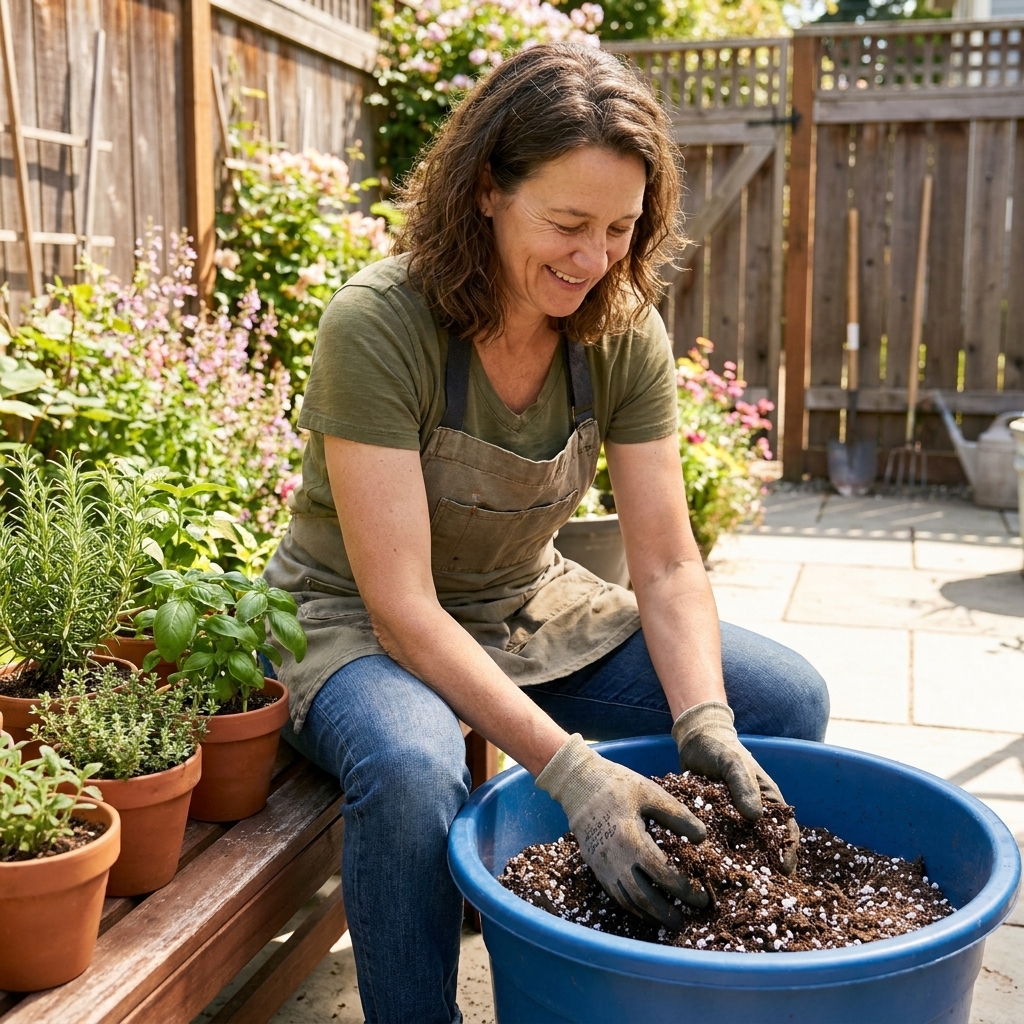
For pots, Mediterranean herbs do best in a mix that drains fast and does not stay spongy. I like:
- 2 parts quality potting mix
- 1 part perlite or pumice
- Optional: a handful of coarse sand for extra grit
For lavender in particular, think “sharper drainage than you think.” The mix above is a good starting point, but if your conditions are cool, humid, or low-light, bump up the mineral fraction and err on the dry side.
Root rot warning signs
- Yellowing leaves while soil is still wet
- Sudden leaf drop or limp stems that do not perk up after drying
- Musty smell from the pot
- Blackened, mushy roots if you slide the plant out
If you suspect rot, stop watering, increase airflow and light, and consider repotting into fresh, drier mix with trimmed damaged roots.
Moisture-loving herbs
These herbs grow fast, with softer stems and larger, more tender leaves. That lush growth takes consistent moisture. Let them swing wildly between drought and flood and they get stressed fast.
Common moisture-loving herbs
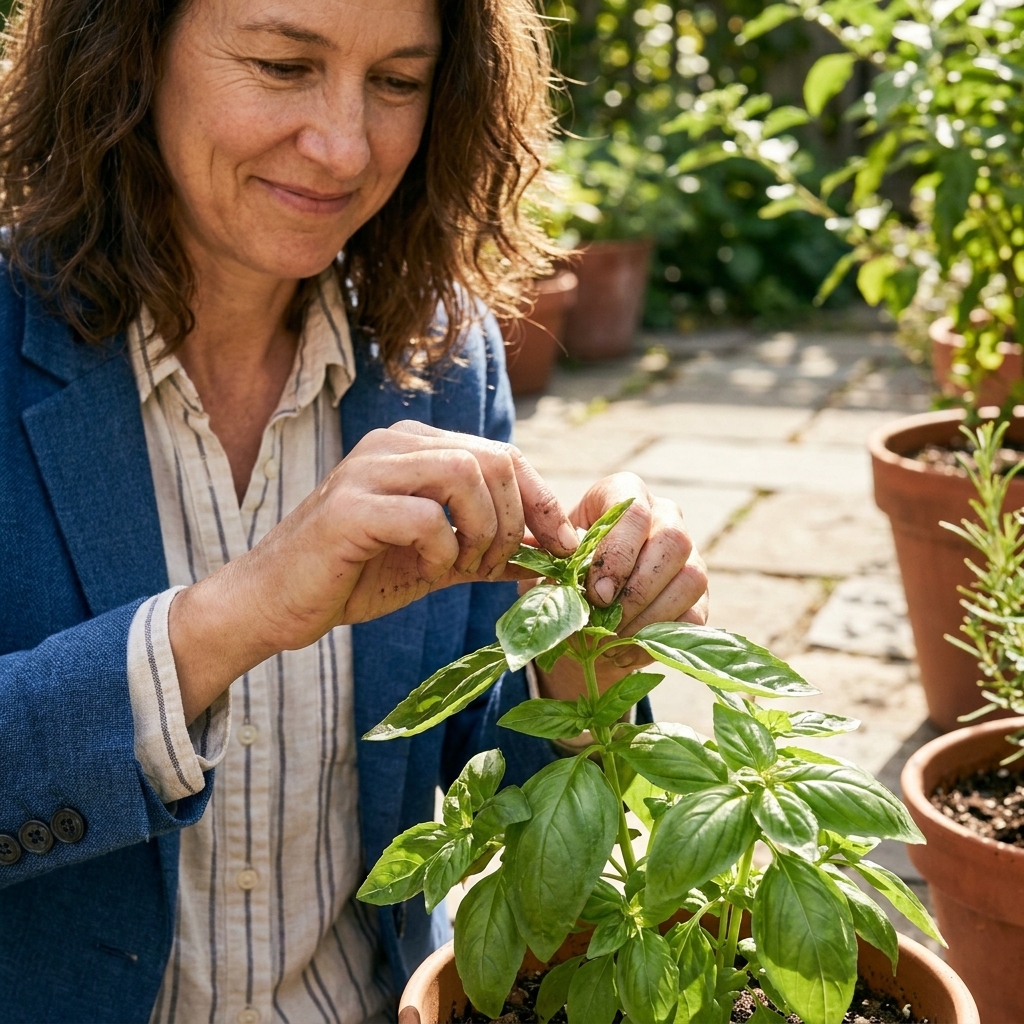
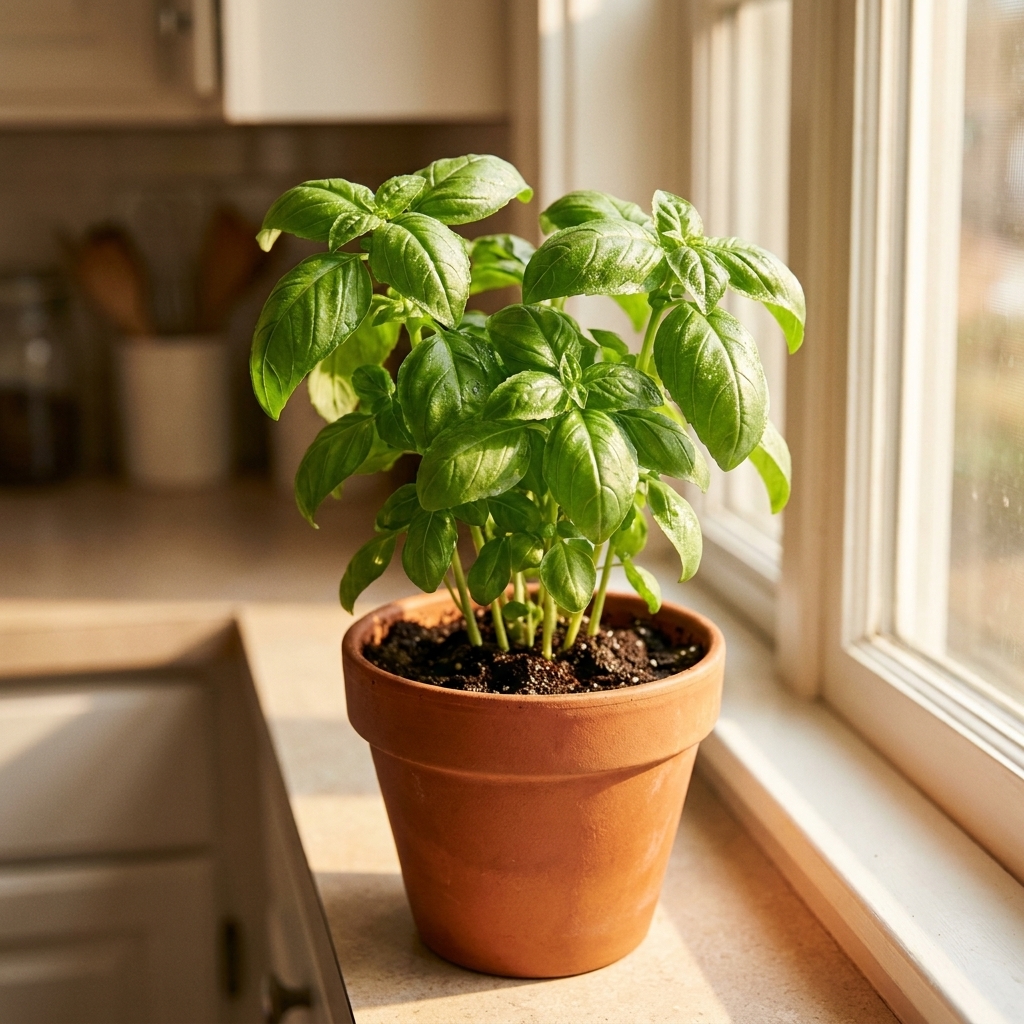
- Basil
- Parsley
- Cilantro
- Dill
- Chives
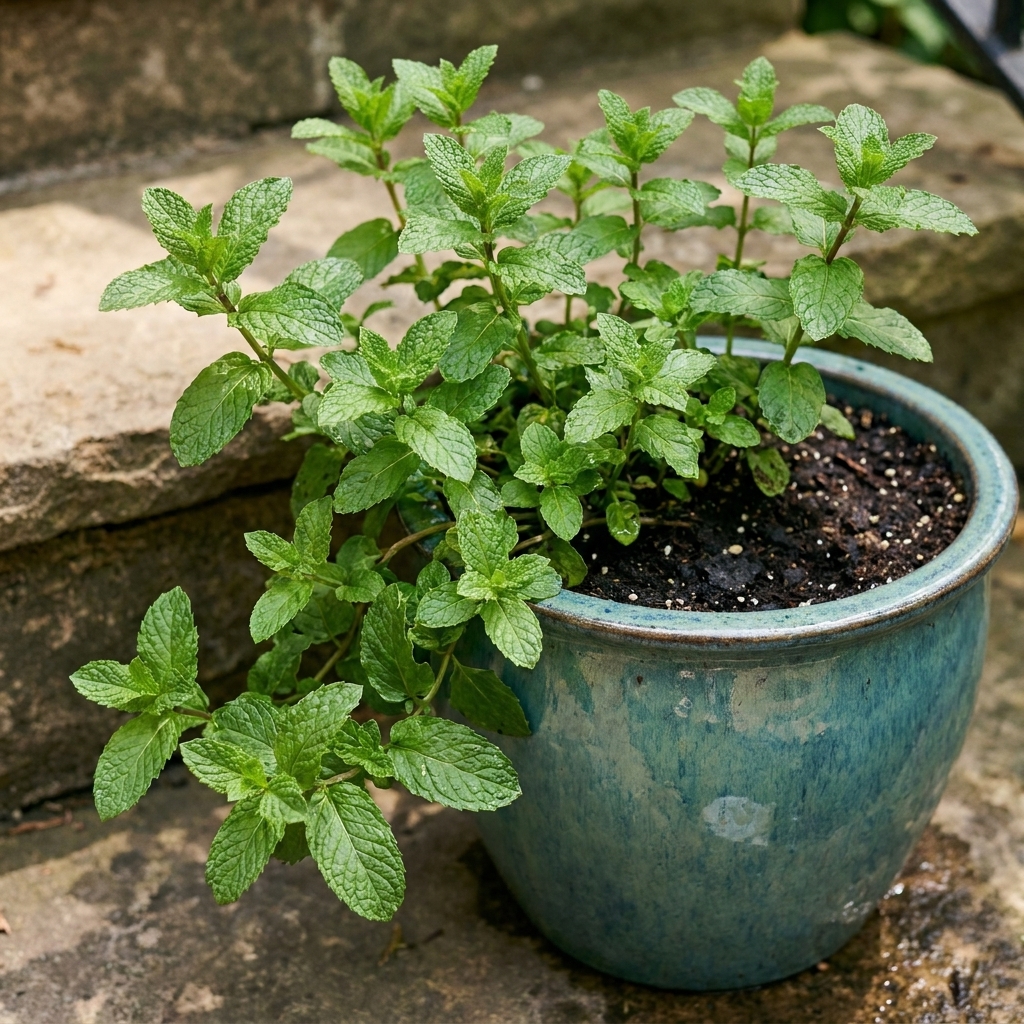
- Mint
- Lemon balm
- Tarragon
- Chervil
A quick reality check for cilantro, dill, and chervil: consistent moisture helps, but heat is usually the bigger driver of summer decline and bolting. Think of watering as stress reduction, not a magic shield.
Watering rule of thumb
Water when the top inch is dry, and aim for evenly moist soil. You are not trying to keep the pot soggy. You are trying to prevent the plant from ever reaching that dramatic wilt stage.
How to water without drowning them
- Water at the base until you see drainage, then let the pot drain fully.
- Empty saucers after 10 to 15 minutes. Herbs can sit in a saucer of water long enough to rot, especially indoors.
- In hot weather, check daily. Fast-growing herbs can drink a lot when days are long and bright.
Soil that holds moisture
Use a standard potting mix, and consider adding a little compost for water retention and nutrients. The key is still drainage holes and a pot that is not undersized. Tiny pots dry out too fast, and that forces you into constant watering.
One nuance: French tarragon likes even moisture, but it hates sitting in cold, waterlogged soil. If you garden in a cool, wet climate, prioritize drainage and do not let it stay soggy, especially in shoulder seasons.
Dry-out warning signs
- Limp leaves that perk up within an hour of watering
- Leaf edges turning brown and crispy
- Soil pulling away from the pot edges
- Parsley and cilantro bolting faster after repeated stress
Root rot traps
Root rot is not just about water quantity. It is about oxygen. Roots need air pockets in the soil, and several common setups suffocate them.
Trap 1: No drainage hole
If the pot cannot drain, it is not a plant pot, it is a vase. Use a pot with a hole, or keep the herb in its nursery pot and set that inside a decorative cover pot, removing it to water and drain.
Trap 2: Oversized pots for Mediterranean herbs
A rosemary in a huge pot can stay wet for days because the root ball is small relative to the soil volume. Size up gradually as the plant grows.
Trap 3: Dense soil mixes
Bagged potting mix that is very peat-heavy can hold too much water, especially indoors where evaporation is slow. Add perlite or pumice to open it up.
Trap 4: Low light indoors
In winter windows, herbs use less water. Many people keep watering at summer speed and the soil never dries. When light is lower, always stretch the time between waterings, especially for Mediterranean herbs.
Different setups
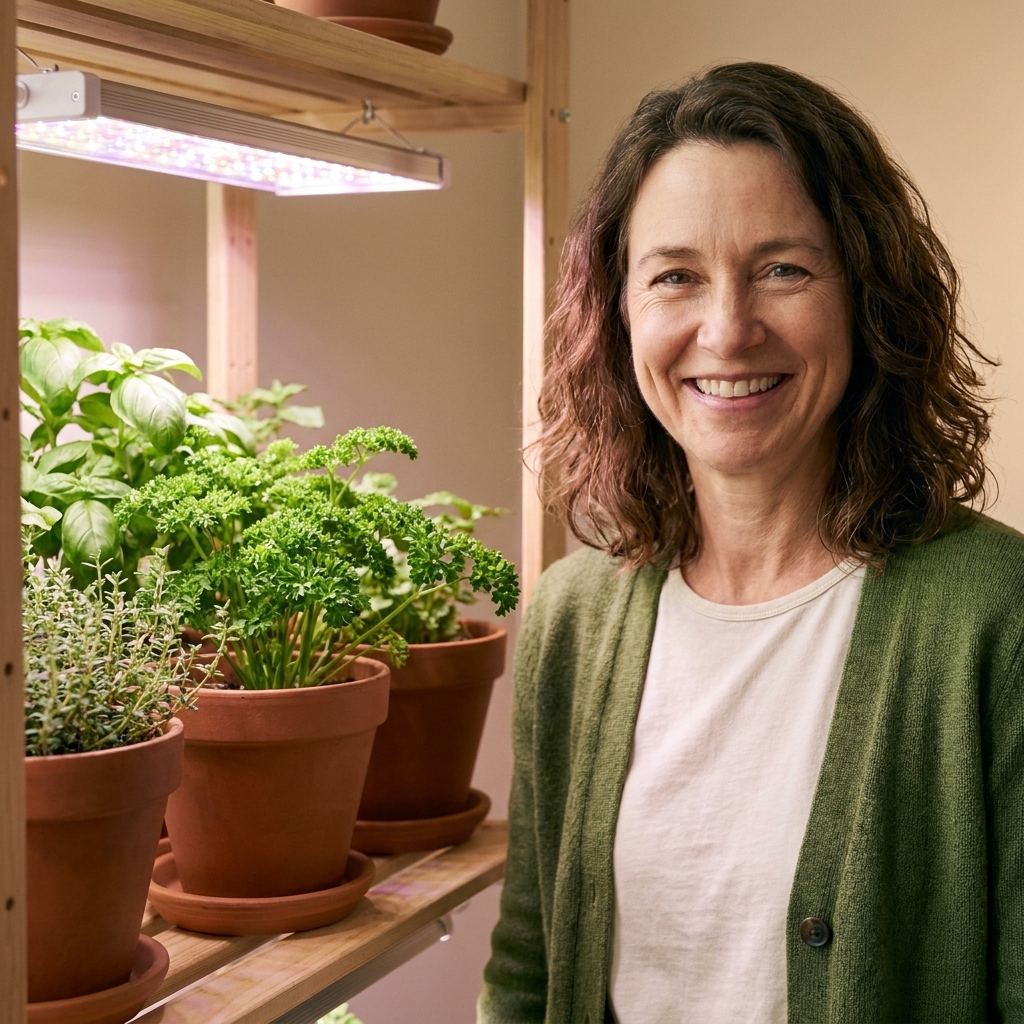
Indoor windowsill herbs
- Expect slower drying. Homes are often cooler and less breezy than outdoors.
- Morning watering can help. It gives pots more time to dry a bit before cooler nighttime conditions, which matters most when light is low and evaporation is slow.
- Do not mist as a watering substitute. Misting barely hydrates roots and can encourage mildew on crowded leaves.
- Watch for heating vents. In winter, forced air can dry small pots quickly, so check moisture more often even though light is lower.
Outdoor containers
- Wind and sun dry pots fast. Even drought-tolerant herbs may need more frequent watering in heat waves.
- Terracotta dries faster than plastic. This is great for rosemary and lavender, but it can mean daily watering for basil in midsummer.
- Cool rainy spells change everything. If a week turns cloudy and wet, stretch your watering intervals and let the soil do its job.
Raised beds and in-ground herbs
- Mediterranean herbs: Plant them in the best-draining spot you have. A slight mound helps. Once established, they often need surprisingly little water.
- Moisture-lovers: Beds hold water more evenly, which they love. Mulch lightly to keep roots cool and reduce evaporation.
My two-zone trick
If you only take one practical thing from this article, let it be this: do not mix dry-lovers and moisture-lovers in the same pot.
I used to tuck basil under rosemary because it looked cute and saved space. The rosemary sulked, the basil sulked, and I watered myself into a corner.
Instead, make two zones:
- Dry zone: rosemary, thyme, oregano, sage, lavender in gritty mix and breathable pots.
- Moist zone: basil, parsley, cilantro, chives, dill, mint in richer mix that stays evenly damp.
One more container tip that saves headaches: mint is happiest in its own pot. It spreads aggressively, and it will happily take over if you give it an opening.
FAQ
How often should I water rosemary or thyme?
Instead of a schedule, water when the pot is mostly dry. In summer outdoors that could be every 4 to 10 days depending on pot size, heat, and wind. Indoors in winter it might be every 10 to 21 days. Always confirm with a finger or skewer test.
Why does my basil wilt even when the soil is wet?
Two common causes are root stress from poor drainage (waterlogged roots cannot take up water) or heat stress during hot afternoons. Check that your pot drains freely, empty the saucer, and give basil morning sun with a little afternoon shade in extreme heat.
Is bottom-watering good for herbs?
It can be, especially for moisture-lovers like basil and parsley. Set the pot in a shallow tray for 10 to 20 minutes, then remove and let it drain. I avoid bottom-watering Mediterranean herbs too often because it can keep the lower soil wet longer than they prefer.
Can I use a moisture meter?
Yes, especially if you are new to containers. Use it as a learning tool, not a substitute for looking at the plant and feeling the soil. Meters are most helpful for deeper pots where your finger cannot reach the root zone.
How does fertilizing affect watering problems?
Overfertilizing can mimic watering issues by burning roots and causing limp, unhappy growth. On the flip side, frequent deep watering can leach nutrients from pots. If you are watering correctly but growth looks pale or stalled, a light, regular feeding during active growth can help. If you suspect fertilizer burn, flush the pot with water and pause feeding.
What is the fastest way to prevent root rot?
Use a pot with a drainage hole, match the soil to the herb group, and do not water until the plant and soil agree it is time. If the soil is damp, wait, even if it has been “a few days.”
Simple takeaway
Dry-lovers want a soak and a rest. Moisture-lovers want a steady sip.
Once you start watering by herb group, you will notice something lovely: the plants stop being mysterious. They become predictable, and predictable is what keeps herbs thriving on a busy weeknight when you just want a handful of something green for dinner.