Hi, I’m Amelia Higgins, and I’m so glad you’re here.
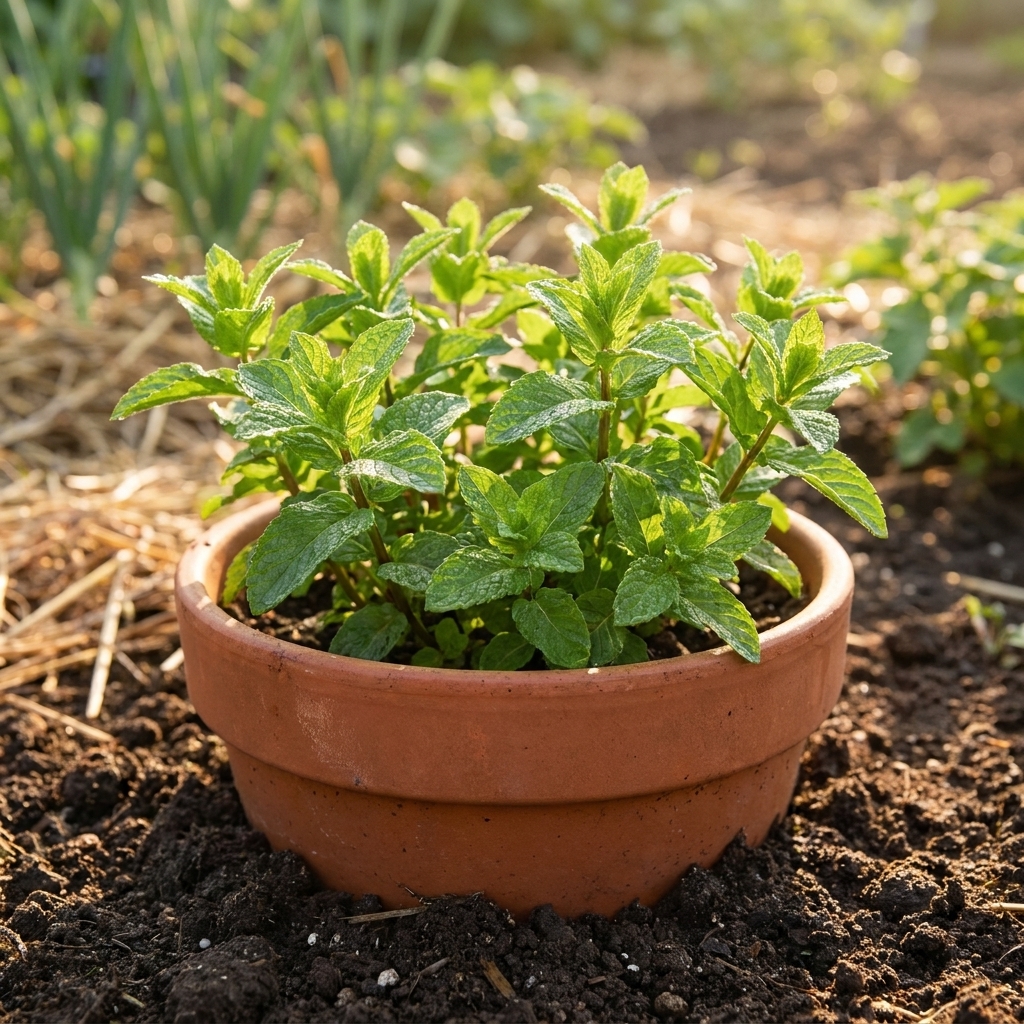
Herb Nesting is my little corner of the web for anyone who wants to grow culinary herbs and actually use them. Not in a fussy, perfect-magazine way, but in the real-life way where basil gets a little sunburned, mint tries to take over the world, and you still end up with dinner that tastes brighter because you snipped something fresh five minutes before eating.
How I got into herbs
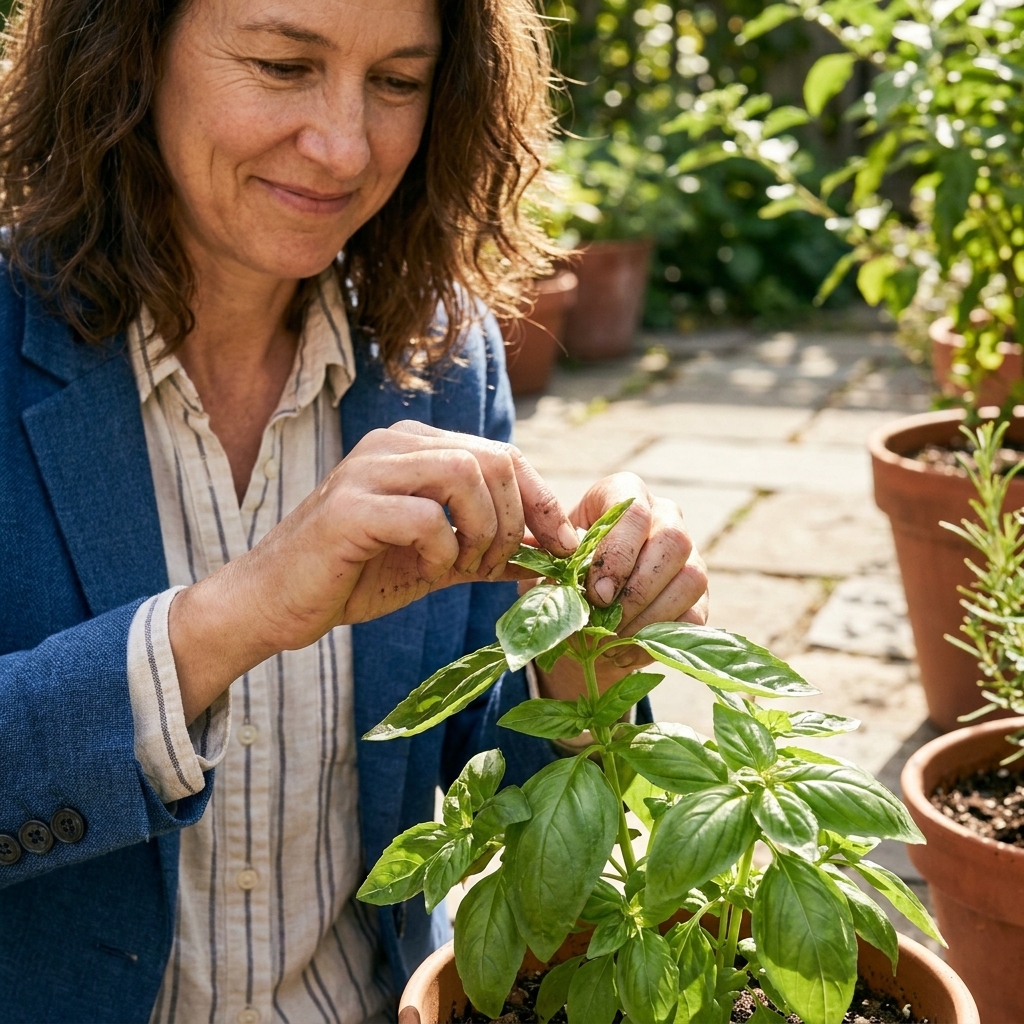
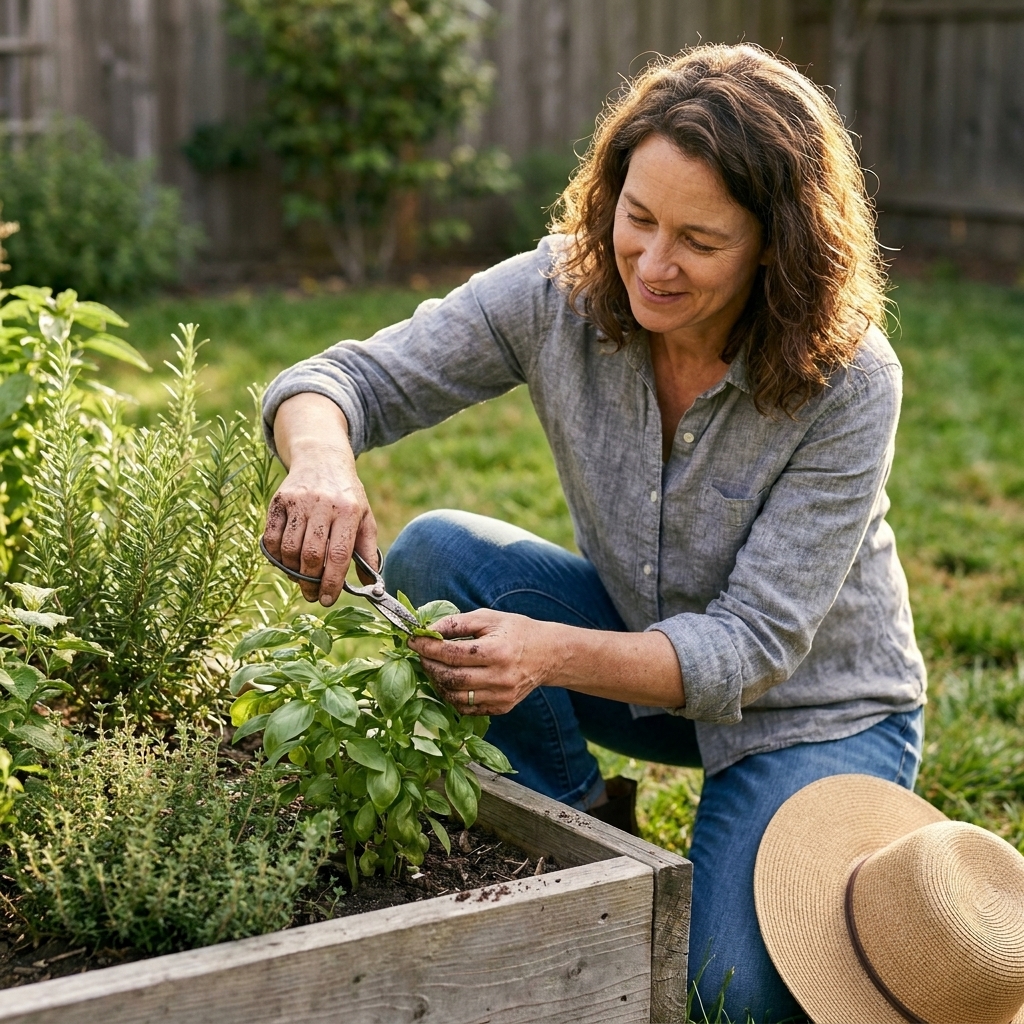
My first gardening lessons were quiet and ordinary, which is exactly why they stuck. I grew up helping my grandmother in her summer garden, where the air smelled like warm soil and sun-warmed leaves. She taught me to pinch back basil so it would bush out instead of stretching tall and lanky. We harvested lavender toward the end of summer, when the buds were full and fragrant, and carried bundles inside like we were bringing home a piece of sunshine.
That early rhythm never really left me. Even when I moved into apartments and didn’t have a yard, I kept chasing that feeling with whatever space I had. I learned how to squeeze a whole herb garden onto a windowsill, how to rotate pots so everyone got a fair share of light, and how to accept that sometimes the “best” spot is simply the one you already have.
What Herb Nesting is for
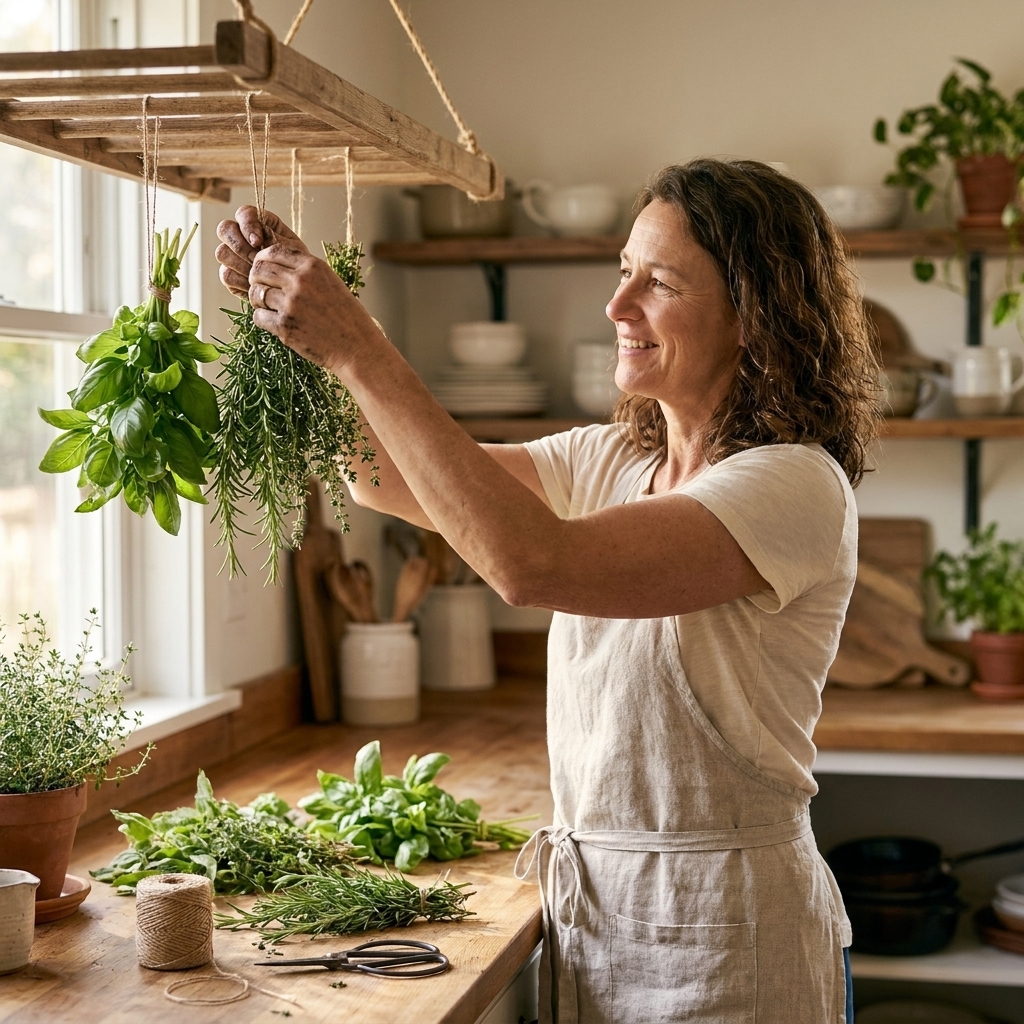
Herb Nesting exists because I believe herbs are one of the simplest ways to make a home feel more alive. A pot of rosemary by the door. A jar of dried oregano you made yourself. A handful of chives that turns scrambled eggs into something you actually want to eat.
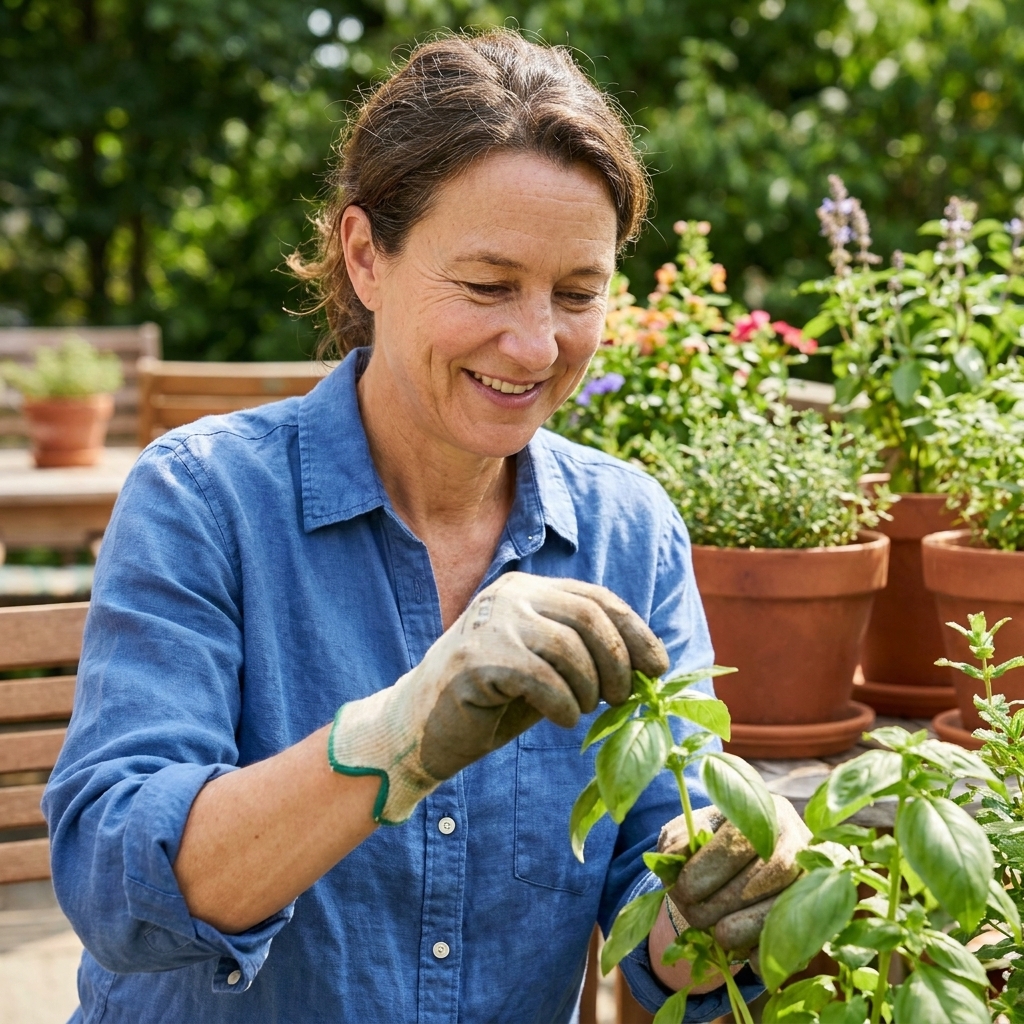
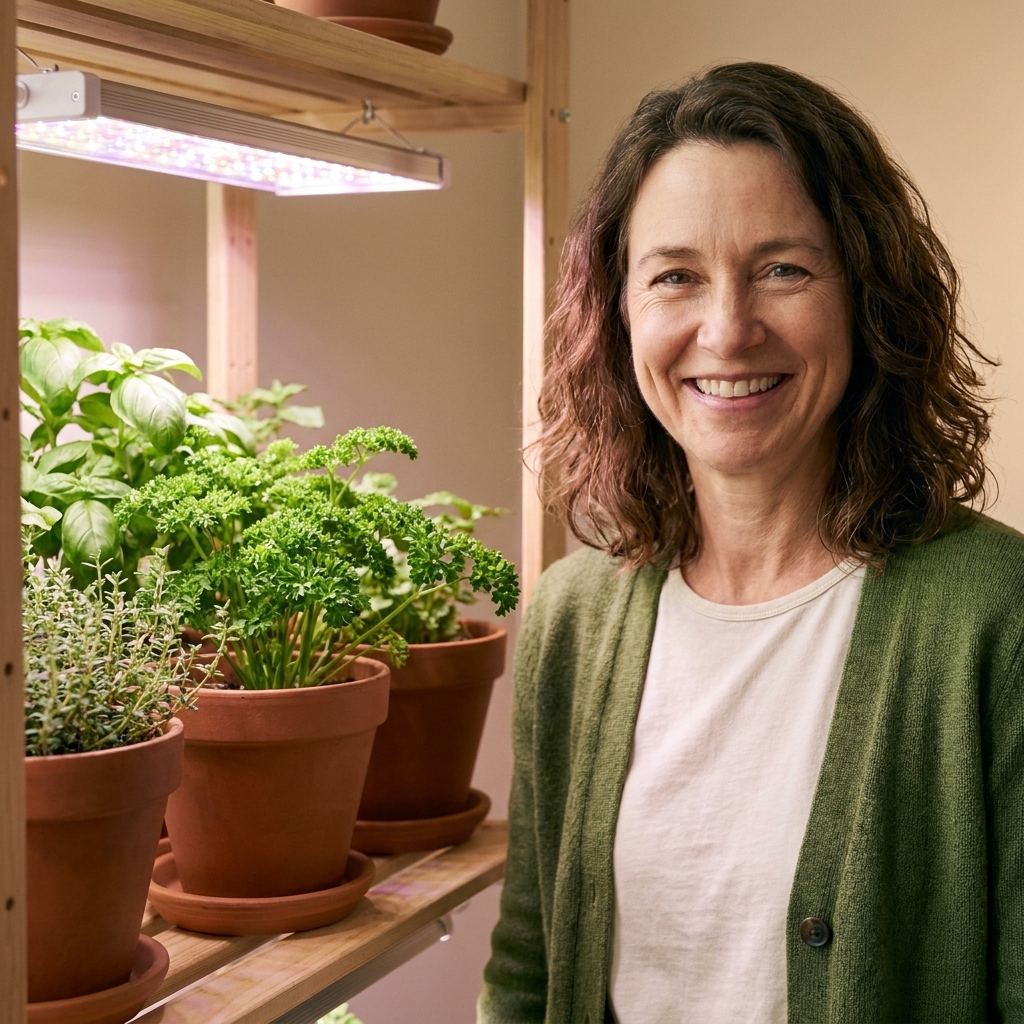
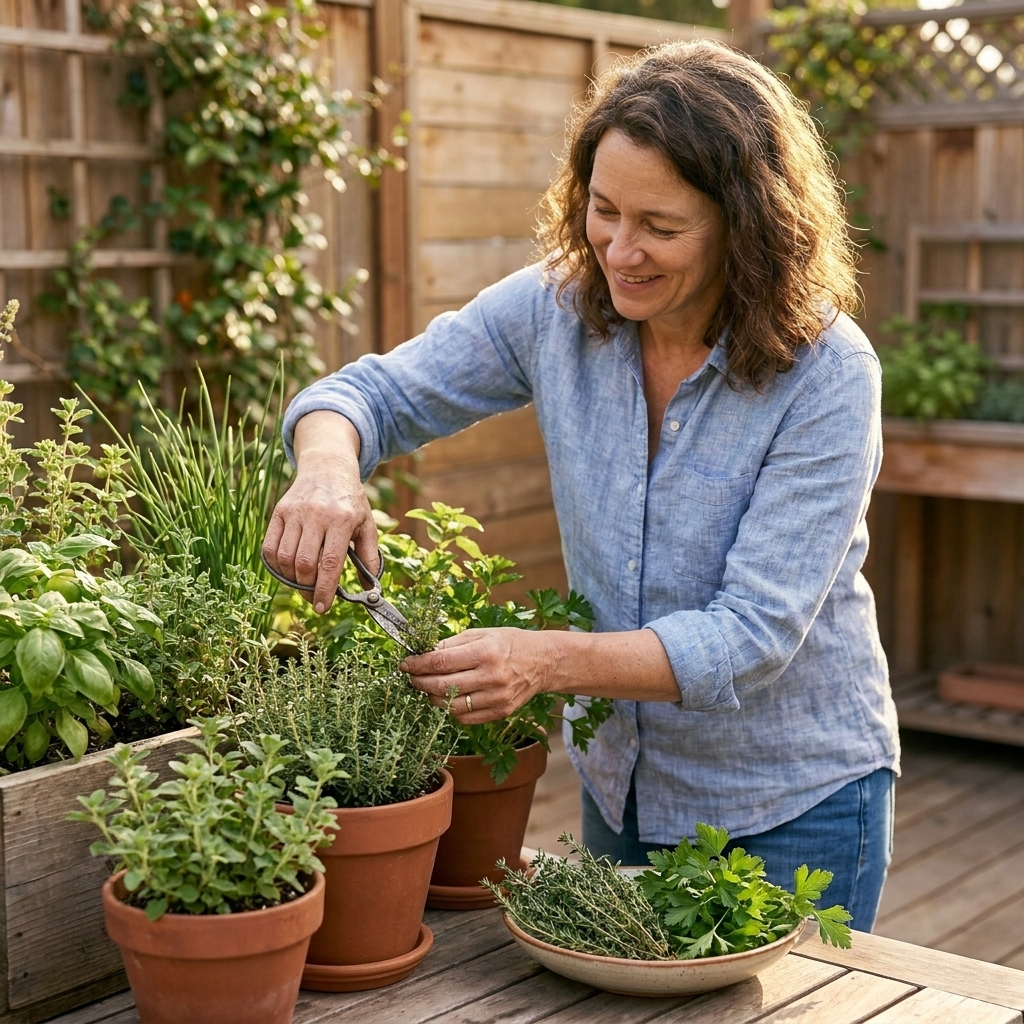
This space is for apartment growers making the most of a sunny window, a balcony, or a single shelf under a grow light. It’s for backyard gardeners who want to tuck herbs into raised beds, containers, and those odd empty corners that get good light. It’s for everyday cooks who want herbs to feel practical, not precious. And it’s for beginners who keep hearing they have a black thumb and are ready to prove that wrong.
If you’re nervous about starting, I get it. Some homes are bright, some are dim, some windows face a brick wall, and some schedules are chaotic. But I’ve learned that most people can find at least one herb that fits their space, their light, and their routine, especially with a little experimenting.
My approach
I’m not formally trained, and I don’t try to sound like a textbook. Everything I share here comes from years of trial, error, and paying close attention. I’ve lost seedlings to surprise cold snaps, overwatered pots because I “just wanted to help,” and learned the hard way that some herbs thrive on a little benign neglect.
Herb Nesting is built around the full lifecycle of herbs, because that is where the confidence comes from:
- Planting: simple starts from seed or nursery pots, plus what to do when something looks off.
- Growing: sunlight, watering, feeding, and the tiny adjustments that make a big difference.
- Pruning and harvesting: how to snip in a way that gives you more herbs, not fewer.
- Preserving: drying, freezing, and storing so your effort lasts past the growing season.
- Cooking: how to use what you grew without overthinking it.
What you’ll find here
When you click around, expect posts that feel like a friend talking you through it. I’ll share what works for me, what didn’t, and what I’d do differently next time.
Along with herb-by-herb care guides, I share things like troubleshooting posts for droopy leaves and stubborn seedlings, simple seasonal checklists, and low-effort ways to use what you’re growing. You’ll also see plenty of indoor setups, because “low light” is real life. Most culinary herbs still want bright light, but you can absolutely make it work with your sunniest window, a balcony, or a basic grow light when you need one.
One note before we get too cozy: your climate matters. A tip that works beautifully in a dry, sunny yard can behave differently in a humid apartment or a cool coastal garden. I’ll always tell you what I’m doing, and I’ll also help you adjust based on your season and your space.
Start here
If you’re not sure where to begin, here are a few good next steps:
- Pick your first herbs: start with something easy and useful, like basil, chives, mint (in its own pot), or parsley.
- Set up your light: find your brightest spot and commit to it, even if it is just one windowsill.
- Learn one harvest habit: a quick snip once or twice a week goes further than a big “someday” harvest.
- Preserve one small batch: dry a bundle or freeze a handful, just to prove to yourself you can make it last.
Welcome
If you’re here because you want fresh flavor within arm’s reach, you’re in the right place. If you’re here because you tried once and it didn’t work, you’re especially in the right place. Herbs are generous teachers, and the wins can come quickly once you match the plant to your light and your routine. Some herbs are easygoing right away, and some take a little dialing in, especially indoors.
Make yourself at home. Start small. Ask questions. And if something doesn’t go right, we’ll troubleshoot it together and try again.
Welcome to Herb Nesting.