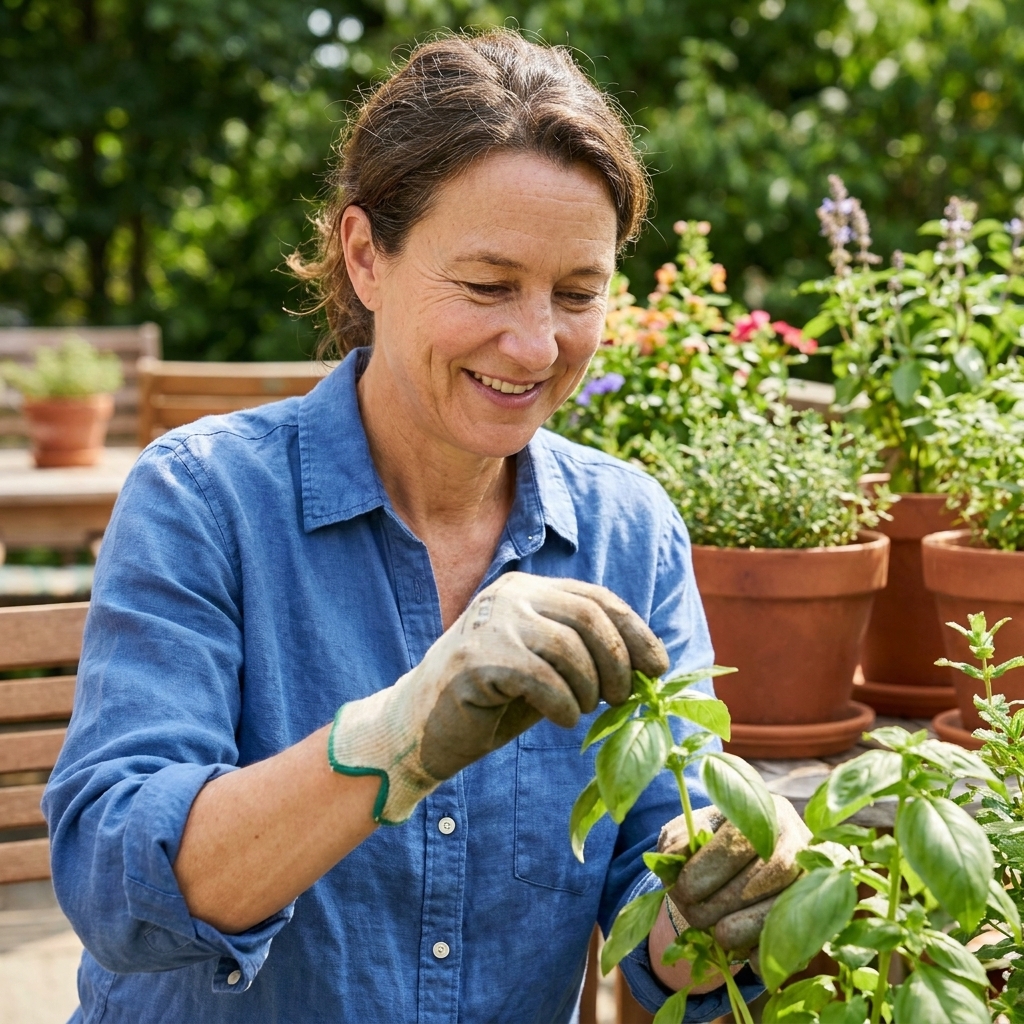
There is a moment every herb grower hits, usually right when the basil is lush and the dill is towering, where you think: I could make pesto for the whole neighborhood. And you can. The trick is harvesting in a way that keeps your plant alive, balanced, and ready to push out fresh growth again.
My favorite guideline is what I call the Rule of Thirds. It is simple enough to remember with garden hands full of leaves, but sturdy enough to prevent the most common “I harvested yesterday and now my plant looks sad” problem.
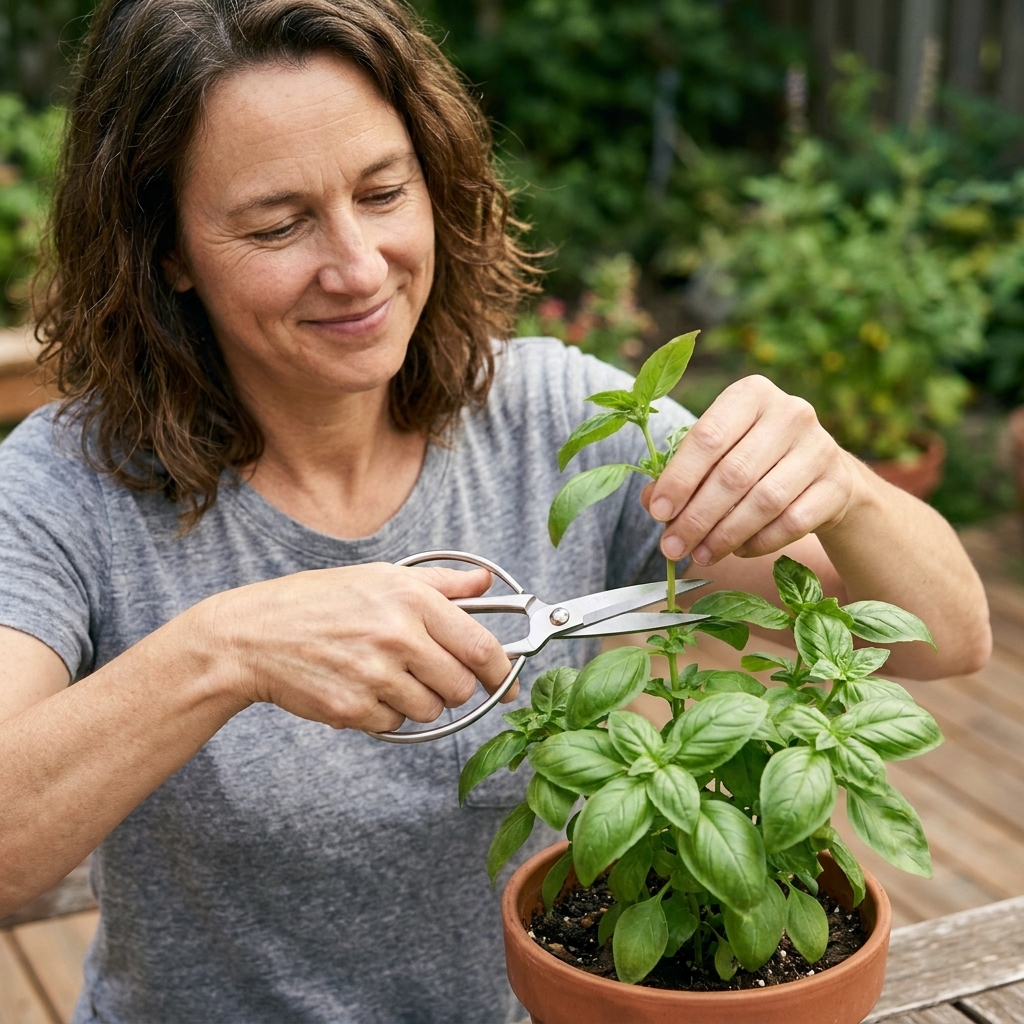
What the Rule of Thirds means
As a rule of thumb, in one harvest remove no more than one third of the plant’s leafy growth. That boundary usually leaves enough leaf area for photosynthesis so the plant can recover and keep producing.
Think of leaves as the plant’s solar panels. If you take too many at once, the plant runs low on energy right when it needs energy to regrow.
Why one third works
- Reliable rebound: Many tender, fast-growing herbs can bounce back within 7 to 14 days in warm, bright conditions. Woody herbs like rosemary, sage, and thyme often take longer.
- Less stress: Moderate harvesting is gentler than a full haircut, which can help plants stay vigorous. It does not prevent bolting on its own, but it can reduce stress that sometimes adds fuel to the fire.
- Better texture over time: Regular, moderate harvesting often keeps growth tender, especially for basil, mint, and oregano.
How to eyeball one third
You do not need to measure. Use a few quick checks:
- The handful check: Take what you think you need, then look at the plant. If it looks noticeably thinned but still full, you are usually in the one-third zone.
- The canopy check: If your herb has a clear “top” (basil, mint, oregano), imagine the plant divided into three layers. Harvest mostly from the top layer, with a few strategic cuts lower down.
- The stem count check: On plants with distinct stems (basil, thyme sprigs, rosemary stems), harvest up to one third of the stems, not one third of the leaves from every stem.
If you accidentally go a little past one third once, it is not the end of the world. Just baby the plant afterward and give it a longer rest before the next harvest.
Where to cut for regrowth
The Rule of Thirds is about quantity. Your cut location is about regrowth. Many herbs respond best when you cut in a way that encourages branching.
Look for nodes
A node is where leaves attach to the stem. On basil and mint especially, nodes are little growth engines.
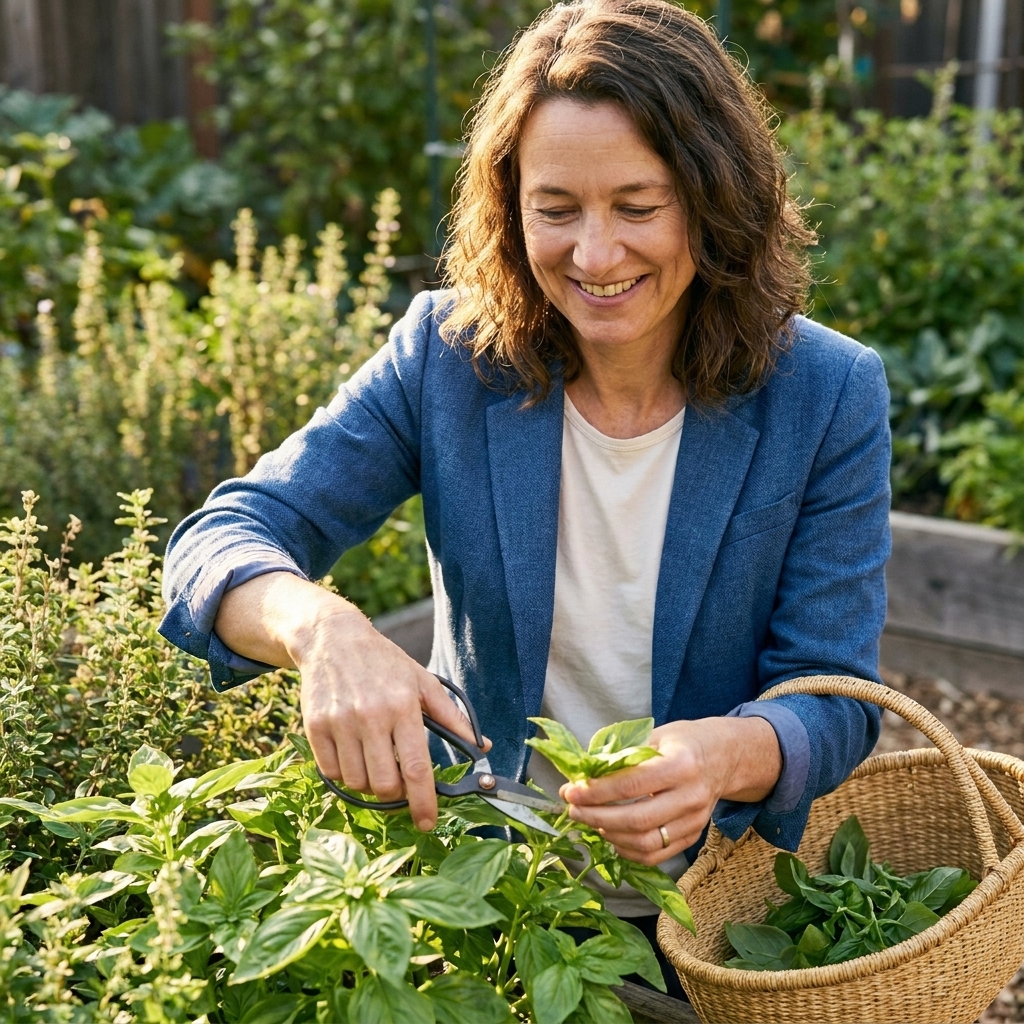
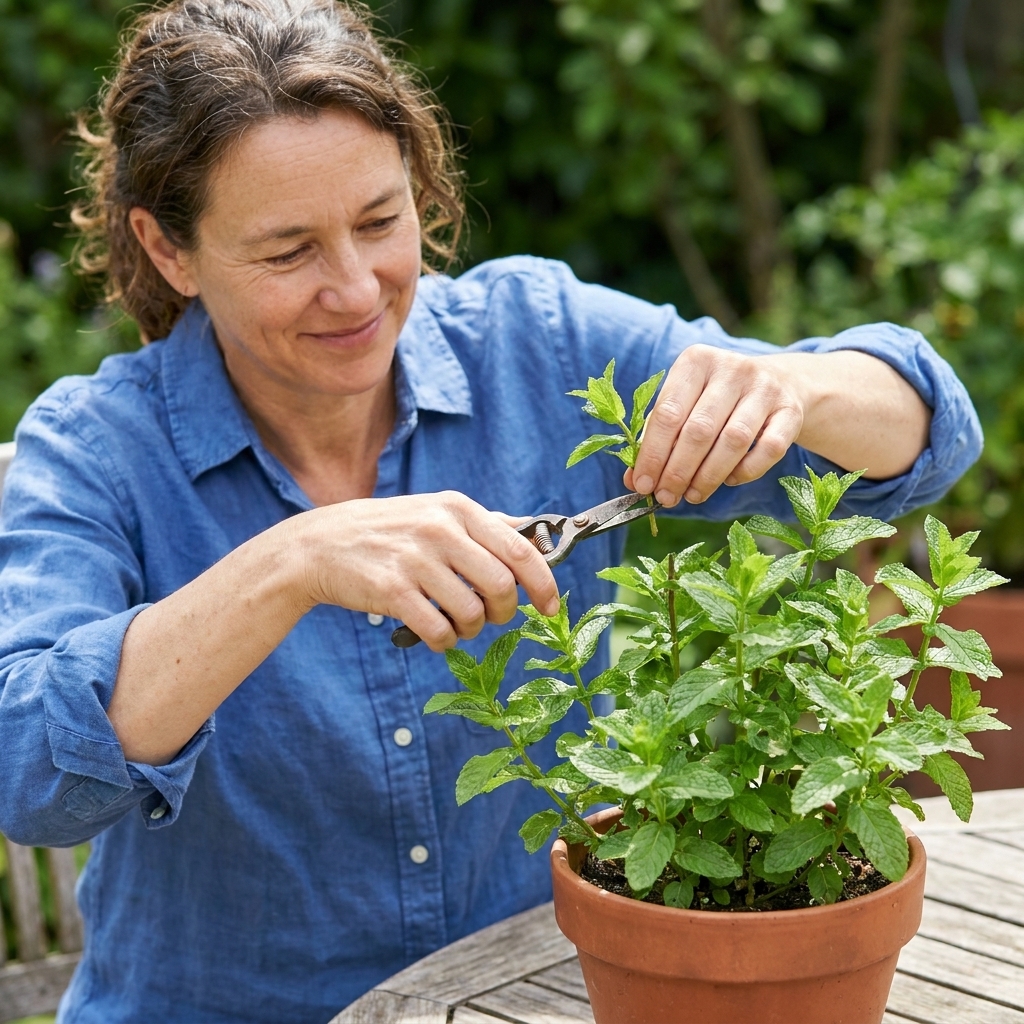
- For basil and mint: Cut just above a node where two leaves (or two side shoots) are growing. This tells the plant to branch into two new stems.
- For oregano and marjoram: Snip stems back by a few inches, again aiming for a cut just above a leaf set.
- For rosemary and thyme: Cut sprigs from the outer growth, but avoid cutting deep into leafless, woody sections, which are slower to resprout.
When to harvest more
There are a few situations where you can take a heavier harvest safely, but only if the plant has the strength to handle it.
1) End-of-season harvests
If frost is coming and your annual basil is going to die anyway, you can harvest aggressively. I still prefer to leave some leaves for a few days to keep growing a bit longer and to carry the plant through the last warm stretch, but this is the time for big pesto energy.
2) Hard-pruning some perennials
Some perennials handle a stronger cutback at the right time, especially if they are established and healthy.
- Mint: Can be cut back hard midseason if it is thriving, but it will need consistent watering to rebound.
- Chives: Can be cut down to a few inches above the soil, then allowed to regrow.
Even then, if you are harvesting for preservation, I prefer two medium harvests spaced a week or two apart instead of one major haircut. The quality is often better, too.
Herb-by-herb guide
Different herbs respond differently to big harvests. Use the Rule of Thirds as your default, then follow the plant’s personality and your growing conditions.
| Herb | How much to harvest at once | Best cutting approach |
|---|---|---|
| Basil | Up to 1/3 (sometimes closer to 1/2 if very bushy and growing fast) | Snip stems above a node to encourage branching |
| Mint | Up to 1/3 (can tolerate more when vigorous) | Cut stems above leaf pairs, thin crowded patches |
| Parsley | Up to 1/3 | Harvest outer stems at the base, leave inner crown |
| Cilantro | Up to 1/3 | Cut outer stems low, expect bolting in heat or long days |
| Dill | Up to 1/3 | Cut whole outer stems or frondy sprigs, avoid repeatedly stripping the same stem bare |
| Thyme | Up to 1/3 | Clip soft tips, avoid woody interior cuts |
| Rosemary | Up to 1/4 to 1/3 | Take green stems, avoid cutting into old wood |
| Sage | Up to 1/3 | Pick mature leaves or cut soft stems, do not scalp |
| Chives | Up to 1/2 (or a full cutback occasionally) | Snip leaves a couple inches above the soil |
Harvesting for preserving
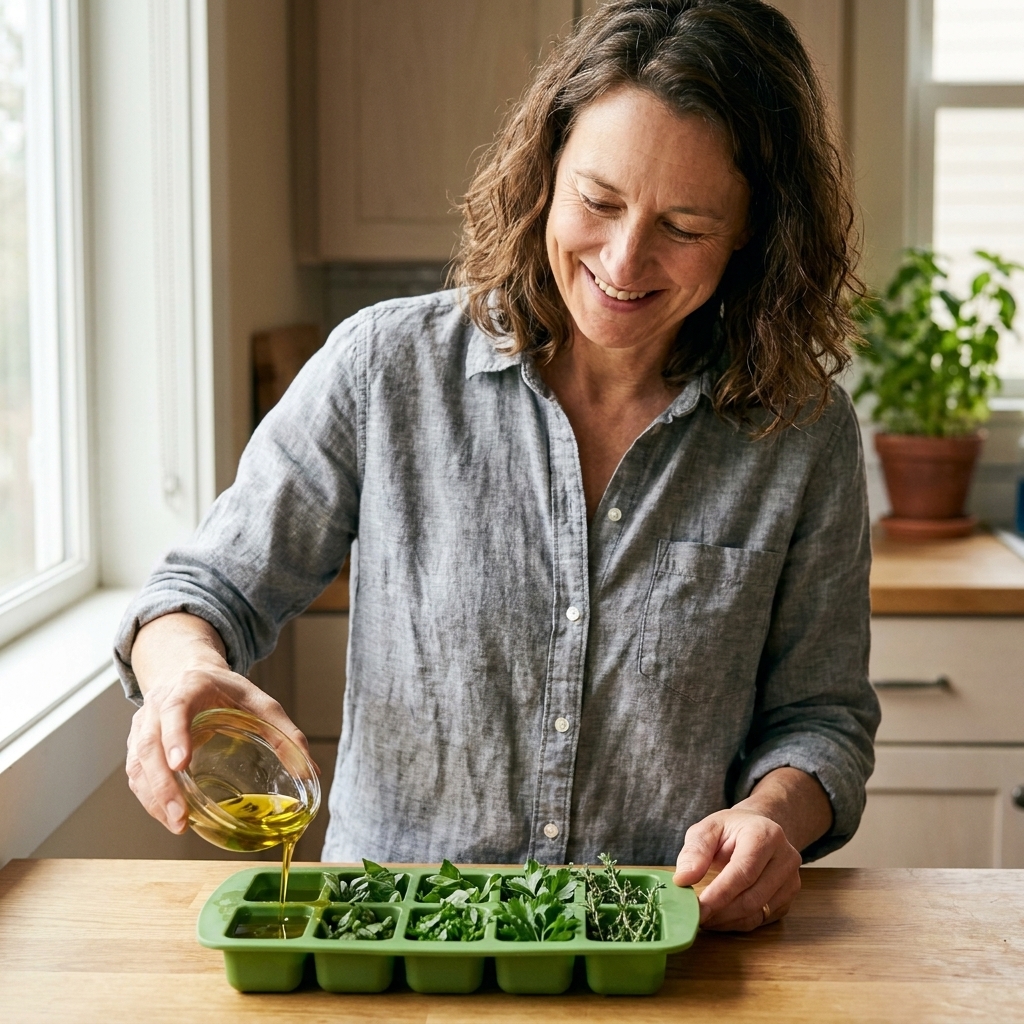
If you are harvesting for drying, freezing, infused oils, or big-batch cooking, the temptation is to strip the plant fast. Here is how to get a large yield without taking it all in one go.
Use a two-stage harvest
- Stage 1: Harvest up to one third today.
- Recovery window: Give the plant 7 to 14 days with good light, steady moisture, and a little nutrition. If you are growing indoors, plan on a longer recovery since growth is usually slower.
- Stage 2: Harvest up to one third again.
Two harvests often equal or beat one aggressive harvest, and the plant stays attractive and productive.
Harvest early, then preserve fast
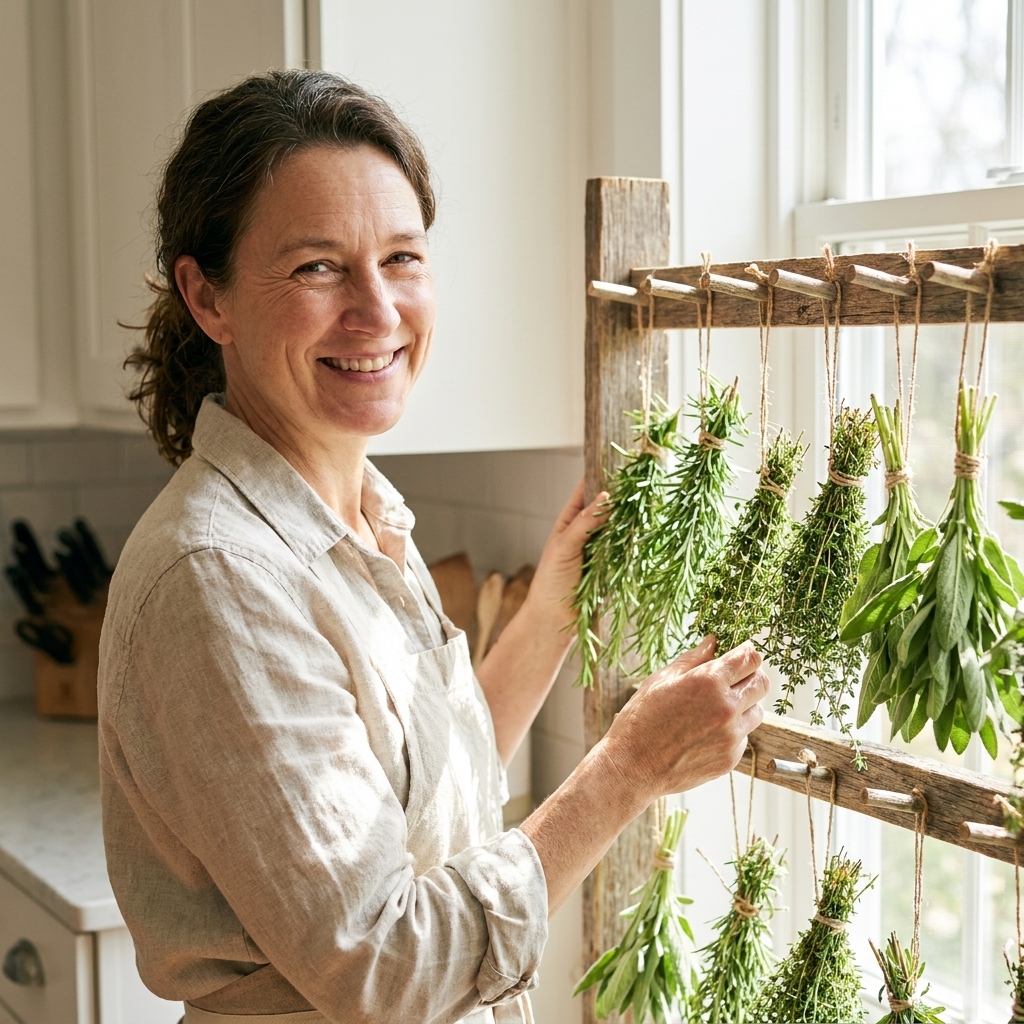
For the best flavor, harvest in the cool of the morning after dew has dried. Bring herbs inside, rinse only if needed, and dry thoroughly before drying or freezing. Dry leaves help prevent mold during drying and reduce clumping and excess ice buildup when freezing.
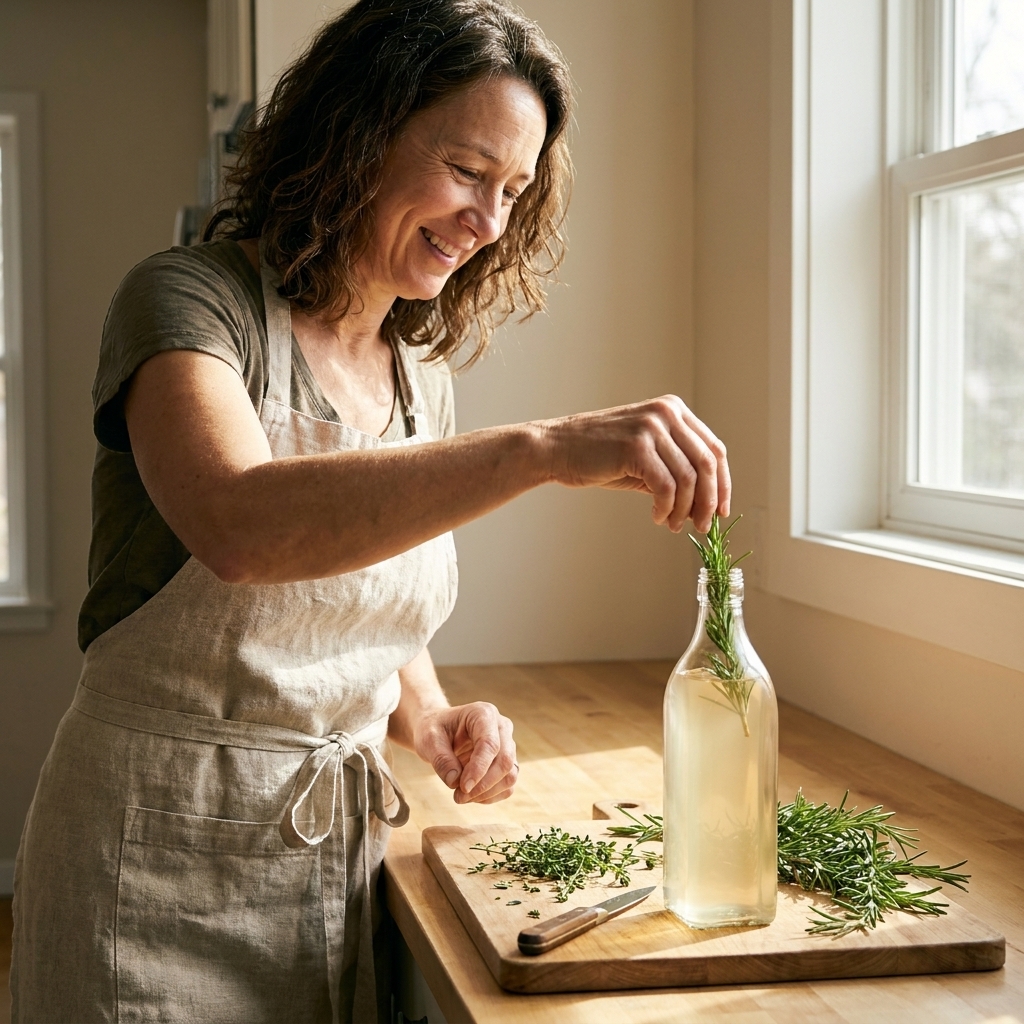
If you are making infused oils, be careful with storage. Keep herb oils refrigerated and use quickly, or freeze in small portions, and follow tested food-safety guidance for infused oils.
Signs you took too much
Plants are forgiving, but they also communicate. If you notice these after harvesting, slow down next time and focus on recovery.
- Yellowing leaves across the plant, not just a couple old leaves
- Wilting that does not improve after watering and shade
- Stalled growth for more than two weeks during active growing weather
- Sunscald on suddenly exposed inner leaves, especially on outdoor container plants
- Bolting soon after a heavy cut on herbs prone to it, especially in heat or long days
Aftercare basics
A big harvest is like a haircut and a workout on the same day. A little aftercare helps your herb plant recover quickly.
Water deeply, then let the top dry slightly
Right after harvesting, give a thorough watering. After that, aim for consistent moisture, not soggy soil. Many “post-harvest meltdowns” are really water stress, either too dry from heat or too wet from overcompensating.
Give it light, avoid harsh midday shock
If you thinned a plant heavily, its inner leaves may not be used to full sun. For outdoor pots, a day or two of morning sun and afternoon shade can prevent scorch.
Feed lightly
If your herb is in a container and you are harvesting often, a light feeding helps. I like a diluted fish emulsion or a balanced liquid fertilizer at half strength. Avoid heavy nitrogen doses, which can push watery growth and can reduce flavor in some herbs.
Pinch flowers when it makes sense
For leafy herbs like basil, mint, and oregano, pinching off flower buds keeps energy focused on leaves. For herbs you grow for seeds or blooms, like dill or coriander seed, let them flower when you are ready for that stage.
Common harvesting mistakes
- Stripping leaves off a stem instead of cutting the stem back to a node (common with basil and mint)
- Cutting rosemary or thyme into bare wood where there are no leaves, which slows or prevents regrowth
- Harvesting a stressed plant (heat wave, drought, pest pressure). Stabilize it first, harvest later.
- Taking only the newest tiny growth and leaving tough older stems. Harvesting should encourage fresh growth, not remove it.
- Harvesting at the hottest part of the day, when leaves are already stressed and wilt faster
Quick harvest plans
Basil (big pesto harvest)
- Pick 4 to 8 sturdy stems from the top third of the plant.
- Cut each stem just above a node with two leaves.
- Step back and make sure the plant still looks leafy and balanced.
- Pinch any flower buds you see.
Parsley (steady picking)
- Harvest the outer stems first.
- Cut at the base, near the soil, instead of plucking individual leaflets.
- Leave the inner crown alone so it can keep sending up new stems.
Rosemary (lots of sprigs, still a happy shrub)
- Take green, flexible tips from the outside of the plant.
- Aim for a mix of areas so you do not create a bald spot.
- Stop before you reach about one third of the overall foliage, and expect a slower rebound than tender herbs.
FAQ
Can I harvest more than one third if my herb is huge?
If it is a very bushy, fast-growing herb like basil or mint in peak summer, you can sometimes take closer to half without lasting damage. One third is the safest guideline across most conditions, especially in containers or indoors where plants grow slower and dry out faster.
How often can I harvest using the Rule of Thirds?
In active growing conditions, many herbs tolerate a one-third harvest every 1 to 2 weeks. If growth slows, stretch the interval. Tender herbs usually cycle faster than woody perennials, and indoor plants often need more time.
What if my plant is leggy and I want to cut it back hard?
Leggy basil and mint often benefit from a more intentional pruning cut, but do it in stages if possible. Cut back by about one third, let it branch and leaf out, then cut again a week or two later.
Is it better to pick leaves or cut stems?
For herbs that branch (basil, mint, oregano), cutting stems above a node usually produces a stronger, bushier plant than leaf-picking. For parsley and cilantro, harvesting whole outer stems works best.
A gentle rule that builds confidence
The funny thing about the Rule of Thirds is that it makes you more confident, not more cautious. Once you trust that boundary, you can harvest generously for drying racks, freezer cubes, and weeknight cooking, while your plants keep quietly building the next round of flavor.
If you want a simple mantra to carry into the garden, it is this: take about a third, cut above a node, then let the plant rest and rebound.