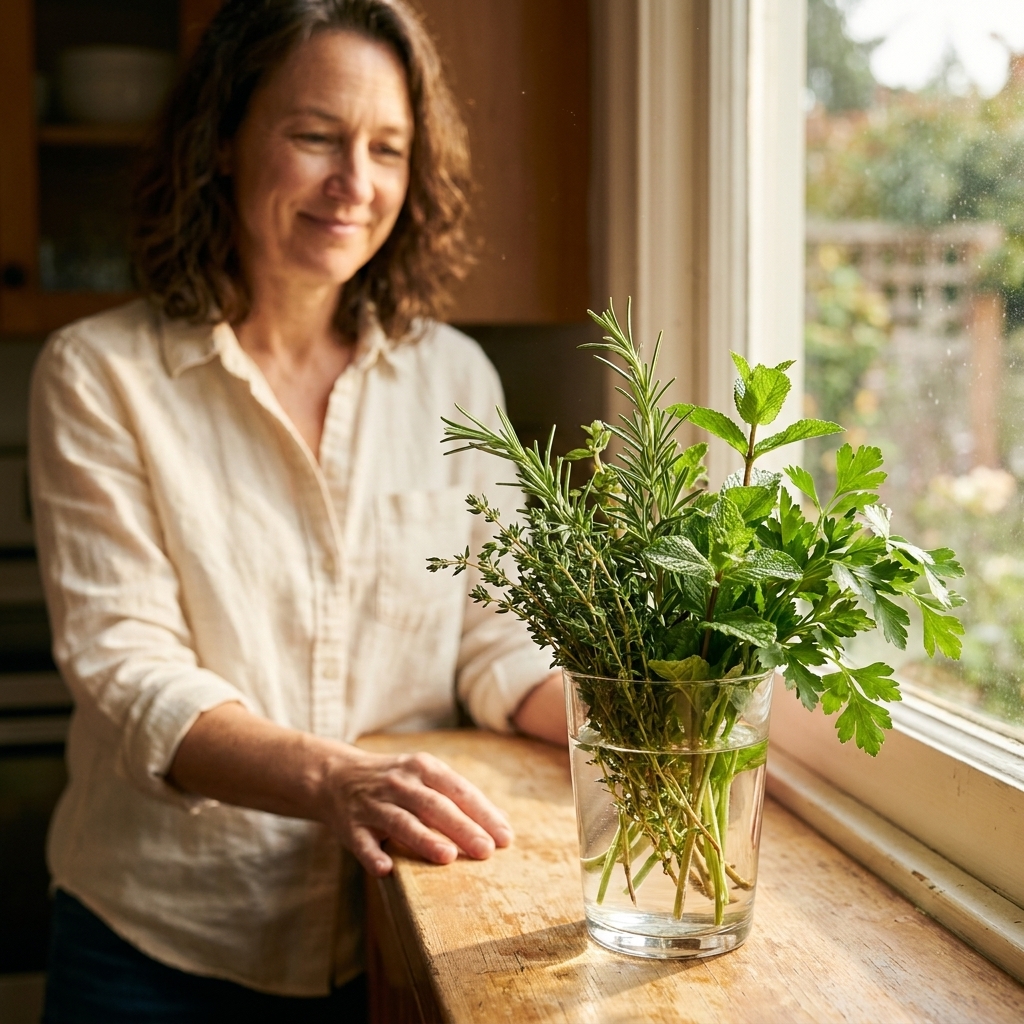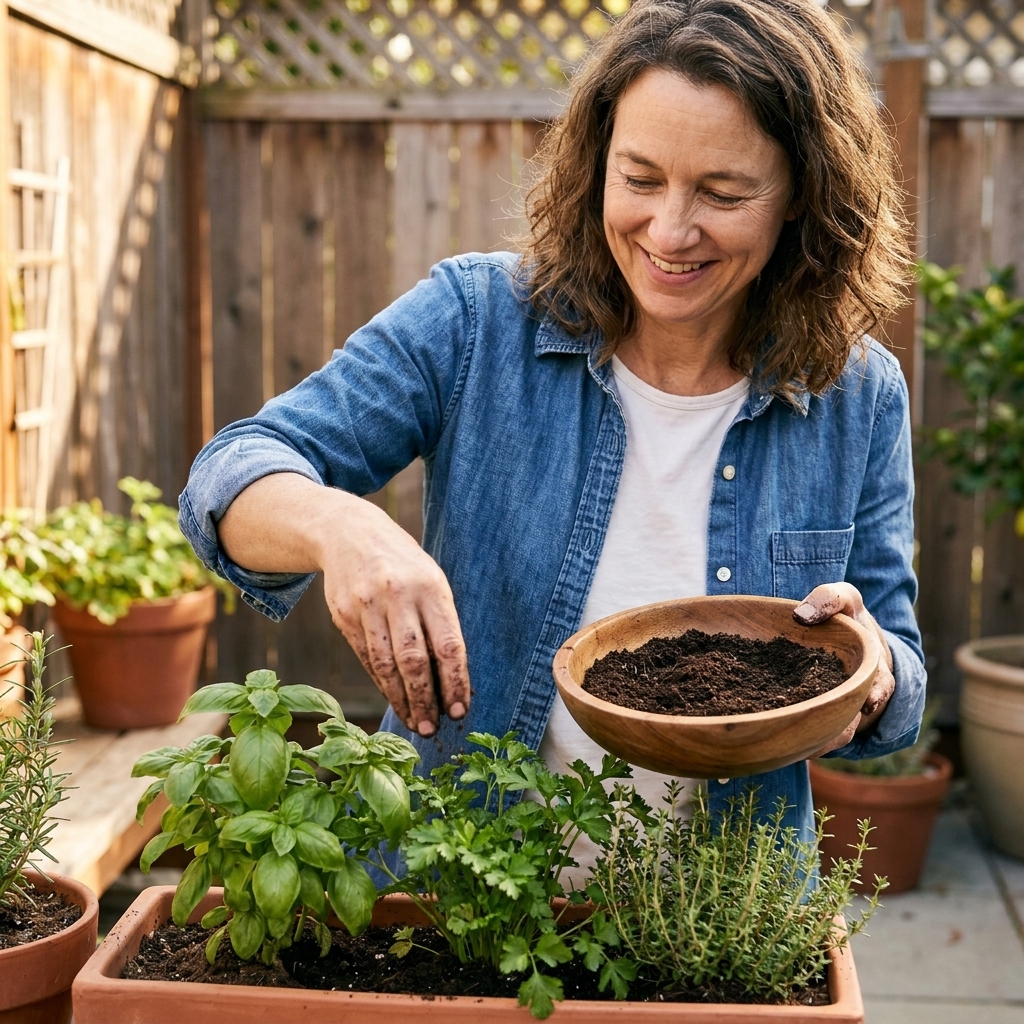
There is a very specific kind of happiness that comes from opening the pantry in February and catching a whiff of summer. Herb-infused oils and vinegars can do that for you. They make simple weeknight food taste like you tried, and they are a beautiful way to preserve a big handful of basil, rosemary, thyme, or tarragon.
But we need to talk about safety up front, because homemade herb infusions are one of those cozy kitchen projects that can become risky if you store the wrong thing the wrong way. The biggest concern is botulism, which is most commonly tied to garlic or fresh herbs stored in oil at room temperature.
Do not worry. You can absolutely make herb-infused oils and vinegars at home. You just need the right method for the ingredient and the right storage plan.
Why oil infusions can be risky
Oil creates an oxygen-free environment. That matters because the bacteria that causes botulism (Clostridium botulinum) can grow in low-oxygen conditions when other factors line up, especially:
- Low acid (oil is not acidic)
- Moisture present (fresh herbs and garlic contain water)
- Warm storage (countertop or pantry)
That is why you will see strong, consistent guidance from food safety organizations: do not store fresh garlic or fresh herbs in oil at room temperature.
The good news is you have several safe paths:
- Make refrigerated fresh-herb oils and use them quickly
- Use dried herbs for longer pantry-style infusions (with good technique)
- Choose vinegar for shelf-stable herb infusions (acid is your friend)
- Freeze herb oils in small portions for longer keeping
Quick safety rules I follow every time
- Fresh herbs + oil: refrigerate immediately and use fast. Do not keep on the counter.
- Garlic + oil: treat as high risk. If you want garlic flavor, use a commercial product, make a garlic-infused vinegar, or make a refrigerated oil and use within a few days.
- When in doubt, choose vinegar: it is the simplest way to get a shelf-stable infusion at home.
- Clean tools and bottles: start with very clean jars, lids, funnels, and spoons.
- Label your bottle: write what it is and the date you made it.
- If anything looks or smells off: throw it out. No tasting to “check.”
Best herbs for infusing (and what they taste like)
You can infuse almost any culinary herb, but a few shine because their essential oils carry beautifully.
Great choices for oils
- Rosemary: piney and bold, perfect for potatoes, focaccia, beans
- Thyme: savory and gentle, great for chicken, mushrooms, vinaigrettes
- Oregano: pizza energy in a bottle, strong and warming
- Sage: cozy, earthy, lovely brushed on squash or bread
- Chili + herbs: a pinch of dried chili with dried oregano or rosemary is wonderful
Great choices for vinegars
- Tarragon: classic for French-style vinaigrettes
- Basil: fresh and peppery, brightens tomatoes and pasta salads
- Dill: dreamy for cucumbers, potato salad, and quick pickles
- Mint: refreshing in fruit salads and sparkling water shrubs
- Chives: mild onion note, great for creamy dressings
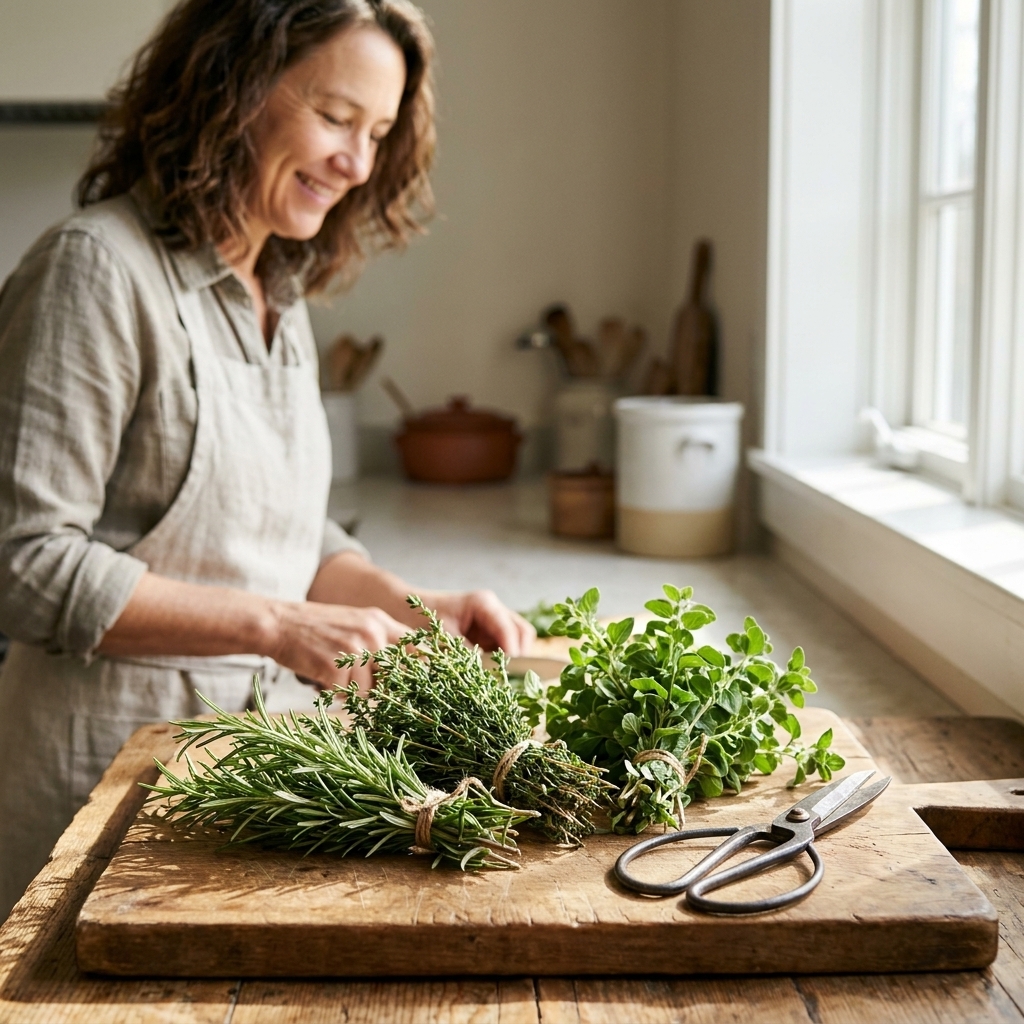
If your herb is very tender (like basil, cilantro, parsley), I prefer it in vinegar or as a frozen herb oil cube. Woody herbs (like rosemary and thyme) are easier to work with for oil infusions.
Choosing your base: oil or vinegar
Oils
Use an oil you already love the taste of, because it will still be the main flavor.
- Extra virgin olive oil: classic, grassy, best with Mediterranean herbs
- Avocado oil: mild, great if you want the herb to lead
- Grapeseed or sunflower oil: neutral, good for light herbs
One note from my own kitchen: expensive olive oil can taste muted after you heat it. If you are doing a warm infusion, I save the fancy bottle for drizzling and use a solid mid-range olive oil for infusing.
Vinegars
Vinegar is where you get the easiest safe win. Choose based on what you cook.
- White wine vinegar: clean and bright, wonderful with tarragon, thyme, basil
- Apple cider vinegar: fruity, great with rosemary, sage, thyme
- Rice vinegar: delicate, lovely with mint, basil, cilantro stems
- Red wine vinegar: bolder, pairs well with oregano and rosemary
How to make herb-infused vinegar (the shelf-stable favorite)
Herb vinegar is my go-to when I want something I can keep in the pantry without worrying. The acidity of vinegar makes it an unfriendly place for botulism to grow.
What you need
- Very clean glass bottle or jar with a non-reactive lid
- Fresh herbs (or dried)
- Vinegar (5 percent acidity is the typical standard for culinary vinegars)
- Fine mesh strainer or cheesecloth
- Funnel
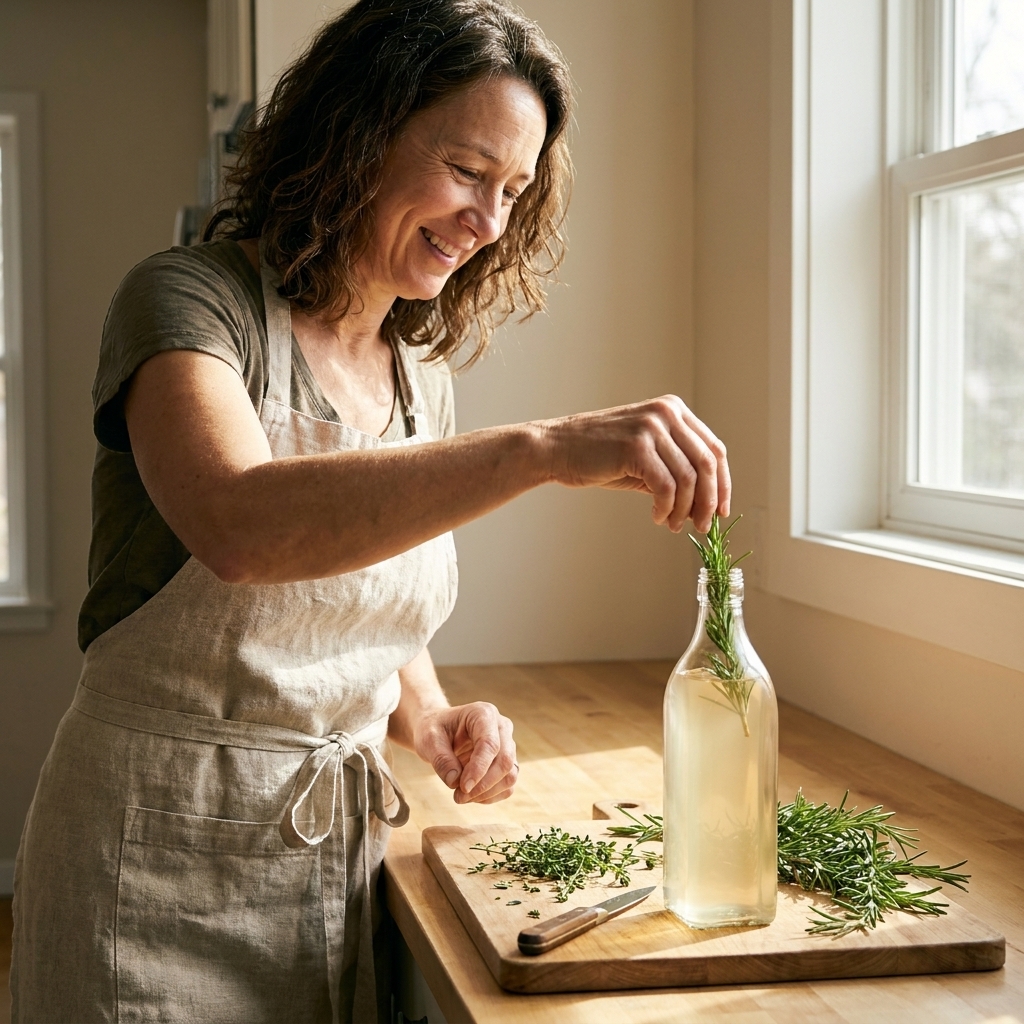
Method (cold infusion)
- Wash and dry your herbs well. I mean really dry. Water clinging to leaves can dilute flavor and shorten quality.
- Lightly bruise woody herbs. A gentle twist or tap helps release oils.
- Fill the jar. Loosely pack herbs to about one quarter to one third of the jar.
- Cover with vinegar. Make sure herbs are fully submerged.
- Steep. Store in a cool, dark place for 1 to 4 weeks, shaking gently every few days.
- Taste and strain. Once it smells and tastes right, strain out the herbs.
- Bottle and label. Keep it in the pantry away from heat and sunlight for best flavor.
How long does infused vinegar last?
Quality is best within 3 to 6 months, but many infused vinegars hold up longer if stored cool and dark. If you ever see cloudiness you cannot explain, sediment that looks unusual, or an “off” smell, discard it and start fresh.

How to make herb-infused oil safely (three approaches)
Because oil infusions are where food safety gets tricky, I like to pick the method based on how I plan to use the oil.
Option 1: Refrigerated fresh-herb oil (best for immediate use)
This is the method for when you have a handful of basil or thyme and you want to drizzle it on dinner all week.
- Wash herbs and dry thoroughly. Pat dry, then air-dry on a towel until there is no visible moisture.
- Use a very clean jar and lid.
- Add herbs and cover with oil. Keep herbs submerged.
- Refrigerate immediately.
- Use quickly. Aim to use within 3 to 7 days. If you included garlic, keep it to the shortest end of that range or skip garlic entirely.
Important: Do not store this on the counter. Do not gift it unless you can keep it cold the whole time and you are very clear about “keep refrigerated and use by.”
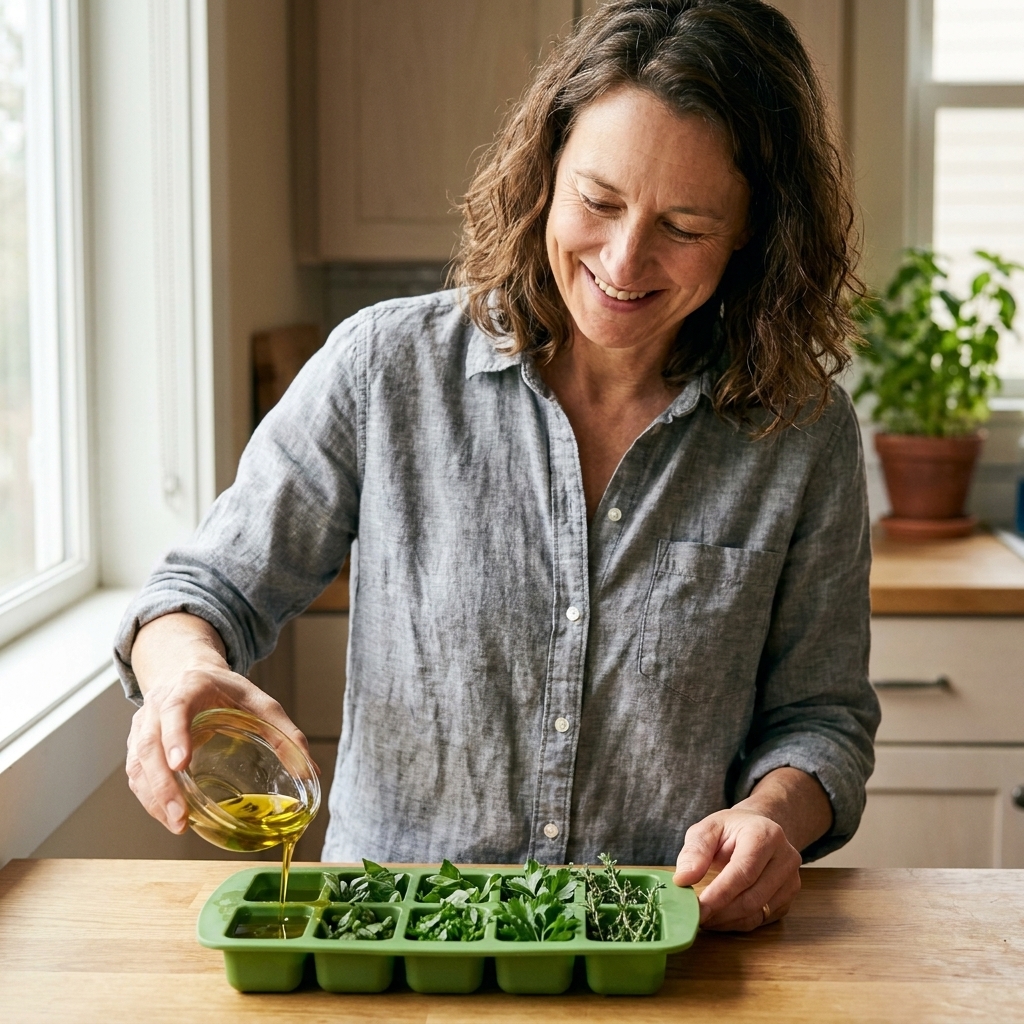
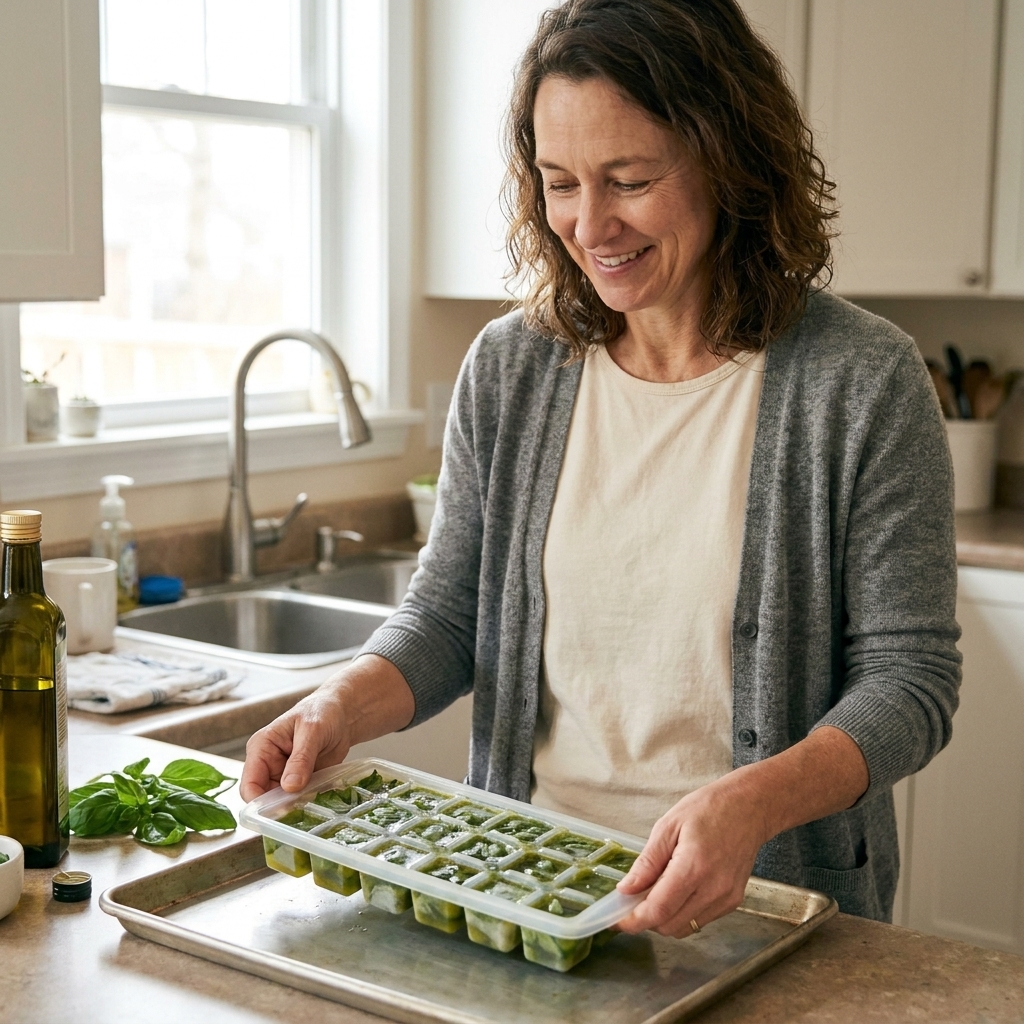
Option 2: Frozen herb oil cubes (my favorite for tender herbs)
Freezing is such a simple fix for safety and waste. I do this with basil, parsley, cilantro, chives, and even dill.
- Chop herbs (stems included if tender).
- Pack into an ice cube tray about halfway.
- Top with olive oil (or melted butter if you prefer).
- Freeze solid, then pop cubes into a labeled freezer bag.
Drop a cube straight into soups, sauté pans, pasta sauce, or roasted veggies. For best flavor, use within 3 to 6 months.
Option 3: Dried-herb infused oil (better for longer keeping)
Dried herbs have far less moisture than fresh herbs, which reduces risk. Even so, I still store infused oils in a cool, dark place and make small batches.
- Start with dried culinary herbs (home-dried is fine if fully crisp and dry, store-bought is very consistent).
- Add 1 to 2 tablespoons dried herbs per cup of oil (adjust to taste).
- Warm gently if you like: set the jar in a warm water bath or heat oil on very low until just warm, then remove from heat. Do not simmer.
- Steep 1 to 2 weeks, then strain for a clear oil.
- Store in a clean bottle in a cool, dark cupboard.
For quality, use within 1 to 2 months. If you ever see bubbling, foam, cloudiness that appears suddenly, or smell anything “funky,” discard it.
About garlic and fresh chilies (please read this)
I know garlic-infused oil is beloved. I also know it is one of the most common places home cooks accidentally create a botulism risk.
Safer ways to get garlic flavor
- Make garlic-infused vinegar (acidic and much safer)
- Use store-bought garlic oil (commercial producers use validated acidification and processing)
- Make a small batch of garlic oil and refrigerate, then use within a few days
- Use roasted garlic in the dish instead of storing it in oil
Fresh chilies have similar moisture concerns. If you want chili oil that keeps, I recommend using dried chili flakes rather than fresh peppers for home infusions.
Clean jars, good habits, better flavor
Infusions taste freshest and keep best when you start clean and keep moisture out.
- Wash jars and lids in hot soapy water, rinse well, and let them air-dry completely.
- Use dry utensils. A wet spoon can introduce water into the bottle.
- Keep herbs submerged in oil while infusing in the fridge. Floating bits can mold.
- Strain if you want a longer-lasting product. Leaving plant material in the bottle can degrade flavor and appearance over time.
Easy flavor combinations to try
Infused vinegars
- Tarragon + white wine vinegar: my forever salad dressing base
- Dill + apple cider vinegar: quick cucumber salad magic
- Basil + rice vinegar: bright and sweet-leaning for noodle salads
- Rosemary + red wine vinegar: fantastic for roasted vegetables and lentil salads
Infused oils (refrigerated or frozen)
- Thyme + lemon zest (skip the lemon juice, zest only): beautiful on chicken
- Rosemary + black peppercorn: steakhouse vibes for potatoes
- Basil + parsley: a gentle, all-purpose green oil
- Sage + dried chili flakes: toss with roasted squash
Storage cheat sheet
| Infusion type | Where to store | Best use window | Notes |
|---|---|---|---|
| Fresh herbs in oil | Refrigerator | 3 to 7 days | Keep submerged; do not store at room temp |
| Garlic in oil | Refrigerator | A few days | Higher risk; make small batches only |
| Herb oil cubes | Freezer | 3 to 6 months | Great for basil, parsley, cilantro, chives |
| Dried herbs in oil | Cool dark cupboard | 1 to 2 months | Make small batches; strain for clarity |
| Herb-infused vinegar | Cool dark cupboard | 3 to 6 months | Usually the easiest shelf-stable option |
Troubleshooting
My oil turned cloudy. Is it bad?
If your refrigerated olive oil goes cloudy or semi-solid, that is often just the oil chilling. Let a small amount come to room temperature. If it clears and smells normal, it is likely fine. If cloudiness appears with an off smell, bubbling, or visible mold, discard.
There is sediment in my vinegar
Some sediment is normal, especially if you did not strain through a very fine cloth. If you want a crystal-clear vinegar, strain again. If you see anything that looks fuzzy or you smell fermentation that was not there before, discard.
My infusion tastes weak
Use more herbs, bruise woody herbs, and give it more time. For vinegar, switching to a lighter vinegar (like white wine or rice vinegar) can help herbs come through. For oil, dried herbs often infuse more predictably than fresh.
Frequently asked questions
Can I can herb-infused oils to make them shelf-stable?
No. Home canning is not recommended for herb-infused oils because safe processing would require validated methods that address botulism risk. If you want long keeping, choose herb-infused vinegar or freeze herb oils in small portions.
Can I leave herbs in the bottle for looks?
For vinegar, you can, but flavor and appearance hold better if you strain and then add a fresh, clean decorative sprig right before gifting or serving. For oil, I prefer straining and keeping it simple, especially for refrigerated oils.
What if I really want basil oil for pesto-like flavor?
Make it as a frozen cube or a refrigerated oil you plan to use within the week. Basil has a lot of moisture, so it is not my pick for a pantry infusion.
Do I need to blanch herbs first?
Blanching can help set color for some herbs, but it also introduces moisture. If you blanch, dry extremely well and treat the oil as refrigerated, short-term or freeze it.
A gentle final reminder
Herb preserving should feel like a little love letter to your future self, not a stress project. If you want the simplest, safest win, make herb vinegars. If you want oil, keep it cold and quick, or tuck it into the freezer in cubes.
And if you ever feel unsure, trust your instincts and choose the method with the widest safety margin. Your herbs will still taste like summer, I promise.