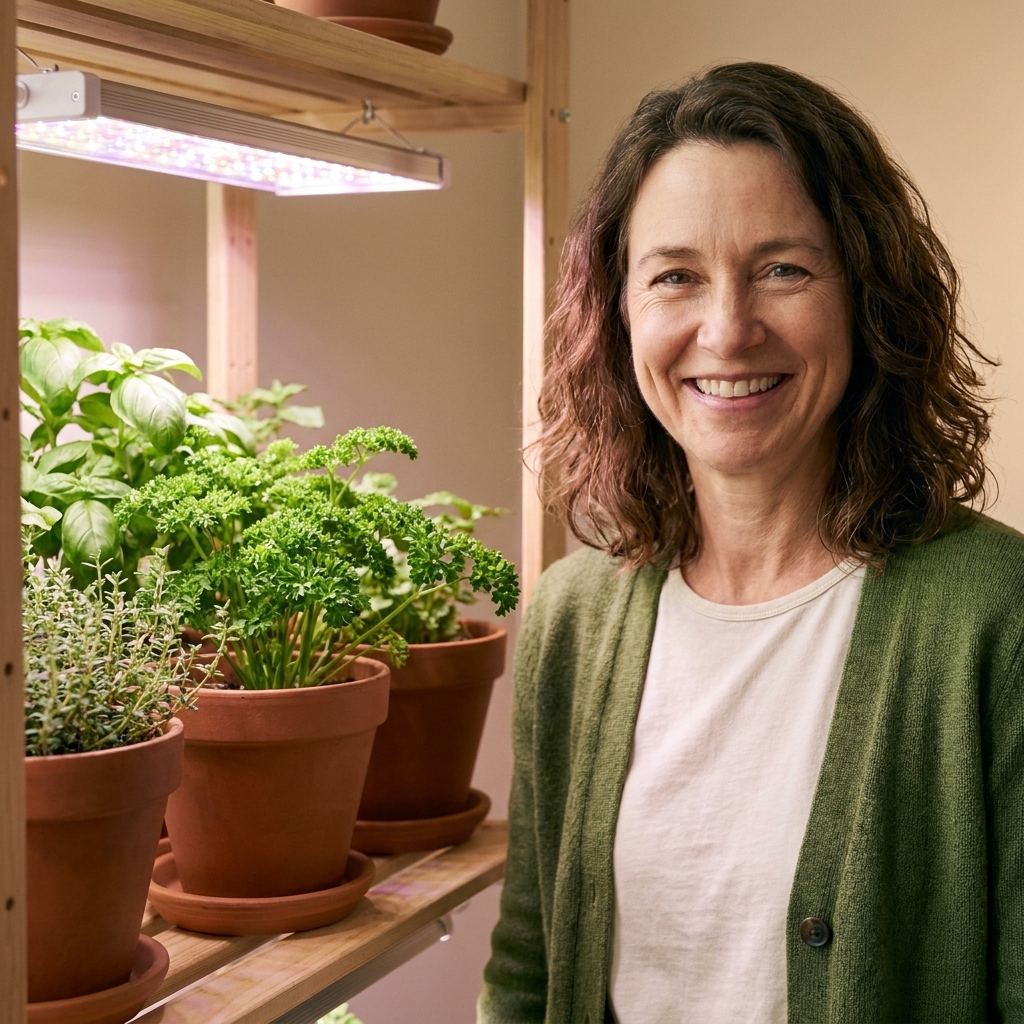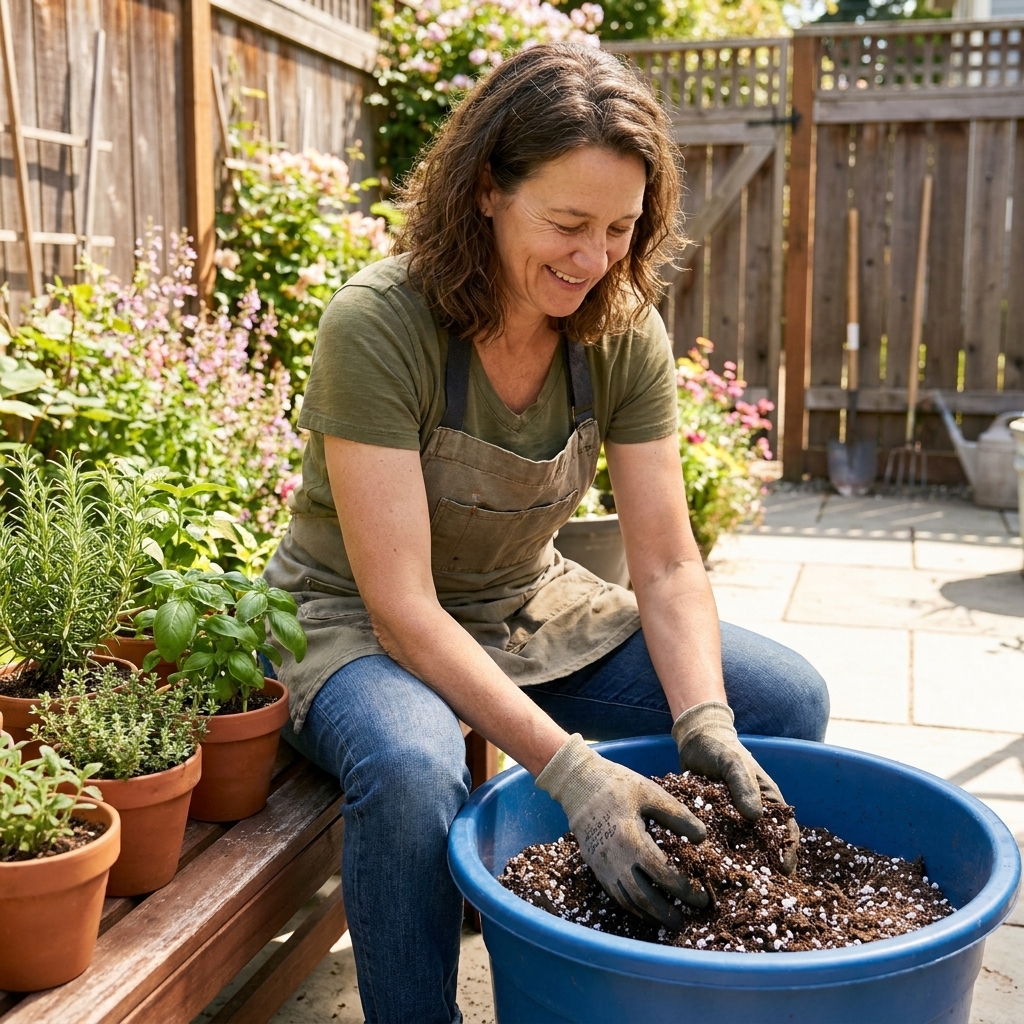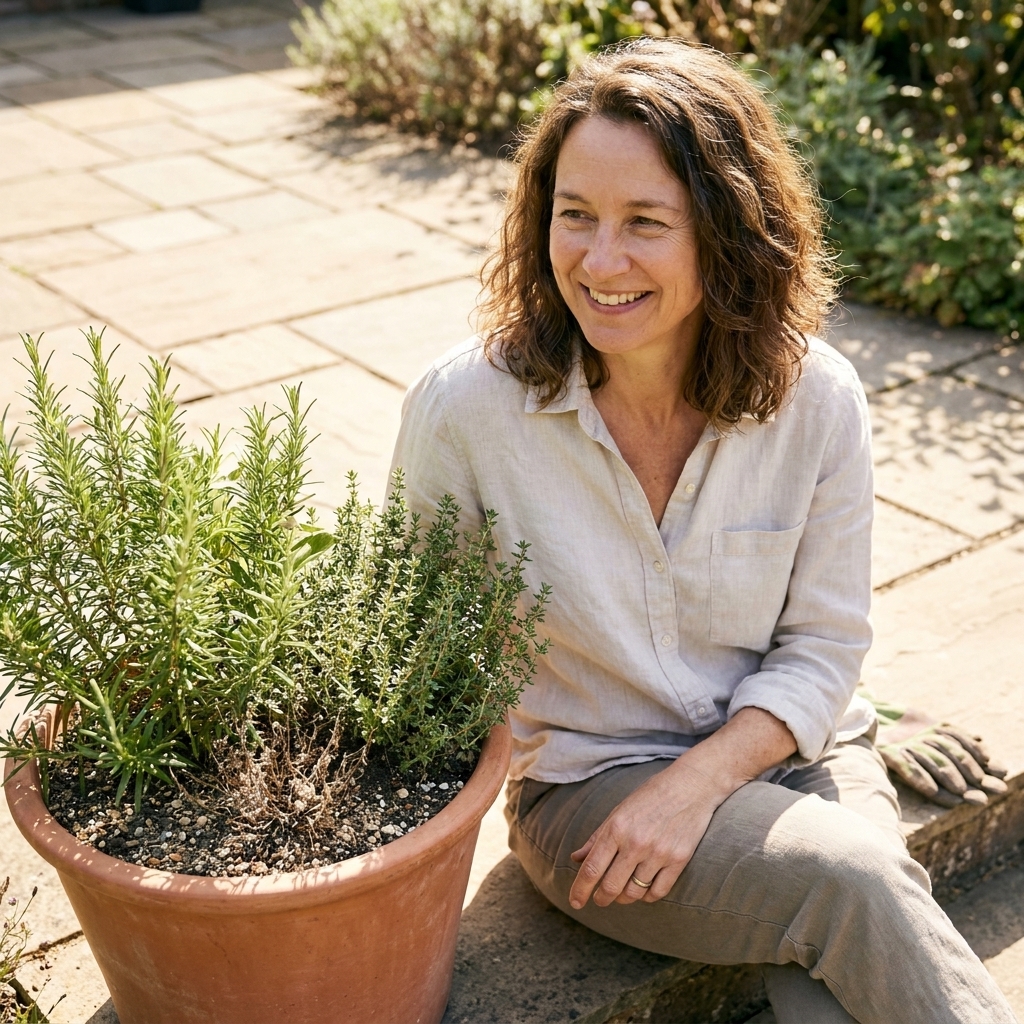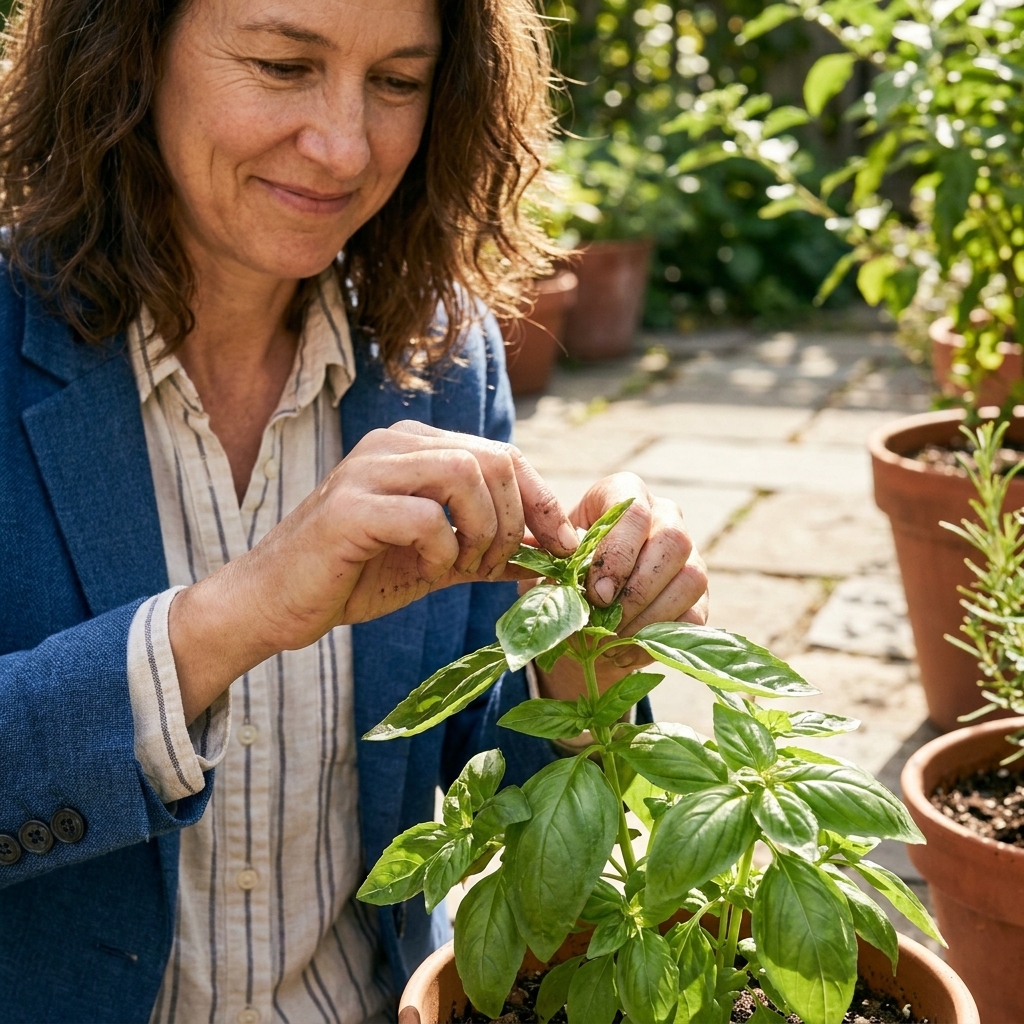
The first spring I ever started herbs indoors, I was so proud of my little forest of basil, parsley, and dill that I carried them straight outside on a warm afternoon like they were ready for a picnic. By sunset, the leaves looked tired and papery, and my basil had the kind of sunburn you only get from overconfidence.
Hardening off is the gentler, smarter version of that story. It is the slow transition from indoor life (steady temps, soft light, no wind) to the great outdoors (bright sun, breezes, chilly nights, surprise rain). When you do it well, seedlings barely notice the change. They keep growing instead of sulking.
What hardening off actually does
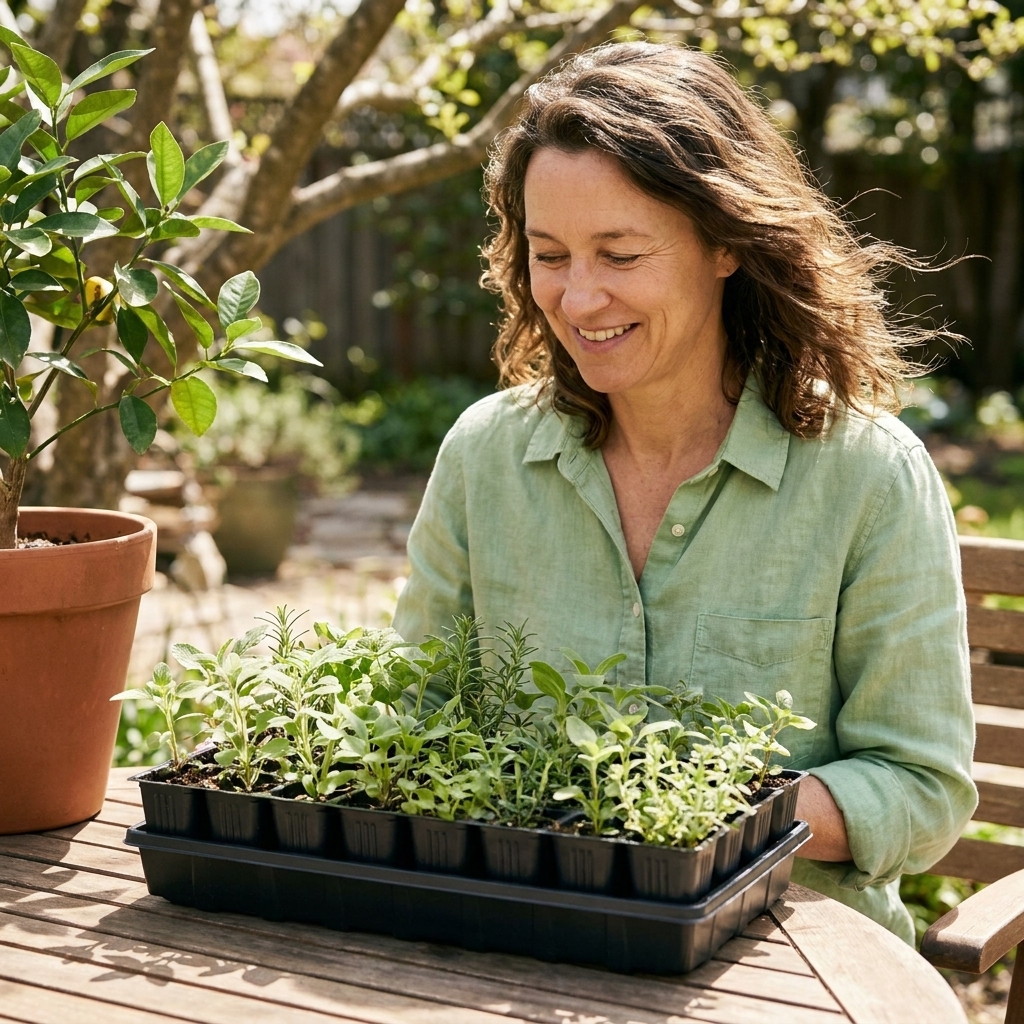
Indoor-sown seedlings are tender because they have been living in a protected, predictable environment. Hardening off helps them adjust to three big outdoor realities:
- Stronger light: Sunlight is far more intense than a sunny window or grow light. Leaves need time to build up protection against scorch.
- Wind: Breezes flex stems and increase water loss. That sounds harsh, but it helps seedlings develop sturdier structure.
- Temperature swings: Spring days can be warm while nights are downright cold. Gradual exposure trains plants to cope without stalling.
Think of it like taking off training wheels. You are not tossing the bike down a hill. You are doing short, controlled practice rides.
When to start hardening off
Start hardening off when your seedlings are big enough to handle handling and the outdoor forecast is not extreme.
Seedling readiness checklist
- At least 2 to 3 sets of true leaves (not just the first round of baby leaves).
- Stems that can hold themselves upright without flopping.
- Roots have filled the cell enough that the plug holds together when you lift it, but the plant is not severely rootbound.
Weather checklist
- Daytime temps are generally above 50°F (10°C).
- No severe wind advisories.
- No hard freeze expected during your hardening week.
If nights are still cold, that is okay. You can harden off during the day and bring seedlings back inside or into a garage at night until you are closer to planting time.
Tools that make hardening off easier
You can harden off seedlings with nothing but a tray and a watchful eye, but a few simple helpers make it much less fussy.
- A tray you can carry: A boot tray, baking sheet, or plant flat keeps things portable.
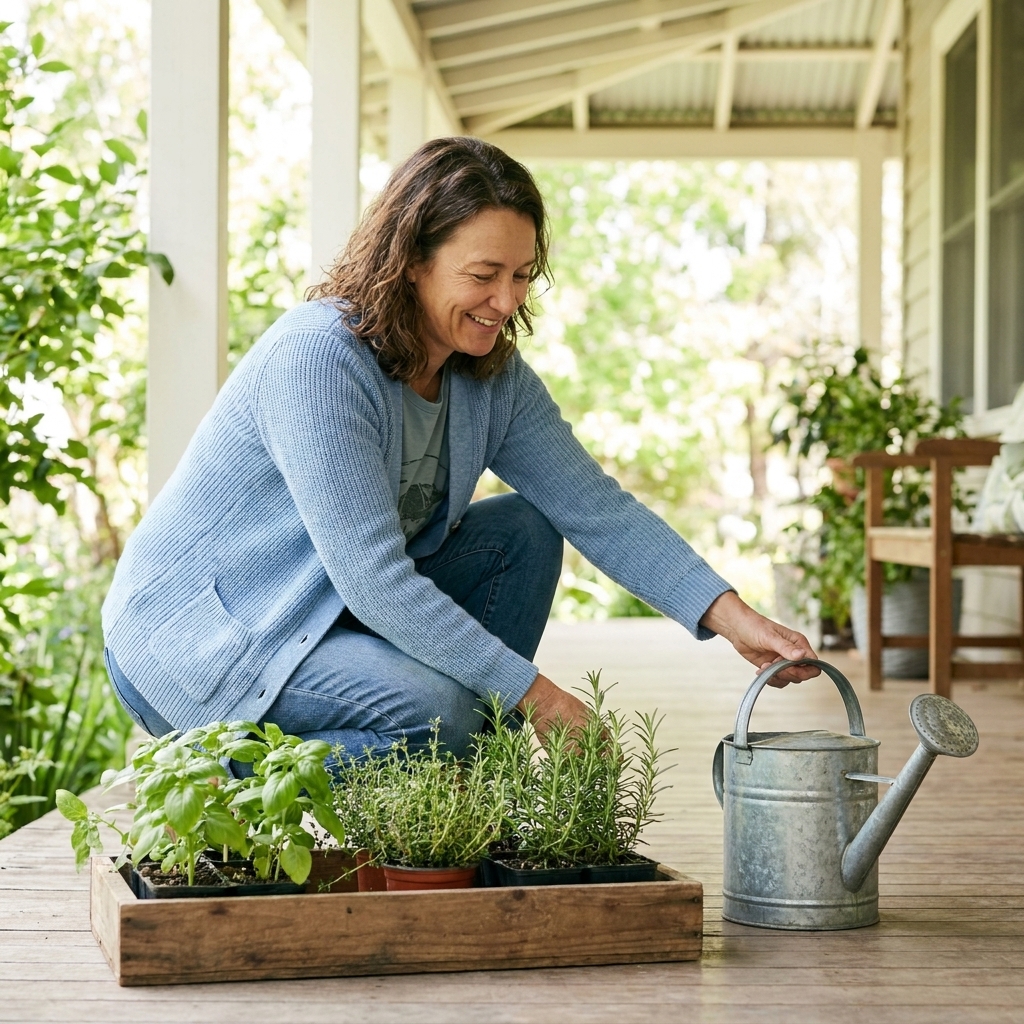
- A sheltered spot: Bright shade beside the house, under a porch roof, or beneath a tree that filters sun.
- A way to block wind: A fence corner, patio wall, or even a large empty pot set as a windbreak.
- Row cover or a light sheet: Useful for surprise chilly afternoons. Avoid plastic directly on plants in sun, it can overheat fast.
- A watering can with a gentle rose: Outdoor air dries seedlings faster than you expect.
A simple 7-day hardening off schedule
This schedule works well for most common herbs started indoors. The guiding idea is: shade first, then sun, then longer time outside, then cooler nights.
Day 1: 30 to 60 minutes outside in bright shade
- Pick a calm day.
- Keep seedlings out of direct sun and strong wind.
- Bring them back inside afterward.
Day 2: 1 to 2 hours outside in bright shade
- Same sheltered spot.
- Check moisture when you bring them in. Indoor soil dries slower than outdoor soil.
Day 3: 2 to 3 hours outside, introduce gentle morning sun
- Give them 30 to 60 minutes of early morning sun, then shade.
- Avoid hot midday sun at this stage, even if the air feels cool.
Day 4: 3 to 4 hours outside, 1 to 2 hours of morning sun
- Increase sun exposure gradually.
- If it is windy, reduce time or keep them fully sheltered.
Day 5: 4 to 6 hours outside, some midday sun if mild
- If temps are moderate and the sun is not blazing, you can test a little brighter light.
- Water earlier in the day so plants are not stressed in the afternoon.
Day 6: Most of the day outside
- By now, seedlings should tolerate several hours of sun (depending on the herb).
- Bring in at night if temps dip below your herbs’ comfort zone.
Day 7: Full day outside, optional first night out if safe
- If overnight lows are above 50°F (10°C) for tender herbs, you can try leaving them out overnight in a protected spot.
- If it will be colder, keep doing daytime hardening and bring them in at night until planting.
My neighborly rule: If you are comfortable in a light sweater and the wind is not biting, most herb seedlings can handle a short outing in shade. If you are reaching for a winter coat, keep them in.
Adjustments for different herbs
Not all herbs have the same tolerance for cold and sun. Use the schedule above, but lean gentler or faster depending on what you are growing.
Tender, cold-sensitive herbs
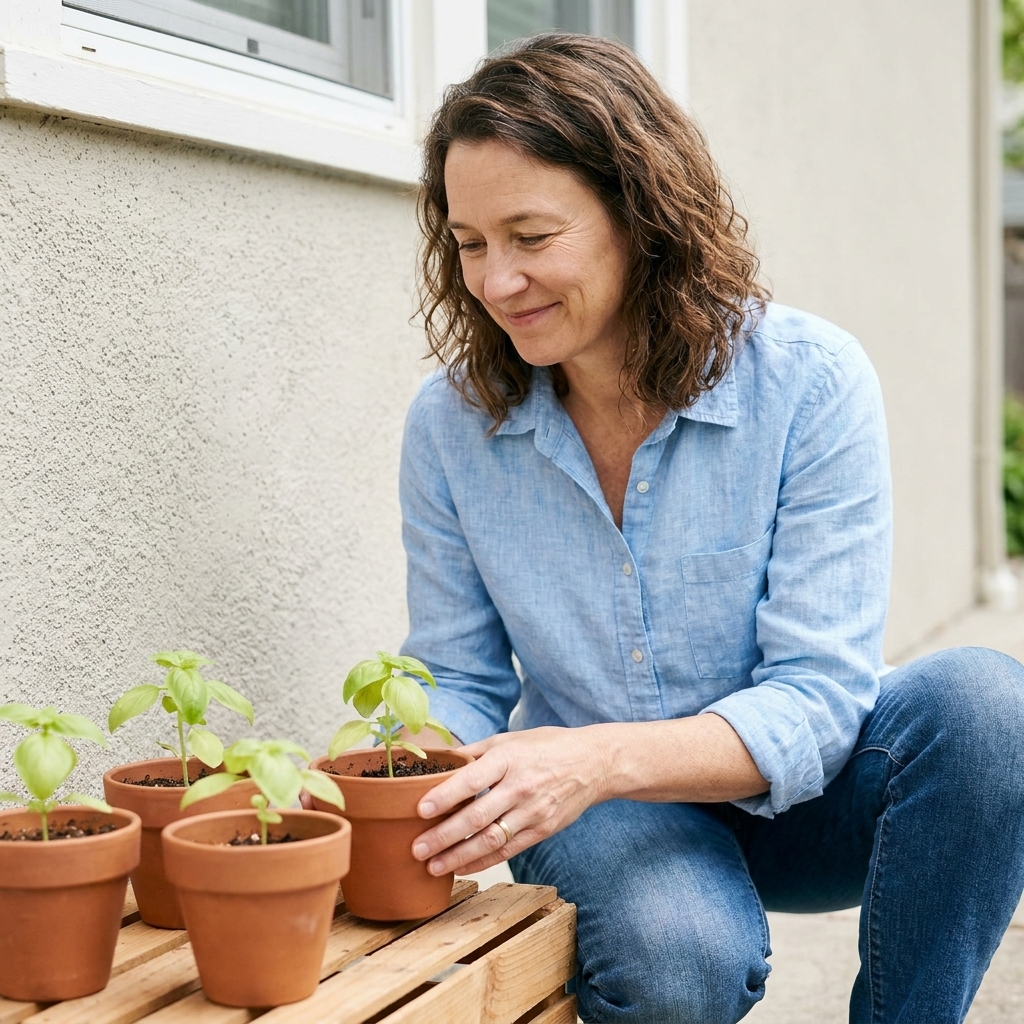
Basil is the classic example. It hates cold soil and cool nights.
- Keep basil above 50 to 55°F (10 to 13°C), especially at night.
- Go slow on wind, basil leaves tear and dehydrate easily when young.
Cool-season herbs that handle spring better
Parsley, cilantro, dill, chives generally cope with cooler weather.
- They can often move through the schedule a bit faster.
- They still need sun introduction gradually to prevent leaf bleaching.
Perennial herbs started from seed
Thyme, oregano, sage, lavender seedlings are often smaller and slower at first.
- Keep them protected from heavy rain and harsh wind while tiny.
- Once established, many perennials are tough, but baby plants still need a gentle ramp up.
Where to place seedlings outside
The best hardening off spot is not the sunniest spot. It is the steadiest spot.
- Bright shade: Along the north or east side of a house is often perfect.
- Morning sun, afternoon protection: East-facing patios give gentle early light.
- Avoid heat traps: Dark concrete, reflective windows, and metal tables can raise leaf temperature quickly.
- Avoid open lawn exposure at first: Wind is stronger and the sun is unfiltered.
If you only have a balcony or stoop, tuck seedlings behind a chair or a large planter for wind protection during the first few days.
Watering during hardening off
Most hardening off mishaps I see are really water stress wearing a disguise. Outdoors, seedlings dry out quickly, especially on breezy days.
Simple watering rules
- Check moisture every time you move trays in or out.
- Water when the top of the mix feels dry, but do not keep seedlings soggy.
- Water early in the day so leaves dry before evening.
- Bottom watering is fine, but outdoors I prefer a gentle top water occasionally to rinse dust and keep the whole plug evenly moist.
Skip fertilizer during the hardening week if your seedlings look healthy. It is one less variable while plants are adapting.
Common hardening off problems and quick fixes
Leaves look pale or bleached
Cause: Too much sun too soon.
Fix: Move back to bright shade for a day or two, then reintroduce morning sun in shorter sessions.
Leaf edges turn brown and crisp
Cause: Sun and wind combined, or missed watering.
Fix: Increase shelter from wind, water consistently, and shorten outdoor time temporarily.
Seedlings flop over after going outside
Cause: Sudden wind exposure or too-dry plugs.
Fix: Shelter them, water, and consider gently brushing your hand across the tops indoors for a few days to strengthen stems before trying again.
Growth stalls for a week
Cause: Cold nights, cold soil, or a big shock event.
Fix: Keep them warmer at night, and do not rush transplanting. Seedlings usually rebound once conditions stabilize.
When seedlings are ready to plant
After a full week of hardening off, most herb seedlings are ready for the garden or outdoor containers when:
- They can stay outside all day without wilting.
- They tolerate several hours of sun appropriate to the herb.
- Nights are warm enough for that plant, especially for basil.
- Your planting spot is prepared: loosened soil, compost mixed in if needed, and a plan for watering the first week.
If you are planting into raised beds or pots, remember that soil in containers and raised beds warms up faster than in-ground soil, but it also cools down faster at night. Keep an eye on that first stretch of spring weather.
My go-to “oops” protections for surprise spring weather
Spring loves plot twists. If you are in the middle of hardening off and the forecast turns dramatic, you are not failing. You are gardening.
- Cold snap: Bring seedlings inside or into an unheated garage overnight. Add an extra day or two to your schedule.
- Sudden heat: Move to shade and water in the morning. Heat can be just as shocking as cold.
- Windy day: Keep them outside for a shorter time, or skip the day and keep them indoors near a sunny window.
- Heavy rain: Avoid it for tiny seedlings. A downpour can flatten them and saturate the mix.
FAQ
Do I have to harden off herbs from a sunny windowsill?
Yes. Even very bright windowsills are gentler than direct outdoor sun, and they do not prepare plants for wind and temperature swings. You can sometimes shorten the schedule, but do not skip it.
Can I harden off in a cold frame or unheated greenhouse?
Absolutely. A cold frame is a wonderful middle step. Vent it during the day to prevent overheating, and close it at night for protection. Still introduce direct sun gradually because the light inside can be intense.
What if I only have time for 3 to 4 days?
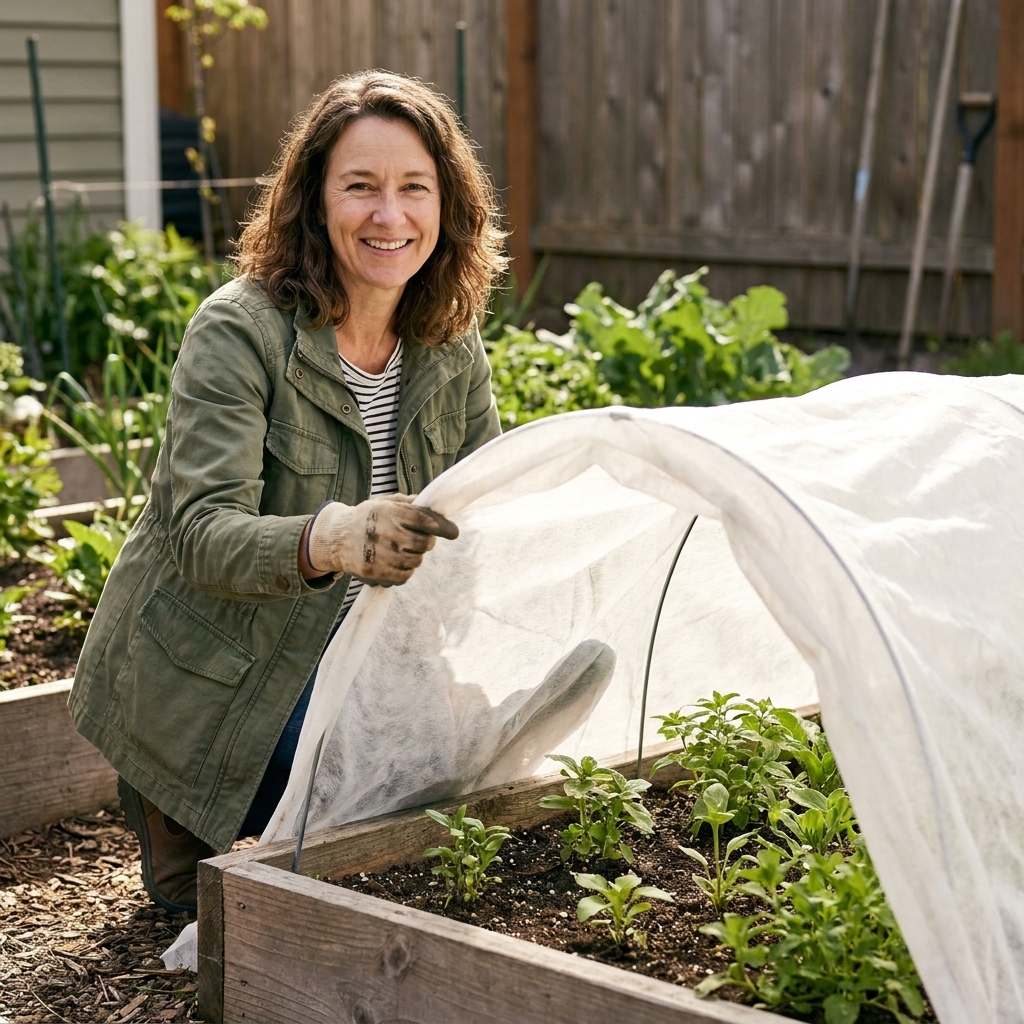
Do the most important part: start in shade, then add morning sun, and avoid cold nights. If you must plant sooner, use temporary protection like shade cloth or row cover for the first week in the garden.
Should I pinch or prune seedlings before planting?
For many herbs, light pinching can encourage bushiness, but I like to wait until seedlings are settled outdoors. Hardening off and transplanting are already big transitions.
A gentle finish line
If you remember only one thing, make it this: hardening off is a conversation with the weather. You offer your seedlings a little taste of the outdoors, watch how they respond, then offer a little more.
By planting day, your herbs will have thicker leaves, sturdier stems, and that quiet confidence that says, “Yes, I live out here now.”