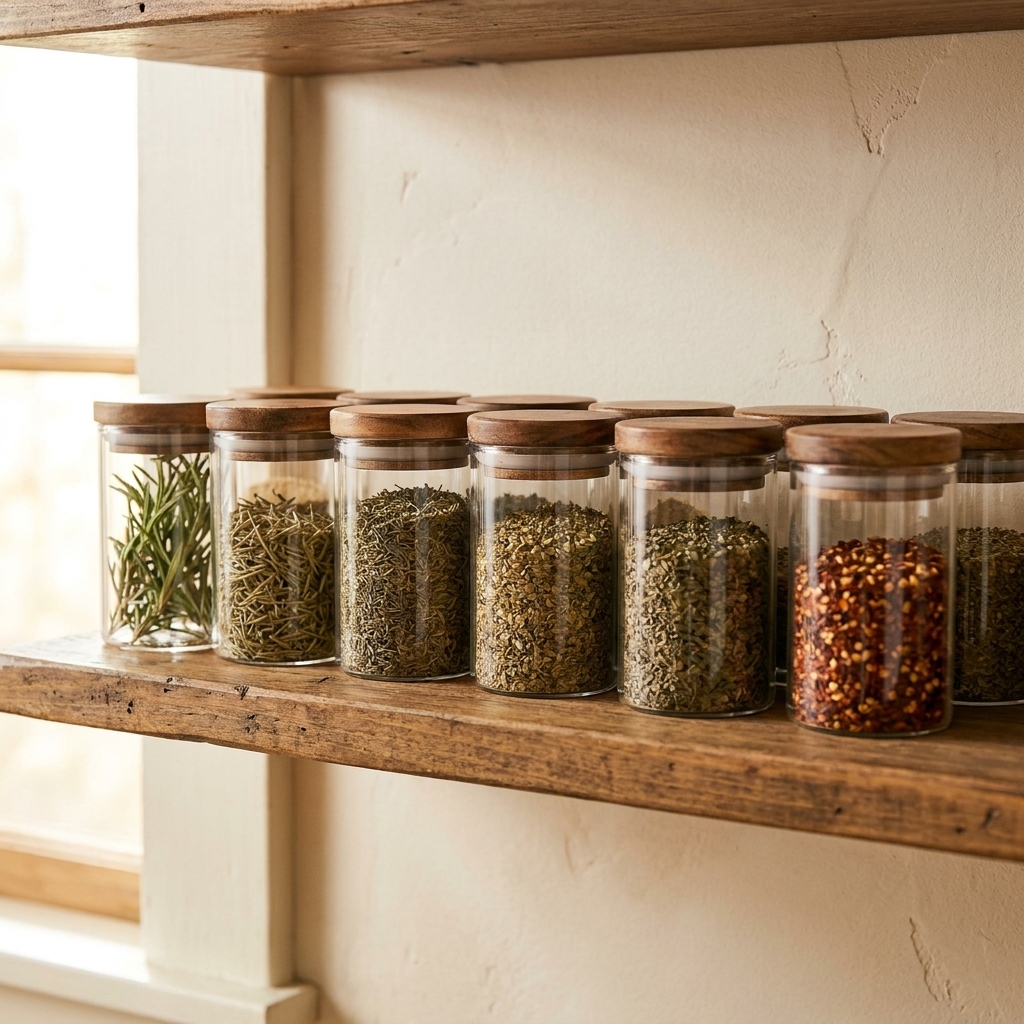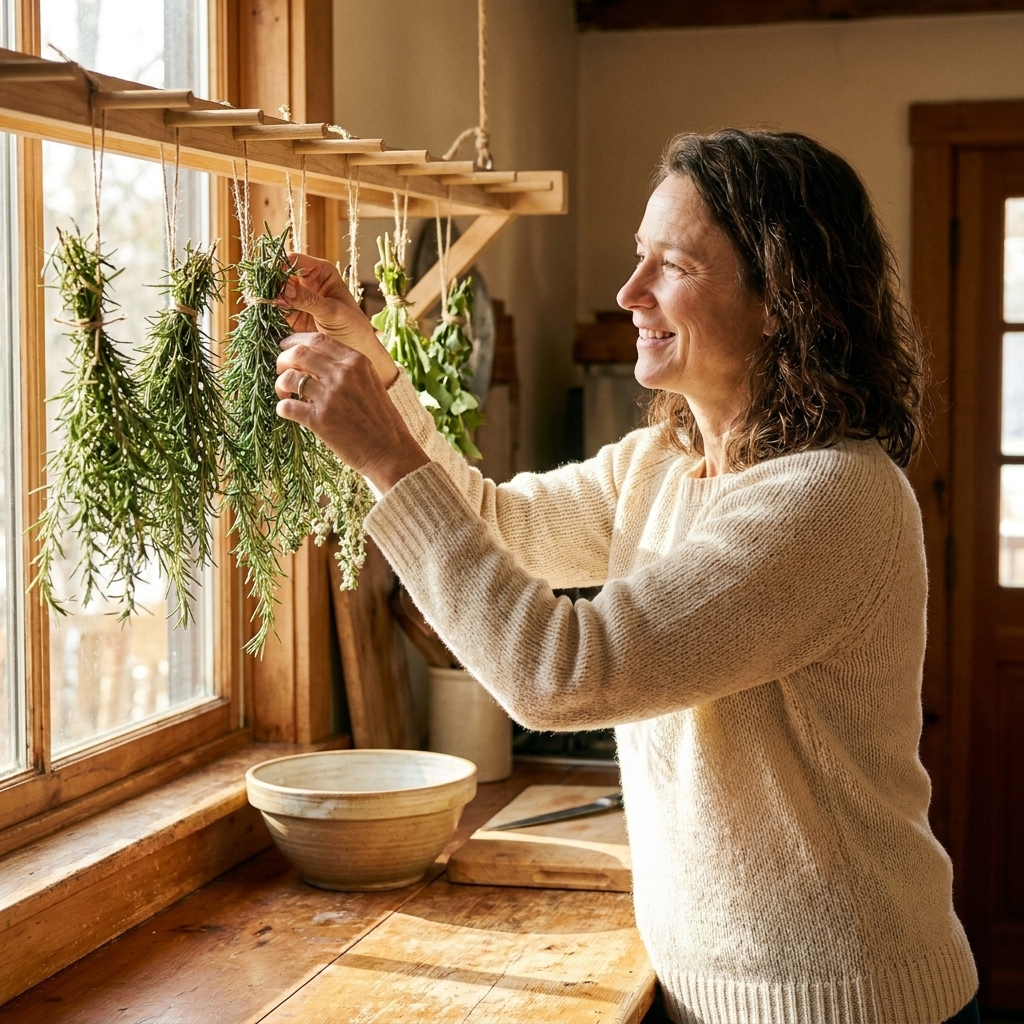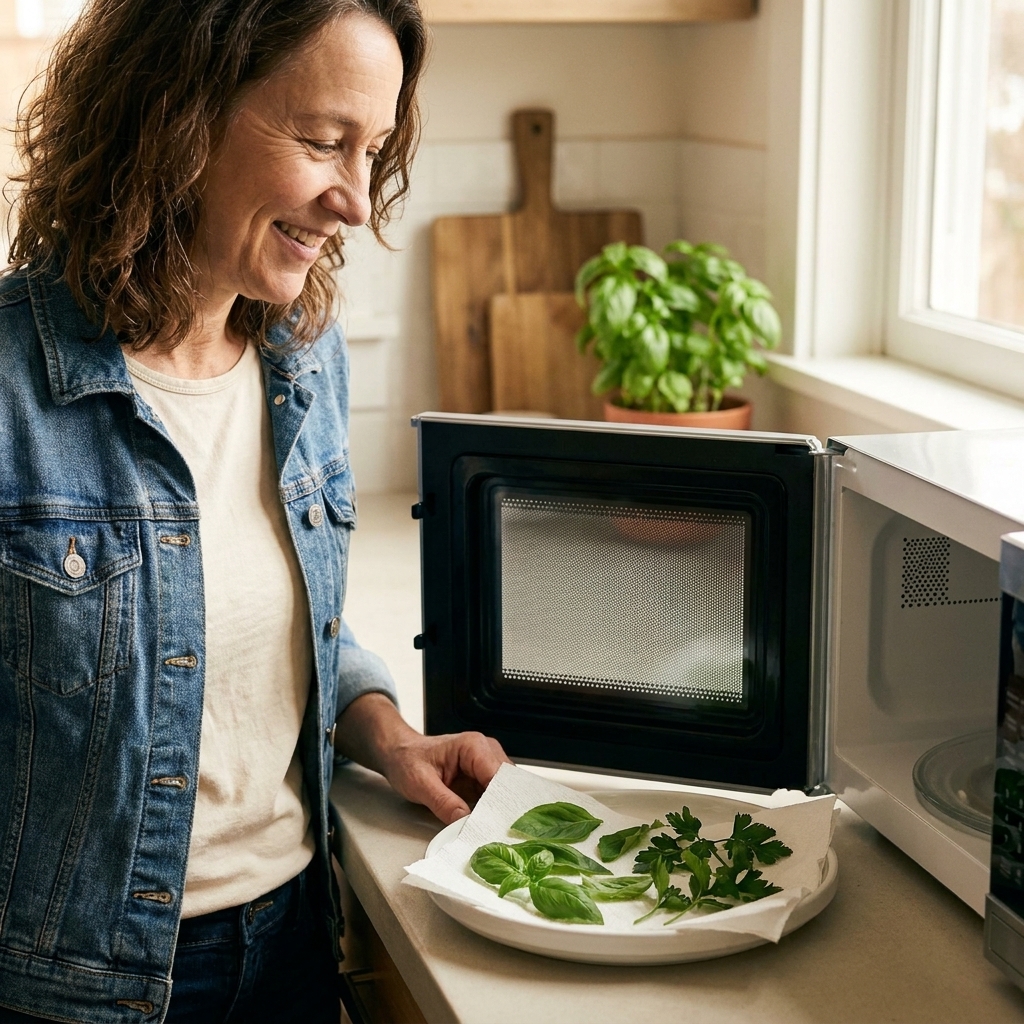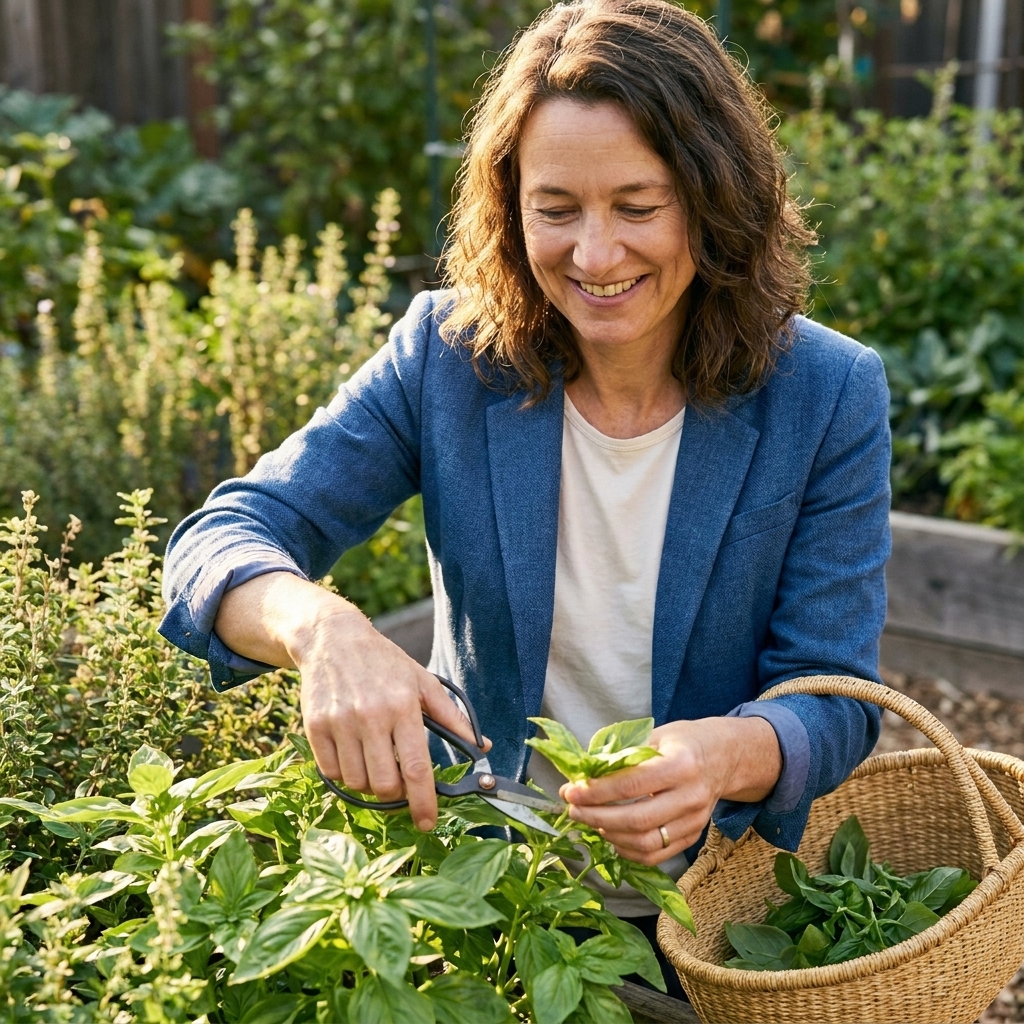
Every late summer, my kitchen smells like a tiny herb shop. There are bundles hanging from a rack, trays cooling on the counter, and a handful of jars slowly filling up with the good stuff. Once you have a few dried herbs on hand, the next satisfying step is turning them into blends you will actually reach for on a busy Tuesday night.
These five classic seasoning blends are the ones I make again and again because they use common garden herbs, they save money, and they keep half-used store-bought spice mixes from multiplying in the pantry. All you need is a clean jar, a measuring spoon, and a few minutes.
Before you mix: small details that matter
Use fully dried herbs
Dried blends store best when your herbs are truly dry and crisp. If anything feels leathery or cool to the touch, dry it longer. Even a little leftover moisture can shorten shelf life and dull flavor.
Crush for even flavor
Big leafy flakes look pretty, but they separate in the jar and you end up with a spoonful of mostly oregano or mostly thyme. I like to gently crush leafy herbs between my fingers or give them a few quick pulses in a spice grinder. You want a fairly even texture, not powder.
Quick grinder tip: If you are using a spice grinder, pulse woody herbs like rosemary on their own first, then add the softer leafy herbs. It helps keep everything from turning into dust.
Label like future you is tired
Write the blend name and the month you made it. Dried herbs do not "go bad" quickly when stored well, but the flavor fades. I aim to use blends within 6 to 12 months for the brightest taste.
Best storage
- Container: airtight glass jar or tin
- Location: cool, dark cupboard away from the stove
- Big batch tip: keep a small working jar in the spice cabinet and store the rest in a darker pantry spot
When to toss: If you see moisture, clumping that will not break up, an off smell, or any sign of mold, discard the blend and start fresh.
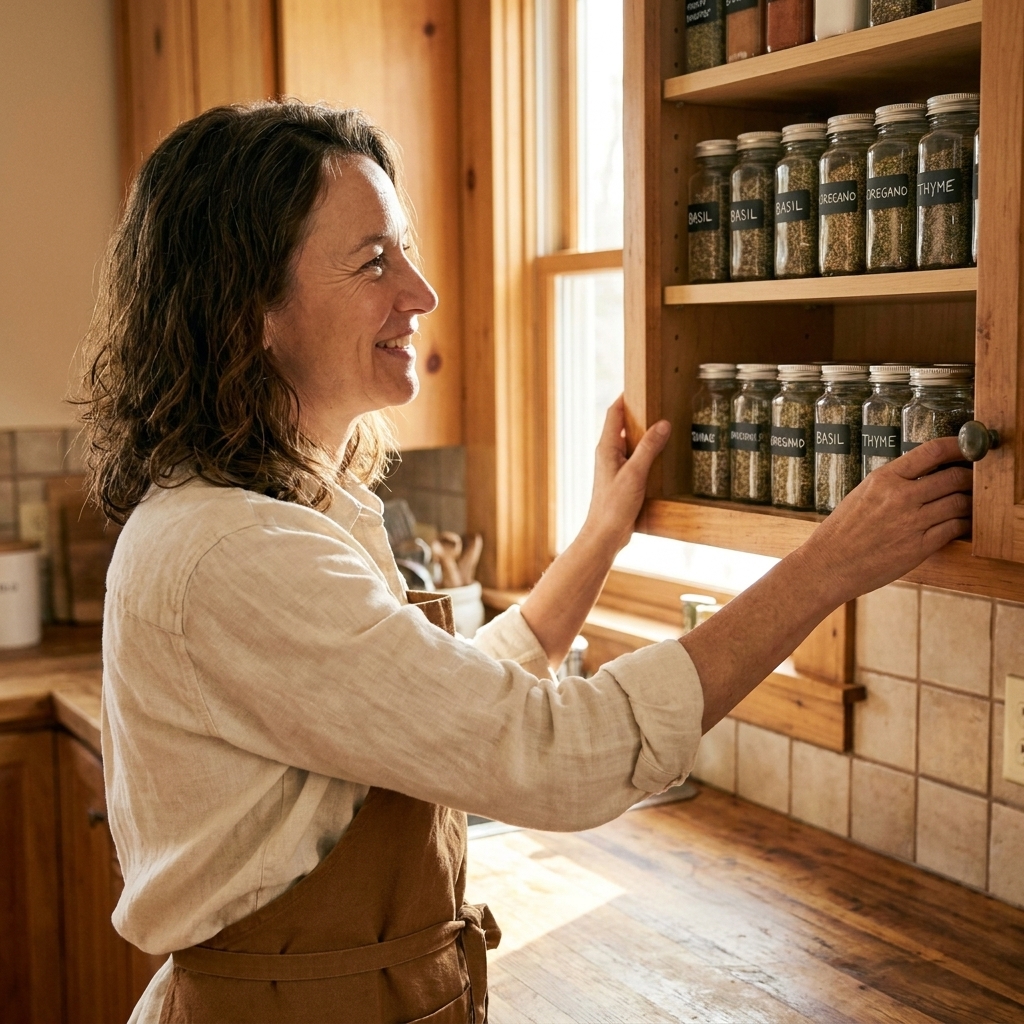
1) DIY Italian seasoning
This is the blend that turns a plain can of tomatoes into "sauce is simmering" energy. It is also the easiest way to use up little bits of dried basil and oregano.
Ingredients (makes about 1/4 cup)
Yield can vary a little depending on how finely you crush your herbs.
- 2 tbsp dried basil
- 2 tbsp dried oregano
- 1 tbsp dried thyme
- 1 tbsp dried rosemary, crushed
- 1 tsp dried marjoram (optional but lovely)
- 1 tsp garlic powder (optional)
How to make it
- Crush rosemary between your fingers so it is not poky in every bite.
- Combine everything in a bowl and stir well.
- Funnel into a clean jar and label.
How I use it
- Stir into olive oil for a quick bread dip.
- Sprinkle on roasted vegetables before they go in the oven.
- Add to meatballs, marinara, or white bean soup.
Garden note: Basil loses punch when dried compared to some herbs, so do not be shy. If your dried basil is older, bump it up by another tablespoon.
2) Poultry seasoning
This is not just for turkey. It makes roasted chicken taste like it had a plan, and it is a cozy shortcut for stuffing, pot pies, and simple sheet pan dinners.
Ingredients (makes about 3 tbsp)
Yield can vary a little depending on herb size.
- 1 tbsp dried sage
- 1 tbsp dried thyme
- 2 tsp dried rosemary, crushed
- 2 tsp dried marjoram
- 1 tsp black pepper
- 1/2 tsp celery seed (optional)
How to make it
- Crush rosemary and mix all herbs in a small bowl.
- Take a whiff. If sage is very strong, reduce slightly. If it is mild, add a pinch more.
- Jar and label.
How I use it
- Rub on chicken thighs with salt and a little oil before roasting.
- Stir into breadcrumbs for an easy stuffing base.
- Add a pinch to chicken noodle soup right at the end.
Quick ratio for scaling: Keep sage and thyme equal, and use about half as much rosemary as either one.
3) Herbes de Provence
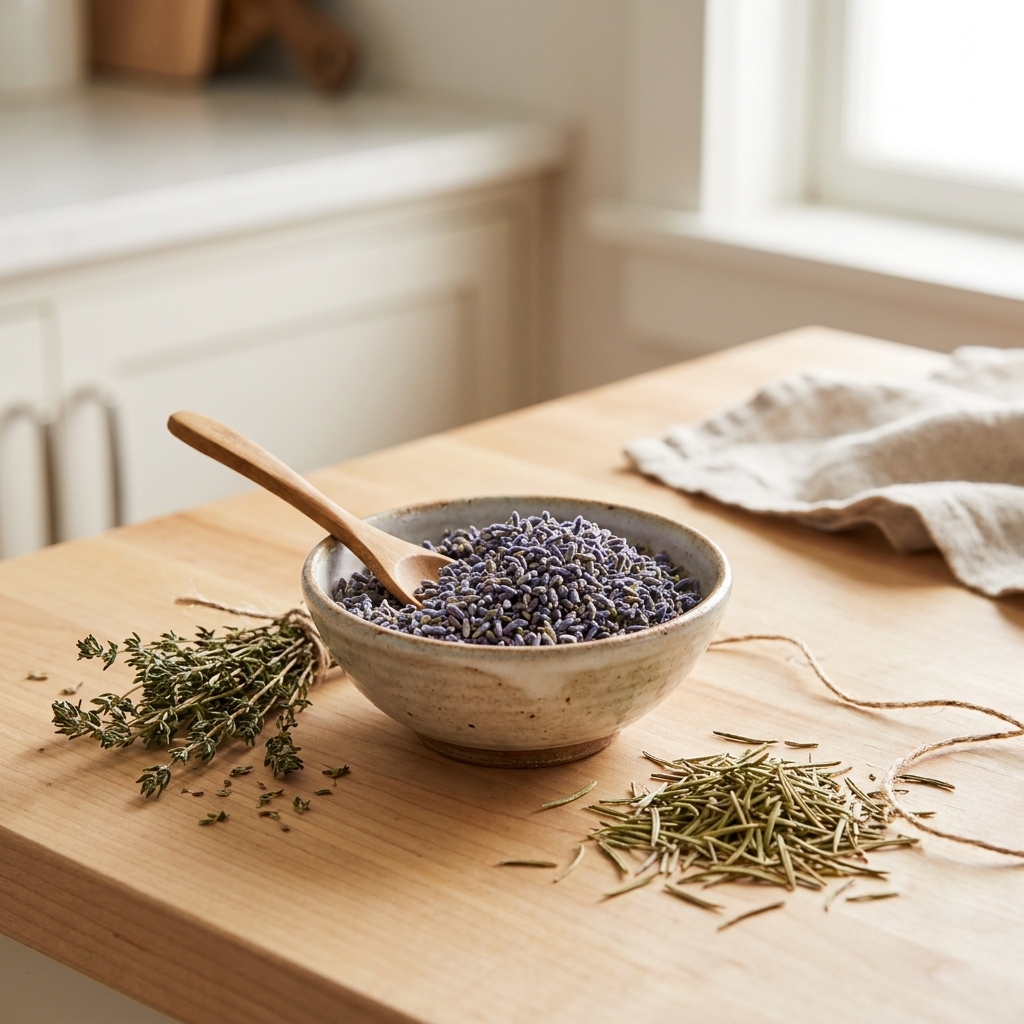
This blend always takes me straight to sunny kitchens and slow dinners. Some versions include lavender, which you can absolutely grow and dry at home if you have a bright, warm spot outdoors.
Ingredients (makes about 1/4 cup)
Yield can vary a little depending on how finely crushed everything is.
- 1 tbsp dried thyme
- 1 tbsp dried rosemary, crushed
- 1 tbsp dried savory (or substitute oregano if you do not have savory)
- 2 tsp dried marjoram
- 2 tsp dried oregano
- 1 to 2 tsp dried lavender buds (optional, start small)
How to make it
- Mix herbs together, then add lavender last.
- Rub a pinch between your fingers and smell. Lavender should be a gentle background note, not perfume.
- Jar and label.
How I use it
- Roast potatoes, carrots, or cauliflower with olive oil and a generous pinch.
- Season grilled fish or shrimp.
- Stir into a simple vinaigrette for salads.
Lavender note: Use food-grade culinary lavender, and keep it subtle. A little goes a long way.
4) Fines herbes
If you have ever wished for a blend that does not shout, this is it. Fines herbes is delicate and lovely in eggs, creamy sauces, and vegetables. Traditionally it is used fresh, but a dried version is still very useful when your garden is asleep.
Ingredients (makes about 3 tbsp)
Yield can vary a little depending on how finely the herbs are cut.
- 1 tbsp dried chives
- 1 tbsp dried parsley
- 2 tsp dried tarragon
- 2 tsp dried chervil (or add more parsley if you cannot find or grow chervil)
- 1 tsp dried dill (optional)
How to make it
- Make sure chives and parsley are cut small so they blend evenly.
- Mix and jar.
How I use it
- Whisk into scrambled eggs with a little butter.
- Stir into Greek yogurt with lemon for a quick dip.
- Sprinkle over steamed green beans right before serving.
Flavor tip: Because this blend is subtle, add it at the end of cooking whenever you can.
5) Pizza and pasta sprinkle
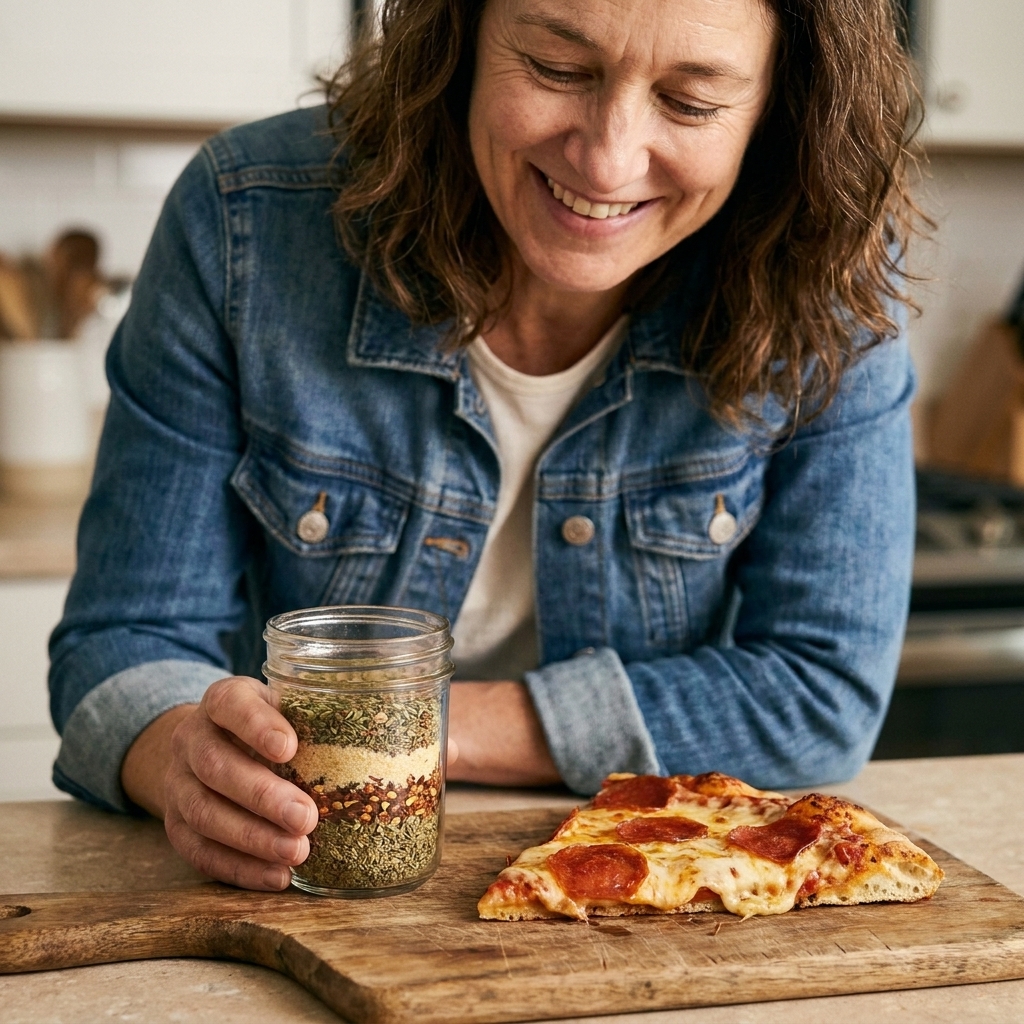
This one lives on my counter because it gets used constantly. It is basically a slightly punchier Italian blend with garlic, a little heat, and the kind of aroma that makes frozen pizza taste like you tried harder than you did.
Ingredients (makes about 1/3 cup)
Yield can vary a little depending on the cut of your dried herbs.
- 2 tbsp dried oregano
- 1 tbsp dried basil
- 1 tbsp dried parsley
- 2 tsp garlic powder
- 1 tsp onion powder
- 1/2 to 1 tsp crushed red pepper flakes (to taste)
How to make it
- Combine everything and stir well.
- If you like a finer texture, pulse once or twice in a spice grinder.
- Jar and label.
How I use it
- Sprinkle on pizza after baking for a fresher herb hit.
- Shake over buttered noodles with finely grated Parmesan.
- Add to tomato soup or minestrone.
Blending tips I learned the hard way
Leafy and woody herbs act differently
Oregano, thyme, and sage tend to hold flavor well when dried. Basil is more delicate. Rosemary is powerful but can feel sharp if the pieces are large. Crushing rosemary makes blends feel more balanced.
Skip salt for flexibility
I keep these blends salt-free so I can season food properly for the dish. If you love an all-in-one shaker, you can add fine salt, just keep it in a separate table blend jar and label it clearly.
Make small batches on purpose
It is tempting to make a huge jar. I have learned that the sweet spot is a batch you will finish in a few months. Freshness is the whole point of growing and drying your own herbs.
FAQ
How long do homemade dried herb blends last?
For best flavor, use within 6 to 12 months. After that, they are usually still fine if kept dry and clean, but they will taste flatter. If the blend smells like dust instead of dinner, it is time to refresh. And if you ever see moisture, clumping, off odors, or visible mold, toss it.
Can I substitute fresh herbs for dried in these blends?
For shelf-stable blends, stick to dried. Fresh herbs add moisture, which can cause clumping and spoilage. If you want a fresh version for tonight’s meal, a common rule is to use about 3 times as much fresh as dried by volume.
My blend tastes weak. What should I adjust?
Start by crushing the herbs a bit more and giving the jar a shake. If it is still mild, increase the herbs that carry the most aroma in dried form: oregano, thyme, sage, and rosemary. Basil often needs a boost.
What is the easiest blend to start with if I only grow a few herbs?
Italian seasoning is the most forgiving. If you have oregano and basil, you are already most of the way there. Add thyme when you can, and you have a blend that works with nearly anything.