There is a special kind of quiet joy in turning a handful of just-snipped leaves into a warm mug that smells like summer. Fresh herbal tea tastes greener, softer, and more alive than dried tea, but it also behaves a little differently. Leaves hold more water, stems can be surprisingly strong, and delicate blossoms bruise if you handle them roughly.
This guide is how I make garden tea in real life, from harvesting to steeping to blending flavors that feel balanced instead of muddy. You will find temperatures, timing, and plenty of combination ideas so you can use what is thriving in your own pots, beds, and windowsills.
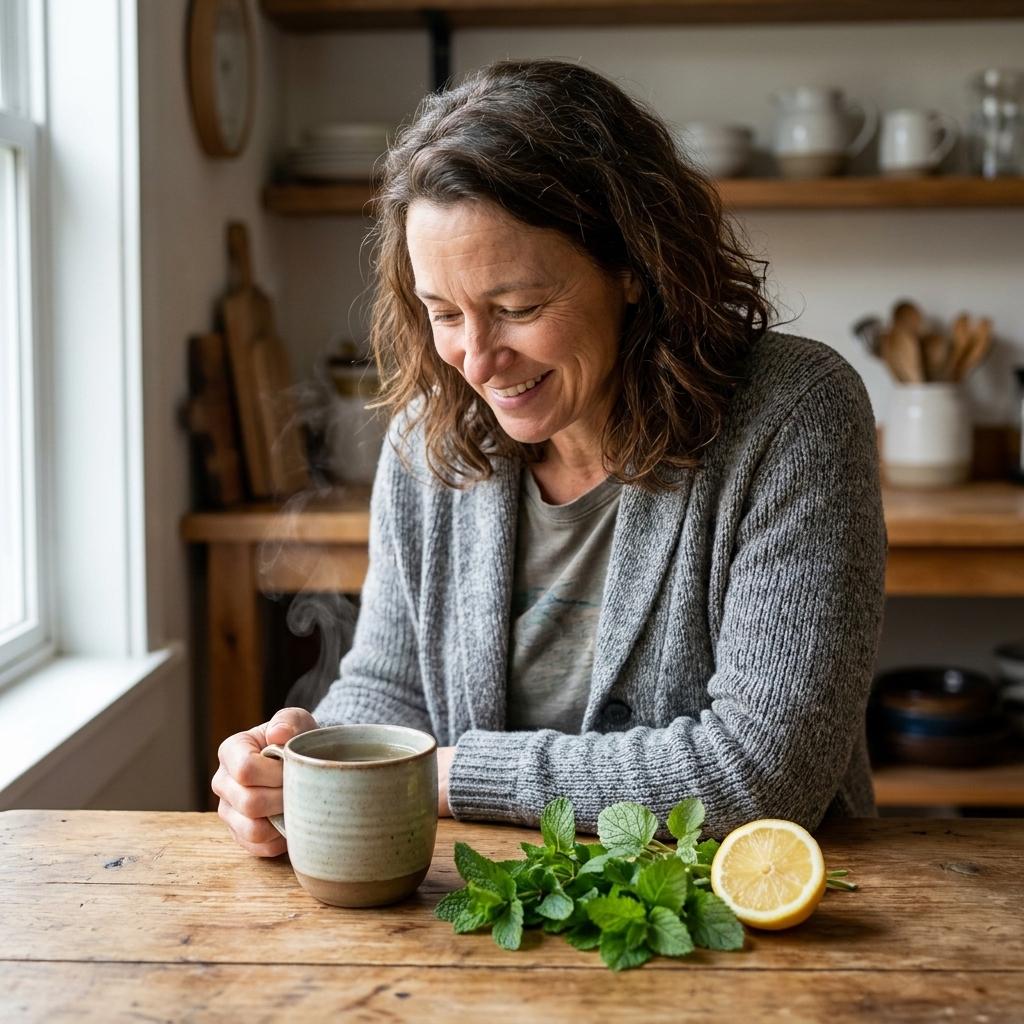
Start with the right harvest
The best cup begins before the kettle even turns on. Fresh tea is forgiving, but harvesting with intention keeps flavors bright and helps your plants bounce back quickly.
When to pick for the sweetest flavor
- Morning, after dew dries: This is my favorite time. The leaves are plump and aromatic, and you avoid watering down your flavors with extra surface moisture.
- Before flowering (for leafy herbs): Mint, lemon balm, basil, and oregano are usually most tender before they bloom. Once an herb is flowering, the plant often shifts toward stronger, sometimes slightly bitter compounds.
- Pick flowers just after they open: Chamomile and lavender are most fragrant when blossoms are fresh and fully open, not browning at the edges.
How much to harvest
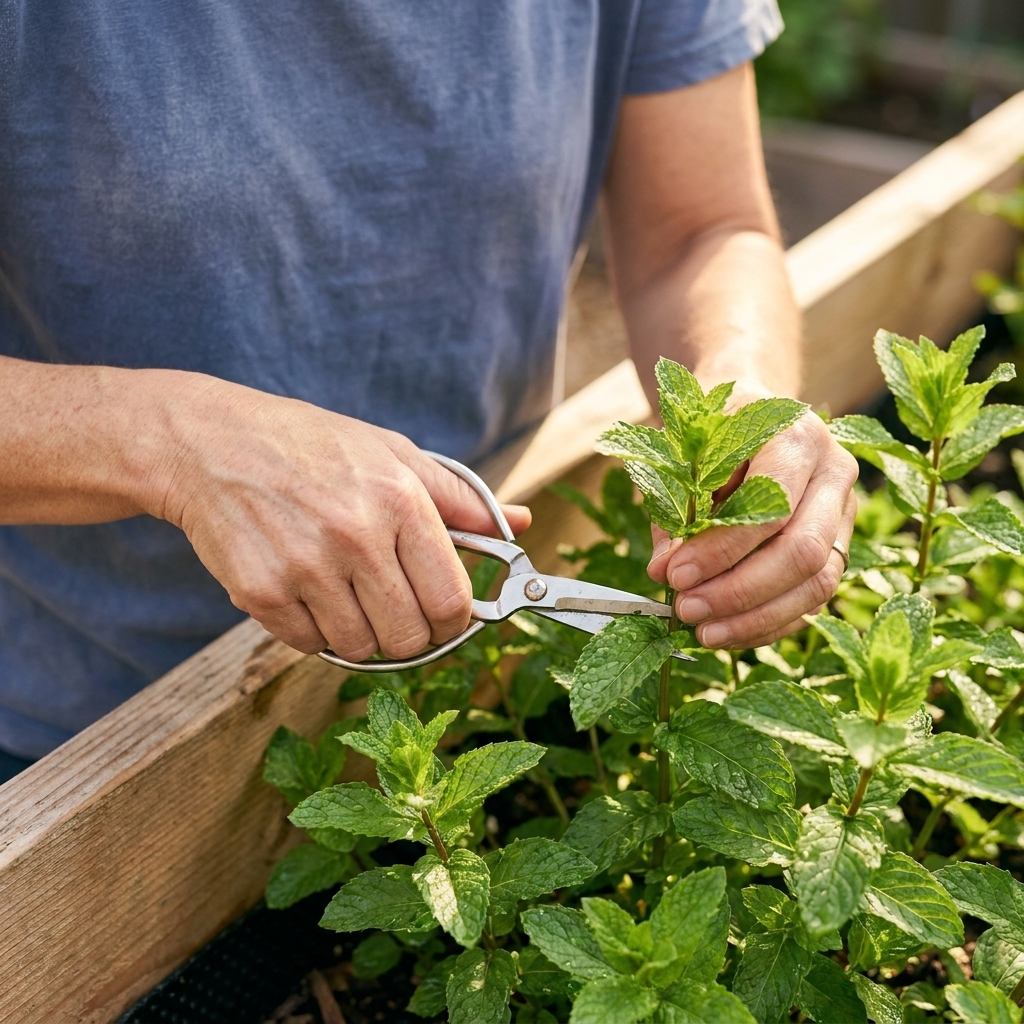
- Mint and lemon balm: You can take a generous handful. They grow like they mean it. Snip stems above a leaf set to encourage branching.
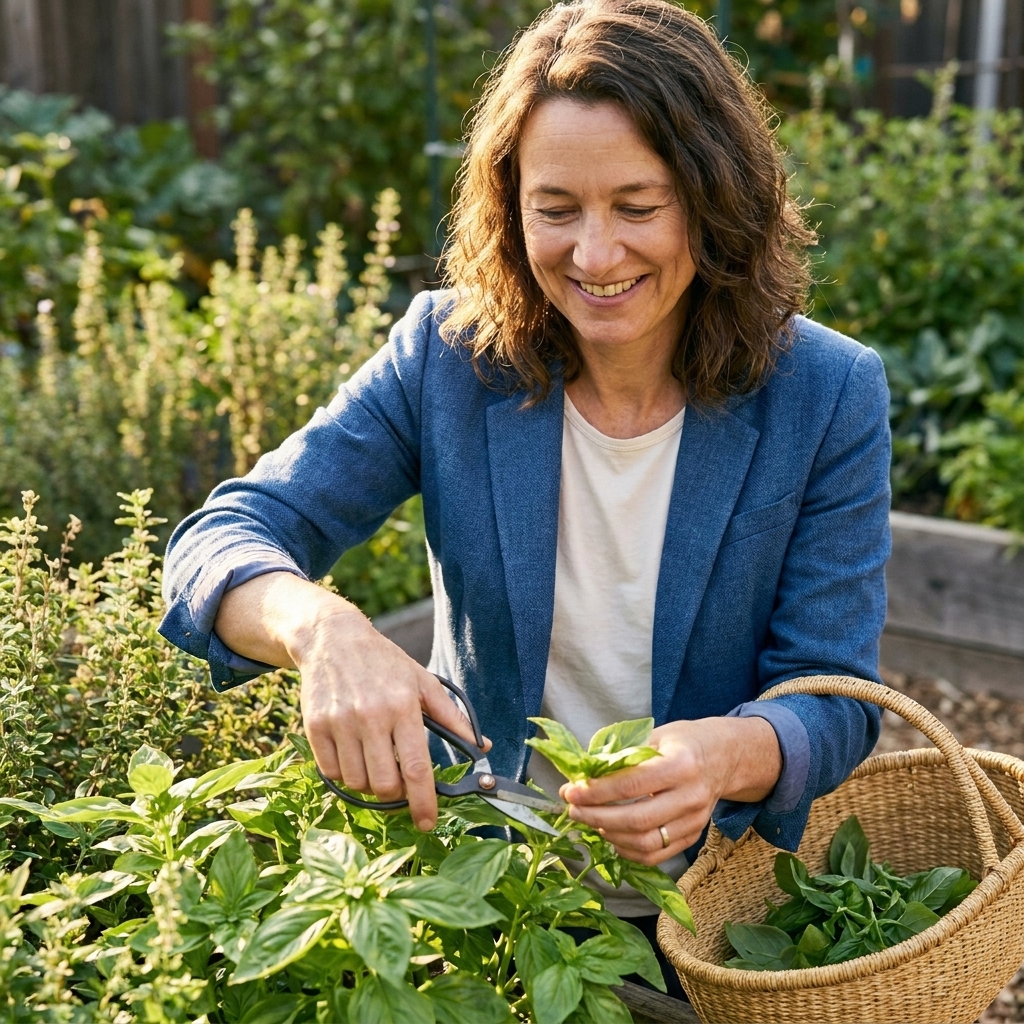
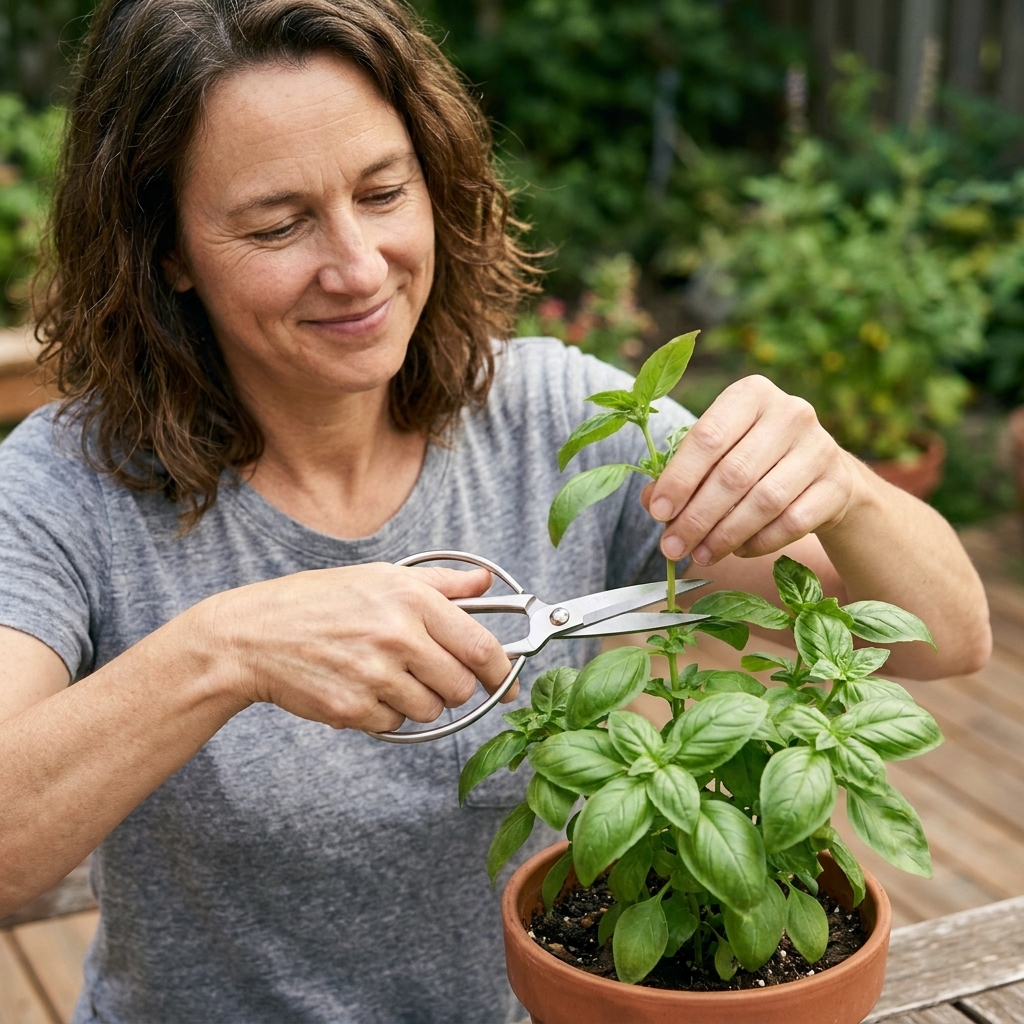
- Basil: Pinch above a pair of leaves, and you will get two new stems. This is the secret to a bushy basil plant and a steady tea supply.
- Rosemary, thyme, sage: Go lighter. These are potent and woody. A small sprig goes a long way in a mug.
- General guideline: If the plant is small, newly planted, or stressed by heat, try not to take more than about one-third at a time.
Quick rinse, gentle dry
If your herbs are clean and you trust your growing space, you can skip washing. If you do rinse, use cool water and a gentle swish, then pat dry or spin lightly. Extra water on the leaves can dilute your brew and make it taste flat.
Fresh vs. dried herbs
Fresh herbs contain a lot of water, so you generally need more volume to get the same flavor you would from dried.
- Easy rule: Use 2 to 3 times as much fresh herb as dried.
- For one mug (about 10 ounces): Start with 1/4 cup loosely packed fresh leaves for soft herbs (mint, lemon balm), or 1 to 2 teaspoons chopped for strong woody herbs (rosemary, thyme, sage).
- For one quart (4 cups): Start with 1 to 1 1/2 cups fresh leaves, then adjust.
If your first cup tastes a little light or a little bold, you are doing it right. Adjust next time.
Water temperature
Most herbal teas are tisanes, meaning they are not made from true tea leaves. That usually means you can use hotter water without the sharp astringency you get from black or green tea. Still, temperature matters because delicate herbs can taste cooked or overly vegetal if you hit them with a full rolling boil.
My go-to temperature guide
| Herb type | Examples | Best water temperature | Why it works |
|---|---|---|---|
| Delicate leafy herbs | Mint, lemon balm, basil, lemon verbena | 175 to 195°F (80 to 90°C) | Preserves fresh, bright top notes |
| Flowers | Chamomile, lavender, rose petals | 175 to 195°F (80 to 90°C) | Keeps florals sweet, not sharp |
| Woody herbs | Rosemary, thyme, sage | 195 to 205°F (90 to 96°C) | Helps extract oils from tougher leaves |
| Roots and seeds | Ginger, fennel seed (if you use them) | 205°F (96°C) or gentle simmer | Needs heat to fully infuse |
No thermometer? Bring water to a boil, then let it cool about 1 to 3 minutes. Use the shorter end for woody herbs, and the longer end for delicate leaves and flowers. Another simple cue: for delicate herbs, pour when the water is no longer at a rolling boil and the bubbles have calmed down.
Steeping times
Fresh herbs infuse quickly, but the best steep time depends on whether you want a light, garden-fresh sip or a deeper, stronger cup.
Steeping time guide
- Mint, lemon balm, lemon verbena: 5 to 8 minutes (longer can get grassy)
- Basil: 3 to 6 minutes (too long can taste peppery)
- Lavender: 3 to 5 minutes (easy to overdo)
- Chamomile: 5 to 10 minutes (sweet spot is usually 7)
- Rosemary, thyme, sage: 6 to 12 minutes (I like 8 to 10)
Lid on
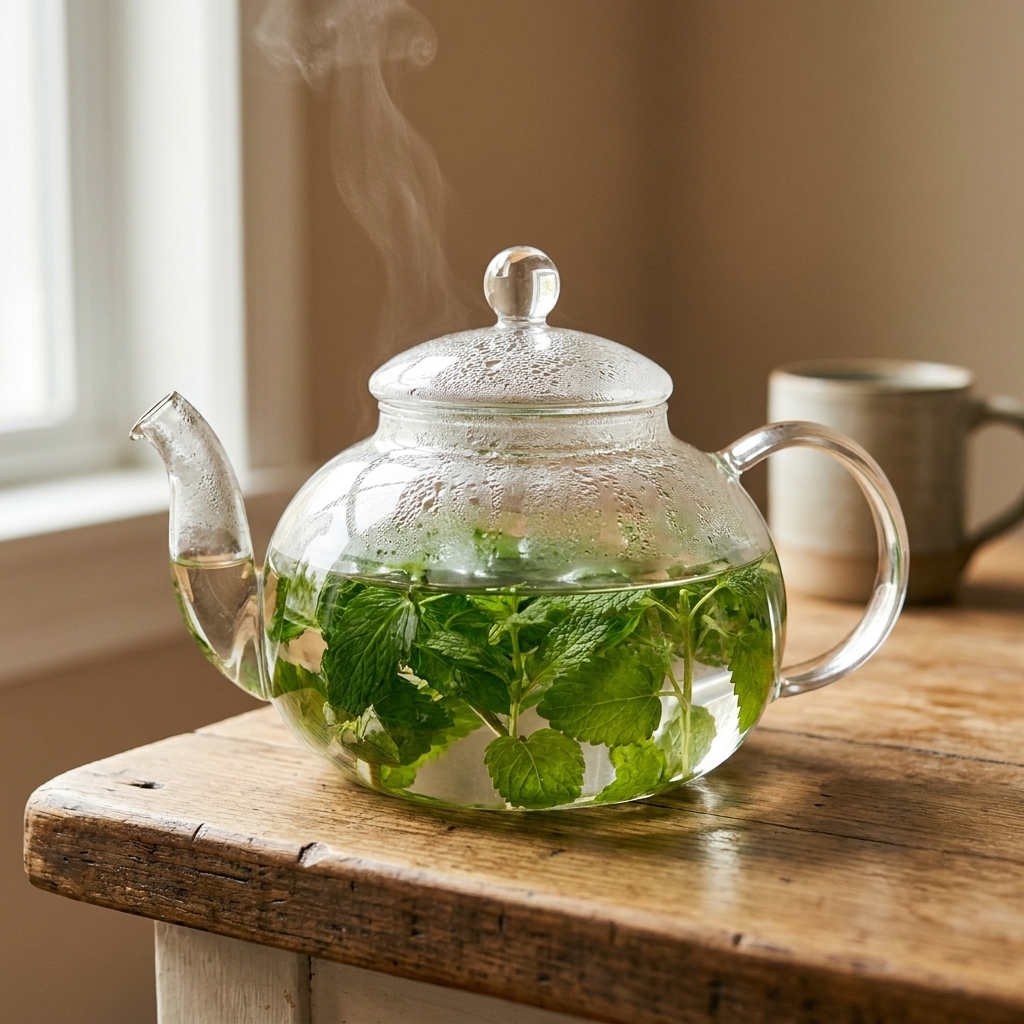
Cover your mug or teapot while it steeps. Those aromatic oils are what make fresh tea feel like a small exhale. A lid keeps them in your cup instead of in your kitchen air.
Blending fresh herbs
When people tell me their homemade herbal tea tastes weird, it is usually not the herbs. It is the ratio. A good blend has structure, like a simple recipe.
The 3-part method
- Base herb (60 to 70%): gentle, drinkable, and generous. Think mint, lemon balm, chamomile, or nettle if you grow it.
- Accent herb (20 to 30%): adds brightness or a specific direction. Basil for a green note, lemon verbena for citrus, rose petals for softness.
- Power herb (5 to 10%): strong, resinous, or spicy. Rosemary, thyme, sage, lavender. This is where bitterness happens if you get heavy-handed.
A repeatable mug blend
For one 10-ounce mug: 1/4 cup mint (base) + 2 tablespoons lemon balm (accent) + one small rosemary tip (power). Steep 7 minutes at about 190°F.
Tear or bruise, do not mash
I like to tear mint and lemon balm leaves once or twice, or lightly bruise them between my fingers. You want to wake up the oils, not grind the leaves into paste. For woody herbs, a quick chop helps water reach the oils. Avoid shredding everything into tiny bits if you can, because fine particles can make the cup taste muddy and are annoying to strain.
Favorite blends
These are blends I return to all season. Use them as written, or as jumping-off points for your own harvest.
1) Classic Mint Meadow
- 1/4 cup fresh mint leaves
- 1/4 cup fresh lemon balm leaves
- Optional: a thin slice of lemon
Water: 185 to 195°F
Steep: 6 to 8 minutes
Taste: cooling, bright, and gently sweet
2) Lavender Lemon Cookie
- 1/4 cup fresh lemon verbena (or lemon balm)
- 2 to 4 fresh lavender buds (or a small pinch of blossoms)
Water: 185 to 190°F
Steep: 3 to 5 minutes
Taste: citrusy with a soft floral finish
3) Rosemary Citrus Wake-Up
- 1/4 cup fresh mint or lemon balm
- 1 small rosemary sprig (2 to 3 inches)
- Optional: a strip of orange peel
Water: 195 to 205°F
Steep: 8 to 10 minutes
Taste: crisp, piney, and refreshing
4) Chamomile Garden Sunset
- 1/3 cup fresh chamomile blossoms
- A few torn mint leaves
- Optional: 2 rose petals (unsprayed)
Water: 185 to 195°F
Steep: 7 to 10 minutes
Taste: honey-like and calming
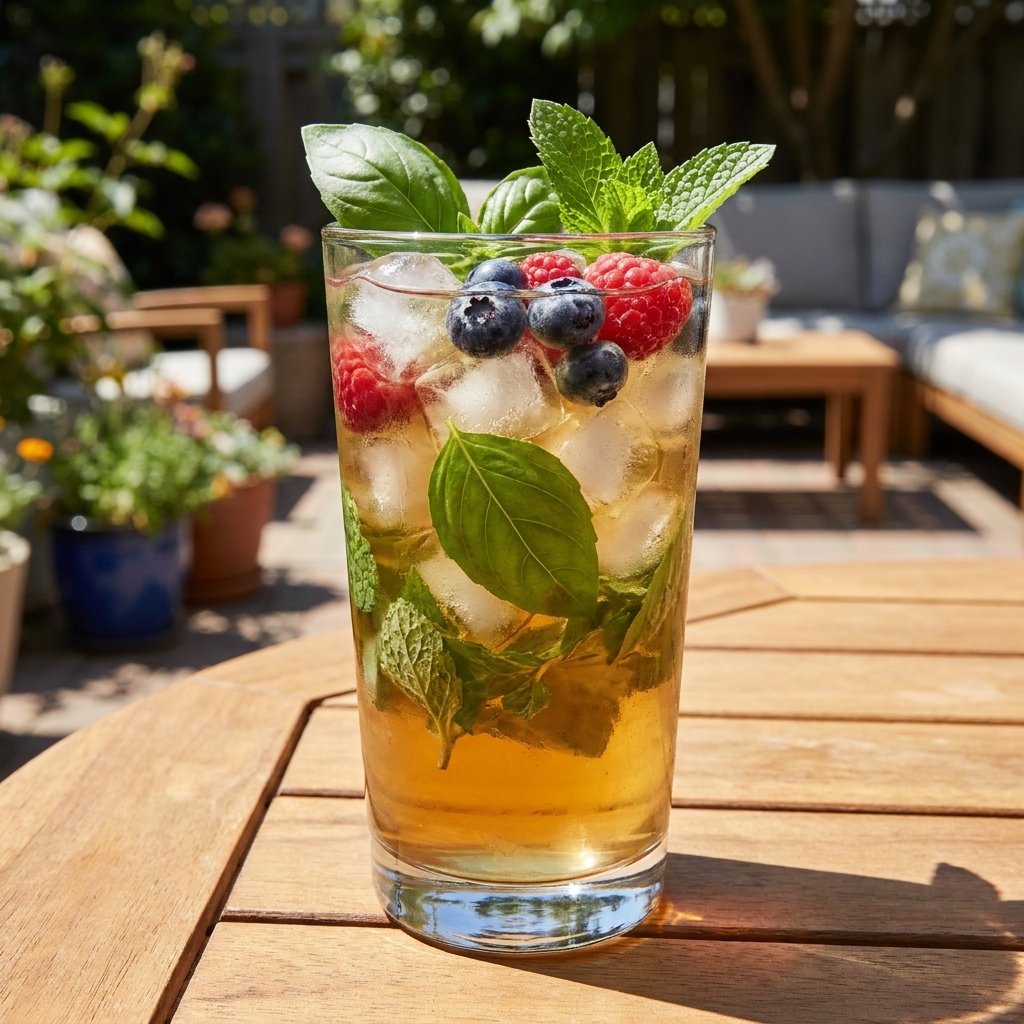
5) Basil Berry Iced Tea (no black tea needed)
- 1/4 cup fresh basil leaves
- 1/4 cup fresh mint leaves
- A small handful of berries, lightly smashed
Water: 180 to 190°F
Steep: 4 to 6 minutes
To serve: strain, pour over ice, add more berries and a squeeze of lemon.
Brewing methods
Single mug
- Add your fresh herbs to a mug.
- Pour hot water at the right temperature.
- Cover with a small plate or lid.
- Steep, then strain through a fine mesh sieve.
Teapot
Use a pot with an infuser basket if you have it. If not, just toss the herbs in loose and strain when done. For a balanced pot, I like a base herb plus one accent and one power herb, rather than five different things at once.
Straining tools that help
- Fine mesh sieve: my everyday choice, especially for chamomile, which sheds lots of tiny pieces.
- Basket infuser: easy cleanup and fewer floaty bits.
- French press: surprisingly great for leafy herbs, just press slowly so you do not churn up sediment.
- Reusable tea bag: handy for travel mugs and iced tea jars.
Sun tea, safely
I love the romance of sun tea, but herbs sitting warm for hours can become a food-safety risk. If you want a gentle, cold-style infusion, I prefer one of these:
- Cold brew in the fridge: Add herbs to a jar, fill with cold water, cover, and refrigerate 6 to 12 hours. Strain and chill.
- Hot brew then chill: Brew strong with hot water, strain, then cool and refrigerate.
If you do set tea out at room temperature, keep it brief and refrigerate promptly. When in doubt, skip it and use the fridge method.
Sweeten and finish
Fresh herbal tea can be naturally sweet, especially with lemon balm, chamomile, and mint. If you want to sweeten, a light touch keeps the garden flavor front and center.
- Honey: best in warm tea, especially with chamomile or lavender.
- Maple syrup: a gentle, cozy sweetness that pairs well with rosemary and sage.
- Simple syrup: the easiest way to sweeten iced tea evenly.
- Citrus: Add juice after steeping to keep the flavor bright (heated juice can taste flat or a little harsh). If you use peel or zest, steep it with the herbs, but treat it like a power ingredient and do not overdo the time.
Troubleshooting
It tastes bitter
- Lower your water temperature, especially for basil and flowers.
- Steep for less time.
- Use less of the power herb like rosemary, sage, thyme, or lavender.
- Use mostly leaves if you included a lot of stems.
It tastes weak
- Use more fresh herb volume.
- Tear, bruise, or chop the herbs before steeping.
- Increase steep time by 2 to 3 minutes.
- For woody herbs, use slightly hotter water.
It tastes grassy or like cooked greens
- Use cooler water for leafy herbs (aim closer to 175 to 185°F).
- Shorten steep time.
- Pick younger leaves, and avoid older, tougher growth.
It tastes muddy
- Use fewer different herbs at once.
- Avoid pulverizing leaves too finely.
- Strain through a fine mesh sieve.
Storage tips
If your garden is giving you more than you can drink today, you have options that still taste wonderful.
Short-term: 2 to 5 days
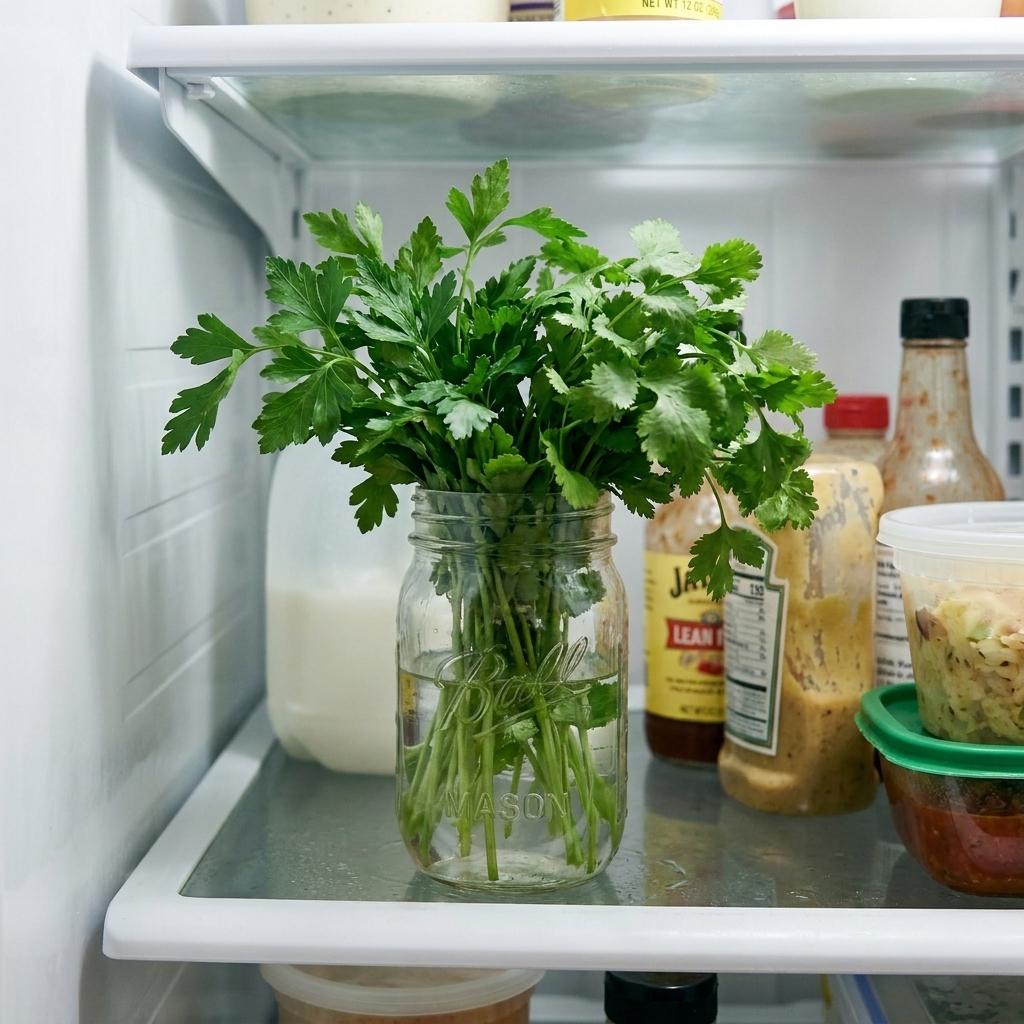
- Soft herbs (mint, lemon balm, basil): trim stem ends and stand them in a glass with a little water, loosely covered with a bag in the fridge (basil often prefers room temperature on the counter).
- Woody herbs (rosemary, thyme, sage): wrap in a barely damp paper towel and store in a container in the fridge.
Freeze for instant fresh-ish tea
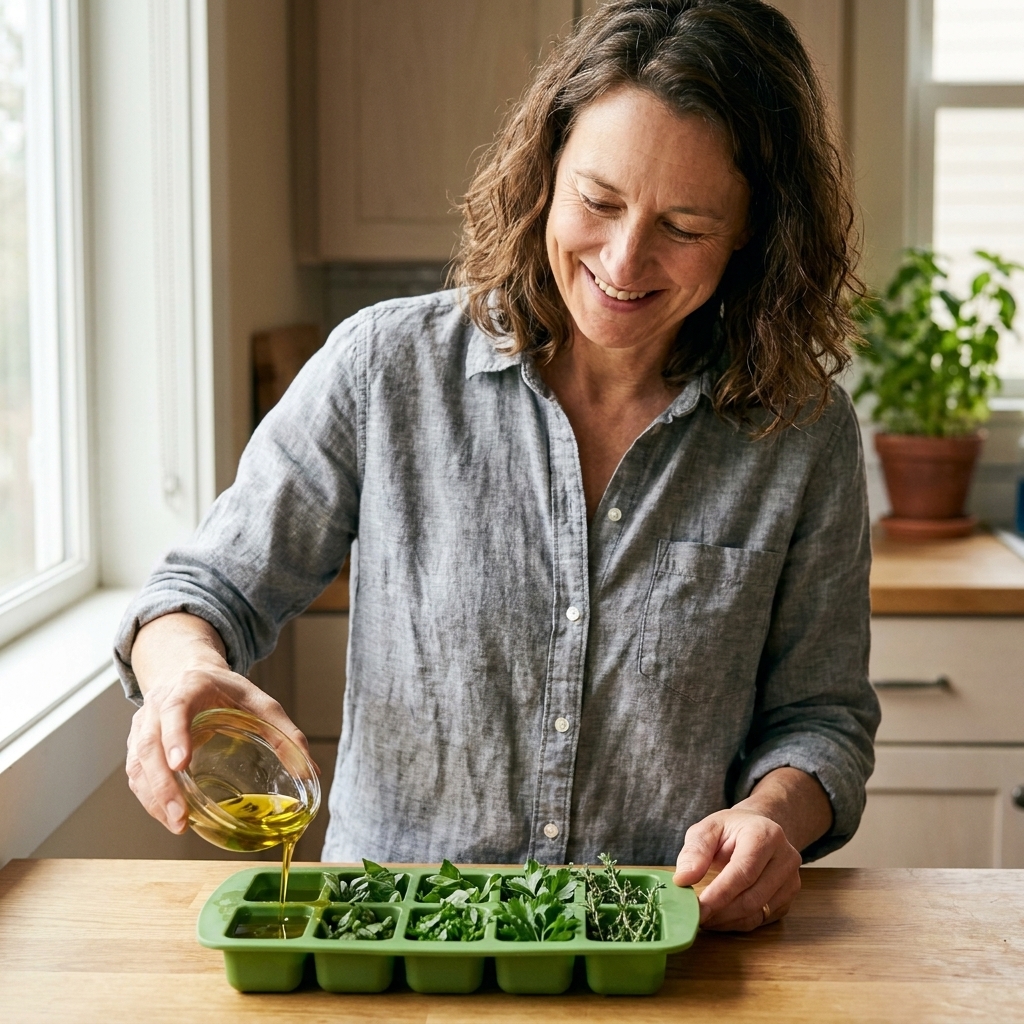
My favorite trick is freezing herbs in ice cube trays.
- Chop soft herbs (mint, lemon balm, basil).
- Pack into an ice cube tray.
- Cover with water and freeze.
- Drop a cube into a mug and pour hot water over it.
Dry for winter
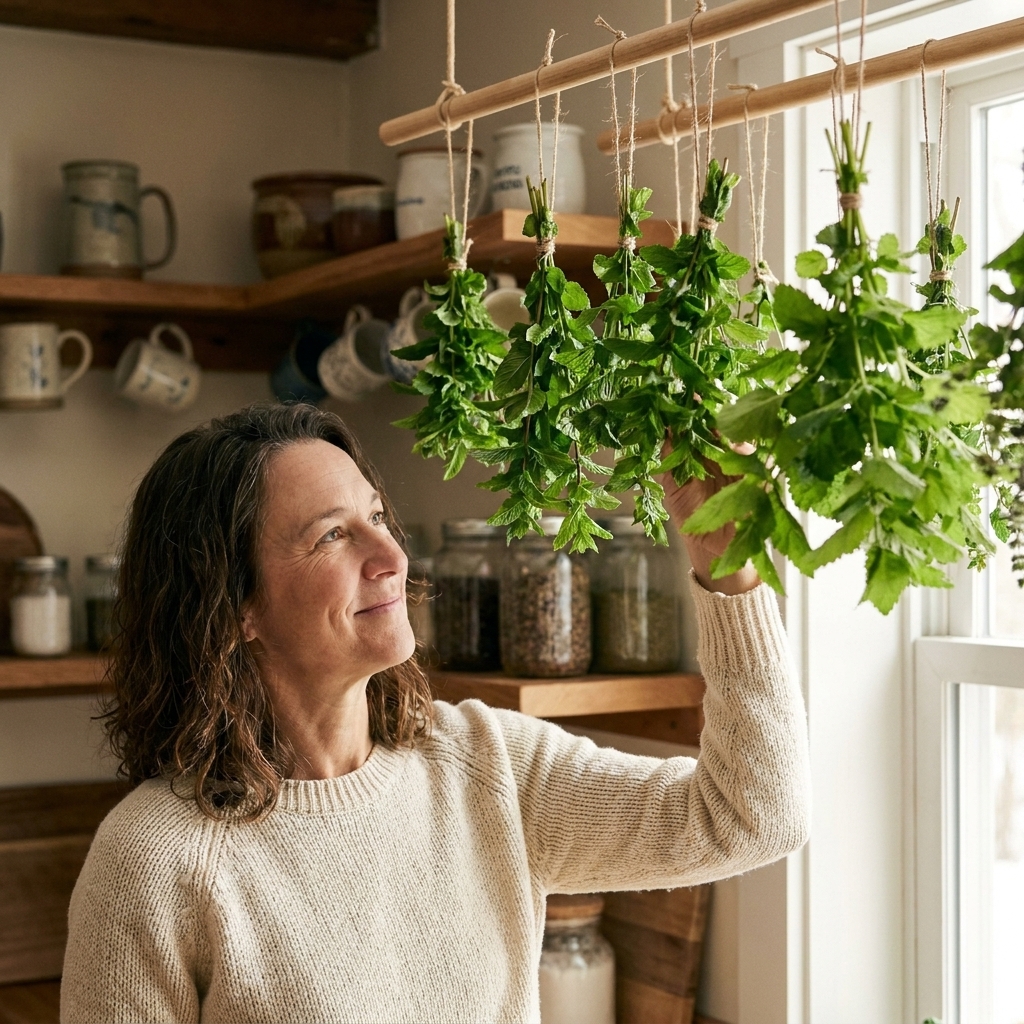
Air-drying mint, lemon balm, and lavender is simple and satisfying. Drying concentrates flavor, so remember the fresh-to-dried rule in reverse when you brew later. Dried blends are wonderful, but fresh tea has a different kind of sparkle, so I enjoy both for what they are.
Safety notes
Garden tea is generally gentle, but a few common-sense checks keep it comfortable for everyone.
- Know your plant: Only brew herbs you can confidently identify and that are traditionally used as culinary herbs.
- Avoid sprayed plants: Do not use herbs or flowers treated with pesticides not labeled for edible crops.
- Use food-safe blossoms: Brew only flowers you would feel good about eating, from a clean, chemical-free source.
- Allergies happen: Chamomile is in the daisy family, which can bother some people with ragweed allergies.
- Medication and pregnancy considerations: If you are pregnant, nursing, or on medication, check with a qualified professional before drinking large amounts of medicinal-strength herbs like sage or rosemary.
First cup recipe
If you are standing in your garden right now with scissors in hand, here is the gentlest place to begin.
Beginner Mint and Lemon Balm Tea
- 1/4 cup fresh mint leaves
- 1/4 cup fresh lemon balm leaves
- 10 ounces water at about 190°F
- Rinse and pat herbs dry if needed.
- Tear or lightly bruise the leaves and place in a mug.
- Pour hot water over the herbs.
- Cover and steep 7 minutes.
- Strain, then sip while it is still fragrant.
Once you know what this base tastes like, you can start adding tiny pinches of lavender, a rosemary tip, or a few basil leaves and build your own signature cup.
FAQ
Can I use basil for tea?
Yes, and it is lovely, especially with mint, lemon balm, or a bit of citrus. Use slightly cooler water (around 180 to 190°F) and steep 3 to 6 minutes so it stays sweet and aromatic instead of peppery.
Why does my mint tea taste bitter sometimes?
Most often it is over-steeping, very hot water, or a heavy dose of stems. Try 185 to 195°F water, steep 6 to 8 minutes, and use mostly leaves.
What is the best herb to grow for tea beginners?
Mint and lemon balm are the easiest, most forgiving, and they taste good even when your measurements are not perfect. Just keep mint contained in a pot unless you want it to move in permanently.
Can I mix herbs with black or green tea?
Absolutely. Brew your black or green tea separately (so you can control bitterness), then add fresh herbs for a quick 2 to 4 minute steep. Mint with green tea and a little honey is a classic for a reason.