Some of my favorite “use what you grew” moments happen far away from the garden bed, usually when the kettle is on and the house is quiet. If you have a jar of dried lavender buds or chamomile tucked in your pantry, you are already halfway to a deeply soothing bath. Homemade herbal bath salts are one of the simplest ways to stretch a small harvest into something that feels generous, especially in winter when the garden is sleeping.
Below is the exact method I use for long-lasting, skin-safe herbal bath soaks, plus a few blend ideas and the little details that make the difference between “nice” and “I can smell this jar every time I open the cabinet.”
What bath salts do
Bath salts are mostly about two things: the feel of the water on your skin and the aroma you breathe in while you soak.
- Epsom salt (magnesium sulfate) dissolves easily. In my experience, it can make bathwater feel a little smoother and more comforting, especially after gardening, long walks, or a day on your feet.
- Botanicals (your dried herbs) add gentle aromatherapy and a cozy ritual. Lavender, chamomile, and rose are classics for a reason.
- Optional essential oils can boost scent, but you can absolutely make a beautiful blend without them if your herbs are fragrant and freshly dried.
If you are growing herbs at home, bath salts are also a practical way to use those “extra handfuls” of flowers and leafy trimmings that do not always make it to dinner.
Best dried herbs for a calming soak
Use dried herbs you trust and that smell clean and true. If a jar smells dusty, musty, or like cardboard, save yourself the disappointment and compost it.
Gentle, soothing favorites
- Lavender buds: classic calming scent, long-lasting in a jar.
- Chamomile: soft apple-like aroma, especially comforting before bed. If you are sensitive to ragweed or daisies, do a cautious test or skip it.
- Rose petals: adds a sweet floral note and looks lovely in the mix.
- Calendula petals: mild scent, pretty color, and commonly used in skin care.
Fresh and clarifying (use a lighter hand)
- Rosemary: crisp and energizing, wonderful after a workout or a heavy day.
- Mint: cooling and bright, best used sparingly since it can feel intense on sensitive skin.
- Lemon balm: gentle citrus-herb scent, pairs beautifully with lavender.
A quick garden safety note: only use botanicals that are clearly identified and pesticide-free. Avoid plants that can irritate skin, and skip anything you are unsure about.
What you need (with easy ratios)
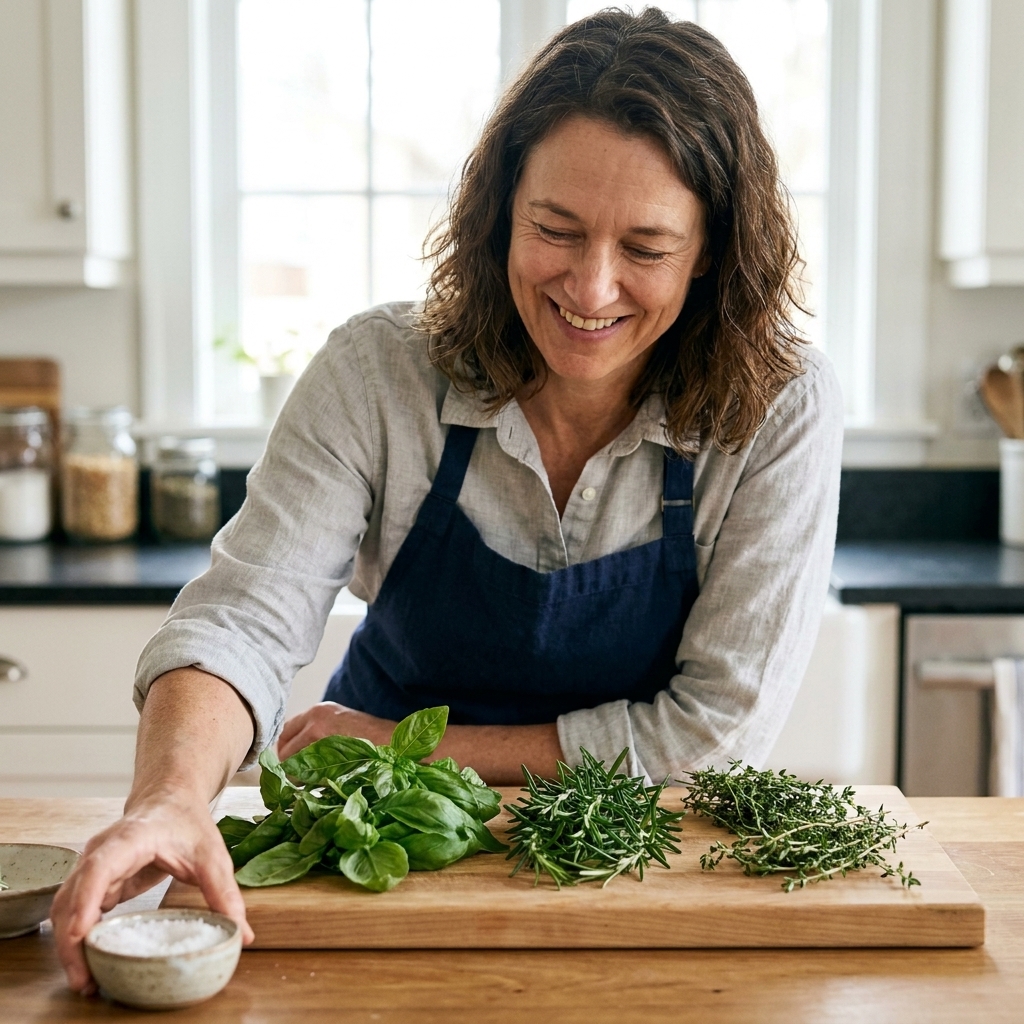
You can keep this as simple as salt plus herbs. The trick is using enough salt to hold the scent and enough herb to feel special without turning your tub into a leaf soup.
Basic formula
- 2 cups Epsom salt
- 1/4 to 1/3 cup dried herbs (or a mix of herbs)
- Optional: 1/2 cup fine sea salt (for a denser, more “spa” feel)
- Optional: 1 tablespoon baking soda (for a smoother water feel for some people, but skip if you are very sensitive)
- Optional: 6 to 12 drops essential oil total (see safety notes below)
This makes about one medium jar and roughly 4 to 5 baths if you use 1/2 cup per soak (depending on how many add-ins you include).
Tools
- Measuring cups and spoons
- Mixing bowl
- Spoon or whisk
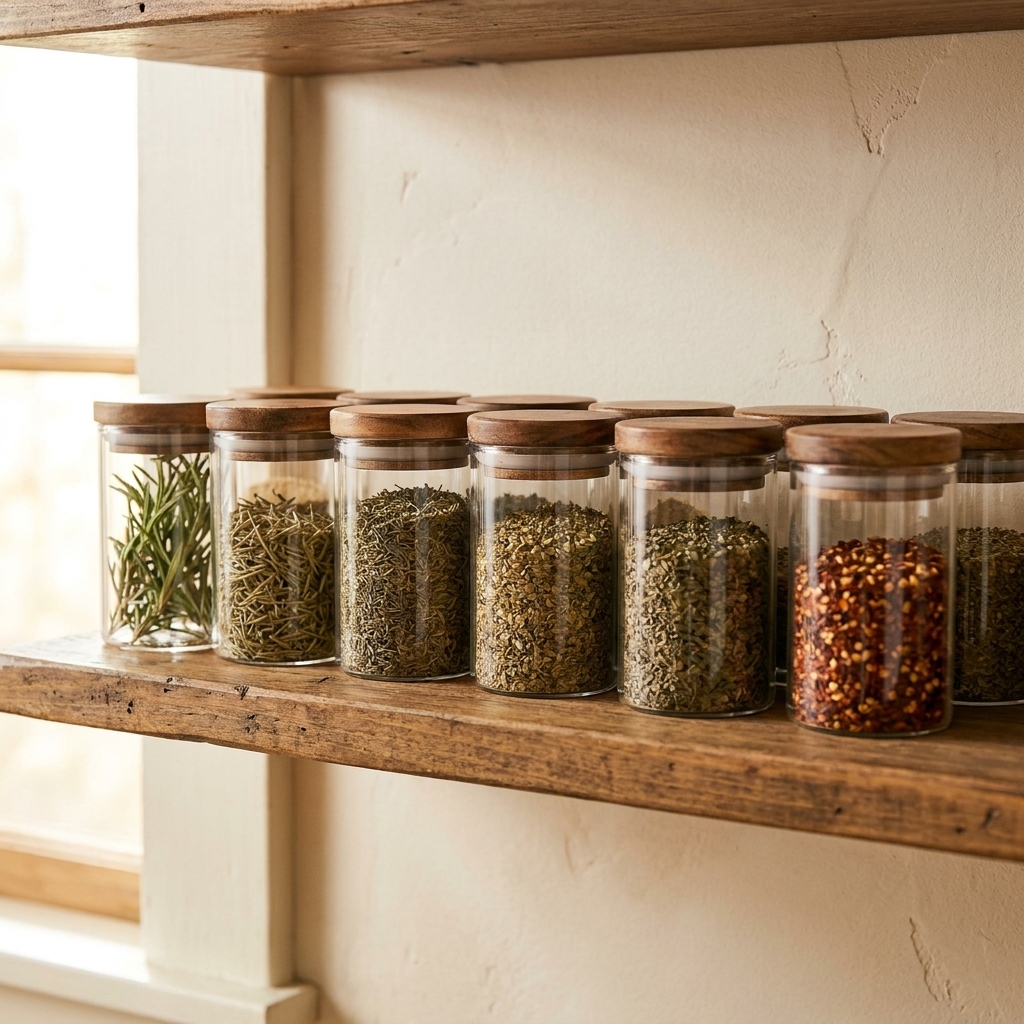
- Clean, dry jar with a tight lid
- Optional: muslin bags or a tea infuser for the tub (highly recommended for easy cleanup)
Step-by-step: herbal bath salts
1) Make sure everything is truly dry
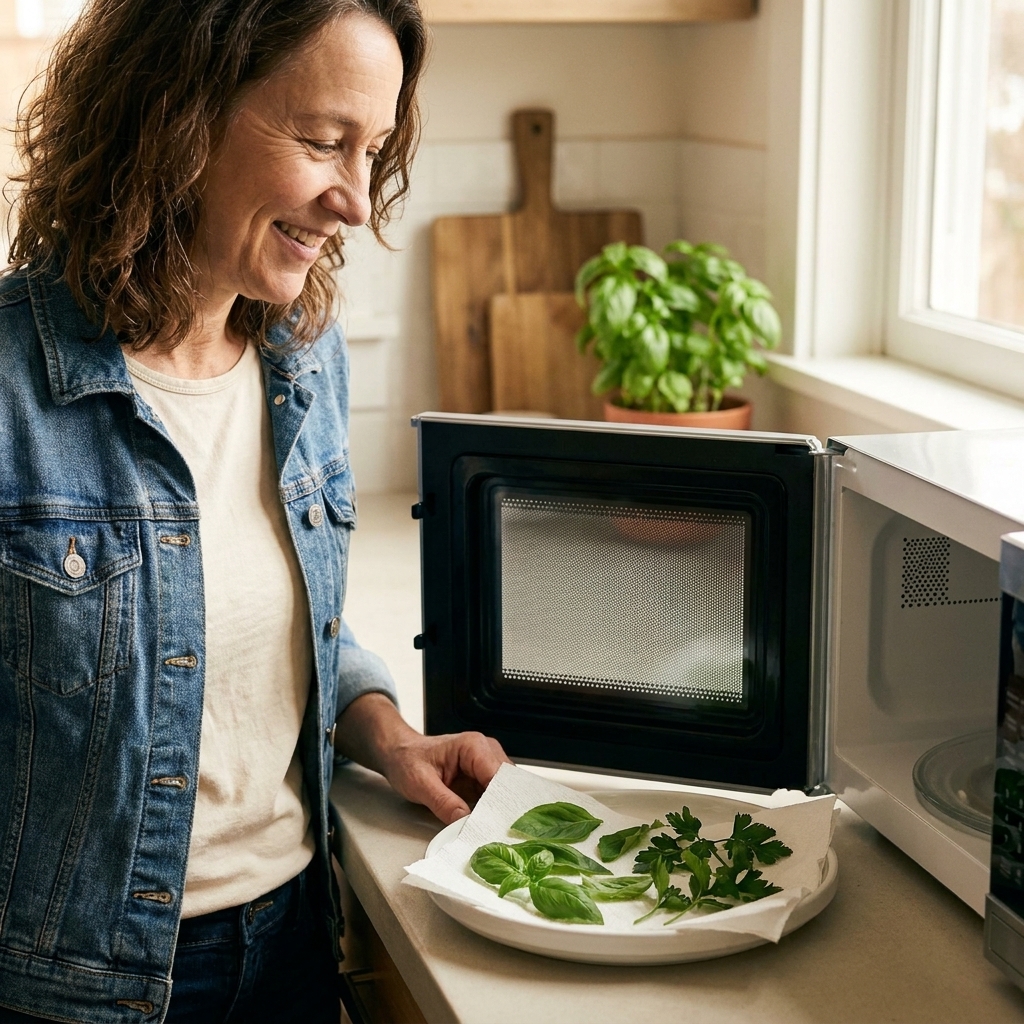
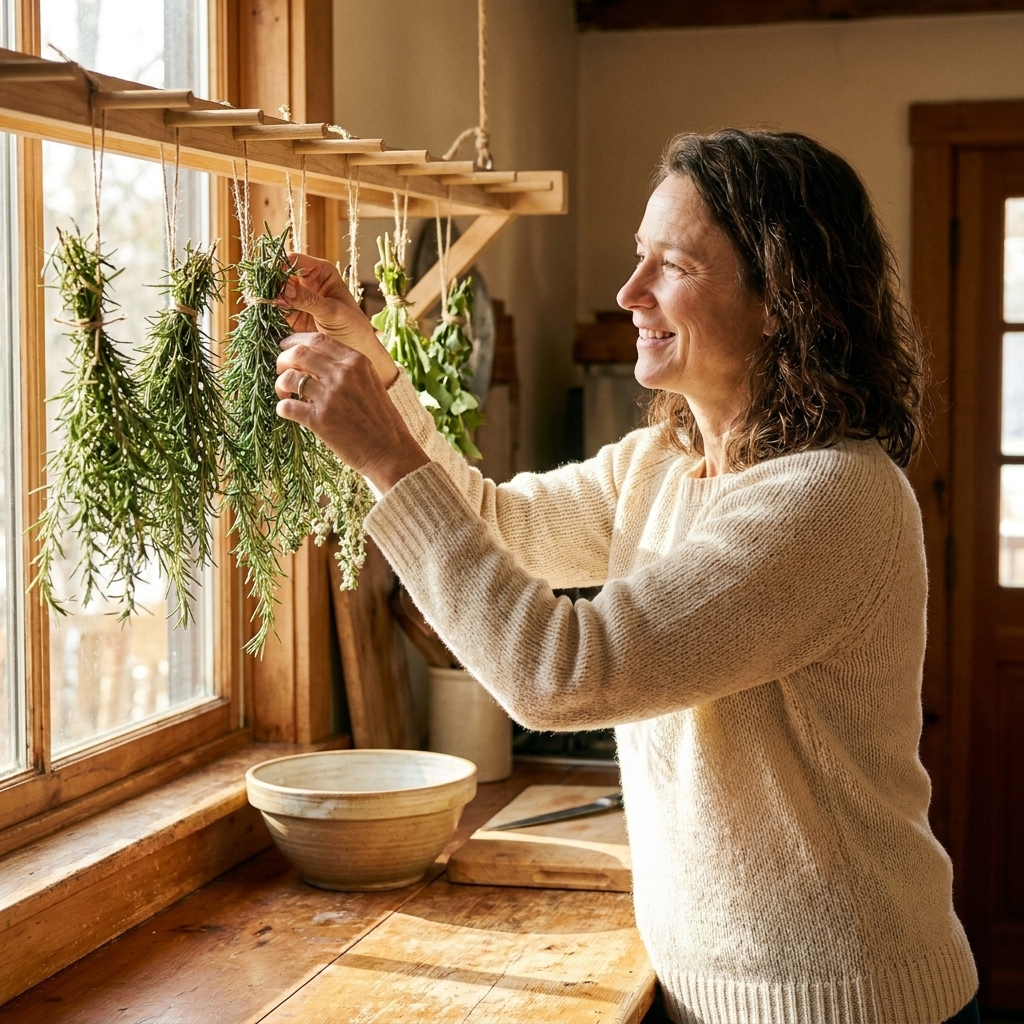
Moisture is the enemy of bath salts. Dried herbs should feel crisp, not bendy. Your jar should be fully dry inside. If you washed it recently, let it air dry completely or wipe it and leave it open for an hour.
2) Crush herbs lightly for better scent
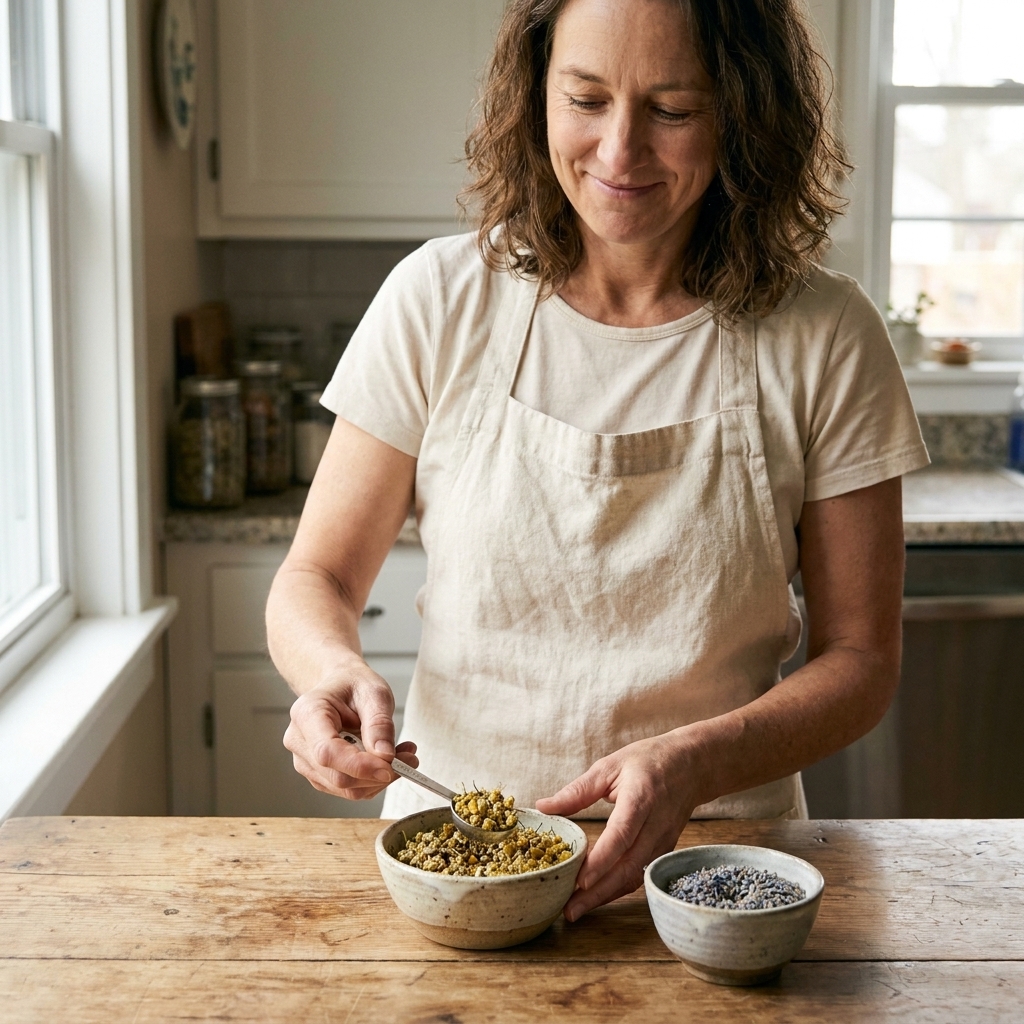
I like to rub lavender buds or rosemary leaves gently between my fingers, just enough to wake up the aroma. Do not grind into powder. Powdery herbs can stick to skin and make the tub harder to rinse.
3) Mix the salts first
In a bowl, combine Epsom salt and any optional sea salt or baking soda. Stir well so it is evenly distributed.
4) If using essential oils, prep them safely
Essential oils do not truly dissolve into bathwater, even if you mix them into salt. To keep things gentler, either skip essential oils entirely (my favorite option for sensitive skin), or use a simple carrier.
- Gentler method: stir 6 to 12 drops total essential oil into 1 tablespoon of a neutral bath oil (like fractionated coconut or jojoba) or unscented liquid soap first, then pour that into the salt mixture and stir well.
- If you are not using a carrier: keep the drop count low, stir thoroughly into the salt for a full minute, and be extra cautious if you are prone to irritation.
5) Stir in dried herbs
Fold in your dried herbs. Take a moment to smell the blend and adjust. Want it softer? Add a spoonful more chamomile. Want it more floral? Add more lavender or rose.
6) Jar it up and let it “marry”
Spoon into a clean jar, seal, and let it sit for 24 to 48 hours. The scent settles into the salts and becomes more cohesive.
How to use in the bath
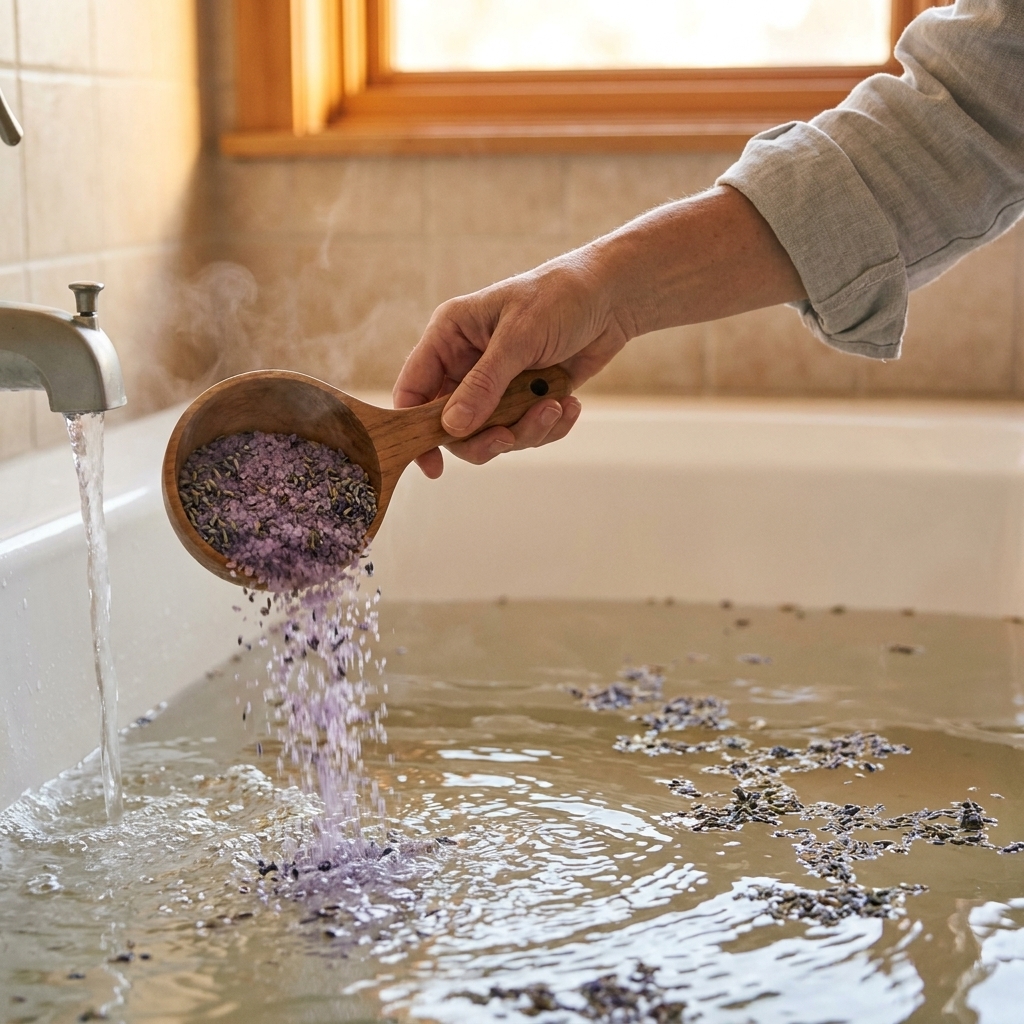
- Add 1/2 cup bath salts to warm running water.
- Soak for 15 to 25 minutes.
- For easy cleanup, place the herbal mix in a muslin bag (or even a clean cotton sock dedicated to bath time) and toss that into the tub as it fills. This is also a good idea if you have older plumbing or a septic system.
Skin-safe scent tips
Dried herbs are often gentle, but skin is personal. Essential oils are concentrated plant compounds and deserve respect. A little goes a long way.
- Patch test if you are unsure: If you tend to react easily, test a pinch of the blend in a bowl of warm water and dab on your inner arm, or simply skip essential oils and keep herbs in a bag.
- Keep the dose low: For a whole batch (about 2 to 3 cups of salts), I stay in the 6 to 12 drops total range if using essential oils.
- Use a carrier if possible: Pre-mix essential oils with a tablespoon of bath oil or unscented liquid soap before combining with salts.
- Avoid broken or freshly shaved skin: If your skin is irritated, skip essential oils and keep it to plain salts and herbs in a muslin bag.
- If you are pregnant, nursing, or bathing kids: Choose extra-gentle blends, use fewer drops, or skip essential oils entirely. When in doubt, ask a healthcare professional.
If you want scent without essential oils, increase the dried botanicals slightly and choose especially fragrant herbs like lavender, lemon balm, or rose.
My favorite blends
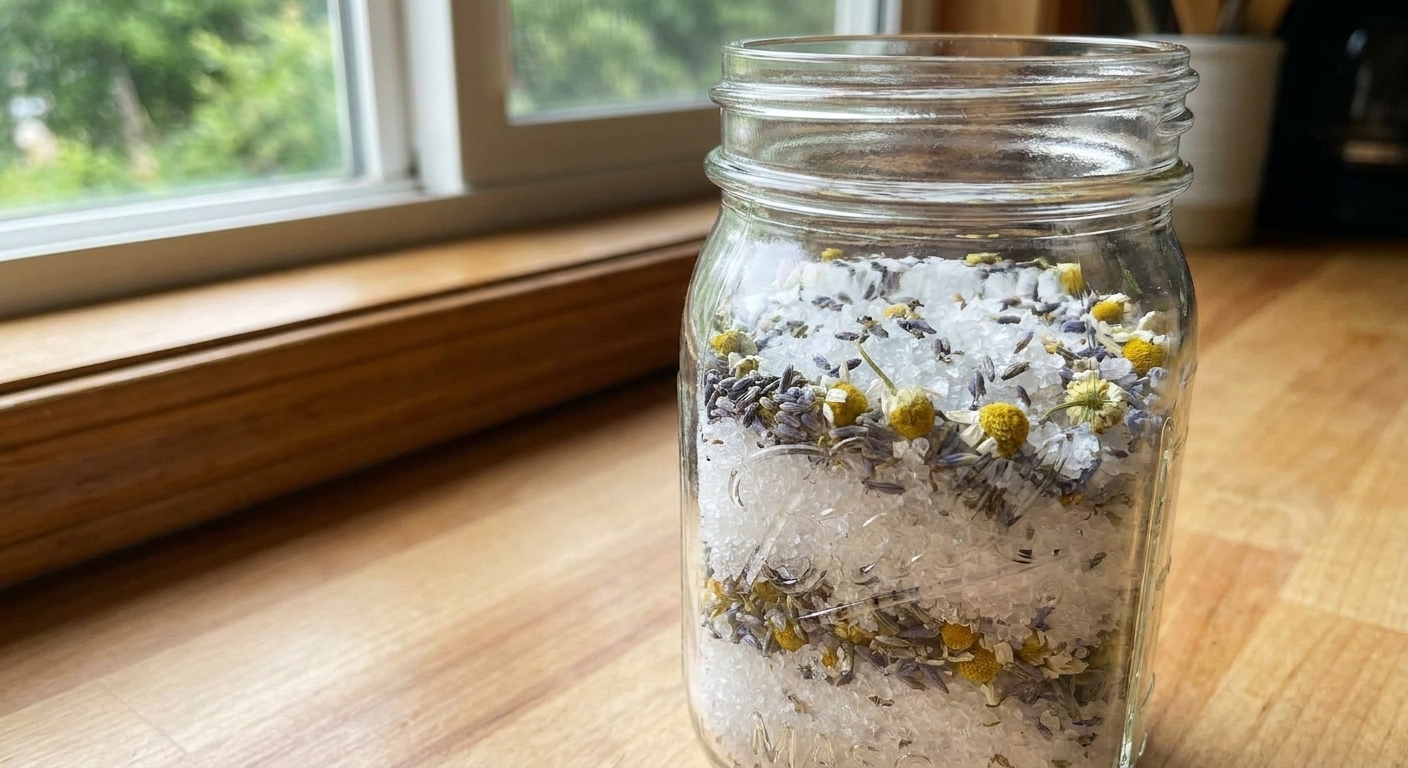
1) Lavender and Chamomile
- 2 cups Epsom salt
- 3 tablespoons dried lavender buds
- 2 tablespoons dried chamomile
- Optional essential oil: up to 6 drops lavender (use a carrier if you can)
This one smells like closing the curtains and turning the day off.
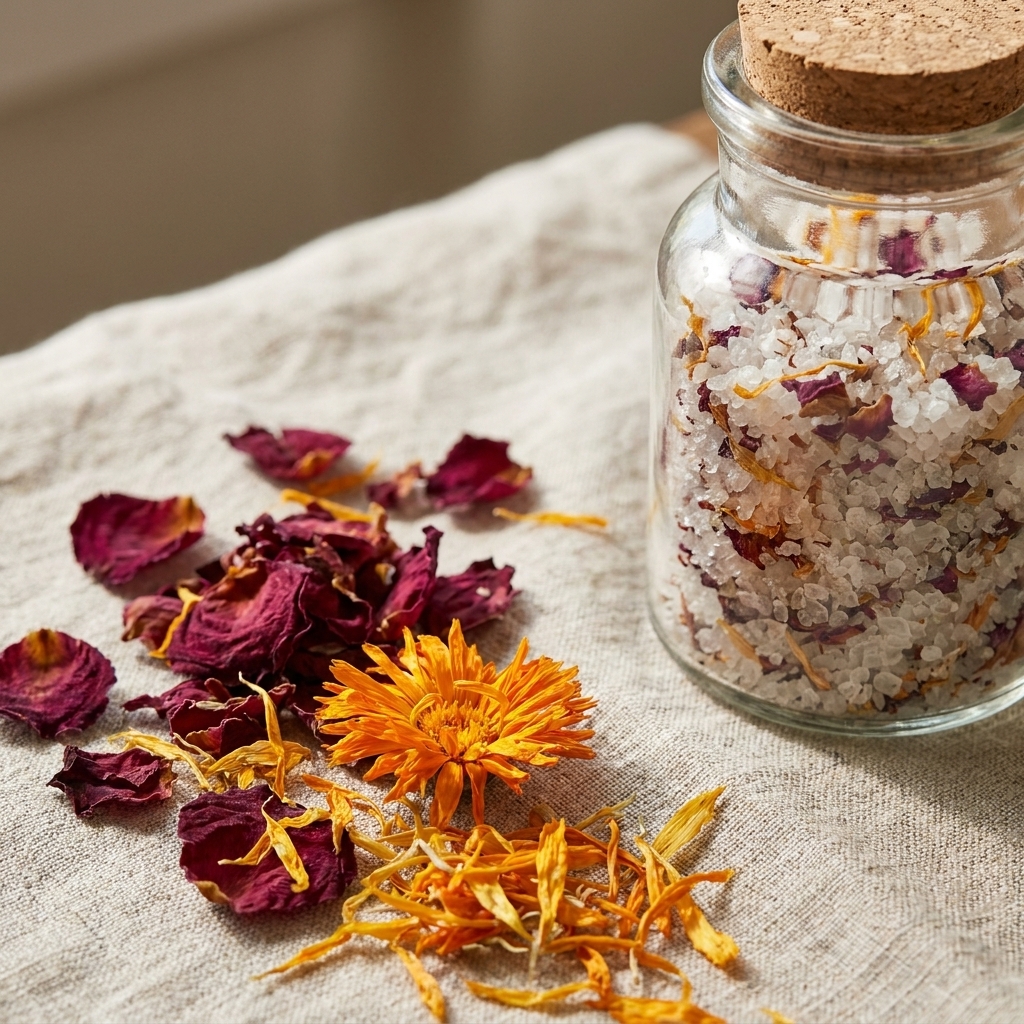
2) Rose and Calendula
- 2 cups Epsom salt
- 2 tablespoons dried rose petals
- 2 tablespoons dried calendula petals
- Optional essential oil: 4 drops geranium or 4 drops lavender (use a carrier if you can)
Calendula is mild, so rose does the aromatic heavy lifting here. It is a pretty gift jar, too.
3) Rosemary and Mint
- 2 cups Epsom salt
- 2 tablespoons dried rosemary
- 1 tablespoon dried mint
- Optional essential oil: 3 drops rosemary + 3 drops peppermint (go light, and use a carrier if you can)
After an afternoon of digging, this blend feels like a reset button. Use mint sparingly if you have sensitive skin.
Keep them fresh and fragrant
- Store airtight: A tight lid matters more than a fancy container.
- Keep dry: Store away from the shower and steamy bathrooms. I keep mine in a kitchen or linen closet.
- Avoid wet fingers: Use a dry spoon for scooping.
- Use within 6 months for best aroma: They are safe beyond that, but the herbal scent is brightest in the first few months.
If your salts clump, it is usually humidity. Break them up with a spoon and move the jar somewhere drier.
Cleanup tips
Dried petals and leaves can cling to a tub like they pay rent. I learned quickly to make cleanup part of the plan.
- Best option: put the herbal mix in a muslin bag and toss the whole bag into the bath. You get the scent and soak without the confetti.
- If you soak with loose herbs: let the water drain, then gather herbs with a wad of toilet paper or a small mesh strainer before rinsing.
- For stubborn bits: a quick rinse and wipe with a damp cloth usually does it. Avoid flushing large amounts of plant material.
FAQ
Can I use fresh herbs instead of dried?
I do not recommend it for jarred bath salts because fresh herbs hold moisture and can lead to mold. If you want a fresh-herb bath, add a handful of fresh herbs to a muslin bag and use it immediately, no storing.
Are Epsom salts the same as sea salt?
No. Epsom salt is magnesium sulfate, while sea salt is sodium chloride. Epsom salt dissolves beautifully and is the main base I use. Sea salt is optional if you like a heavier mineral feel.
Will dried herbs irritate sensitive skin?
They can, especially mint and strongly resinous herbs for some people. If you are sensitive, keep it simple: Epsom salt plus a small amount of lavender, and use a muslin bag so the plant material does not sit directly on your skin. If chamomile bothers you (it can for some ragweed-sensitive folks), leave it out.
Can I give these as gifts?
Yes, and they make the sweetest “I thought of you” jar. Gift them with a small scoop and a note that says “use 1/2 cup per bath.” For gifting, I usually skip essential oils unless I know the person is comfortable with them.
A final gardener thought
There is something deeply satisfying about using last summer’s lavender in the middle of a gray week. Homemade bath salts are not complicated, but they are full of care. If you try one of these blends, let your nose be your guide, start light with essential oils (or skip them), and remember that the best jar is the one you will actually use.