The first time I made pesto without basil, I was standing in my kitchen with a bowl of cilantro that was about to bolt (flower and turn bitter) and a parsley plant that had gone delightfully wild. Basil was still a stubby seedling. Instead of giving up on pesto night, I grabbed my food processor and treated those herbs like they belonged there. They did.
Non-traditional pesto is one of my favorite ways to turn a fast-growing herb harvest into something that tastes like you planned ahead. The trick is understanding the simple pesto “skeleton” (herbs + nuts or seeds + garlic + cheese or a salty substitute + oil + acid) and then adjusting for each herb’s personality.
Yield: This base ratio makes about 3/4 to 1 cup pesto, depending on how much oil you use. It scales up easily.
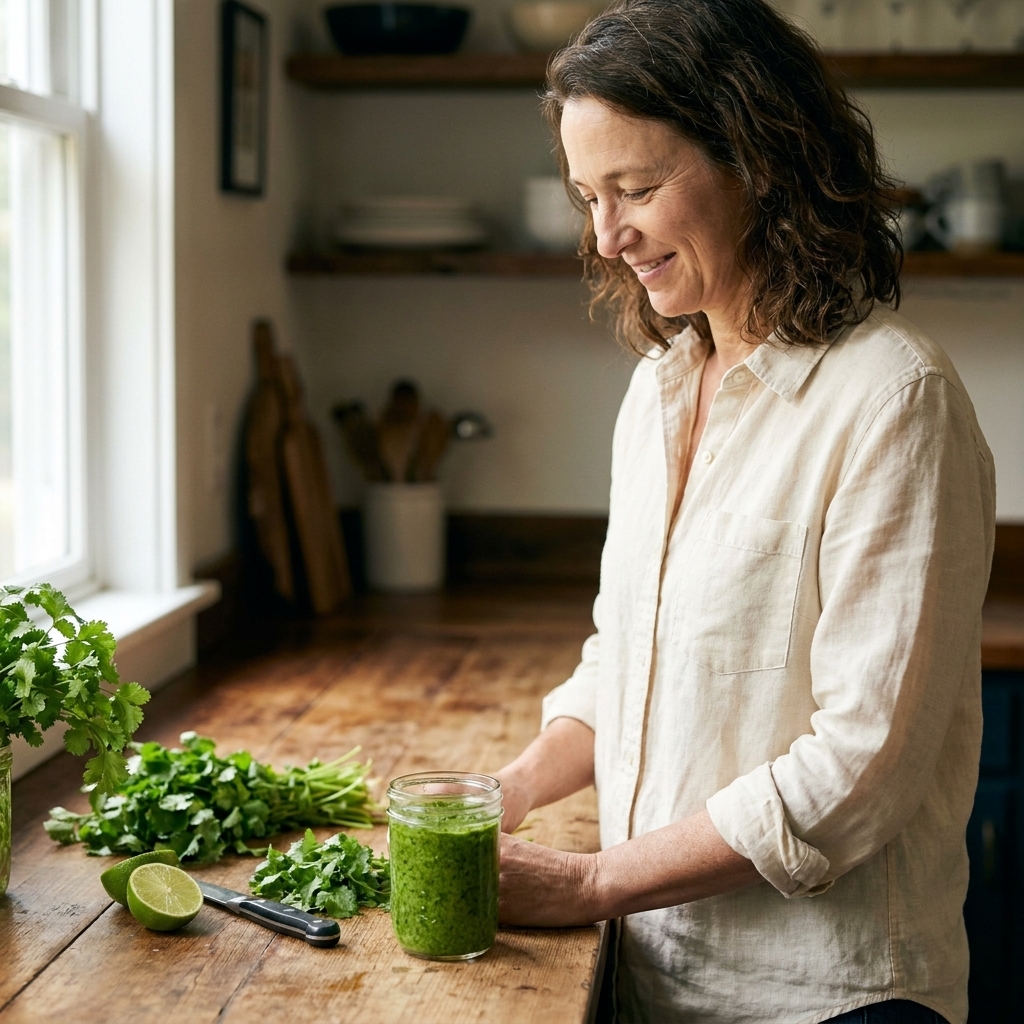
The no-stress pesto ratio
If you remember nothing else, remember this flexible ratio. It works for cilantro, mint, parsley, and most soft leafy herbs.
- 2 packed cups herbs (leaves and tender stems)
- 1/3 cup nuts or seeds
- 1 to 2 cloves garlic
- 1/3 to 1/2 cup olive oil (start lower, add as needed)
- 2 to 4 tablespoons grated cheese (or a salty alternative)
- 1 to 2 tablespoons acid (lemon or lime juice, or a splash of vinegar)
- Salt to taste
From there, you can steer it creamy, zippy, or spicy depending on what you have in the garden and what you are cooking that night.
How to keep pesto green
Soft herbs like parsley and cilantro can darken quickly if they sit around exposed to air. Here are the small habits that make a big difference.
1) Blanch the herbs (optional, but powerful)
If you want that vibrant, just-picked green, blanching is the secret. Bring a small pot of water to a boil, dunk herbs for 10 to 15 seconds, then immediately transfer to an ice bath. Squeeze dry very well before blending. This helps set the chlorophyll and can keep pesto brighter for days.
A small tradeoff: blanching softens some of the raw, sharp herbal bite. I love it for freezer pesto and for parsley-heavy batches, and I skip it when I want the most “freshly crushed leaves” flavor.
2) Add a little acid early
A tablespoon of lemon or lime juice blended in early can help slow browning in some kitchens. I still taste and adjust at the end, but I like a little in there from the start.
3) Use cold tools and work quickly
Heat and oxygen speed browning. If you have time, chill the food processor bowl or blender jar for 10 minutes. It is a small thing, but it helps.
4) Store it with an oil cap
Press pesto into a jar and smooth the top. Then pour a thin layer of olive oil over the surface before sealing. That oil layer reduces air contact and slows browning.
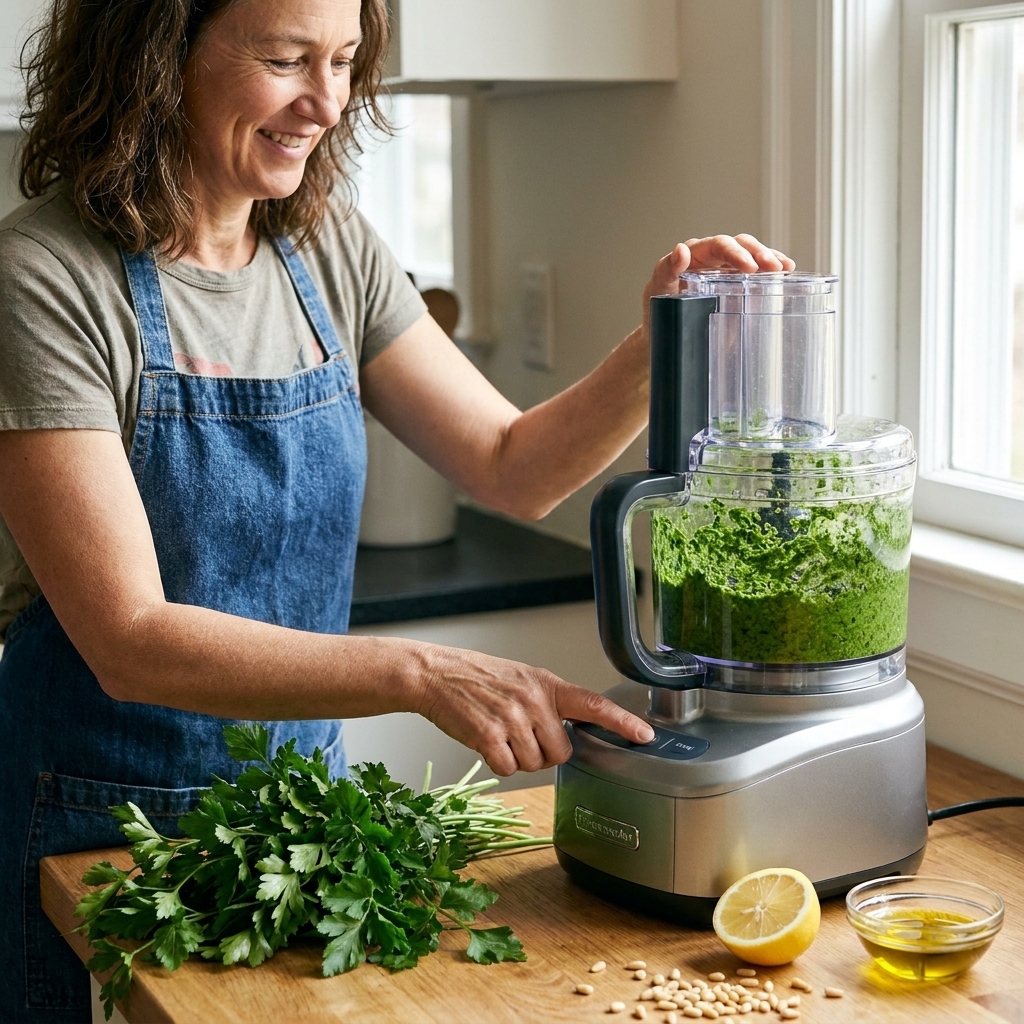
Cilantro pesto
Cilantro pesto is my go-to when cilantro is thriving and basil is not. It is punchy and happiest paired with lime, toasted seeds, and something creamy nearby, like avocado slices or a spoonful of yogurt on the side.
Ingredients (small batch)
- 2 packed cups cilantro (leaves and tender stems)
- 1/3 cup pepitas (pumpkin seeds) or cashews
- 1 small clove garlic (or 1/2 if you prefer it gentle)
- 1/3 cup olive oil, plus more as needed
- 2 tablespoons grated Parmesan or 1 tablespoon nutritional yeast for a dairy-free version
- 1 to 2 tablespoons lime juice
- 1/2 teaspoon salt, then adjust
- Optional: 1 small jalapeño slice or pinch of red pepper flakes
How I make it
- Toast pepitas in a dry skillet for 2 to 3 minutes, just until fragrant (optional, but it adds depth).
- Pulse seeds and garlic first so the pesto turns out smooth.
- Add cilantro, salt, and lime juice. Pulse.
- Stream in olive oil until it is spoonable. Stir in cheese at the end.
Flavor tweaks
- Too “soapy” for someone at the table: Blend cilantro half-and-half with parsley to mellow it.
- Want it creamy: Serve it with avocado or yogurt, or blend in 1 to 2 tablespoons Greek yogurt. (If you blend in avocado, use it quickly since it browns faster.)
- Serving ideas: Spoon onto tacos, swirl into black beans, toss with hot rice, or use as a marinade for chicken or tofu.
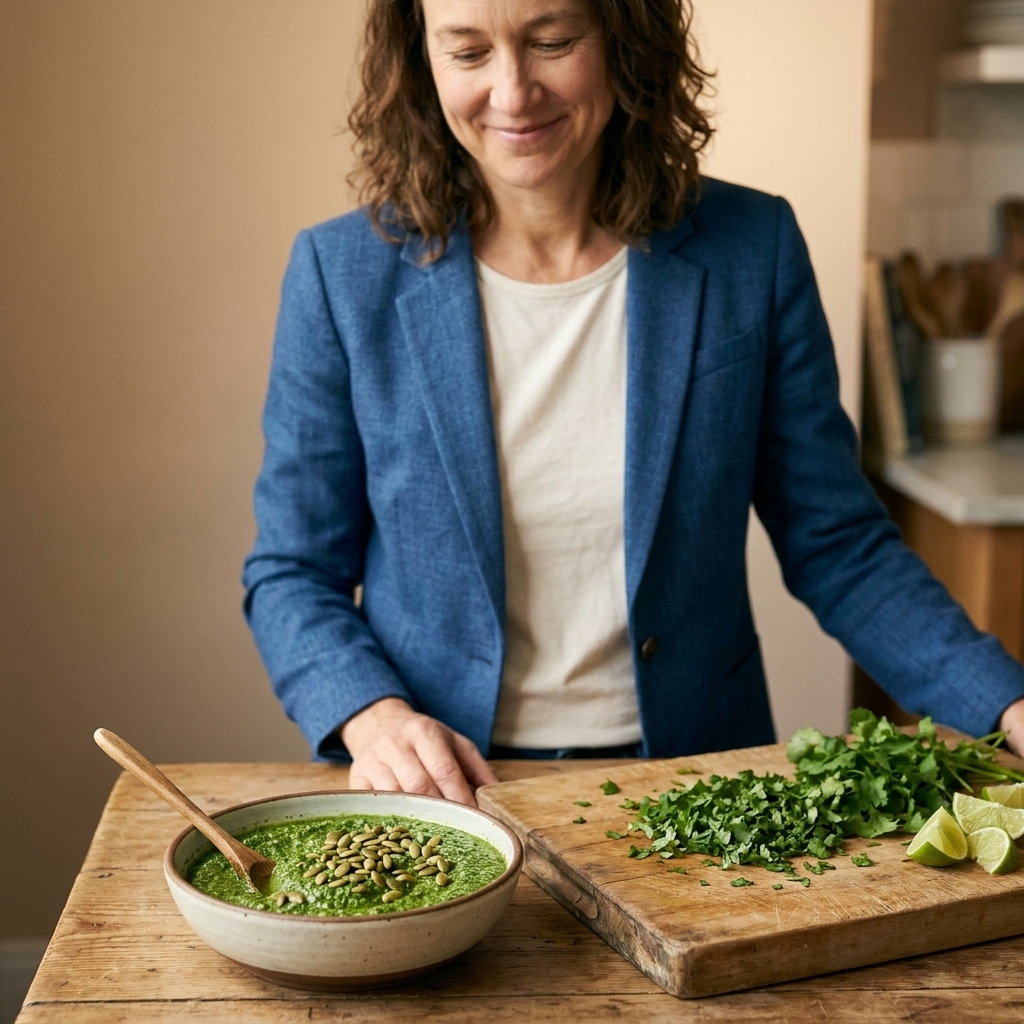
Mint pesto
Mint can take over a garden bed, but in pesto it becomes elegant. Mint pesto loves lemon, almonds, and a softer hand with garlic. I also like to blend mint with a mild “base” herb so it tastes refreshing instead of toothpaste-y.
Ingredients (small batch)
- 1 packed cup mint leaves
- 1 packed cup parsley or baby spinach (spinach keeps it mild and very green)
- 1/3 cup almonds, pistachios, or sunflower seeds
- 1 small clove garlic (or skip and use a pinch of garlic powder)
- 1/3 to 1/2 cup olive oil
- 2 to 4 tablespoons grated Parmesan or Pecorino
- 1 tablespoon lemon juice, plus zest if you like
- Salt to taste
- Optional: 1 tablespoon honey for a sweet-savory drizzle style
How I make it
- Pulse nuts or seeds until sandy.
- Add garlic, herbs, salt, and lemon juice. Pulse again.
- Stream in oil until it looks glossy and cohesive.
- Pulse in cheese briefly, then taste and adjust.
Where mint pesto shines
- With roasted carrots, beets, or sweet potatoes
- Smeared on a lamb burger or grilled chicken
- Dolloped onto lentil soup
- Stirred into yogurt as a quick sauce for cucumbers and tomatoes

Parsley pesto
If I had to pick one “gateway” herb pesto for someone nervous about swapping basil, it would be parsley. It tastes familiar, it is less polarizing than cilantro, and it makes a gorgeous sauce for everything from pasta to potatoes.
Ingredients (small batch)
- 2 packed cups flat-leaf parsley (curly works too, but flat-leaf blends smoother)
- 1/3 cup walnuts, pine nuts, or sunflower seeds
- 1 to 2 cloves garlic
- 1/3 to 1/2 cup olive oil
- 1/4 cup grated Parmesan (parsley can handle more cheese)
- 1 tablespoon lemon juice
- Salt and black pepper to taste
- Optional: 1 tablespoon capers for a briny, salsa verde vibe
How I make it
- Pulse nuts and garlic.
- Add parsley, lemon juice, salt, and pepper. Pulse.
- Add oil slowly until the texture is loose enough to toss with pasta.
- Stir in cheese and taste for salt.
My favorite uses
- Parsley pesto potatoes: Toss with hot roasted potatoes so it melts into the crevices.
- Weeknight pasta: Thin with a splash of pasta water and coat noodles.
- Sandwich upgrade: Spread on bread instead of mayo.
If it tastes a little bitter: Walnuts and mature parsley can bring a pleasant bite, but if it tips too far, add a bit more cheese, a squeeze more lemon, or a pinch of sugar. Blanching the parsley also softens bitterness.
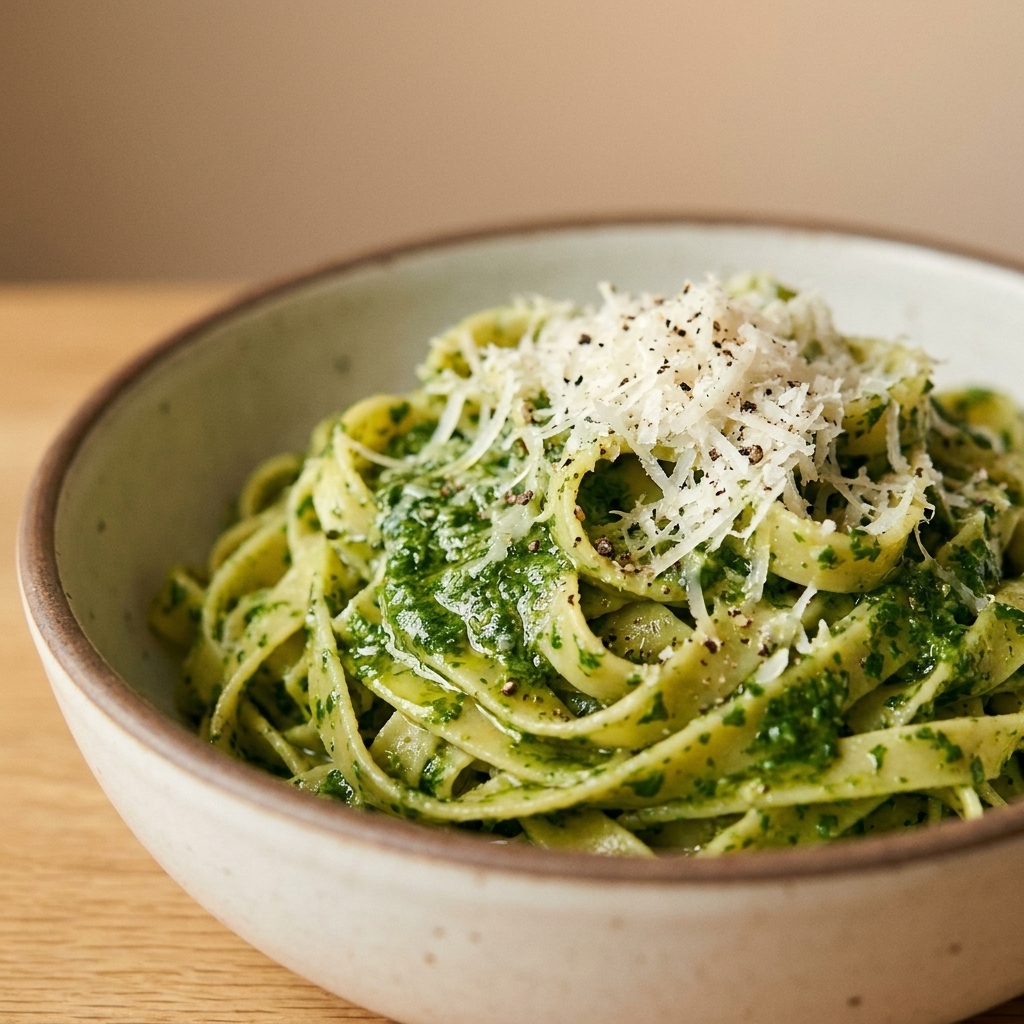
Smart swaps
Real life pesto is often made with what you have. Here is what works reliably in my kitchen.
Nuts and seeds
- Walnuts: Rich and slightly bitter in a good way, especially with parsley.
- Almonds: Mild and sweet, lovely with mint.
- Pepitas: Perfect match for cilantro and lime.
- Sunflower seeds: Budget-friendly and allergy-friendly. My go-to for nut-free pesto.
Cheese (or salty stand-ins)
- Parmesan: Classic, balanced.
- Pecorino: Saltier and sharper.
- Nutritional yeast: Adds savory depth for dairy-free pesto.
- Miso: 1 to 2 teaspoons can replace some salt and add body.
Quick dietary note: If you cook for vegetarians, some hard cheeses are made with animal rennet. Many stores label rennet-free options, or you can use nutritional yeast or miso instead.
Oil
- Extra-virgin olive oil: The standard.
- Neutral oil (avocado, grapeseed): Helpful if you find olive oil too bitter with delicate mint.
Harvest tips
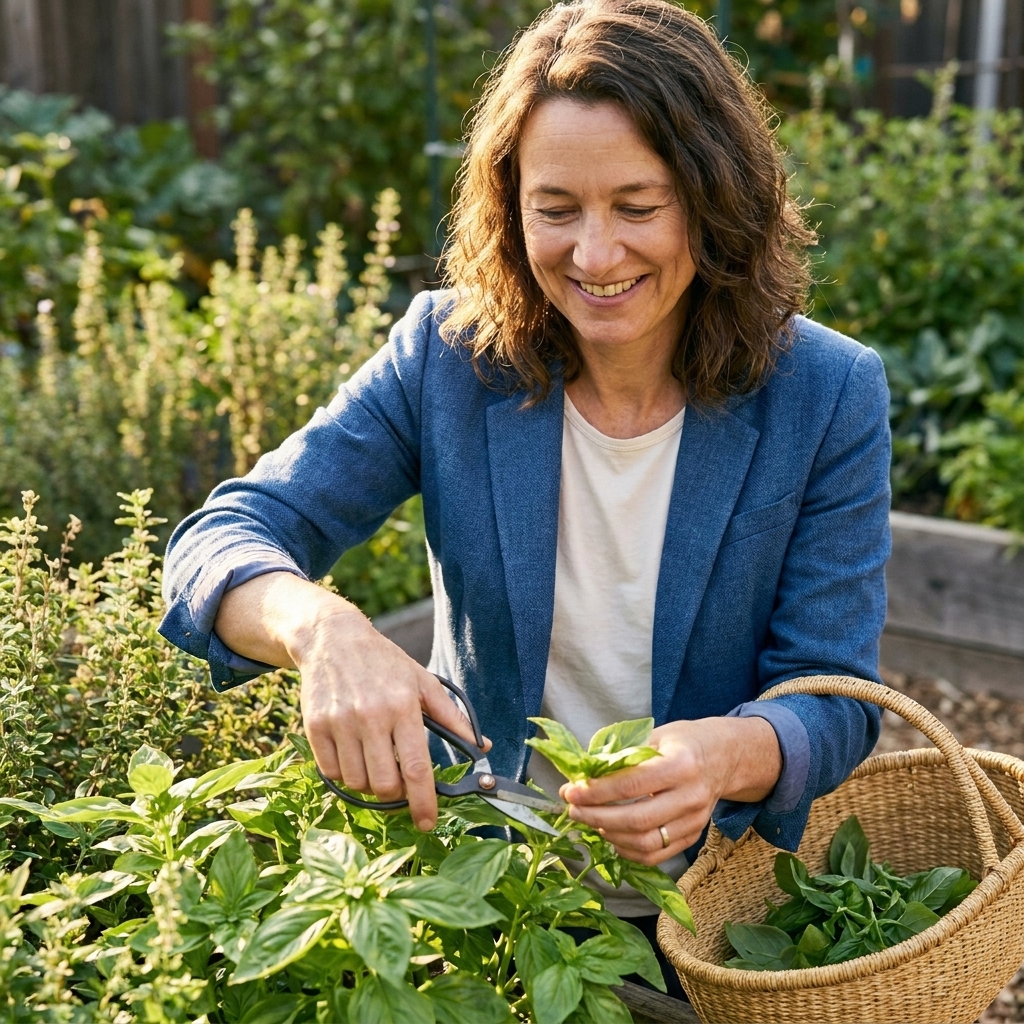
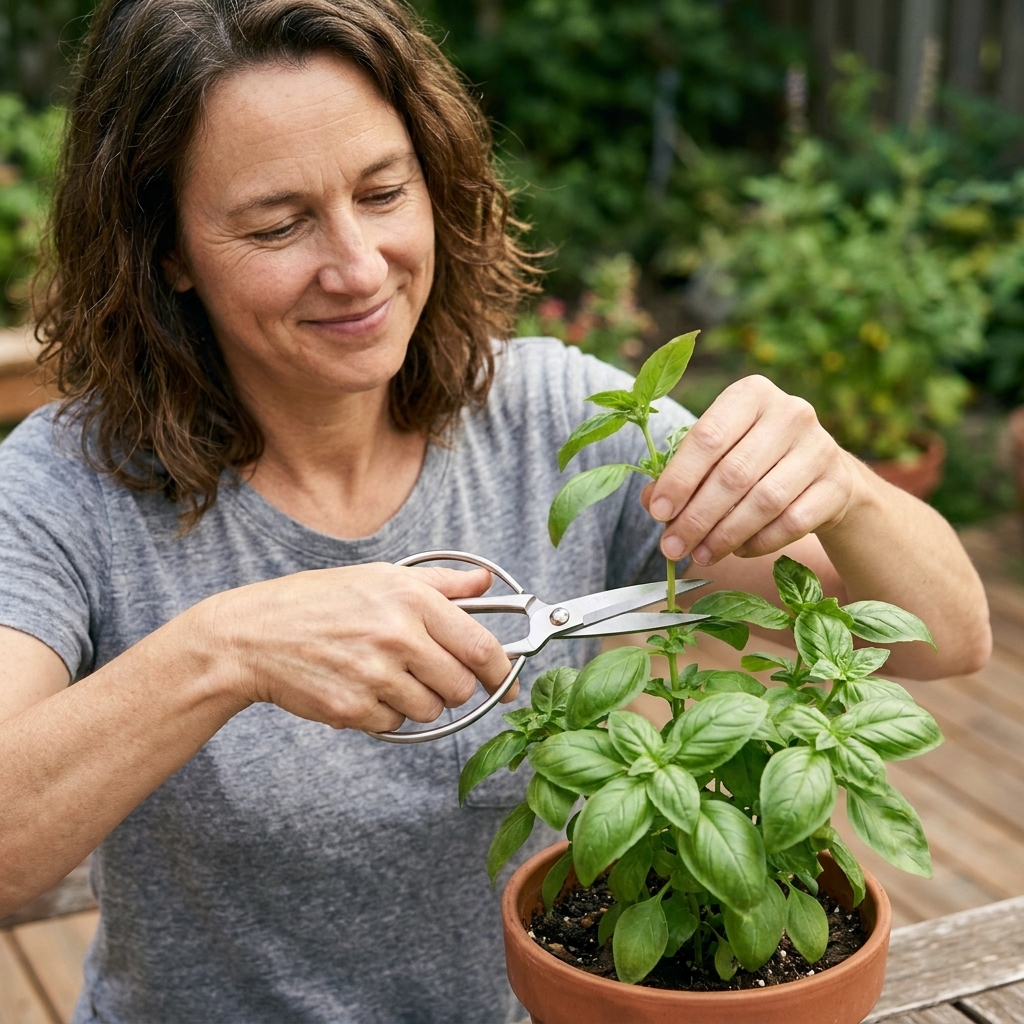
Pesto is a “fresh herb” recipe, so the garden side matters. A few small harvest habits can make your sauce taste cleaner and brighter.
- Pick in the morning when leaves are plump and hydrated.
- Choose younger leaves for mint and cilantro when possible. Older leaves can be tougher and more intense.
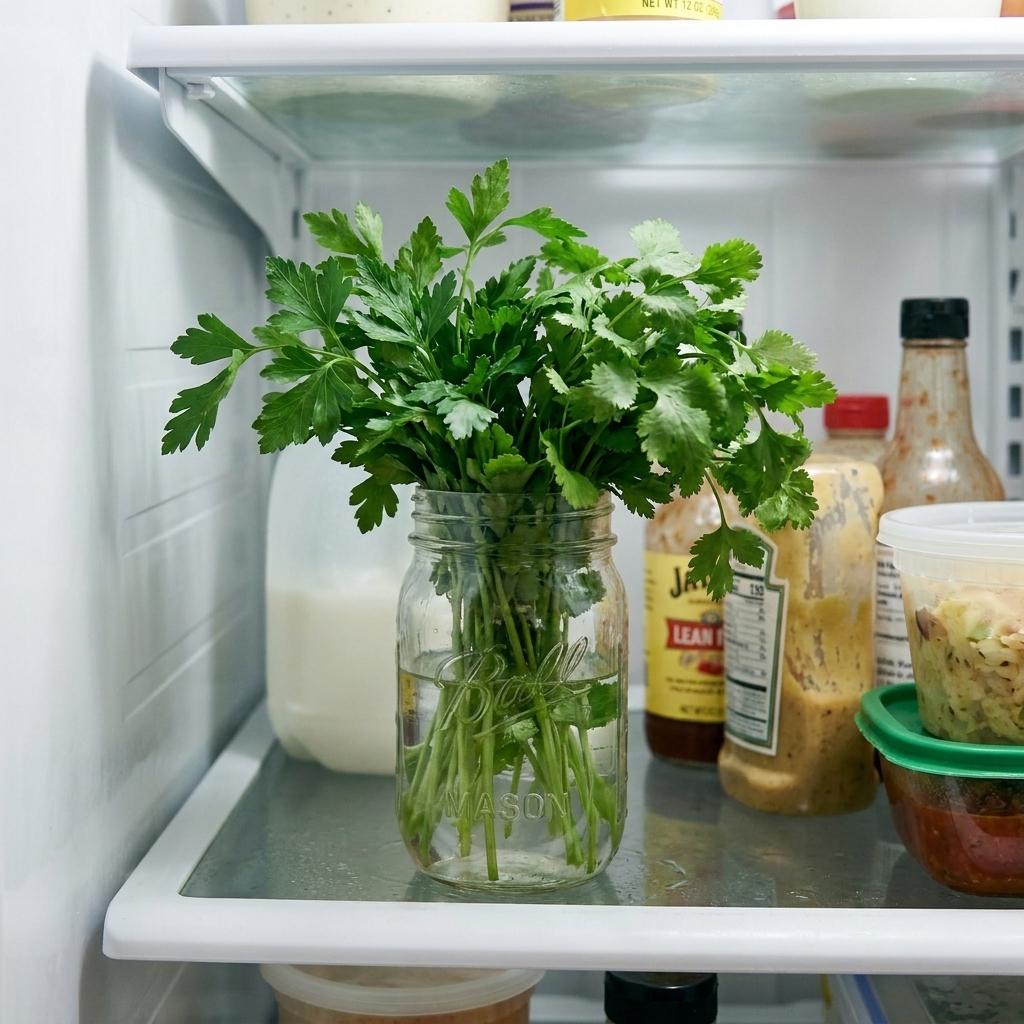
- Rinse, then dry thoroughly. Wet herbs make watery pesto and dull the flavor. I spin mine in a salad spinner, then blot with a towel.
- Use tender stems. Cilantro and parsley stems near the top blend beautifully and add flavor.
Storage and freezing
In the fridge
Pack pesto into a small jar, smooth the top, and cover with a thin layer of oil. Refrigerate and use within 3 to 5 days for best flavor and freshness. Always use a clean spoon, and discard if you notice any off smell, mold, or bubbling.
In the freezer
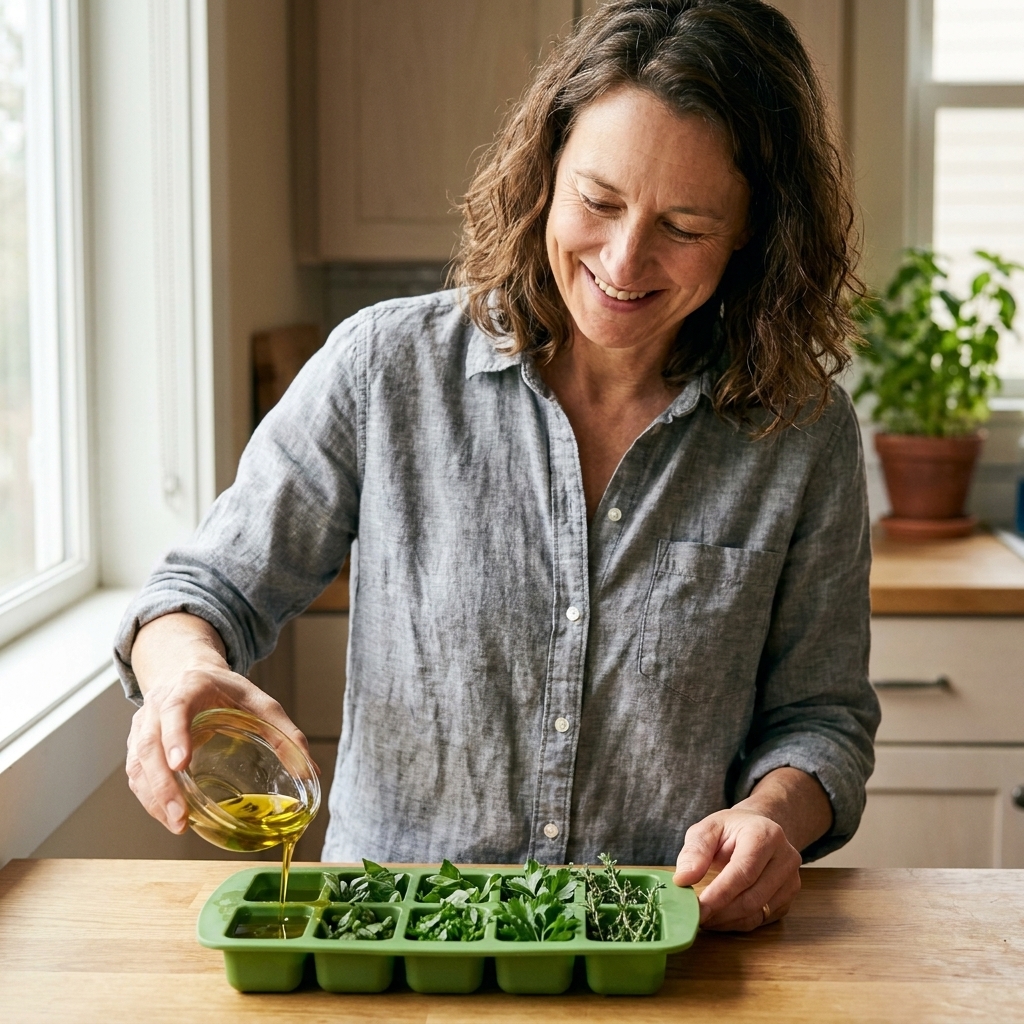
Freeze pesto in ice cube trays for easy portions. Once frozen, pop cubes into a freezer bag. For the brightest color, consider blanching the herbs first and freezing without cheese, then stirring cheese in after thawing.
My favorite trick: Label the bag with the herb and the date. Mint and cilantro pestos can look similar once frozen, and future-you deserves a clear answer.
Quick FAQ
Can I make pesto without a food processor?
Yes. A blender works, but you may need to stop and scrape more often and add oil a little more slowly. You can also chop everything very finely and mash it with a mortar and pestle for a more rustic texture.
Why did my pesto turn dark?
Oxidation is usually the culprit. Work quickly, keep things cool, and store with an oil layer. Blanching herbs for 10 to 15 seconds helps a lot if you want that vivid green.
How do I thin pesto for pasta?
Use a splash of hot pasta water. It loosens the sauce and helps it cling to noodles without making it oily.
Is mint pesto supposed to taste sweet?
Mint naturally reads sweet to many palates. If you want it more savory, use parsley as the second herb, go lighter on the mint, and add black pepper and a touch more salt.
Try it your way
If your herb pots are overflowing, pesto is your fastest path from “help, it is taking over” to “I made something that tastes like summer.” Start with the ratio, taste as you go, and let your garden lead the way. There is no wrong herb to try, only a new favorite you have not blended yet.