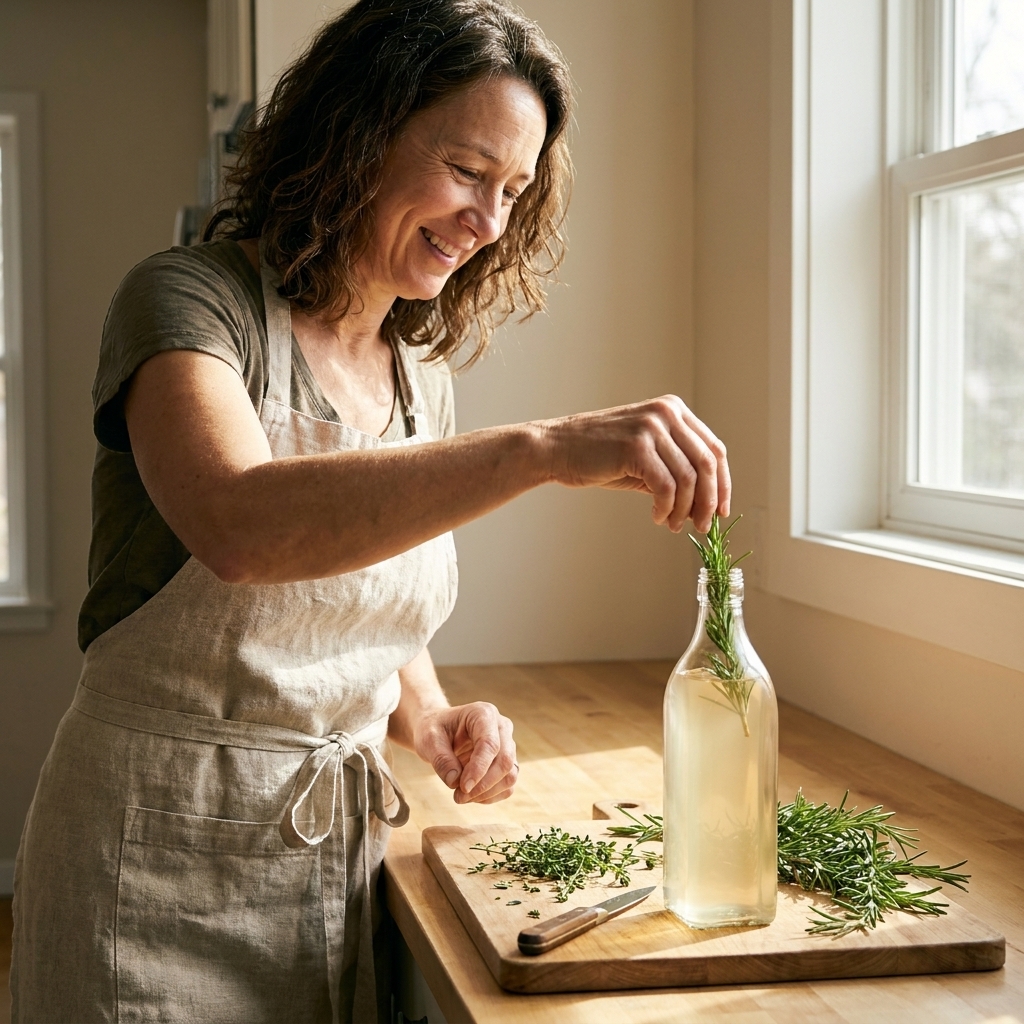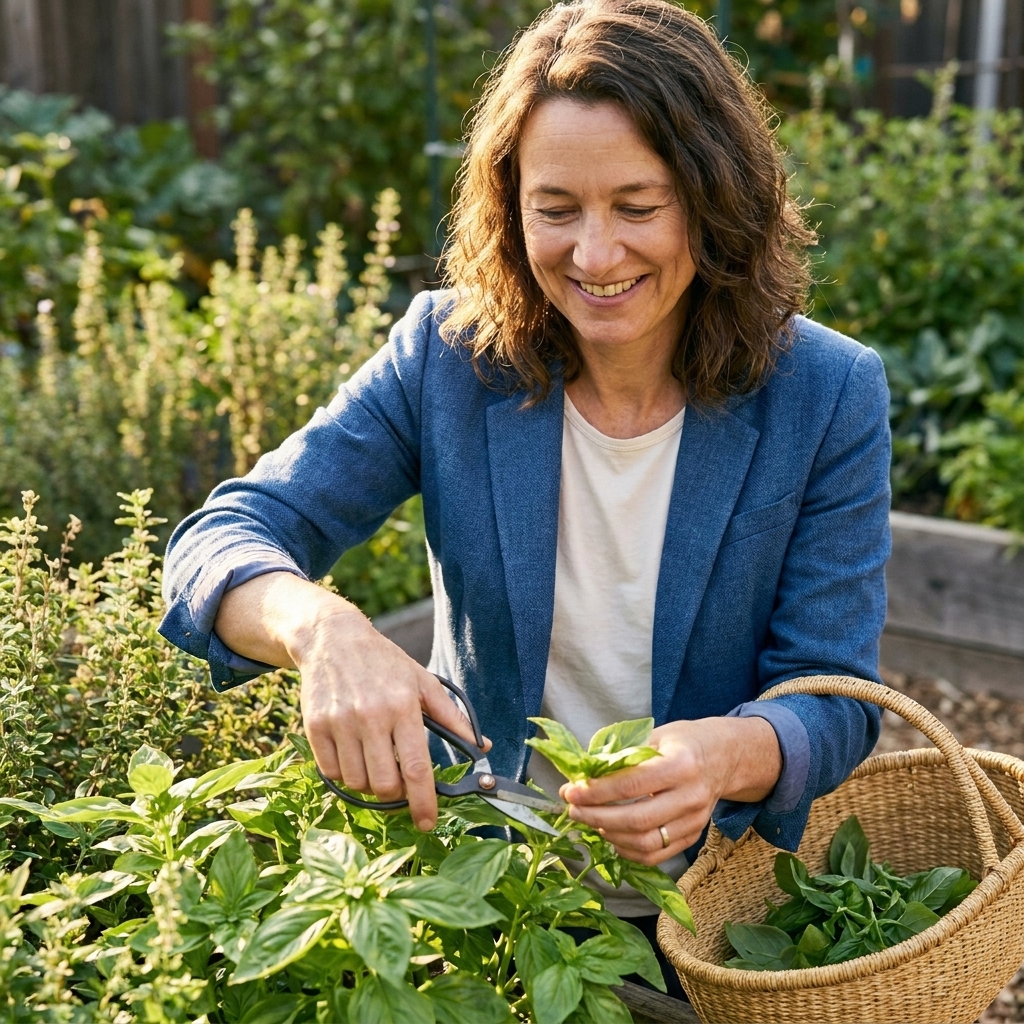
There is a very specific kind of satisfaction in baking with herbs you grew yourself. You pinch a sprig of mint, brush your fingers over lemon balm, and suddenly your whole kitchen smells like summer. Homemade herbal extracts let you bottle that moment. They are not fussy. They just ask for a little patience while time does the work.
Below, I will walk you through two beginner-friendly methods: classic alcohol extracts and alcohol-free glycerites (glycerin extracts made with food-grade vegetable glycerin). Both work beautifully for baking, especially with mint, lavender, and lemon balm.
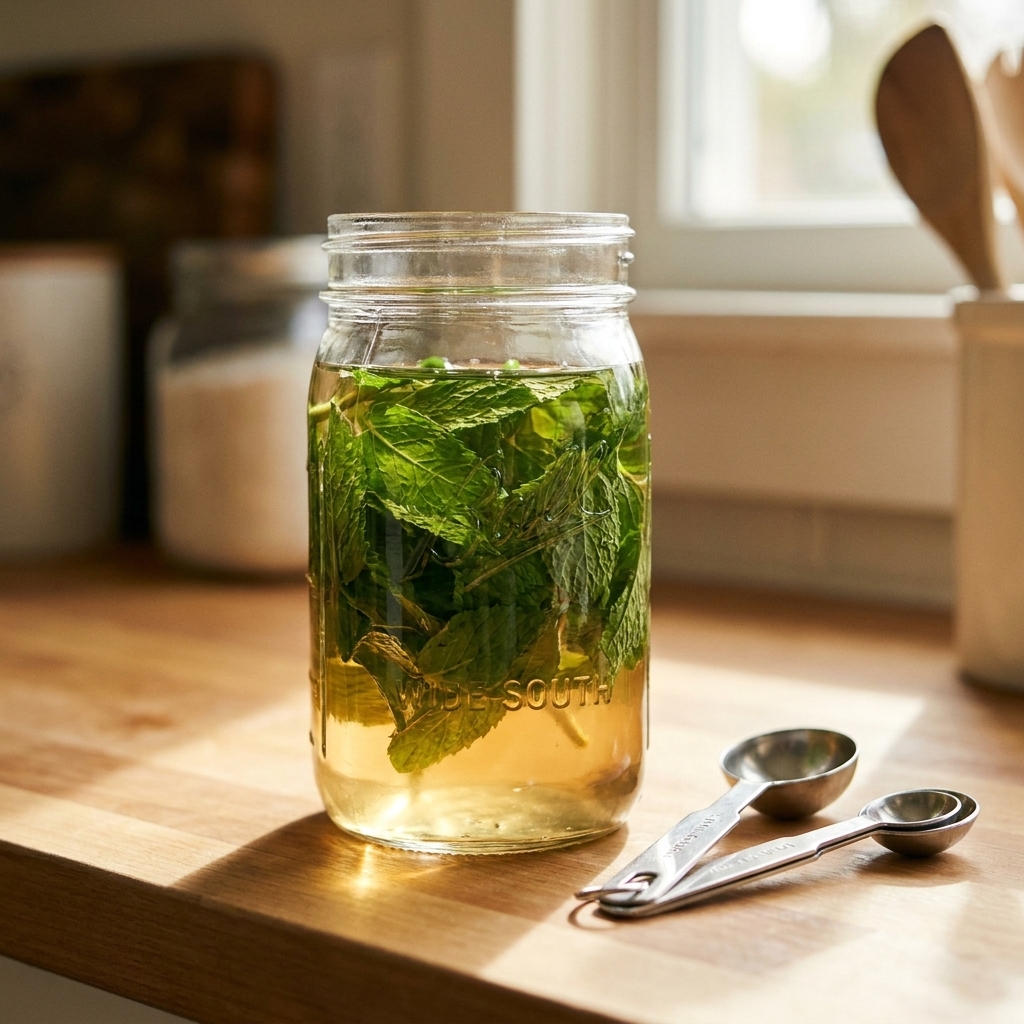
Extract vs. infusion vs. syrup
Before we start, a quick kitchen translation so you know what you are making.
- Extract: A concentrated flavor made by soaking herbs in alcohol (like vodka) or glycerin. A little goes a long way.
- Infusion: Usually steeped in hot water, milk, or cream. Lovely, but not shelf-stable for long.
- Syrup: Herbs simmered or steeped in sugar syrup. Delicious for drinks and brushing cakes, but sweeter and less concentrated than extract.
For baking, extracts are my favorite because they add flavor without changing the liquid balance much.
One quick note: Glycerites are technically glycerin extracts, and they tend to be sweeter and a bit less punchy than alcohol extracts. They are still wonderful for frosting, glazes, and gentle cakes.
Choose your herbs
You can make extract from many culinary herbs, but mint, lavender, and lemon balm are especially friendly for beginners because their aromas transfer readily.
Mint
Bright and assertive. Perfect for brownies, chocolate cake, buttercream, and peppermint-style shortbread.
Lavender
Floral and powerful. A little tastes like a fancy bakery. Too much can taste soapy, so we will keep it gentle.
Lemon balm
Soft lemon-mint perfume. It shines in sugar cookies, glazes, pound cake, and anything with berries.
Fresh vs. dried
- Dried herbs often yield a more concentrated extract because they do not add water to the jar.
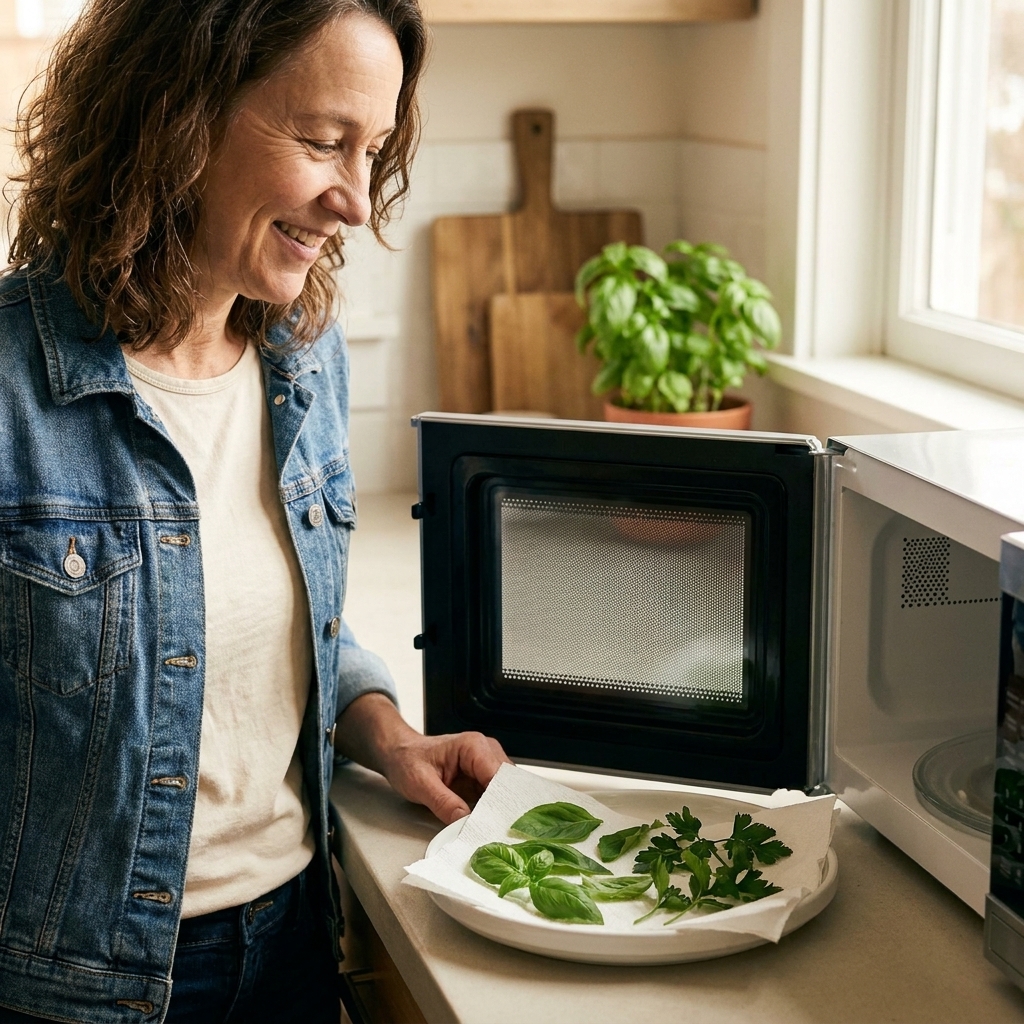
- Fresh herbs work well too, especially mint and lemon balm. The key is keeping extra moisture out so you do not dilute your solvent.
If you are harvesting from the garden, pick herbs after the morning dew has dried but before the heat of midday dulls the scent. That is my sweet spot.
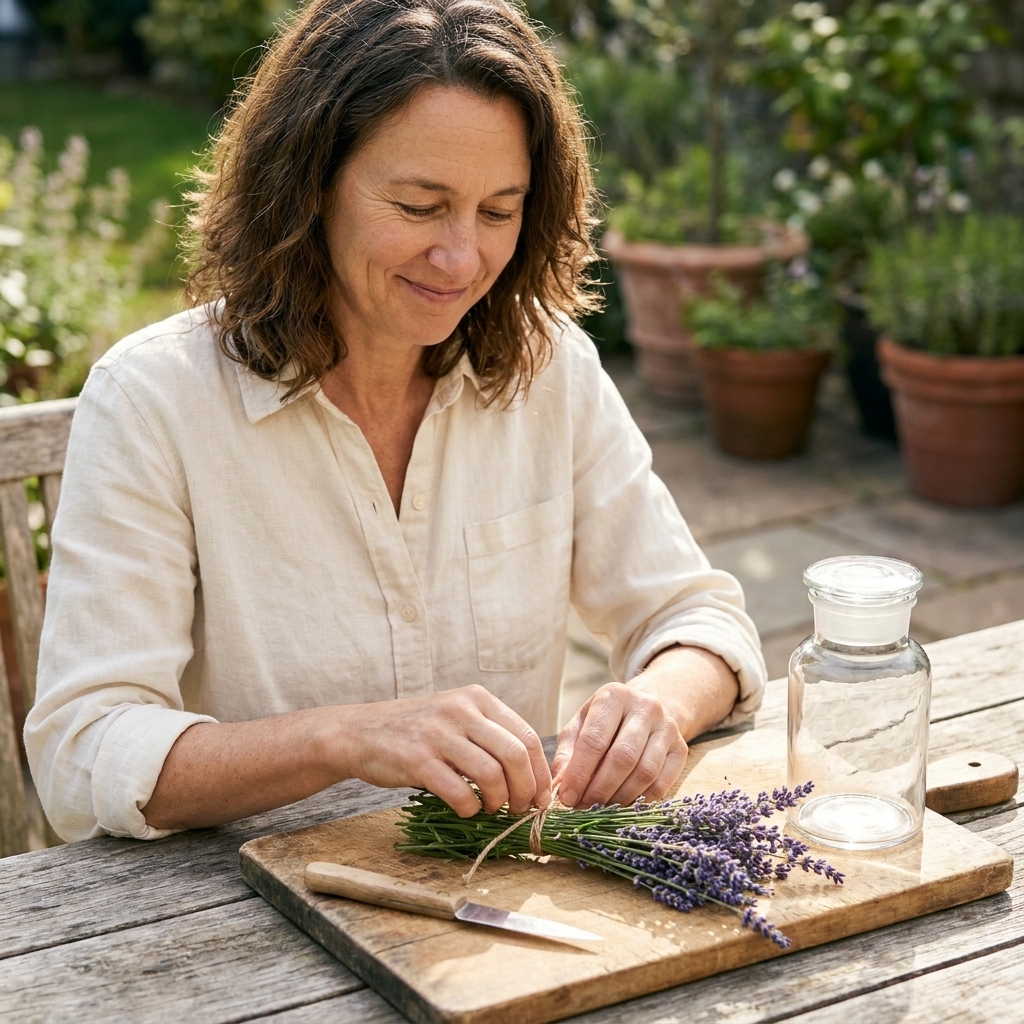
Method 1: Alcohol extracts
This is the most traditional method, and it gives the strongest, most "real extract" flavor for baking.
What you need
- Clean glass jar with a tight lid (a half-pint or pint is great)
- Fresh or dried herbs (mint, lavender buds, or lemon balm)
- Vodka (or another neutral spirit). Vodka keeps the herb front and center.
- Fine mesh strainer or cheesecloth
- Funnel and dark glass bottle for storing (optional but helpful)
- Label and pen
Best alcohol to use
80-proof (40% ABV) vodka is the most accessible and works well, especially with dried herbs.
If you are using fresh herbs, moisture can dilute the alcohol in the jar. If you want the extra margin of safety and preservation, choose a slightly higher proof spirit (around 100 proof) or let your herbs air-dry until they are fully dry to the touch before jarring.
Step-by-step
- Prep your jar. Wash with hot soapy water, rinse well, and let it dry completely.
- Prep the herbs.
- Fresh mint or lemon balm: If you wash your herbs, that is fine. Just do it earlier, then dry them completely. Pat dry if needed. Lightly bruise the leaves by rubbing them between your palms.
- Lavender: Use dried culinary lavender buds for the most controlled flavor, or strip buds from fresh stems and let them air-dry until they feel dry, not cool or damp.
- Fill the jar.
- For fresh leafy herbs: fill the jar about 2/3 full (loosely packed).
- For dried herbs: fill about 1/3 full.
- For lavender buds: start with 2 to 4 tablespoons per half-pint jar, depending on how bold you like it.
- Cover with alcohol. Pour vodka over the herbs until they are fully submerged, with at least 1/2 inch of liquid above them.
- Seal and label. Write the herb, alcohol used, and today’s date.
- Steep. Store in a cool, dark place. Shake gently every few days.
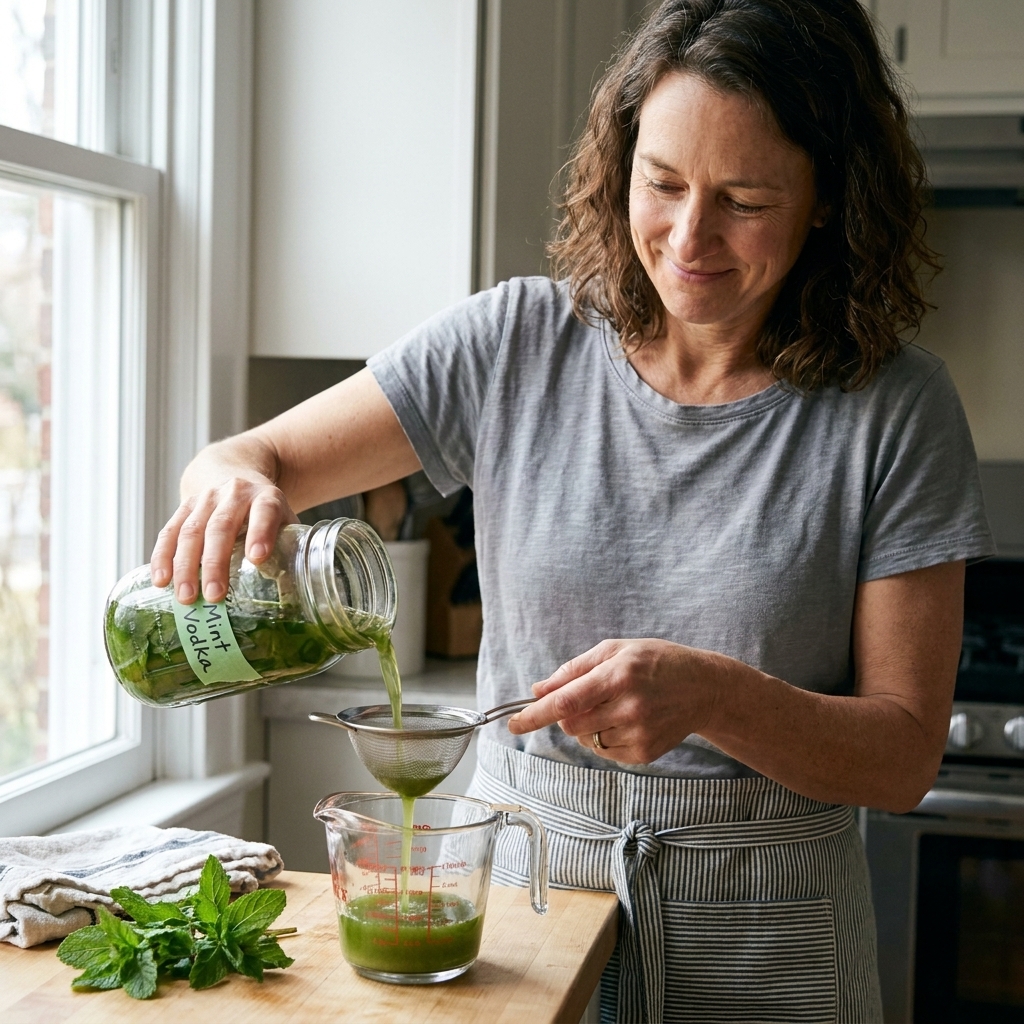
- Strain. After steeping, pour through a fine mesh strainer. For extra clarity, strain again through cheesecloth or a coffee filter.
- Bottle. Transfer to a clean bottle. Dark glass helps protect flavor.
How long to steep
- Mint: 2 to 4 weeks for a bright extract, up to 6 weeks for deeper flavor.
- Lemon balm: 3 to 6 weeks.
- Lavender: 1 to 3 weeks. Taste early. Lavender can go from lovely to loud quickly.
Tasting tip: Dip a clean spoon in, taste one drop. If it tastes faint or mostly like vodka, keep steeping. If it tastes bold and unmistakable, strain it.
Method 2: Glycerites
If you prefer to avoid alcohol, food-grade vegetable glycerin is a wonderful option. It creates a sweet, gentle extract that plays especially well in frosting, glazes, and lighter cakes.
What you need
- Clean glass jar with lid
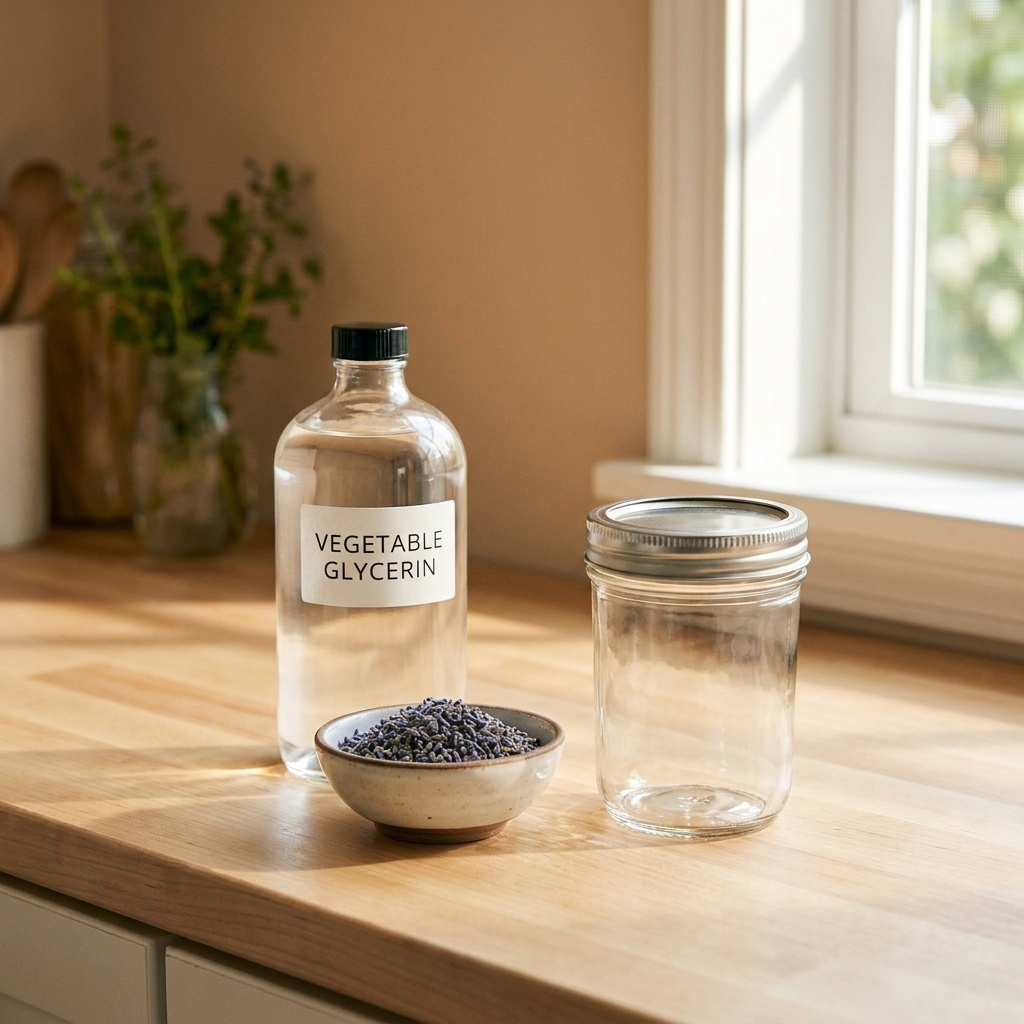
- Food-grade vegetable glycerin
- Filtered water
- Herbs (dried is easiest, fresh is possible)
- Strainer and funnel
Glycerin ratio for baking
I get the best balance of extraction and pourability with a mix of 3 parts glycerin to 1 part water. The small amount of water helps pull water-soluble compounds and makes the finished extract less syrupy.
Step-by-step
- Mix your solvent. Combine 3/4 cup glycerin with 1/4 cup filtered water (scale up as needed).
- Fill the jar with herbs.
- Dried herbs: fill jar about 1/3 full.
- Fresh leafy herbs: fill about 2/3 full, and make sure leaves are truly dry to the touch before jarring.
- Pour in glycerin mixture. Cover herbs fully, leaving a little headspace.
- Seal and label.
- Steep. Store in a dark cupboard for 4 to 8 weeks. Shake a few times a week. Glycerites move slowly, but they get there.
- Strain well. Press the herbs firmly in cheesecloth to squeeze out that last flavorful syrup.
- Bottle. Store in a clean bottle with a tight cap.
Flavor notes
- Mint glycerite: sweet, candy-like mint. Great for buttercream.
- Lemon balm glycerite: soft lemony aroma, gorgeous in glazes.
- Lavender glycerite: very floral and naturally sweet. Use sparingly.
Herb prep tips
Washing is fine, drying is essential
If your herbs need washing, go ahead and rinse them, then dry them completely before jarring. Water clinging to leaves can dilute alcohol extracts and can make any extract more prone to off flavors over time.
Chop or bruise to release oils
For mint and lemon balm, I like a light bruise or a rough chop. For lavender, keep buds mostly whole so you do not extract too much bitter plant material from the stems.
Keep everything submerged
Any plant bits poking above the liquid can oxidize, and with fresh herbs it can also raise spoilage risk. If your herbs float, use a clean fermentation weight, a small glass ramekin, or even a folded piece of parchment pressed under the lid to encourage everything to stay covered.
Strain, bottle, store
How to strain without losing the good stuff
- First strain through a fine mesh strainer.
- If you want a clearer extract, strain again through cheesecloth or a coffee filter.
- For glycerites, squeeze the herbs well. That thick liquid clings to leaves.
Best bottles
Dark amber bottles are ideal, but any clean bottle kept away from light works. I reuse small glass bottles from store-bought extracts after washing and drying them thoroughly.
Shelf life
- Alcohol extracts: often keep their best flavor for 1 to 3+ years when stored cool and dark. If it smells off, turns strangely cloudy, or develops any growth, discard.
- Glycerites (3:1 glycerin to water): plan for 6 to 12 months for best quality. Store cool and dark, and use your senses. If you see mold, notice fizzing, or smell anything off, throw it out.
Labeling tip: Add the strain date to your label. You will thank yourself later.
Bake with herbal extracts
Think of your homemade extract like you would vanilla, but with a personality. Start small. You can always add more, but you cannot take it out once it is mixed into batter.
Starting amounts
- Cookies (1 batch): 1/4 to 1 teaspoon
- Cake or quick bread: 1/2 to 1 1/2 teaspoons
- Frosting: 1/4 teaspoon at a time, taste as you go
- Glaze: 5 to 15 drops, depending on strength
Great pairings
- Mint: chocolate, espresso, vanilla, coconut
- Lavender: honey, lemon, blueberry, vanilla, black tea
- Lemon balm: strawberry, raspberry, lemon zest, almond, shortbread
Heat softens delicate notes
Lemon balm is especially tender. If you want that fresh top note, add extract to glazes, icings, whipped cream, or fillings rather than relying on long bake times alone.
Small-batch recipes
If you like a clear starting point, these small batches are easy to tuck into a cupboard without committing a ton of herbs.
Mint extract (alcohol)
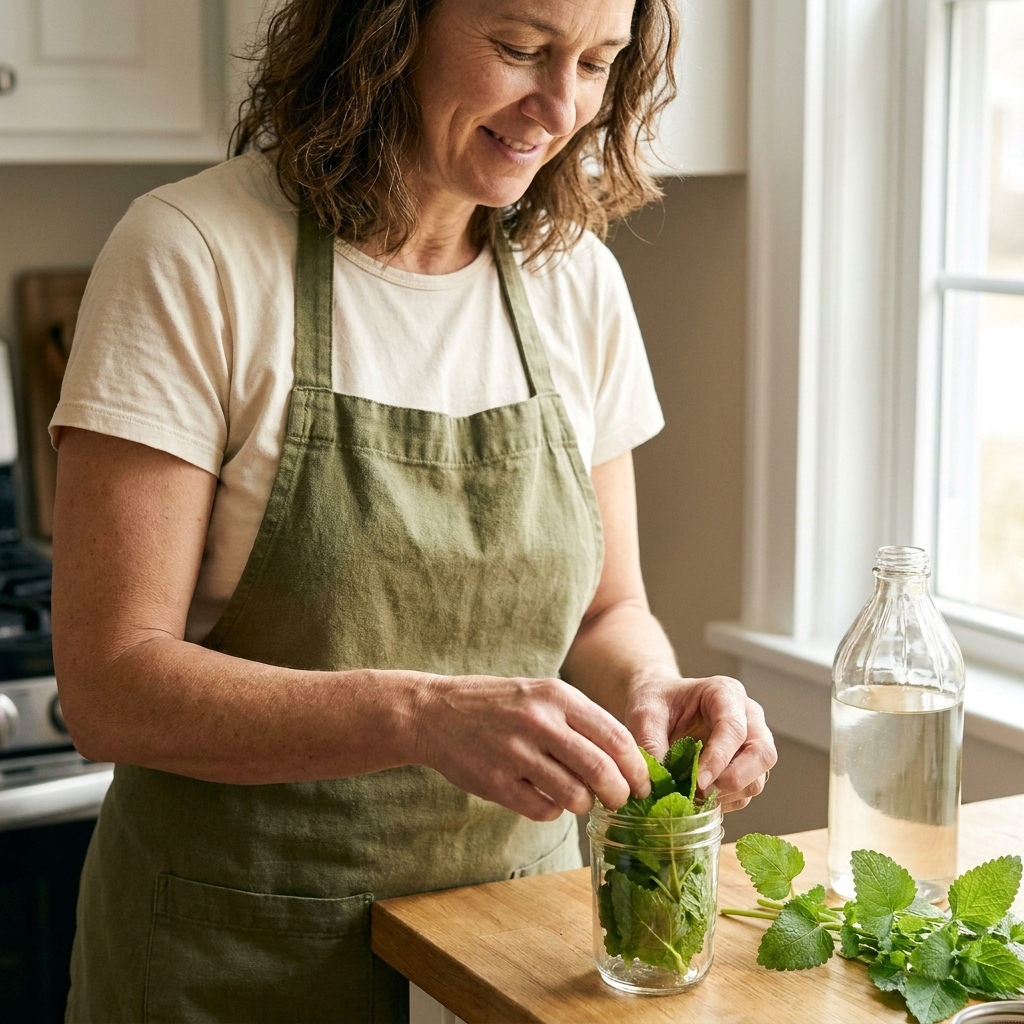
- Loosely fill a half-pint jar 2/3 full with dry, fresh mint leaves
- Cover with vodka (80 proof is fine, or use 100 proof for extra cushion with fresh herbs)
- Steep 3 to 4 weeks, shaking occasionally
- Strain and bottle
Lavender extract (alcohol)
- Add 3 tablespoons dried culinary lavender buds to a half-pint jar
- Cover with vodka
- Steep 1 to 2 weeks, tasting after day 7
- Strain promptly when it tastes floral but not sharp
Lemon balm glycerite (alcohol-free)
- Loosely fill a half-pint jar 2/3 full with dry, fresh lemon balm leaves
- Pour over a 3:1 glycerin to water mixture until fully covered
- Steep 6 weeks, shaking often
- Strain, pressing leaves well, then bottle
Safety notes
- Use culinary herbs only. If you are not sure an herb is edible, do not extract it.
- Choose clean containers. Clean and fully dry jars reduce spoilage risk, especially for fresh-herb batches.
- Keep herbs submerged. This helps prevent oxidation and off flavors, and it lowers the risk of mold with fresh herbs.
- Use food-grade glycerin. Cosmetic glycerin is not the same thing.
- Mind lavender sourcing. Use lavender labeled culinary or grown without pesticides intended for ornamentals.
- Sensitive? Go slow. Some people are more sensitive to lavender and strong minty flavors. These extracts are meant for flavoring, not medicinal dosing.
- When in doubt, toss it. Discard any batch with mold, sliminess, fizzing, or a sour, rancid, or otherwise "off" smell.
Troubleshooting
My extract tastes weak
- Steep longer.
- Use more herb next time, especially if your jar was under-filled.
- Try dried herbs for a more concentrated result.
My lavender extract tastes bitter or soapy
- It likely steeped too long or included too much stem material.
- Strain sooner next time and start with fewer buds.
- In baking, pair with honey, vanilla, or lemon zest to round it out.
My herbs floated and darkened on top
- Strain and evaluate smell. If it smells clean and herbal, it is often fine.
- Next time, pack herbs less tightly and weigh them down so they stay submerged.
My glycerite is too thick to pour
- Warm the bottle in a mug of warm water for a few minutes.
- Next time, keep the 3:1 glycerin to water ratio rather than using straight glycerin.
Make it feel special
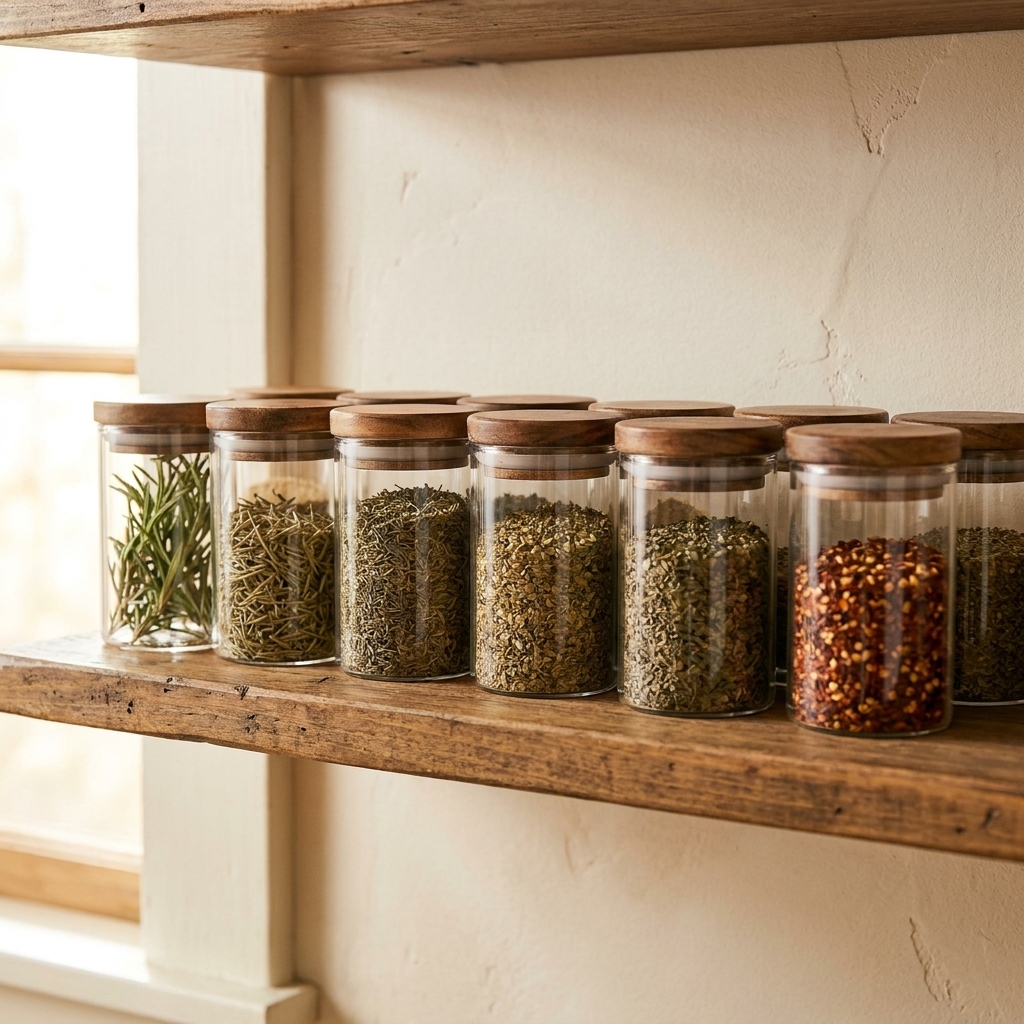
If you gift extracts or just want your pantry to feel like a small apothecary, bottle in small amber dropper bottles and tie a simple string around the neck. I love doing this after a big summer harvest, when mint is trying to take over the bed and lemon balm is begging to be used.
And if you try only one, make mint first. It is the quickest to reward you. One teaspoon in brownie batter turns an ordinary pan into something people remember.
FAQ
Can I make herbal extracts with rum or brandy?
Yes. They will contribute their own warmth and sweetness. For clean, true herb flavor, vodka is the most neutral. Rum is lovely with mint. Brandy can be beautiful with lavender in holiday bakes.
Do I need to sterilize the jars?
For alcohol extracts, a thoroughly washed and fully dried jar is generally sufficient. For glycerites and fresh-herb batches, cleanliness matters even more. If you want extra peace of mind, pour boiling water into the jar, let it sit 1 minute, then empty and let it dry completely before filling.
Can I use these extracts in drinks too?
Absolutely. A few drops in sparkling water is refreshing. Just remember lavender is powerful, so start tiny.
Why is my extract cloudy?
Cloudiness can happen if fine herb particles pass through the strainer or if a fresh herb batch contributed more water. Strain again through a coffee filter. If it smells off or develops any growth, discard.