My favorite kind of “clean house” smell does not come from a plug-in. It comes from a little pot on the stove, quietly breathing out steam that smells like lemon peel, rosemary stems, and whatever herbs I snipped that morning. Simmer pots are the most satisfying way to use kitchen scraps and garden trimmings, especially those woody stems that are too tough to chop but too fragrant to toss.
Below are 10 aromatic herbal simmer pot recipes (plus a few safety and prep tips) so you can turn leftover citrus peels and herb stems into a home that smells like you just opened all the windows on a gentle spring day.
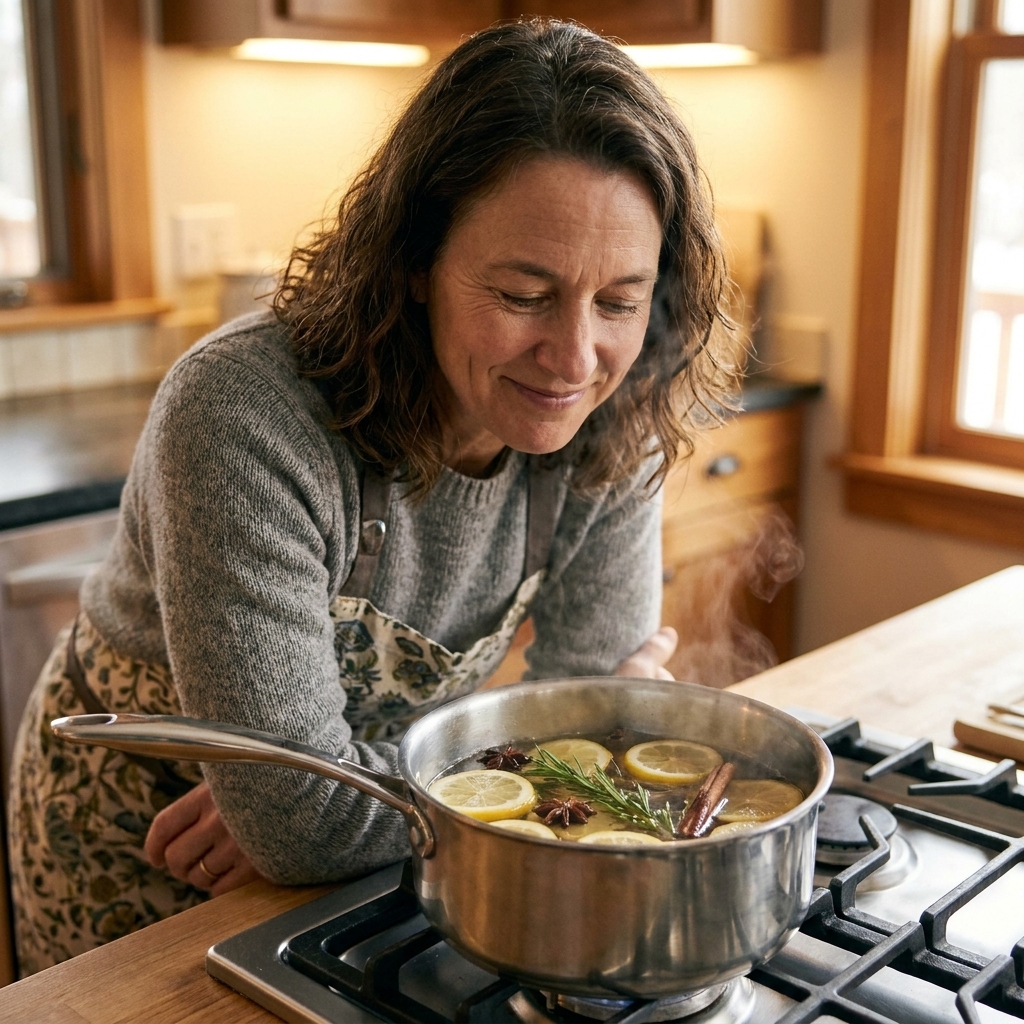
Simmer pot basics (so it smells great, not burnt)
What you need
- A small pot or saucepan (2- to 4-quart is perfect)
- Water to cover your ingredients by at least 1 to 2 inches
- Herbs and aromatics (fresh or dried, stems included)
- Gentle heat (a bare simmer, not a rolling boil)
How to simmer
- Add aromatics to the pot and cover with water.
- Bring just to a light simmer.
- Turn heat down low. You want occasional bubbles and steady steam.
- Top up with water as it evaporates. Never let the pot run dry.
Fresh vs. dried herbs
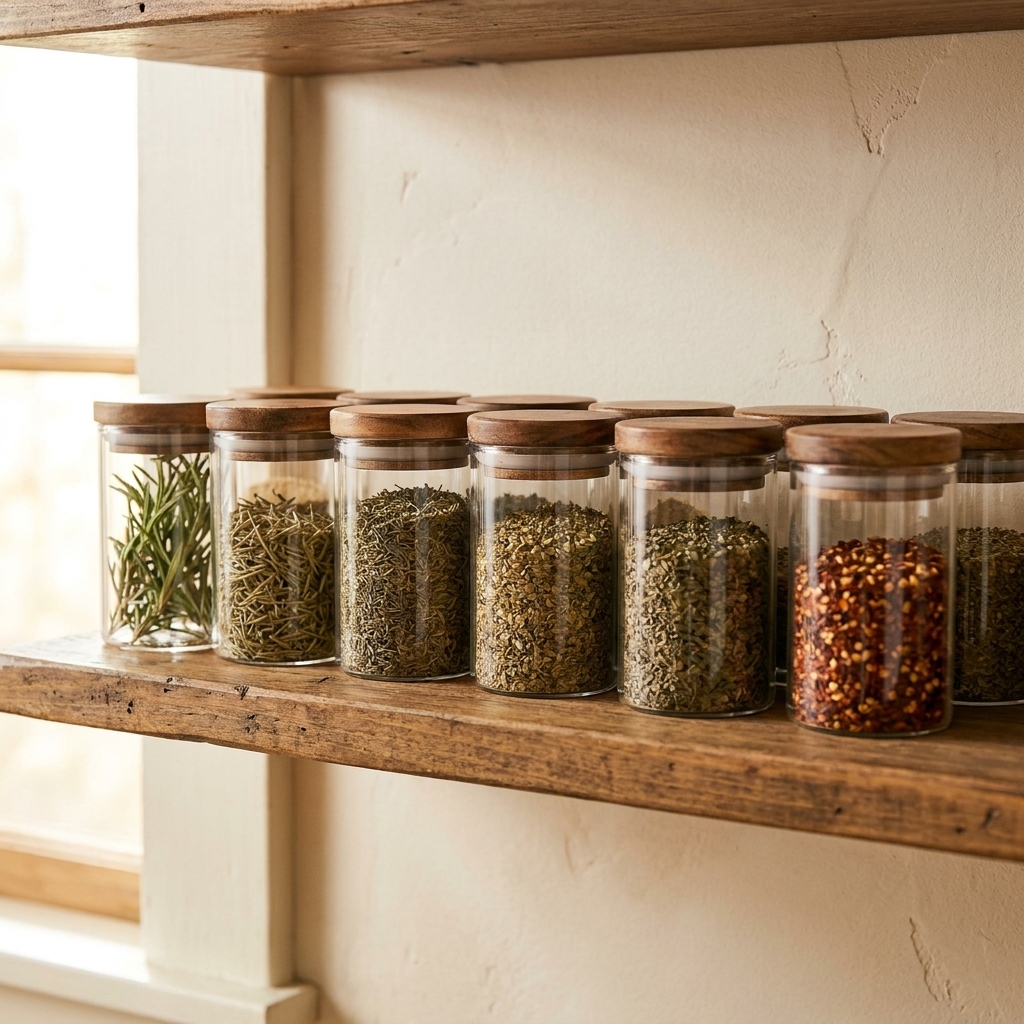
Both work. Fresh herbs smell greener and brighter. Dried herbs smell warmer and deeper. If I have a bundle of fresh stems after cooking, I use those first. If it is midwinter and my indoor pots are resting, I lean on dried.
A note on safety
- Stay nearby. Treat simmer pots like cooking. Set a timer and check water levels.
- Use low heat. High heat burns peels and spices fast.
- Ventilate if needed. If anyone in your home is scent-sensitive, has asthma, or gets headaches easily, start mild and crack a window.
- Back burner, clear space. If you can, use a back burner and keep the handle turned in so curious kids and pets cannot bump it.
- Pet caution. Keep the pot out of reach, and keep the blend simple around pets. Avoid essential oils entirely, and skip questionable botanicals or heavy spice blends if your pet is sensitive. When in doubt, ask your vet or check the ASPCA Animal Poison Control guidelines.
- Do not ingest the water. Even though many ingredients are edible, the simmer water is not made for drinking. It can be bitter, overly concentrated, and may include non-culinary plant bits, dusty scraps, or peel residues.
Prep your simmer stash from scraps
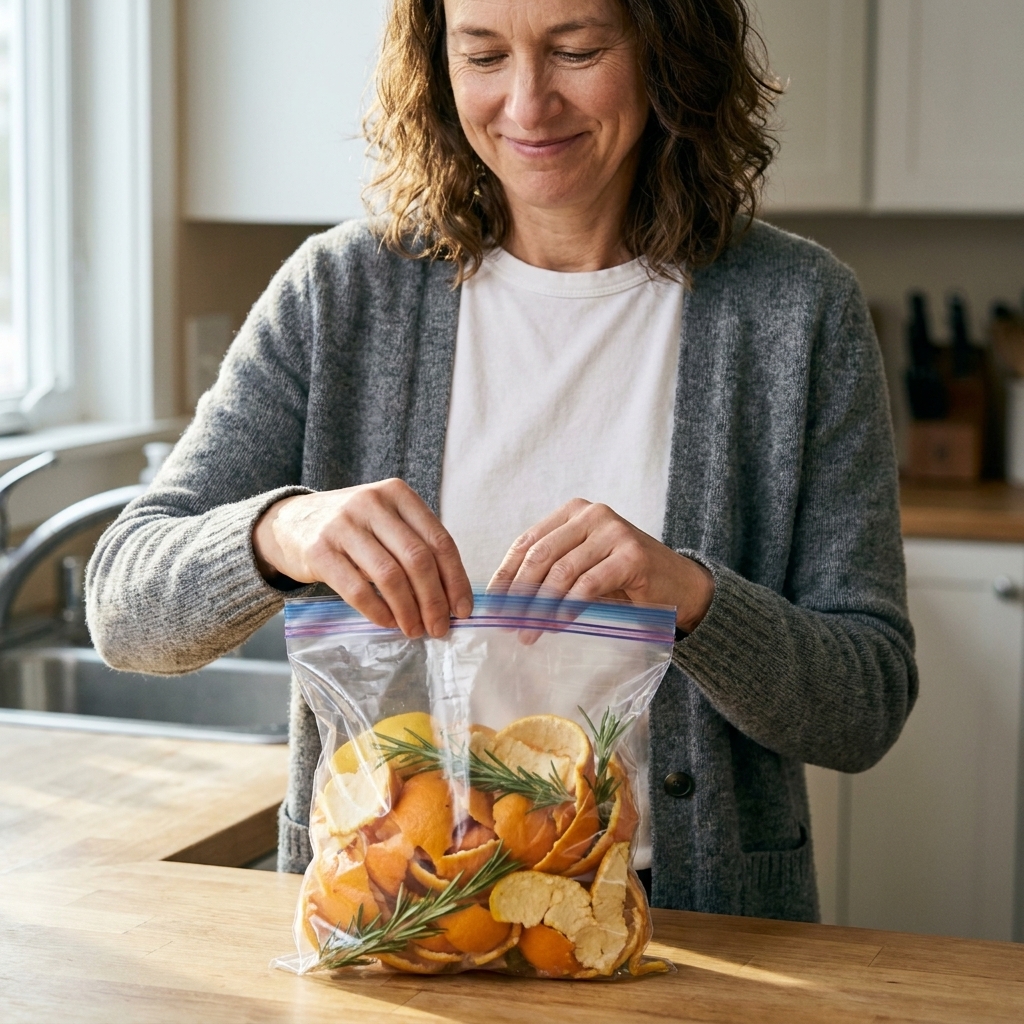
If you want simmer pots to become a habit, the secret is a stash bag in the freezer.
What I save
- Citrus peels and ends from lemons, oranges, grapefruit, and limes
- Herb stems from rosemary, thyme, sage, mint, basil, and lavender
- Apple peels and cores (especially in fall)
- Ginger knobs and vanilla bean pods after baking
Quick prep note
If you are using store-bought citrus, give it a good rinse and scrub before peeling, especially if it looks shiny or waxed. I want the bright peel oils in the pot, not whatever else might be clinging to the skin.
How to freeze it
Toss scraps into a freezer bag as you go. When it is about two-thirds full, you have at least a few simmer pots ready. You can simmer straight from frozen, just add a little extra water and give it time to warm up.
10 aromatic herbal simmer pot recipes
Each recipe below is for a small saucepan. Add ingredients, cover with water, and simmer on low for 30 minutes to a few hours, topping up water as needed.
About a “handful”: If you like numbers, I think of a handful of stems and leaves as roughly 1/4 to 1/2 cup, loosely packed. If your hands are small or your herbs are giant, do not overthink it. Start light and add more.
1) Rosemary Lemon Open the Windows
Smells like: clean, bright, and herbal
- 1 lemon, sliced (or peels from 1 to 2 lemons)
- 2 to 4 rosemary sprigs or a handful of rosemary stems
- 1 teaspoon whole peppercorns (optional, for a crisp edge)
Garden note: This is my go-to after pruning rosemary. Even woody stems perfume the whole kitchen.
2) Orange Clove Bay Cozy
Smells like: warm citrus and holiday spice without being too sweet
- Peel and/or slices from 1 orange
- 2 to 3 bay leaves
- 6 to 10 whole cloves
- 1 small cinnamon stick (optional)
3) Lavender Vanilla Clean Linen
Smells like: soft floral with a bakery warmth
- 1 tablespoon dried lavender buds (or 2 small fresh sprigs)
- 1 teaspoon vanilla extract or 1 used vanilla bean pod
- Peel from 1 lemon (optional, to brighten)
Tip: Lavender goes a long way. Start small, then add more if you want it more floral.
4) Sage Grapefruit Fresh Air
Smells like: spa day, but in your kitchen
- Peel from 1 grapefruit (or half, if you want it subtle)
- 3 to 5 fresh sage leaves (or a few sage stems)
- 1 teaspoon coriander seeds (optional)
Garden note: Sage stems are wonderfully resinous. I love using the tougher pieces that are less pleasant to chew in food.
5) Mint Lime Morning Reset
Smells like: a crisp mojito without the sugar
- Peels from 1 to 2 limes (or sliced lime ends)
- 1 large handful mint stems and leaves
- 1 teaspoon fennel seeds (optional, for sweetness)
Tip: Add mint in the last 20 to 30 minutes for the brightest scent, or start with stems and add leaves later.
6) Thyme Lemon Ginger Tea Garden
Smells like: lemony herbs with a gentle warmth
- Peel from 1 lemon
- 8 to 12 thyme sprigs (or a small handful of stems)
- 4 to 6 thin slices fresh ginger
Garden note: Thyme is tiny but powerful. This one makes even a small apartment feel freshly aired out.
7) Basil Strawberry Lemon Summer
Smells like: sweet-green and sun-warmed
- Handful of basil stems (and a few leaves if you have extras)
- Tops from 6 to 10 strawberries (optional but lovely)
- Peel from 1 lemon
Tip: Keep this at a very gentle simmer. Basil can turn sharp if boiled hard.
8) Rosemary Bay Orange Winter Walk
Smells like: evergreen and herbal, very outdoorsy
- 2 to 3 rosemary sprigs
- 1 to 2 bay leaves
- 1 sliced orange or a few strips of orange peel
Note: I am skipping actual pine needles here on purpose. Evergreen trimmings can be irritating or outright unsafe depending on the plant (and whether it has been sprayed or treated). Rosemary and bay give you that clean foresty vibe without the guesswork.
9) Chamomile Apple Soft Night
Smells like: gentle fruit and honeyed flowers
- Peels and core from 1 apple
- 2 tablespoons dried chamomile (or 2 chamomile tea bags)
- 1 small cinnamon stick (optional)
When I use it: Late afternoon, especially on days when the house needs a calmer mood.
10) Oregano Orange Black Pepper
Smells like: savory citrus, like you have sauce simmering
- Peel from 1 orange (or half an orange, sliced)
- 1 tablespoon dried oregano or a handful of fresh oregano stems
- 1 teaspoon whole black peppercorns
- 1 bay leaf (optional)
Tip: This one is surprisingly good after cooking fish or frying foods. The savory herbs help reset the air.
How to make herbs last longer
Use stems on purpose
Woody stems from rosemary, thyme, oregano, and sage hold up for hours and release scent slowly. Save the tender leaves for cooking, and toss stems into your simmer pot like you would a bouquet garni.
Refresh the pot instead of starting over
If the scent fades, try one of these quick refreshes:
- Add a few fresh citrus peels.
- Bruise herbs gently between your fingers and drop them in.
- Add a pinch of dried herbs or a few whole spices.
Reuse once (sometimes)
You can often re-simmer the same batch later the same day by adding fresh water. The second round is softer. After that, compost it. I do not keep simmer-pot scraps overnight. Fruit and herbs are happiest as a same-day situation.
Troubleshooting: when it smells off
- It smells bitter. Your heat is too high or peels are scorching. Lower the heat and add more water.
- It smells weak. Add more herbs, bruise stems, or include a bright note like lemon peel.
- It smells heavy. Reduce cloves and cinnamon. Add fresh rosemary or a slice of lemon to lighten it.
- It smells cooked. Try adding delicate herbs (mint, basil, lavender) later rather than at the start.
- It smells a little greasy. Skip oily add-ins. Essential oils can leave a slick film, trigger sensitivities, and do not behave like whole botanicals when heated.
Little rituals that make it easy
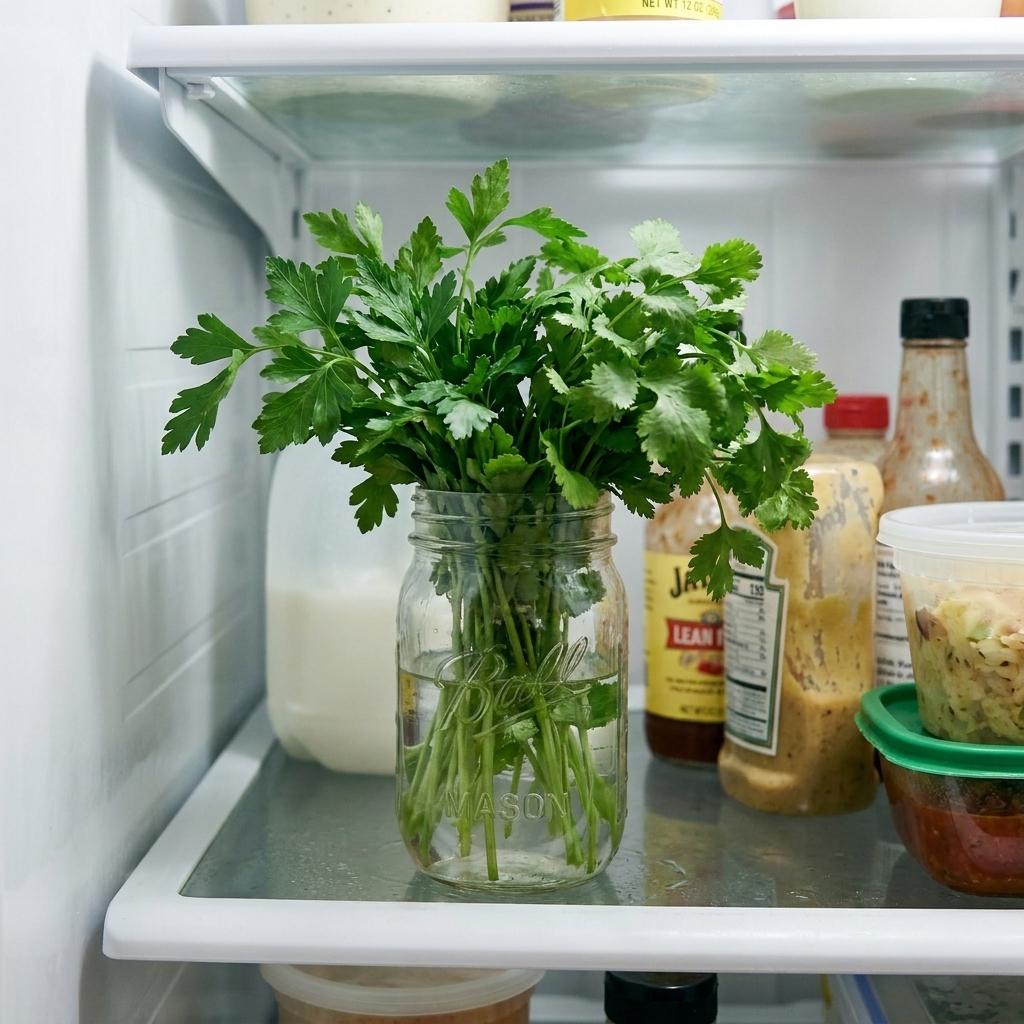
On weekends, I keep a small jar in the fridge labeled “simmer.” It is nothing fancy, just herb stems from cooking, plus citrus peels. When the afternoon slump hits, I tip the jar into a pot, add water, and let the house do what houses do best: hold onto comforting smells.
If you try one of these blends, start with whatever you already have. That is the whole charm. Simmer pots are not about perfection. They are about noticing how good a few humble scraps can be when you give them warm water and time.
Quick FAQ
Can I use dried herbs from my garden?
Yes. Start small, especially with strongly scented herbs like rosemary, sage, and lavender. I usually begin with a pinch, then build from there once the steam tells me what it wants to smell like.
How long can I simmer a pot?
A couple of hours is common, but the real rule is water level. As long as you stay nearby, keep heat low, and top up water, you can simmer for most of an afternoon. I compost the batch at the end of the day.
Can I use a slow cooker instead of the stove?
Yes. Add ingredients and water, then set to low. It is a nice option for long, gentle scenting, but I still peek occasionally to make sure the water level looks good.
What should I avoid adding?
Avoid anything oily or sugary in a simmer pot. That includes essential oils. Oils can leave a film, concentrate fast when heated, and can be irritating to breathe for some people and pets. Stick with whole herbs, peels, fruit scraps, and whole spices.