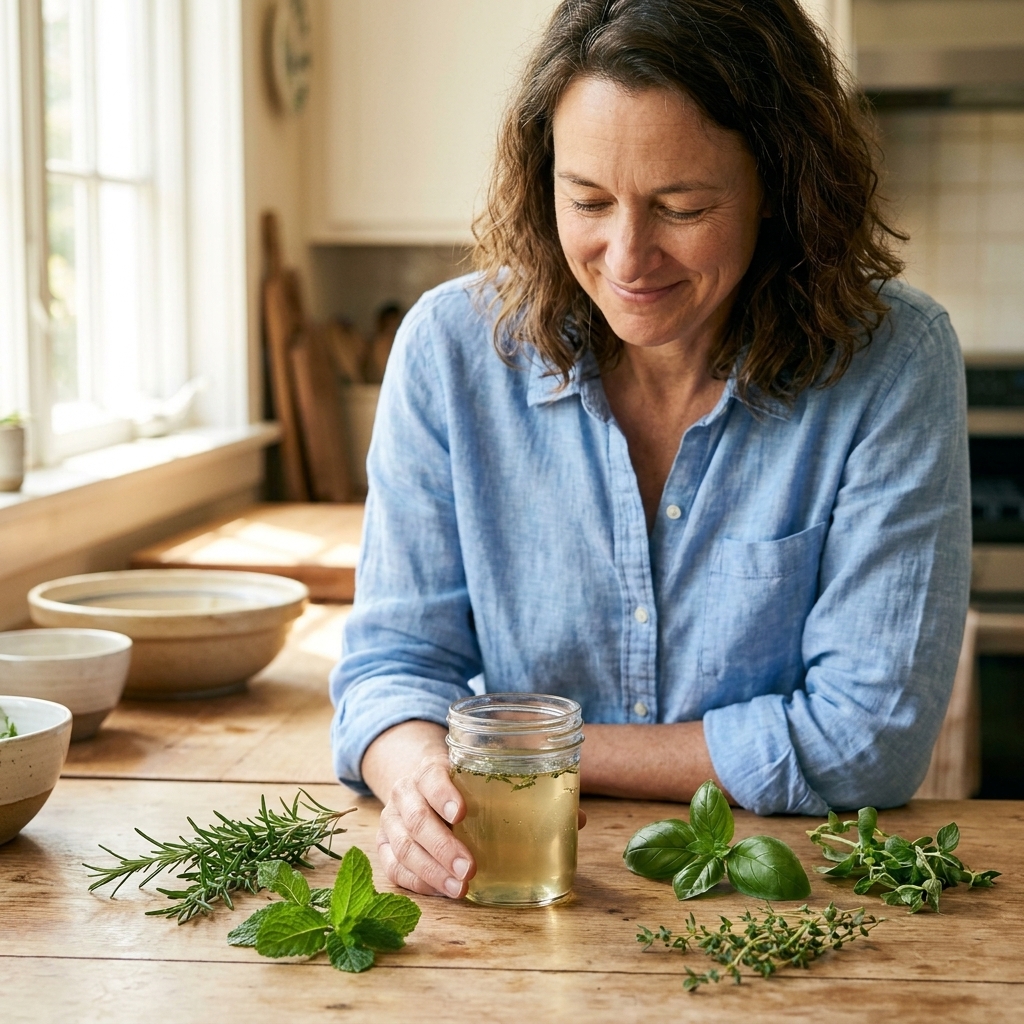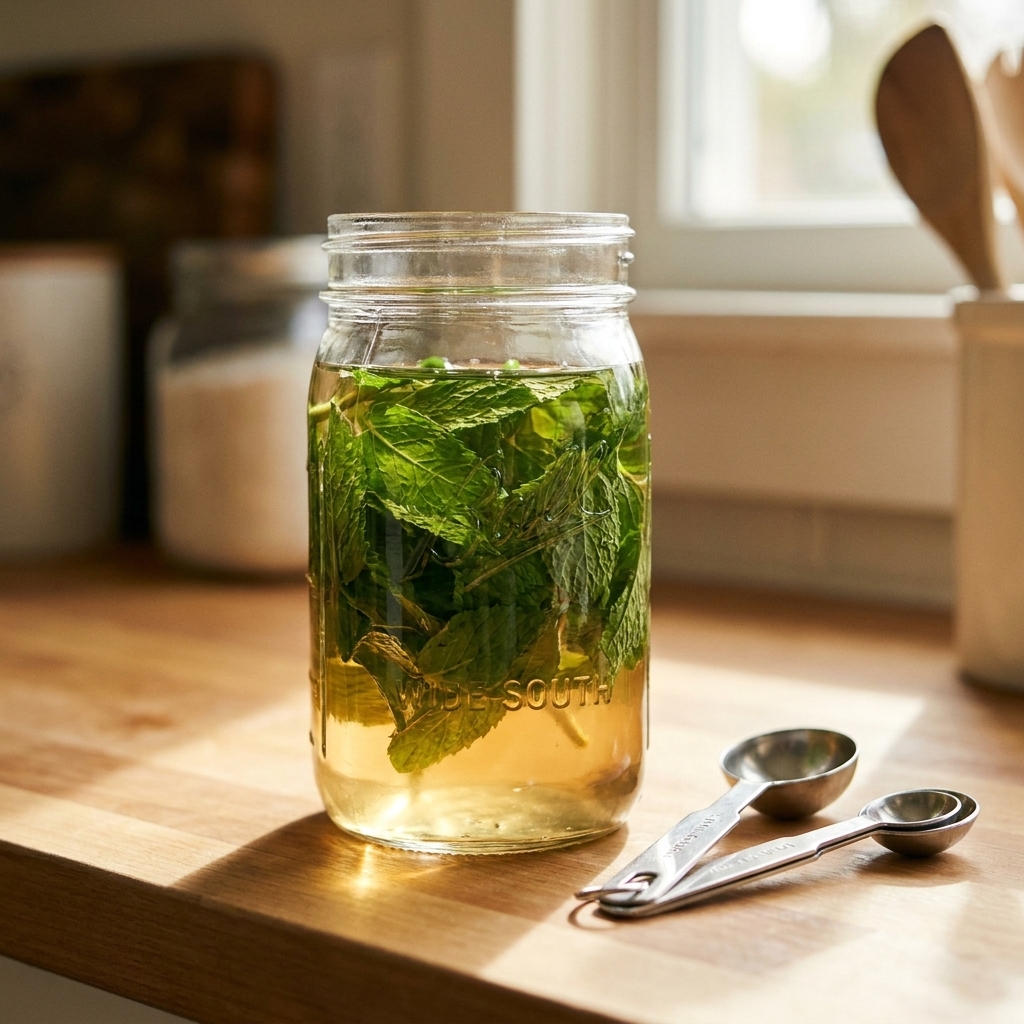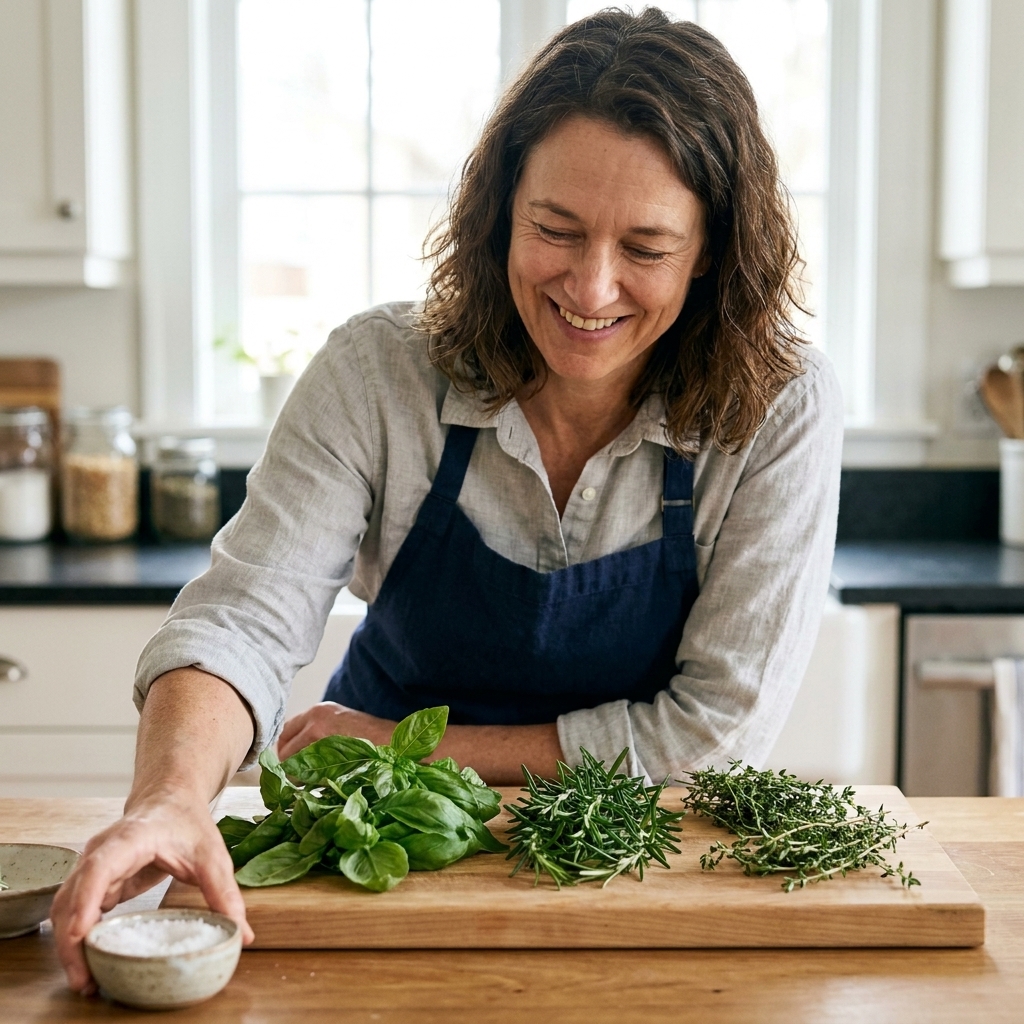
Herb-infused sugar is one of those small kitchen tricks that makes everything feel a little more special. A spoonful can turn plain tea into a garden-scented treat, and a pinch over berries tastes like you planned dessert on purpose. Best of all, it is easy. You are simply pulsing herbs with granulated sugar, then letting the flavor settle in.
I first made lavender sugar after helping my grandmother harvest lavender on a warm August afternoon. We dried bundles in her pantry, and the whole house smelled like sunshine. Years later, in a tiny apartment kitchen, I realized I could bottle that exact feeling in a jar of sugar.
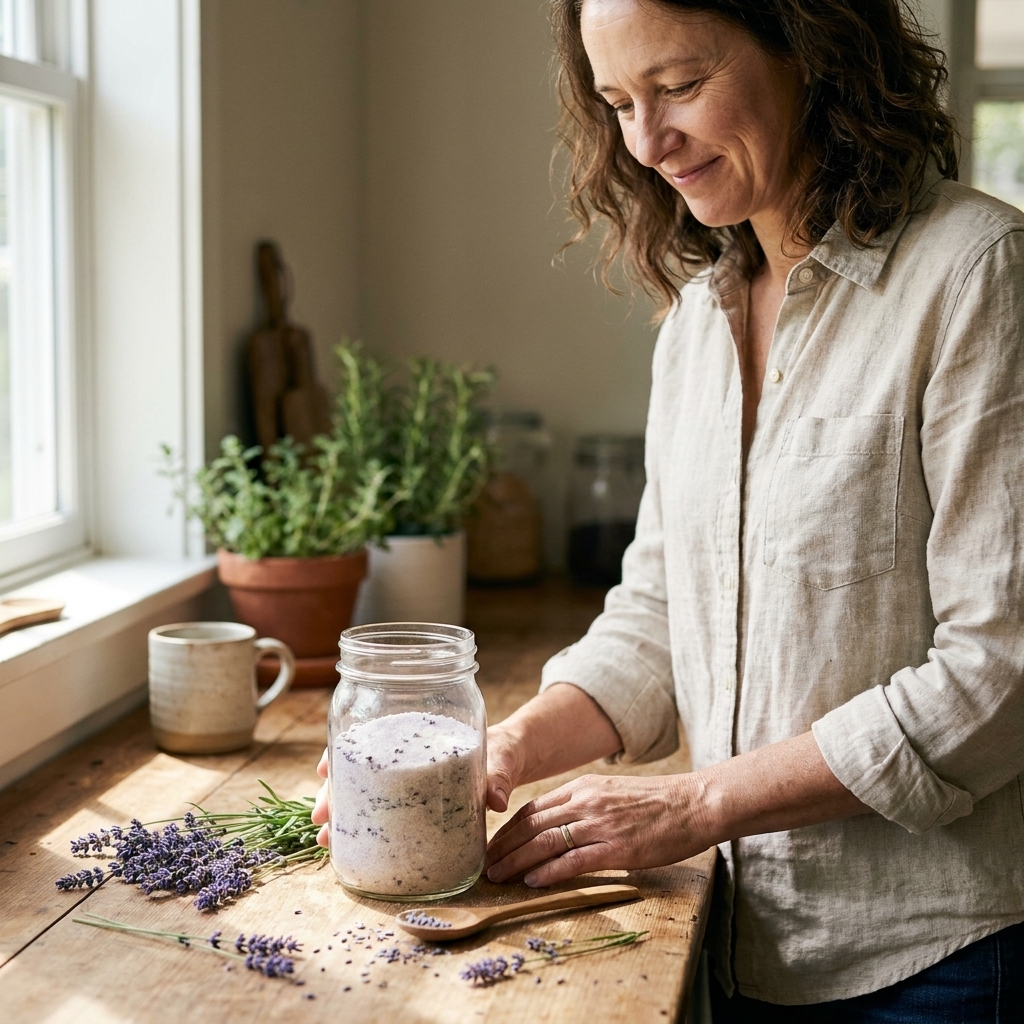
What it tastes like
Think of herb sugar as a gentle, aromatic accent, not a loud flavoring. It does not taste like salad. Done right, it tastes like whatever you love about that herb: basil can read as peppery and floral, mint is cool and bright, rosemary feels piney and almost citrusy, and lavender is pure perfume in the best way.
The sugar does three things:
- Carries aroma: sugar grabs onto herbal fragrance and spreads it evenly through whatever you are making.
- Adds texture: the crystals give sparkle on top of muffins, scones, and shortbread.
- Balances bitter notes: herbs like rosemary or thyme can feel softer and sweeter when paired with sugar.
Fresh vs dried herbs
You can make beautiful infused sugar with either fresh or dried herbs. The choice depends on how quickly you want to use it and what you are making.
Fresh herbs
- Pros: brightest aroma, especially for mint and basil.
- Cons: moisture is the enemy of shelf stability.
- Best uses: stirring into tea, sprinkling over fruit, short-term baking projects.
Important: Do not jar fresh-herb sugar until it is completely dry and loose. If it feels at all damp or clumpy, keep drying.
Dried herbs
- Pros: very stable, easy to measure, great for consistent baking.
- Cons: aroma can be a little softer, so you may use slightly more.
- Best uses: cookies, shortbread, cake toppings, pantry gifts.
My rule of thumb: If you want a jar that can live in the cupboard for months, start with dried herbs. If you have a handful of fresh mint that is begging to be used today, go fresh, then dry the mixture fully before you jar it.
Basic method
You need only a few tools: a clean coffee grinder or small food processor, a baking sheet, and an airtight jar.
Base ratio
- 1 cup granulated sugar
- 1 to 3 tablespoons dried herbs (or 1/4 cup lightly packed fresh herbs)
Start small with bold herbs. As a general guide, lavender and rosemary tend to shine at the lower end. Mint and lemon balm can handle more.
Step-by-step
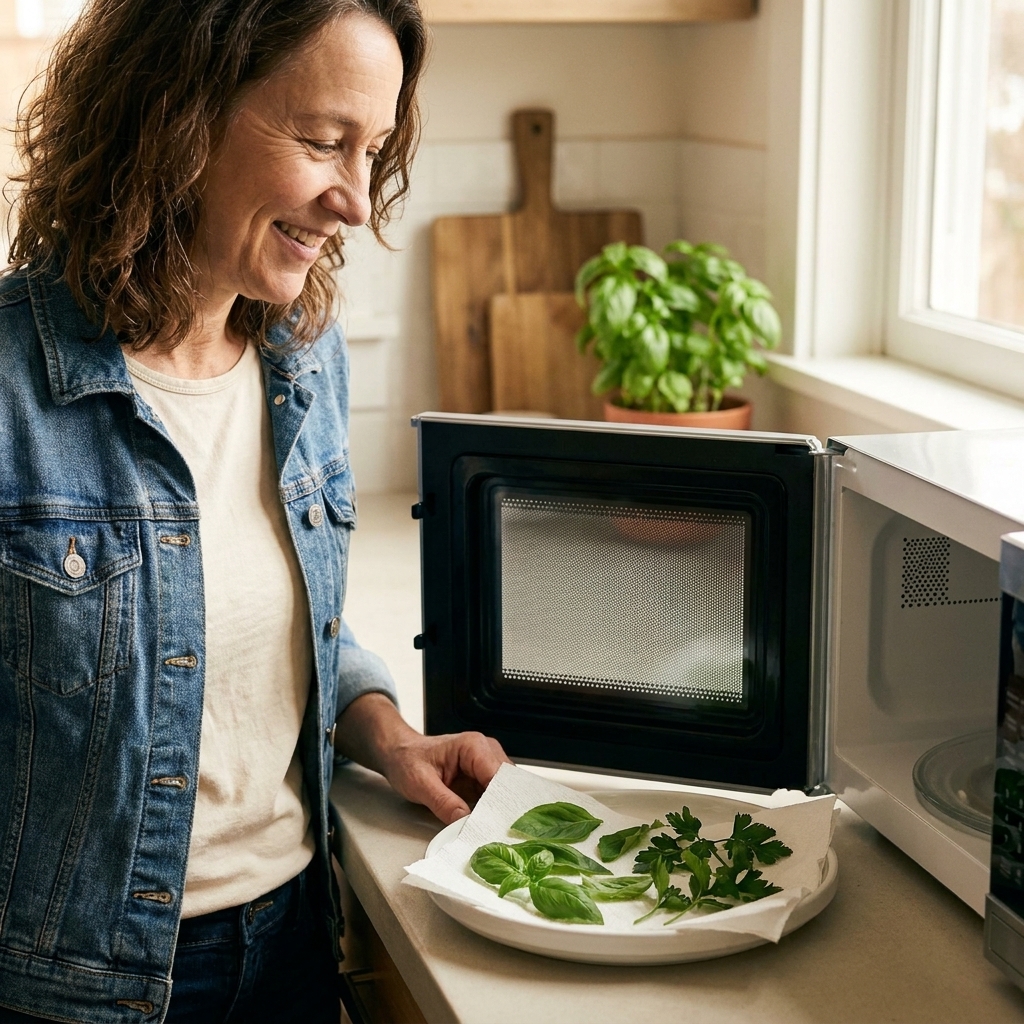
- Make sure herbs are clean. For fresh herbs, rinse and dry extremely well. Pat dry, then air dry on a towel until there is no surface moisture.
- Pulse with sugar. Add sugar and herbs to a grinder or processor. Pulse in short bursts until the sugar is fragrant and the herb is very finely chopped.
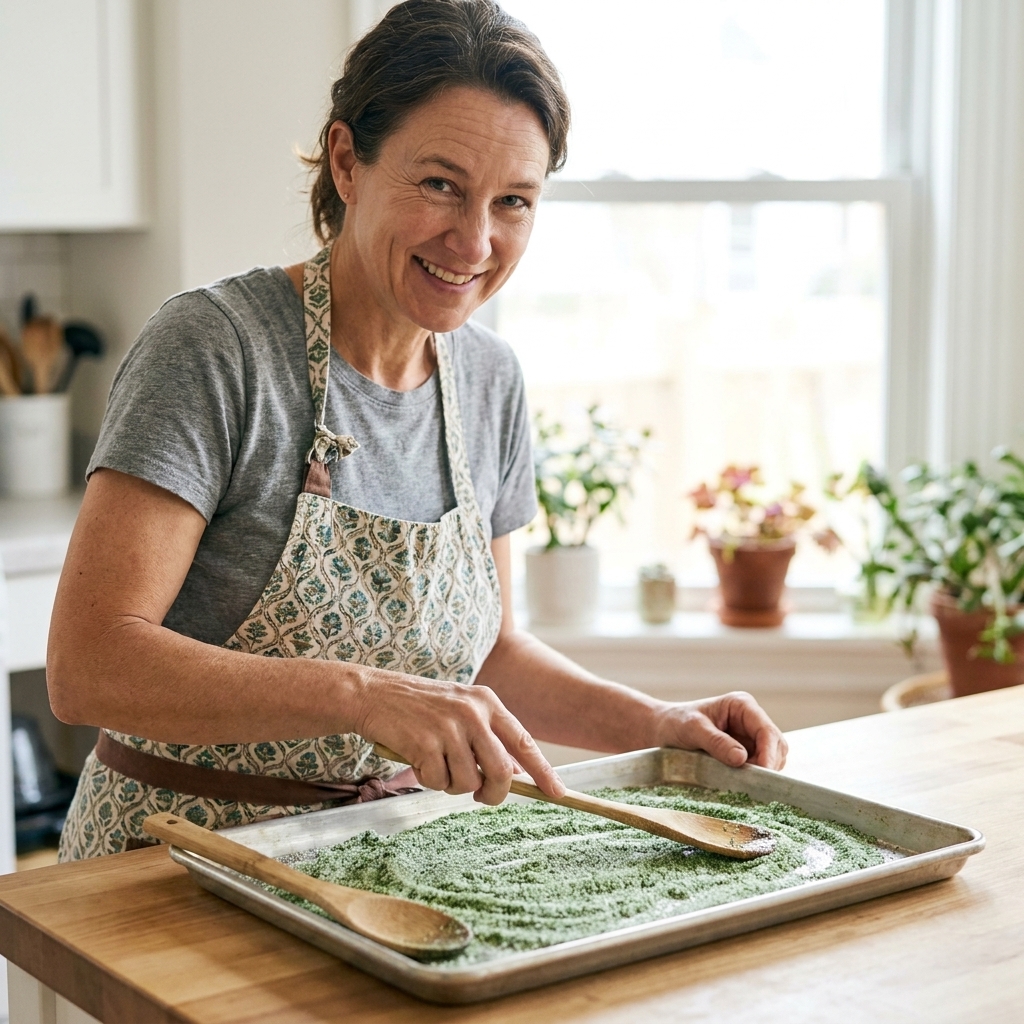
- Dry the mixture if you used fresh herbs. Spread on a baking sheet in a thin layer and let it air dry 12 to 24 hours, stirring once or twice. In humid weather, you can use the oven with just the light on, but check it now and then. It should feel only gently warm, never hot. If you use heat, keep it very low, ideally under about 170°F, and dry in short bursts. Cool completely before jarring.
- Sift if you want a finer sugar. This is optional. I usually skip it for rustic baking and do it for pretty tea sugar.
- Jar and label. Use a dry, airtight jar. Let it sit 1 to 2 days before judging the flavor; the aroma blooms.
Best herbs to use
Not every herb behaves the same in sugar. Here are the ones I reach for again and again, plus what they do best.
Lavender
Classic for shortbread, lemonade, and whipped cream. A little goes a long way. Stick with culinary lavender from a food-safe source, and skip ornamental plants that may have been sprayed.
Mint
Bright and friendly. Perfect for iced tea, fruit salad, and chocolate desserts. Spearmint is sweeter, peppermint is sharper.
Rosemary
Warm and piney. Lovely with citrus, especially orange and grapefruit. Try it on sugar-rimmed cocktail glasses or over roasted peaches.
Thyme
Gentle and slightly savory. It plays well with strawberries, stone fruit, and honey-like flavors.
Basil
Surprisingly floral. Beautiful with berries, lemon, and vanilla. Basil sugar on a tomato and peach salad is a summer secret I will never stop sharing.
Lemon balm
Soft lemon scent without the acidity. Great for tea and simple cakes.
A note on woody herbs: rosemary and thyme can stay a bit twiggy if not ground well. A coffee grinder helps, or use dried leaves stripped from the stems.
A note on sourcing: Use herbs you would happily eat. Avoid roadside plants, anything treated with pesticides, and any flowers labeled decorative rather than culinary.
Flavor pairings
If you are staring at your herb pot wondering what to do, these combinations are dependable and bake-friendly.
- Lavender sugar + lemon: shortbread, pound cake, lemon curd.
- Mint sugar + chocolate: brownies, hot cocoa, chocolate chip cookies.
- Rosemary sugar + orange: muffins, sugar rims, biscotti.
- Thyme sugar + berries: strawberry shortcake, jam, fruit salads.
- Basil sugar + strawberry: galettes, strawberry shortcake, whipped cream.
- Lemon balm sugar + vanilla: sugar cookies, tea, yogurt.
Three recipes
Lavender Vanilla Sugar
Ingredients
- 1 cup granulated sugar
- 1 tablespoon dried culinary lavender buds
- 1/2 teaspoon vanilla bean paste (or 1/2 scraped vanilla bean, optional)
How to make it
- Pulse sugar and lavender until fragrant and pale purple-flecked.
- If using vanilla, stir it in well. Spread on a plate for an hour to dry slightly, then jar.
- Rest 24 hours before using.
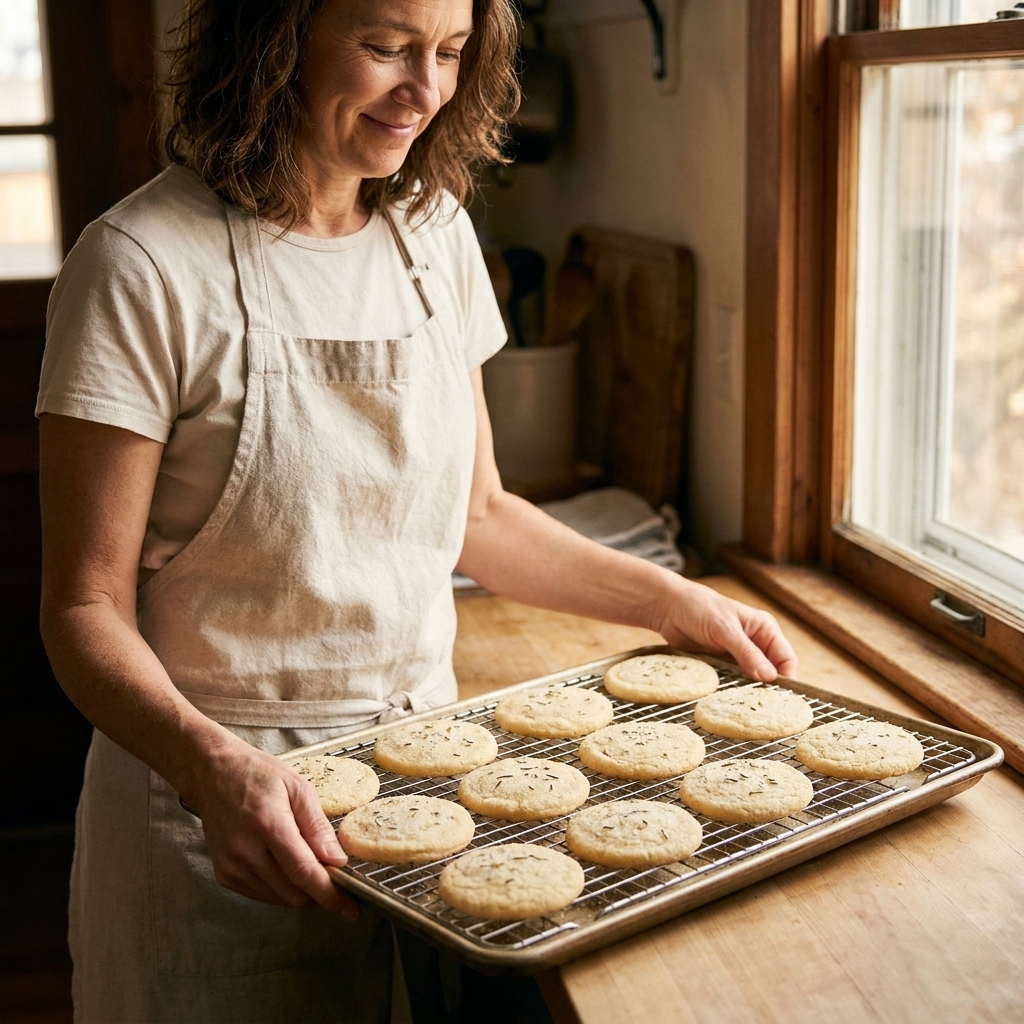
Use it for: shortbread, scones, whipped cream, or stirred into black tea.
Bright Mint Sugar
Ingredients
- 1 cup granulated sugar
- 1/4 cup fresh mint leaves, very dry
How to make it
- Pulse sugar and mint until the mint is minced extremely fine.
- Spread on a baking sheet and air dry 12 to 24 hours, stirring once.
- Jar only when completely dry and loose, not clumpy.
Use it for: iced tea, mojito-style lemonade, fruit salad, chocolate desserts.
Rosemary Citrus Sugar
Ingredients
- 1 cup granulated sugar
- 1 tablespoon dried rosemary (or 2 tablespoons fresh, very dry and finely chopped)
- 1 teaspoon finely grated orange zest (optional, for quick-use sugar)
How to make it
- Pulse sugar and rosemary until rosemary is very fine.
- If adding zest, stir it in after pulsing. Use only the colored outer peel, not the bitter white pith.
- Spread to dry for several hours, then use within 1 to 2 weeks, or freeze for longer keeping.
Use it for: topping muffins, sprinkling over grapefruit, rimming a cocktail glass, or sweetening strong tea.
How to use it
Once you have a jar on the counter, you will start reaching for it constantly. Here are my favorite everyday uses.
Baking
- Swap herb sugar for plain sugar in shortbread and sugar cookies.
- Sprinkle on muffin tops before baking for a crisp, fragrant crust.
- Dust over buttery pie crust cutouts or puff pastry twists.
Tea and drinks
- Stir lavender sugar into Earl Grey or black tea.
- Add mint sugar to iced green tea.
- Use rosemary citrus sugar to rim glasses for lemonade or cocktails.
Fruit and breakfast
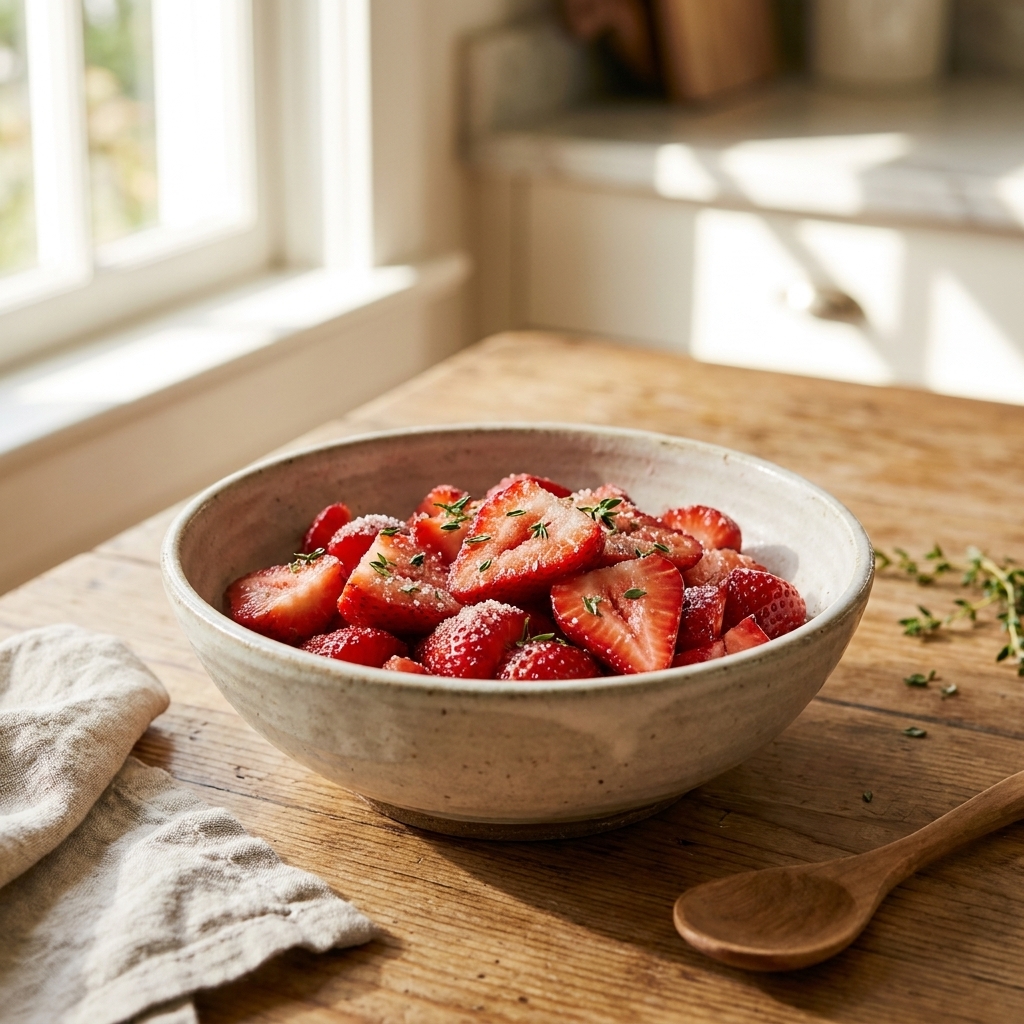
- Toss berries with thyme sugar and a squeeze of lemon.
- Sprinkle basil sugar over sliced strawberries and let them sit 10 minutes.
- Stir lemon balm sugar into plain yogurt.
- Finish buttered toast with a whisper of lavender sugar.
Storage and shelf life
Herb sugar keeps best when it is dry, cool, and sealed tight. Consider these timelines friendly guidance, not a promise. Humidity, dryness, and a single damp spoon can change everything.
- Dried-herb sugars: often keep their best flavor for about 6 to 12 months in an airtight jar in a pantry.
- Fresh-herb sugars: best used sooner, often within 1 to 3 months, and only after the mixture is fully dried before jarring.
- Zest-added sugars: use within 1 to 2 weeks in the fridge, or freeze for longer storage. Citrus zest adds moisture and can encourage clumping.
When to toss it: any lingering dampness, visible mold, or an off smell. If you are not sure it is dry, treat that as your answer and start over. Sugar is cheap. Peace of mind is not.
Troubleshooting
It clumped into a brick
This usually means there was too much moisture or the kitchen was very humid. Spread it on a baking sheet and let it air dry longer. For stubborn clumps, pulse again, then dry.
It tastes too strong
Lavender can do this. Blend the infused sugar with more plain sugar to dilute, then use it where butter and vanilla can soften it, like shortbread.
It tastes too weak
Let it rest another day. If it is still light, pulse in a bit more dried herb. For fresh herbs, consider switching to dried next time for a more concentrated result.
Green flecks turned brown
This can happen with fresh herbs if they warmed up in the grinder or stayed damp. Dry the leaves thoroughly before pulsing, and dry the sugar promptly after.
Gifting
Herb sugar is one of my favorite garden gifts because it looks pretty, smells wonderful, and feels personal without being fussy.
- Use a small glass jar with a tight lid.
- Include a simple serving idea in your note, like “try this in tea” or “sprinkle on sugar cookies.”
- For a gift jar that stays shelf-stable, stick to dried herbs and skip citrus zest.
FAQ
Do I need a coffee grinder?
No, but it helps a lot for woody herbs like rosemary and thyme. A small food processor works too. If you do not have either, mince herbs very finely and rub them into the sugar with your fingers to release the aroma, then let it rest longer.
Can I use powdered sugar?
You can, especially for dusting over baked goods. It clumps more easily, so I recommend dried herbs only, and sifting before using.
Is it safe?
It can be, as long as your herbs are clean and the sugar stays truly dry. Fresh herbs and citrus zest raise the moisture level, which raises the mold risk. Dry fresh-herb sugar completely before storing, and discard the whole batch at the first sign of mold or off odors.
What sugar is best?
Plain white granulated sugar is the most predictable for pulsing and storing. Cane sugar works too. If you want extra crunch on top of muffins and scones, try demerara or turbinado, especially with rosemary or thyme. For a warmer flavor, light brown sugar can be lovely, but expect more clumping because of the molasses.
Try your first jar
If you are new to this, start with mint or lavender. Pulse, breathe in that first burst of fragrance, and you will understand why I keep a jar within arm’s reach. Herb sugar is a small way to bring your garden into your baking, even if your “garden” is one pot on a windowsill.