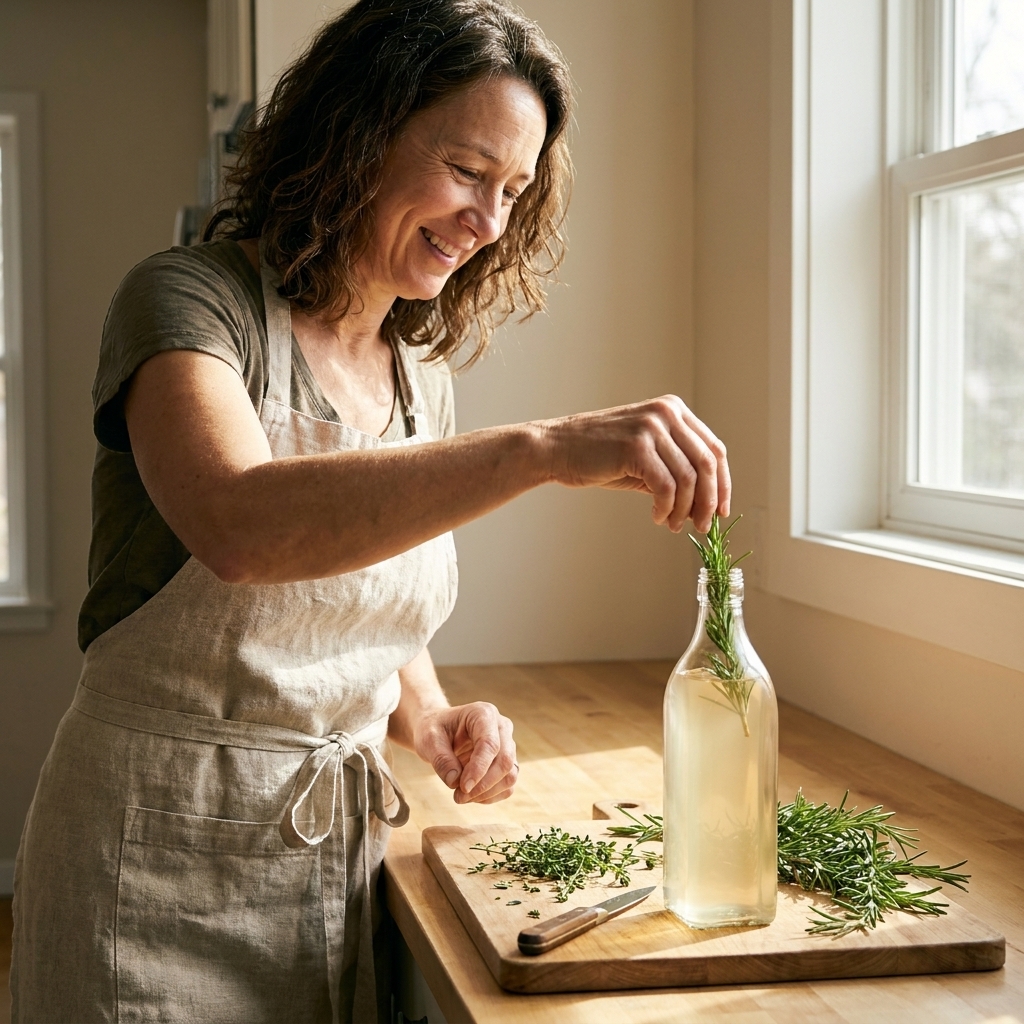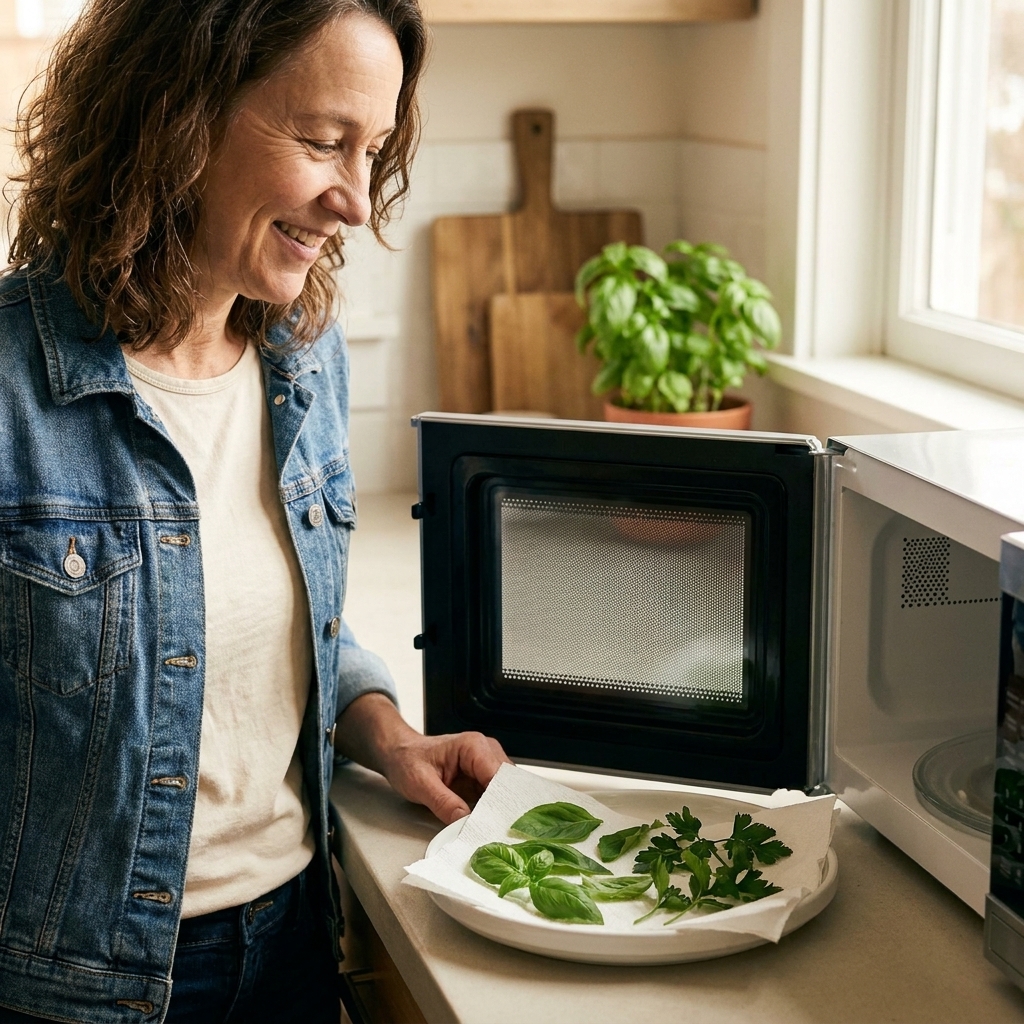
There is a particular kind of late-summer abundance that sneaks up on you. One day your basil looks polite, and the next day it is flopping over the edge of the bed like it owns the place. Same with chives, oregano, and that “one little” parsley plant that turns into a shrub.
When my herb basket starts looking a little too full, compound butter is my favorite save-it-now solution. It takes minutes, freezes beautifully, and turns a random Tuesday dinner into something that tastes like you planned ahead.

Why I freeze herbs in butter
Drying herbs is wonderful, but it changes the flavor. Freezing herbs works, but loose chopped leaves can get icy and a little sad. Butter, on the other hand, helps hold on to those delicate aromas and gives you an instant sauce the moment it hits heat.
- Fast: Mix, roll, freeze.
- Flexible: Use what you have, swap what you don’t.
- Portion-friendly: Slice off exactly what you need.
- High impact: A single coin of butter can finish steaks, green beans, roasted carrots, pasta, or a crusty slice of bread.
Basic method
What you need
- Butter: 1 stick (1/2 cup) unsalted, softened. Salted is fine, just taste before adding extra salt.
- Fresh herbs: Usually 2 to 4 tbsp chopped per stick, depending on how bold you want it.
- Flavor boosters: Citrus zest, garlic, shallot, chili flakes, grated cheese, a spoon of honey, or a dab of mustard.
- Wrap: Parchment paper works best. Plastic wrap also works. Foil can go on the outside for extra freezer protection.
Step-by-step
- Prep your herbs. Rinse if needed, then dry very well. Wet herbs can make butter weep or freeze with little ice crystals. I pat dry and let them air-dry on a towel for 10 to 15 minutes.
- Chop. Chop leaves finely. For woody herbs like rosemary and thyme, strip leaves from stems first.
- Mix. In a bowl, mash softened butter with herbs and add-ins until evenly speckled.
- Shape. Spoon onto parchment and roll into a log. Twist the ends like a candy wrapper, then smooth into an even cylinder.
- Freeze. Freeze the log until firm, then transfer it to a freezer bag for longer storage.
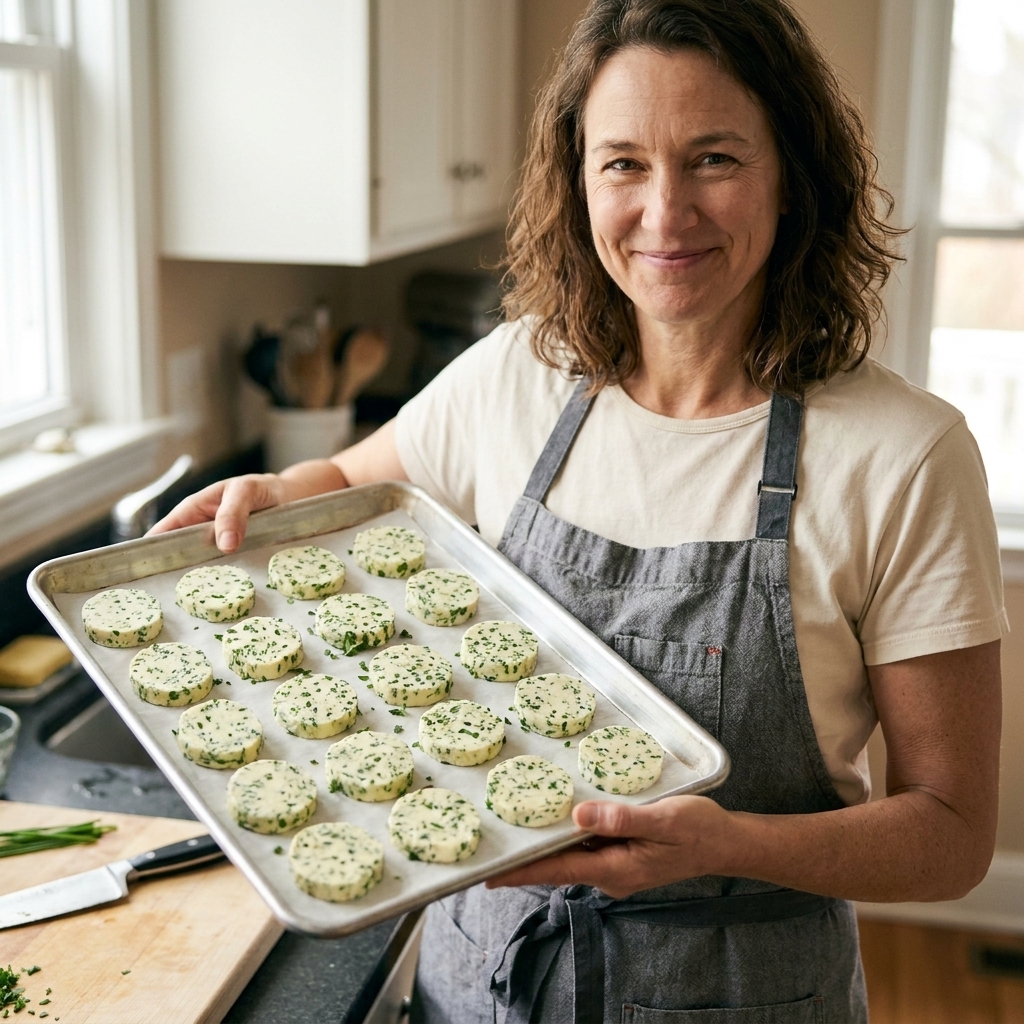
My easiest portioning trick: Once the log is firm, slice it into coins, then freeze the coins in a single layer before bagging. You can grab one or two without wrestling a whole log.
Food safety note: If you are adding raw garlic or shallot, keep the butter refrigerated and use it promptly, or freeze right away for longer storage. Date the bag or wrapped log so you know what you are working with later. Either way, use clean utensils so you are not introducing crumbs or moisture.

Herb to butter ratios
If you want a dependable starting point, this is it:
- Delicate leafy herbs (basil, parsley, cilantro, chives, dill): 3 tbsp finely chopped per 1/2 cup butter.
- Stronger herbs (oregano, sage, tarragon, mint): 2 tbsp per 1/2 cup butter.
- Woody herbs (rosemary, thyme): 1 1/2 to 2 tbsp per 1/2 cup butter, very finely minced.
You can absolutely mix herbs. If you are combining a strong herb with a delicate one, let the delicate herb be the bulk and use the strong herb as the accent.
7 freezer-friendly herb butter recipes
Each recipe below is for 1 stick (1/2 cup) butter. Double or triple if you are processing a whole harvest basket.
1) Basil garlic Parmesan butter
This is my “late summer in a slice” butter. It melts into pasta water, finishes tomatoes, and makes plain bread feel fancy.
- 1/2 cup unsalted butter, softened
- 3 tbsp fresh basil, finely chopped
- 1 small garlic clove, grated or very finely minced
- 2 tbsp finely grated Parmesan
- Pinch of salt, black pepper to taste
Best on: garlic bread, grilled chicken, pasta, roasted zucchini.
2) Lemon dill butter
Bright, clean, and gentle. If you grow dill, you already know it loves to bolt. Freeze this and you will thank yourself later.
- 1/2 cup butter, softened
- 3 tbsp fresh dill, chopped
- Zest of 1 lemon
- 1 tsp lemon juice
- Pinch of salt
Best on: salmon, cod, steamed potatoes, green beans.
3) Chive shallot butter
This one melts into that glossy restaurant puddle on top of a steak, but it is also amazing on mushrooms and baked potatoes.
- 1/2 cup butter, softened
- 3 tbsp chopped chives
- 1 tbsp very finely minced shallot
- 1/4 tsp black pepper
- Pinch of salt
Best on: steaks, burgers, sautéed mushrooms, scrambled eggs.
4) Rosemary thyme butter
Woody herbs are powerful. Keep the chop fine and the amounts reasonable, and you get pure cozy-roast aroma.
- 1/2 cup butter, softened
- 1 tbsp rosemary, very finely minced
- 1 tbsp thyme leaves, very finely chopped
- 1 small garlic clove, minced (optional)
- Pinch of salt
Best on: roasted potatoes, carrots, chicken, white beans.
5) Sage brown sugar butter
This is sweet-savory and a little nostalgic, like the smell in the kitchen when fall cooking starts.
- 1/2 cup butter, softened
- 2 tbsp fresh sage, finely chopped
- 1 1/2 tsp brown sugar or maple syrup
- Pinch of salt
- Tiny pinch of nutmeg (optional)
Best on: roasted butternut squash, sweet potatoes, pork chops, cornbread.
6) Cilantro lime chili butter
When cilantro is thriving, I make this and freeze it in coins. One coin on hot corn is a whole mood.
- 1/2 cup butter, softened
- 3 tbsp cilantro, chopped
- Zest of 1 lime
- 1 tsp lime juice
- 1/4 tsp chili flakes or a pinch of cayenne
- Pinch of salt
Best on: corn on the cob, shrimp, fajita veggies, rice bowls.
7) Parsley oregano anchovy butter
Do not worry if you think you do not like anchovies. They disappear into savory depth, like the secret behind a great Caesar dressing. If you truly cannot do anchovy, swap in 1 tsp miso.
- 1/2 cup butter, softened
- 2 tbsp parsley, finely chopped
- 1 tbsp oregano, finely chopped
- 1 to 2 anchovy fillets, mashed (or 1 tsp miso)
- 1 tsp lemon zest
- Black pepper to taste
Salt tip: If you are using salted butter, or adding salty ingredients like Parmesan, anchovy, or miso, start with no added salt and season at the end.
Best on: grilled steak, roasted broccoli, crusty bread, sautéed greens.
Allergen heads-up: These are dairy-based, and a few versions include Parmesan and anchovy. They are easy to adapt, but if you are cooking for someone with allergies, label clearly before freezing.
Freezing tips
How long does it keep?
For best flavor, I try to use herb compound butter within 3 to 6 months. It will stay safe longer when kept solidly frozen, but herbs lose brightness over time.
Wrap it well
- Roll in parchment, then slide into a freezer bag.
- Press out as much air as you can.
- If your freezer runs “stinky” from onions, fish, or strong leftovers, add a second outer wrap of foil.
Labeling that helps later
I write the flavor and month on the bag. Your future self does not want to play “green flecks mystery butter” in December.
Molds work, too
Silicone molds or ice cube trays make tidy portions. Freeze until firm, then pop them out and store in a freezer bag. I still prefer logs for slicing, but cubes are great for tossing into a hot pan.
How to use frozen herb butter
Use it straight from the freezer
Drop a coin into a hot pan or onto a hot steak and call it dinner. If you want it spreadable for bread, let it soften in the fridge for a few hours.
- Finish grilled meats: Place a coin on steak, chicken, or pork right off the heat.
- Instant veggie glaze: Toss steamed green beans or roasted carrots with a slice while hot.
- Pasta shortcut: Melt butter in a pan, add a splash of pasta water, and swirl into a quick sauce.
- Bread magic: Spread on warm bread, or melt and brush over rolls before serving.
- Eggs and breakfast: Scramble eggs in chive butter or melt dill butter over a breakfast potato hash.
Thawing and handling
Try not to repeatedly thaw and refreeze. Grab what you need, then get the rest back into the freezer quickly. For the best texture, thaw in the fridge rather than leaving butter on the counter for a long stretch.
Troubleshooting
Butter looks watery or grainy
Usually it is moisture from herbs that were not fully dried, or butter that got too warm and separated. Next time, dry herbs thoroughly and mix butter while it is softened but still cool enough to hold shape.
Can I use salted butter?
Absolutely. Just add extra salt cautiously, especially if you are adding Parmesan, anchovy, or miso.
Can I use vegan butter?
Yes, with a caveat. Some plant-based butters freeze a little softer or have higher water content. It still works, but wrap well and use within a couple of months for best texture.
Do I have to blanch herbs?
No. For compound butter, I skip blanching. The butter does a lot of the work, and the quick freeze keeps flavor bright.
A simple harvest habit
If you are standing in your kitchen with a pile of herbs and that familiar feeling of I-need-to-do-something-with-this-right-now, compound butter is your calm answer. Pick one recipe, roll it up, and put it in the freezer. The rest can wait until tomorrow.
And if you want to make it a tiny ritual, slice a coin right away and melt it over whatever you are cooking tonight. Your garden did the hard work. Let dinner taste like it.