One of my favorite garden “shortcuts” is companion planting. It is not magic, and the results can vary from garden to garden, but it can feel like it on a July morning when your basil looks lush, your tomatoes are humming with bees, and the usual pest pressure stays oddly quiet. The basic idea is simple: plant herbs near plants they help, and let their scent, flowers, and growth habits do some of the work for you.
Below are 10 herb companion planting combinations I rely on in raised beds, containers, and even tight little corners where I need every plant to pull its weight. I will also share a few “please do not pair these” notes, because some herbs are friendly neighbors and some are, well, bossy roommates.
Before you pair herbs, keep these 4 basics in mind
- Match sun and water needs first. Mediterranean herbs like rosemary, thyme, oregano, and sage want drier soil than basil, cilantro, and parsley.
- Think in layers. Low, mounding herbs (thyme, oregano) can act like living mulch under taller plants.
- Let some herbs flower. Dill, chives, cilantro, and basil blossoms are tiny pollinator magnets if you let a few plants bloom.
- Contain the spreaders. Mint and lemon balm belong in pots unless you truly want a mint yard.
1) Basil + tomatoes
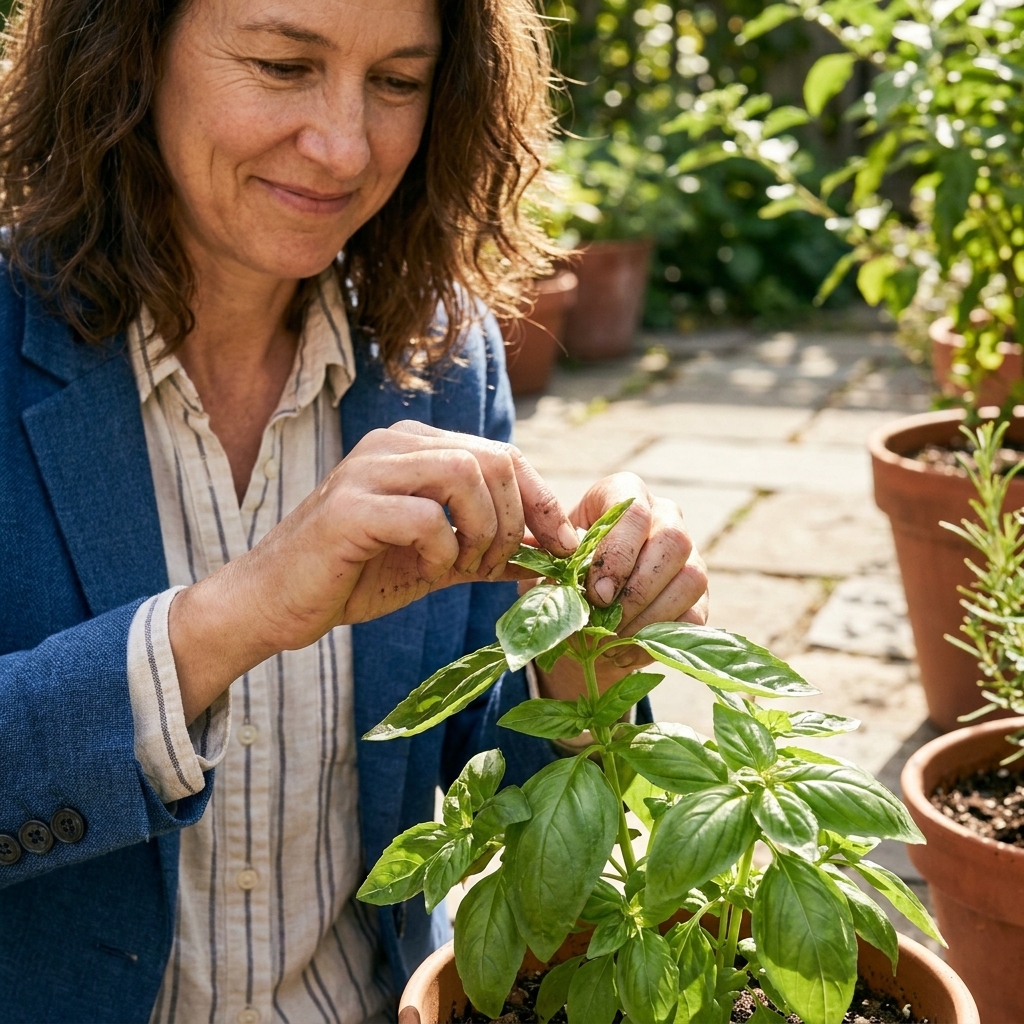
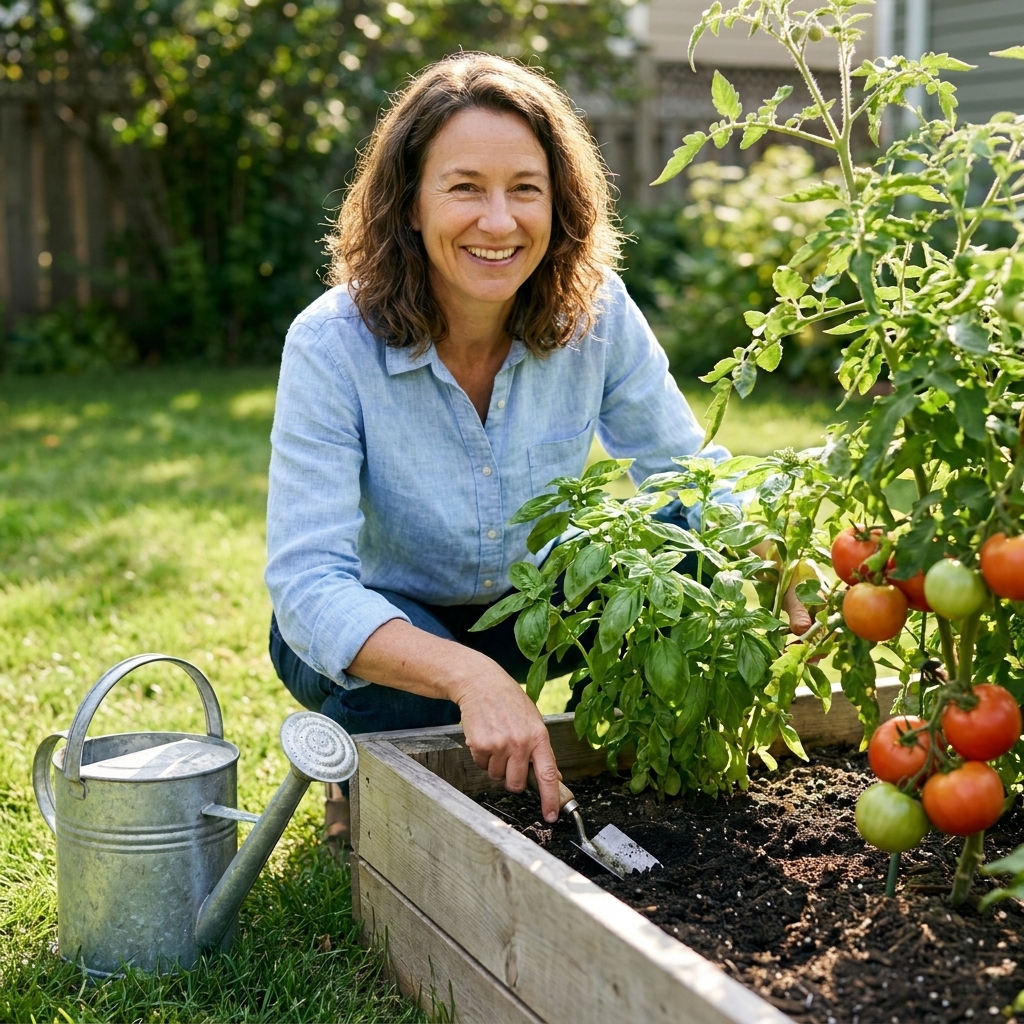
If I could only pick one herb pairing for a summer garden, it would be basil tucked around tomatoes. Basil’s strong fragrance may help make tomatoes harder for some pests to zero in on, and its flowers bring in beneficial insects when you let a plant or two bloom.
Why it works
- Scent in the air: Basil’s aroma can sometimes throw off scent-driven pests like aphids, thrips, or even hornworm moths, especially in a mixed planting.
- Pollinator pull: Basil flowers attract bees and other helpful insects.
- Space savvy: Basil fills in beneath tomatoes without competing too aggressively.
How I plant it
Plant basil 8 to 12 inches from the tomato stem, around the outside of the tomato’s drip line. In containers, one full-size (indeterminate) tomato with 1 to 2 basil plants works well if your pot is at least 15 to 20 gallons. For patio or determinate tomatoes, you can often go smaller, but bigger is still easier to keep evenly watered.
2) Chives + carrots
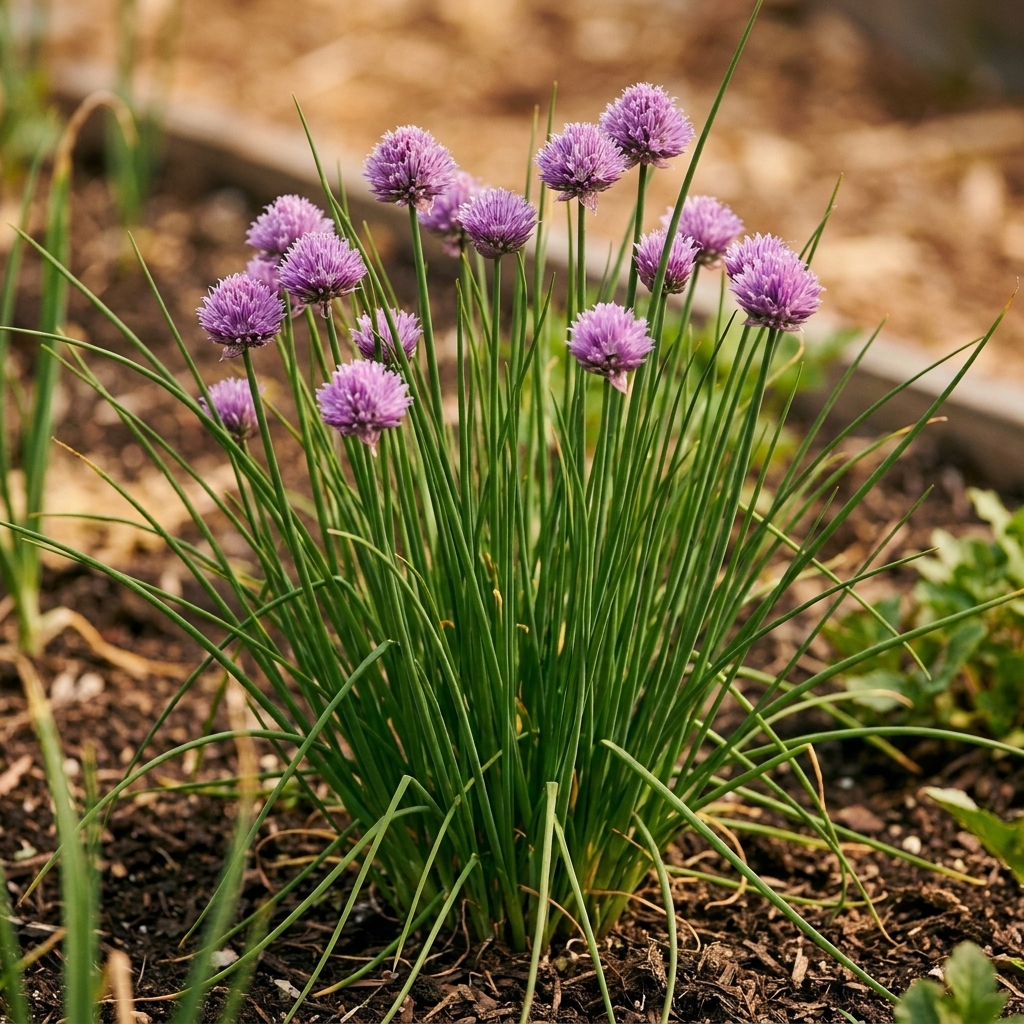
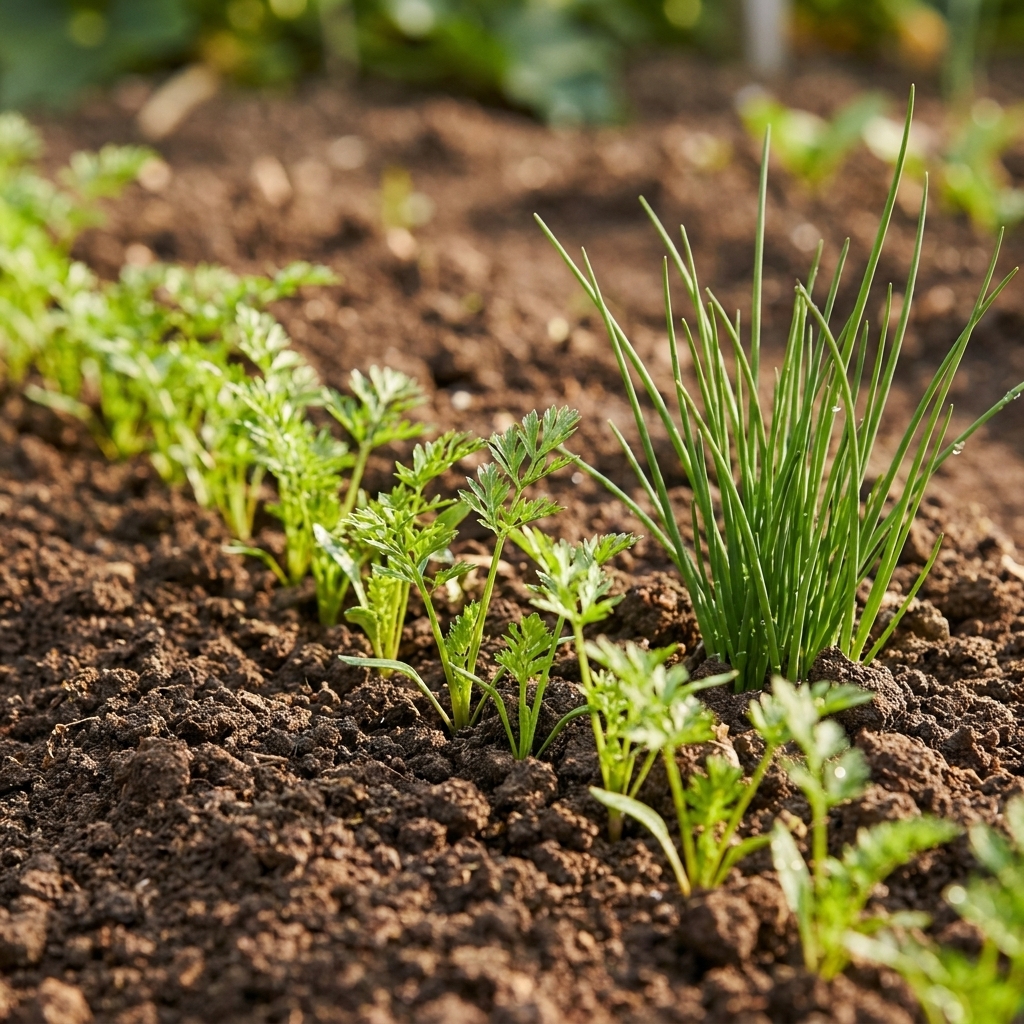
Chives are small but mighty. Their oniony scent is one of the easiest ways to gently “hide” carrots from pests, and the purple pom-pom blooms are a joy.
Why it works
- Scent barrier: Alliums like chives may help mask the smell of carrots for pests like carrot rust fly.
- Beneficial blooms: Chive flowers attract hoverflies and other helpful insects that feed on aphids.
How I plant it
Dot clumps of chives along the carrot row, about every 12 inches, or plant a border of chives around a carrot patch. Chives are perennial in many climates, so choose a spot you can live with long term or grow them in a pot sunk into the bed.
3) Dill + cucumbers
Dill and cucumbers feel like they were designed for each other. Dill’s umbrella-like flowers attract predatory insects that feed on common cucumber pests, and the pairing makes pickling season feel inevitable.
Why it works
- Brings beneficial insects: Dill flowers attract hoverflies and tiny parasitic wasps that can help with aphids and cucumber beetle pressure.
- More activity nearby: More insect traffic can mean more pollinator visits in the area, which cucumbers appreciate.
How I plant it
Plant dill near cucumbers but not smothering them. I like dill 12 to 18 inches away, especially if cucumbers are trellised. Let a couple of dill plants flower, and succession sow if you want fresh dill for pickles later.
Small caution: Dill can self-seed enthusiastically. If you want it contained, snip seed heads before they dry.
4) Borage + strawberries
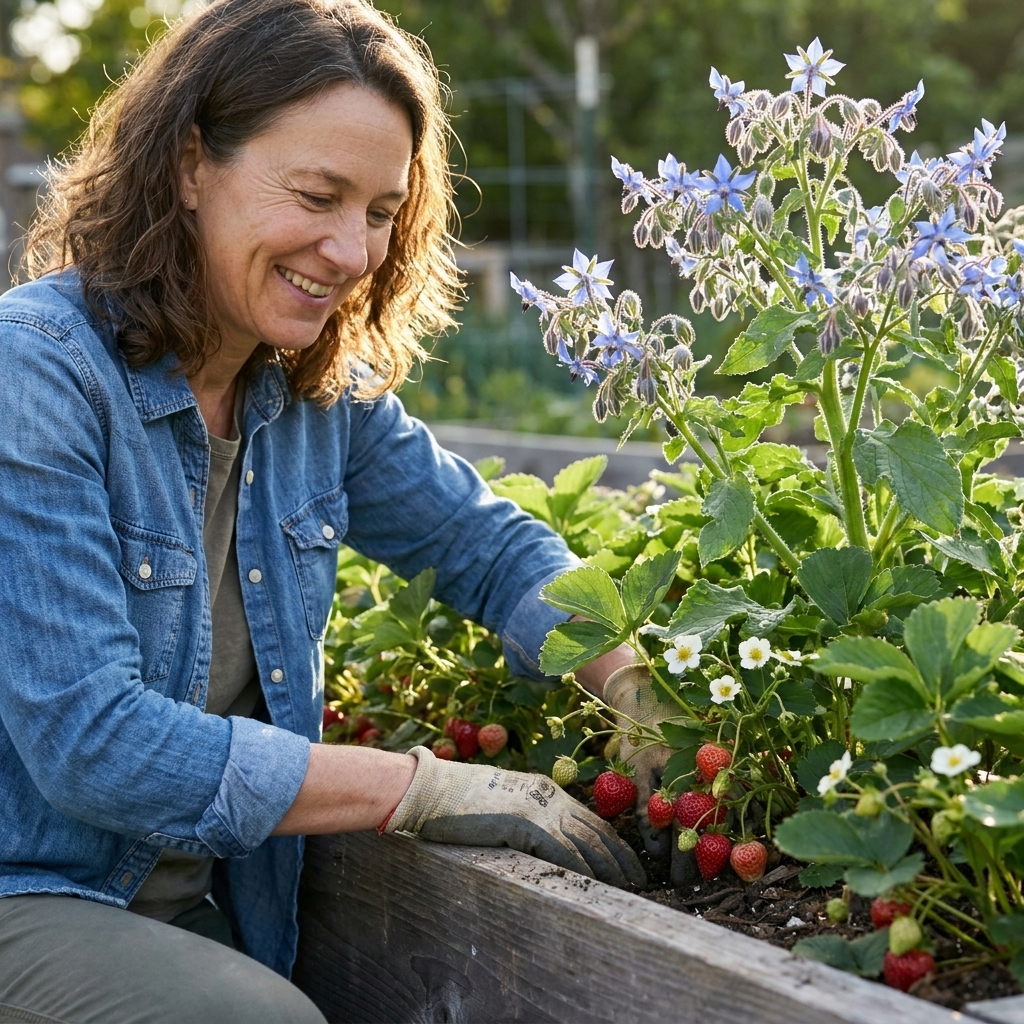
Borage is one of those herbs that makes the whole garden feel happier. Its starry blue flowers draw pollinators in droves, and while it is not a guarantee, I often see strawberries set more reliably when plenty of pollinators are working the bed.
Why it works
- Pollinator powerhouse: Borage blooms are nectar-rich and long-lasting, which keeps bees coming back.
- Living mulch feel: Its fuzzy leaves shade the soil as it grows.
How I plant it
Plant borage at the edge of a strawberry bed so it does not overwhelm runners. Give it space, about 18 inches, and plan to pull or trim it back after peak bloom.
Small caution: Borage can self-seed like it owns the place. If you want “one plant, not twelve,” deadhead before seeds mature.
5) Thyme + brassicas
Thyme is a quiet helper. It stays low, smells wonderful when you brush past it, and can act like a living groundcover under brassicas like cabbage, kale, and broccoli.
Why it works
- Ground cover: Thyme helps reduce bare soil, which reduces splashing and can make the bed feel less inviting to pests.
- Fragrant camouflage: Its scent may make it a little harder for cabbage moths to find brassicas.
- Low competition: Thyme’s shallow, modest growth is generally polite near larger plants.
How I plant it
Plant thyme around the outer edge of brassicas, or as a small “skirt” under plants with enough space. Avoid overwatering the thyme. If your brassicas need frequent watering, consider keeping thyme in a nearby pot instead.
6) Oregano + peppers
Oregano is one of my favorite “living mulch” herbs. It spreads into a soft mat, shades the soil, and blooms into tiny flowers that beneficial insects love. Peppers appreciate warm soil and steady moisture, and oregano can help smooth out temperature swings at the surface.
Why it works
- Soil coverage: Oregano helps keep soil from drying too quickly in heat.
- Beneficial insect hangout: The blooms bring in pollinators and small predators like hoverflies that can help with aphids.
How I plant it
Plant oregano 10 to 14 inches from the pepper stem, and be ready to trim oregano if it creeps too close. In containers, I prefer one pepper with oregano in its own smaller pot nearby, because oregano can take over tight quarters.
7) Parsley + roses
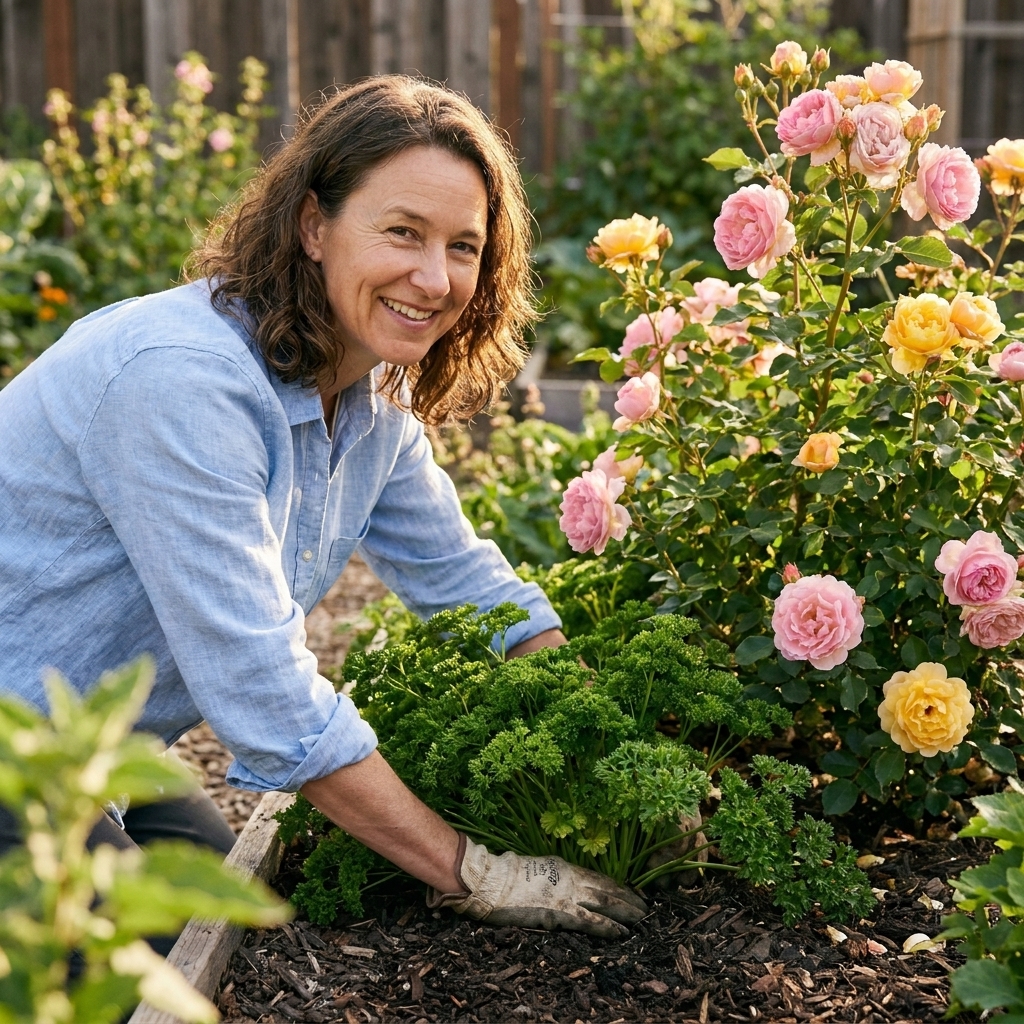
This is one I learned from older gardeners who always tucked edibles into ornamental beds. Parsley is a host plant for swallowtail butterfly caterpillars, and its flowers (if you let it bolt in year two) support many beneficial insects.
Why it works
- Beneficial insect support: Parsley flowers attract tiny parasitic wasps and hoverflies.
- Easy filler plant: Parsley handles partial sun and squeezes into gaps nicely.
How I plant it
Plant parsley at the base of roses or along the front of a flower bed where you can snip it easily. Keep it watered in hot spells, especially if roses are competing for moisture.
8) Sage + cabbage family
Sage is one of those herbs that seems to radiate “do not mess with me” energy. It is fragrant, tough, and a helpful neighbor in a mixed bed where you are not watering constantly.
Why it works
- Strong aroma: Sage scent may discourage some brassica pests like cabbage moths from lingering.
- Perennial anchor: Sage becomes a sturdy, evergreen-ish structure in many climates.
How I plant it
Give sage a drier edge of the brassica bed, or plant it nearby rather than right in the middle of your most frequently watered row. Space it 18 to 24 inches from cabbage or kale so it has airflow.
Note: If your brassicas get daily water in high summer, sage may sulk. In that case, keep sage in its own pot close by.
9) Cilantro + spinach or lettuce
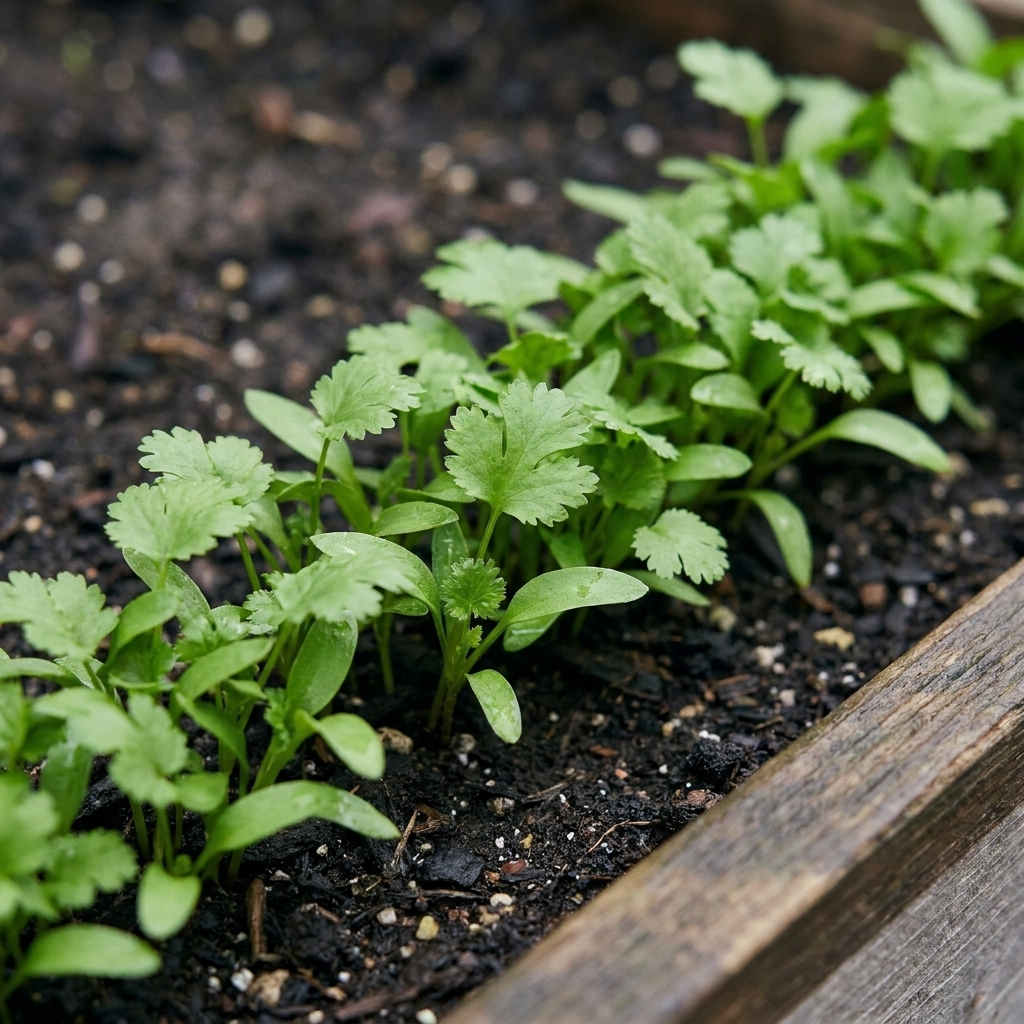
This is less about pest control and more about smart timing. Cilantro likes cool weather. So do spinach and lettuce. Plant them together in early spring, and you will use the space efficiently before summer heat changes the whole mood of your garden.
Why it works
- Same season, same needs: Cool temps and consistent moisture.
- Light shade: Cilantro can offer a touch of dappled shade as it grows.
- Beneficial blooms: If cilantro bolts, the flowers still feed helpful insects like hoverflies.
How I plant it
Sow cilantro along the edge of a lettuce bed or between spinach clumps. Harvest cilantro young, and if it bolts, let one plant flower while you pull the rest.
10) Rosemary + beans
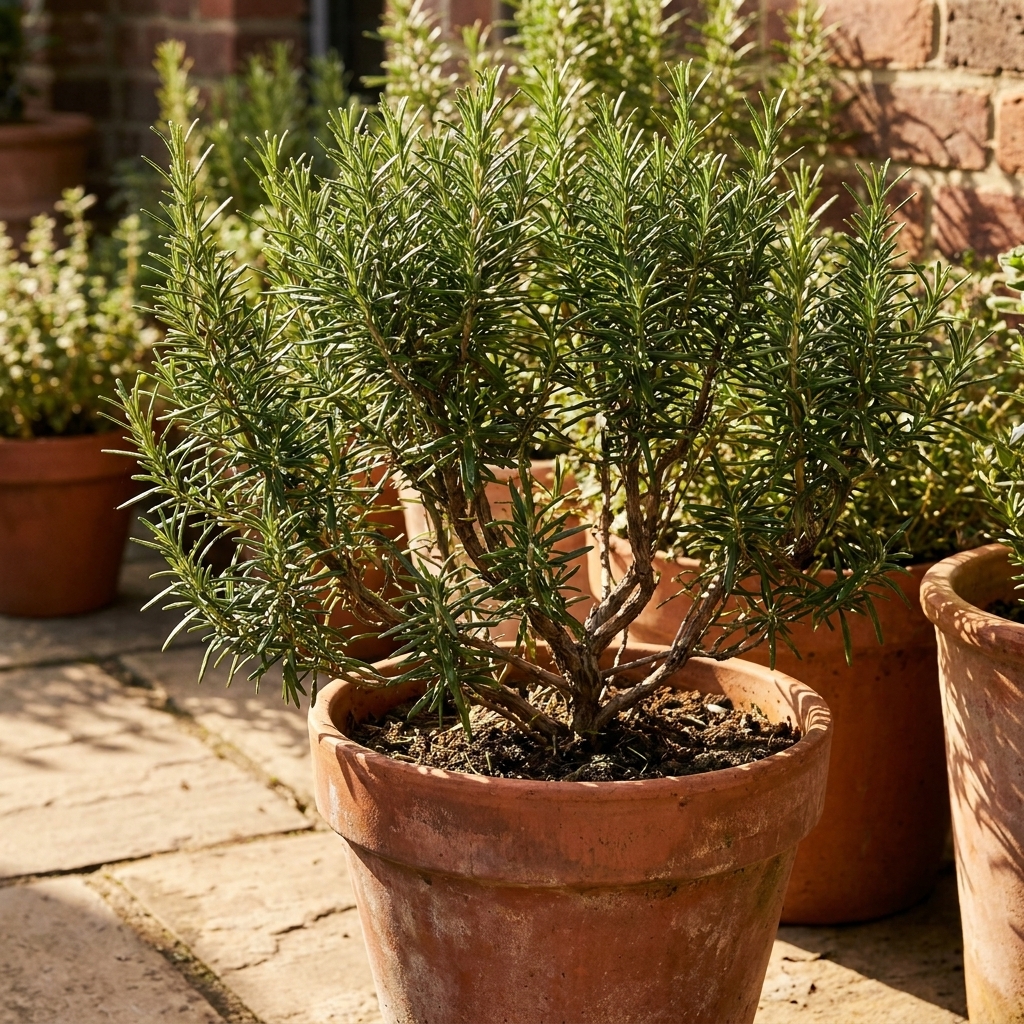
Rosemary is a woody, sun-loving herb that prefers leaner, well-drained soil. Beans are not picky, but they do like consistent moisture. The trick is to pair them with space so you are not forcing one plant into the other’s lifestyle.
Why it works
- Aromatic presence: Rosemary’s scent may help reduce browsing from a few common pests, and it certainly makes the whole corner smell like summer.
- Garden structure: Rosemary makes a great bed corner plant or container “anchor.”
How I plant it
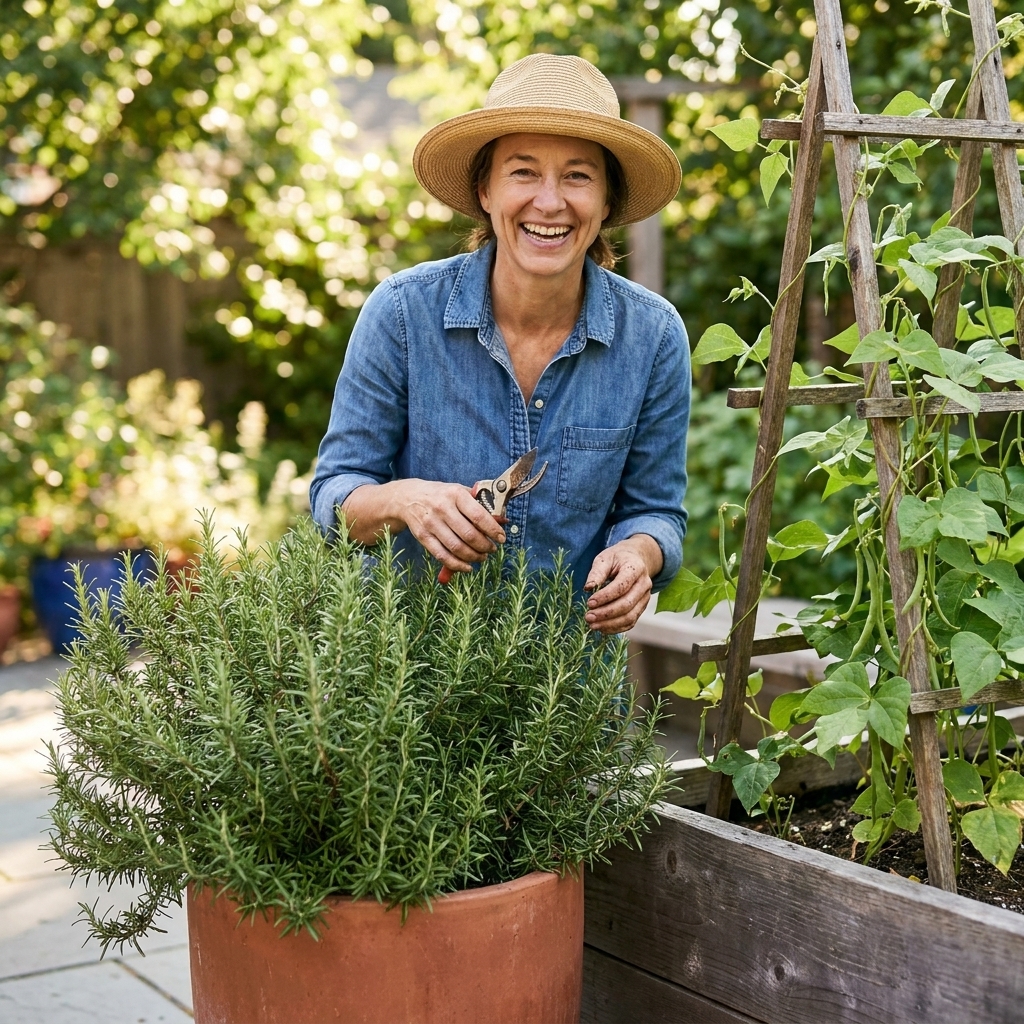
Plant rosemary at the bed edge or in a nearby pot, with beans 12 to 18 inches away. If you are growing pole beans, keep rosemary out of the trellis shadow. In rainy climates, rosemary often performs best in a container next to the bean bed.
Herb pairings to avoid
Some “bad pairings” are really just mismatched watering needs, while others involve aggressive growth. I treat this list as common garden wisdom and personal experience, not a set of laws carved in stone.
- Mint with anything in the ground: Mint spreads. Grow it in a pot, then place the pot near cabbage, tomatoes, or patios where you want the scent.
- Rue near basil or sage: Rue has a reputation for not playing nicely in mixed beds. Some gardeners find it can stunt nearby plants, so I keep it separate.
- Fennel with most garden plants: Fennel is widely considered a poor companion and can suppress nearby growth. I treat it like a soloist, not a band member.
- Rosemary with basil: They can coexist in a big bed, but their water needs differ. Rosemary likes it drier than basil.
My easy layout for small spaces
If you garden in containers or a small raised bed, you can still use companion planting without turning everything into a crowded tangle.
For a sunny 4x4 bed
- One tomato in the back corner with basil around the base
- One pepper with oregano as a low border nearby
- A small patch of carrots edged with chives
- Thyme tucked along the front edge as a fragrant border
For balcony pots
- Tomato pot plus a separate basil pot right beside it
- Cucumber pot with a trellis plus one dill pot nearby
- Strawberry planter with one borage pot close enough to lure pollinators
Quick FAQ
Do herbs really deter pests?
Sometimes, but it is rarely a single-plant force field. Evidence for herb “repellency” is mixed, and results vary. In my experience, the most reliable benefits come from habitat: herbs bring in pollinators and predators, break up monocultures, and encourage you to plant with diversity in mind.
What else should I do besides companion planting?
Companion planting works best as part of a bigger plan: scout plants weekly, use row cover for brassicas when pests are heavy, rotate crop families when you can, and keep plants healthy with consistent watering and good soil.
How close should I plant companion herbs?
Close enough to share air space, far enough to avoid crowding. For most pairings, 8 to 18 inches is a good starting point. For woody herbs like rosemary and sage, give more room for airflow.
Can I companion plant in containers?
Absolutely. If water needs match, share a pot. If they do not, use the “neighbor pots” method: place them right next to each other so you still get the benefit of fragrance and flowers without fighting over soil moisture.
A gentle way to start
If you are new to companion planting, pick just one pairing this season. Basil with tomatoes is the easiest confidence builder, and chives tucked near carrots is a close second. Once you see how plants can support each other, you start designing beds like little communities instead of lonely rows.
And if a pairing flops, please do not take it personally. Gardening is mostly observation, small adjustments, and trying again. There is no such thing as a black thumb, only a gardener still learning their garden’s favorite neighbors.