Cilantro is one of those herbs that feels like a sweetheart in spring, then suddenly decides it is off to chase its dreams and flower the moment you turn your back. If you have ever walked outside to find a once-perfect patch shooting up tall stems with feathery leaves, you have met cilantro bolting.
The good news is that cilantro is not hard to grow. It is just temperature-sensitive. When we grow it with its natural life cycle in mind, we can harvest lush leaves for weeks, sometimes months, especially in cool weather.
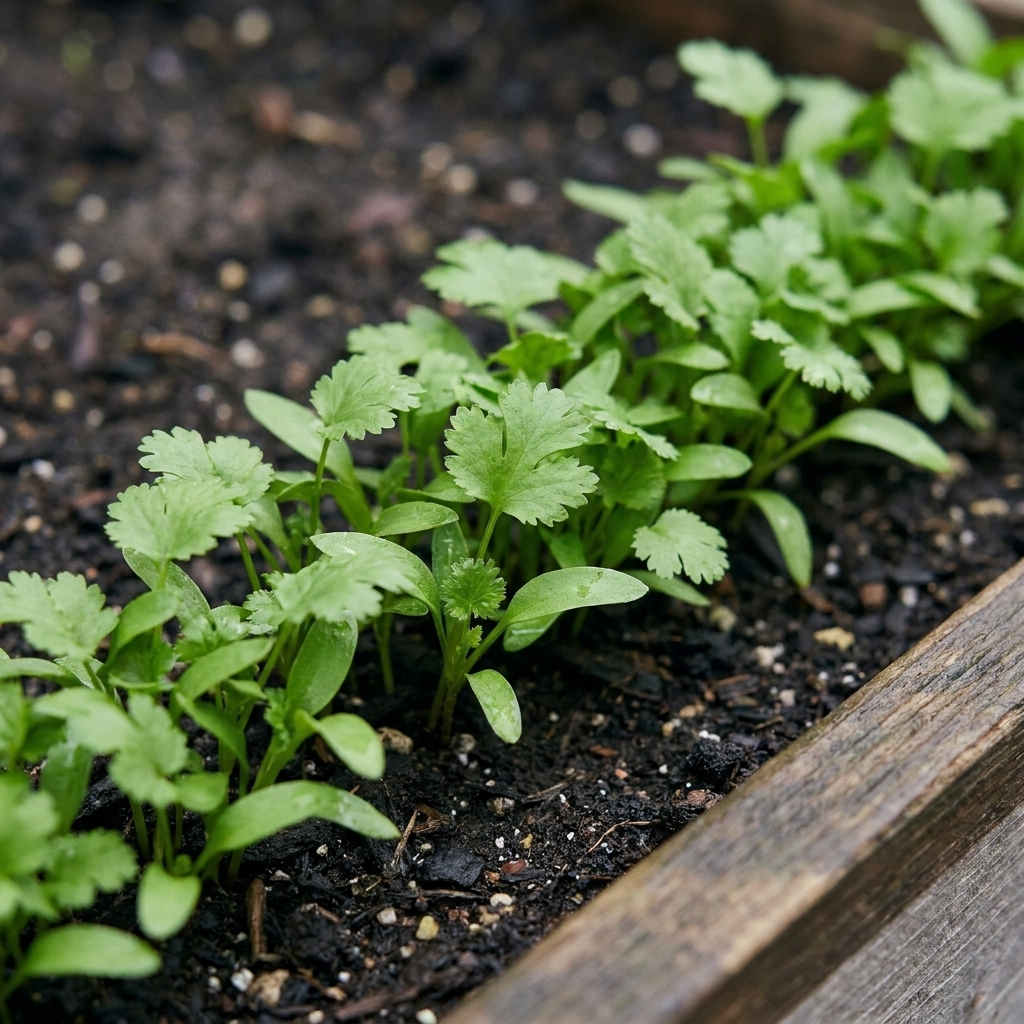
Cilantro’s life cycle
Cilantro (the leafy herb) and coriander (the seeds) come from the same plant, Coriandrum sativum. It is an annual, meaning it is designed to sprout, grow, set seed, and finish its life in one season.
In cool, mild weather, cilantro tends to linger in its leafy stage. When days get long and conditions warm up, it shifts into reproduction mode. That shift is bolting: the plant sends up a flower stalk, leaf shape changes, and flavor often turns stronger and more bitter. And if you are someone who already experiences cilantro as soapy (that is usually genetic), heat stress and older leaves can make that note feel more pronounced.
Stages you will notice
- Germination: Seed swells and sprouts once soil is reliably warm enough.
- Seedling stage: First true leaves appear, delicate but fast-growing.
- Leafy growth: This is your main harvest window for “cilantro.”
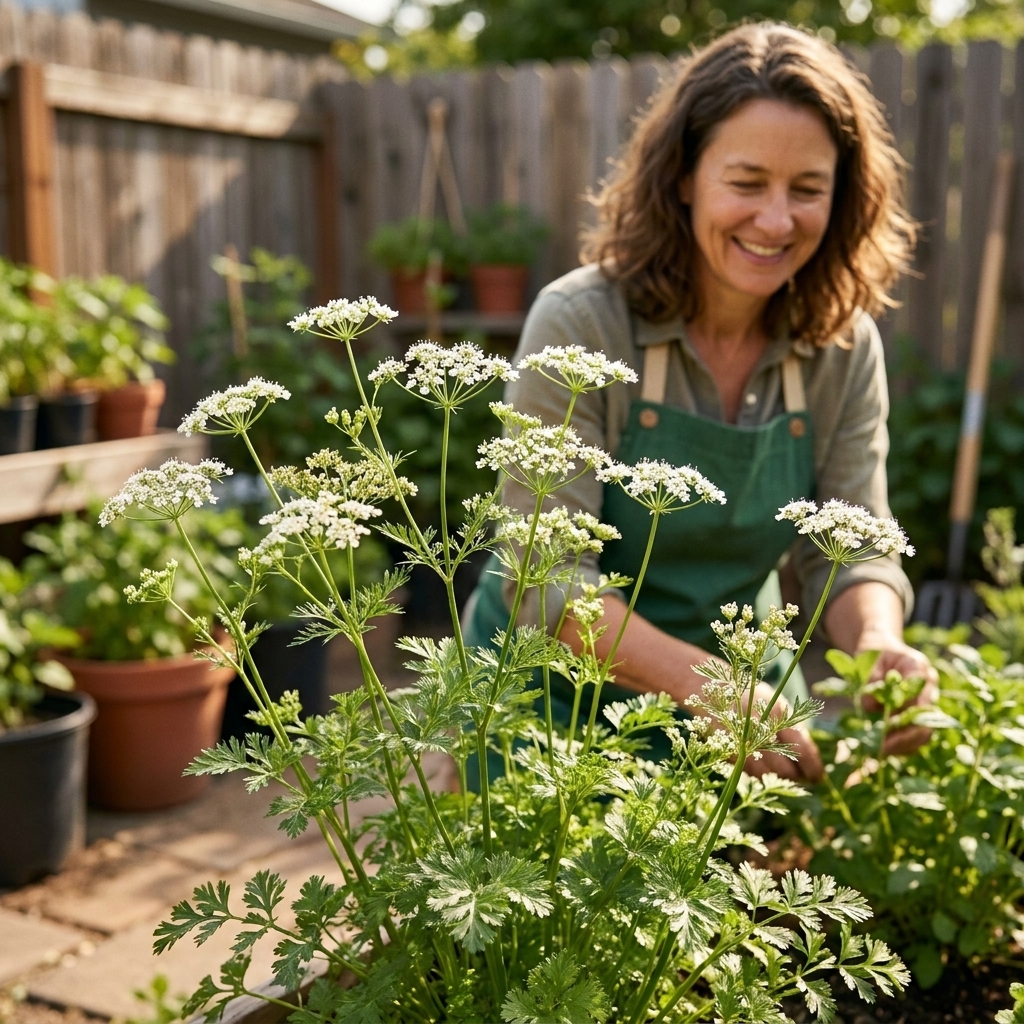
- Bolting: Tall central stalk forms, leaves get finer and ferny.
- Flowering: Umbels of tiny white flowers appear, pollinator heaven.
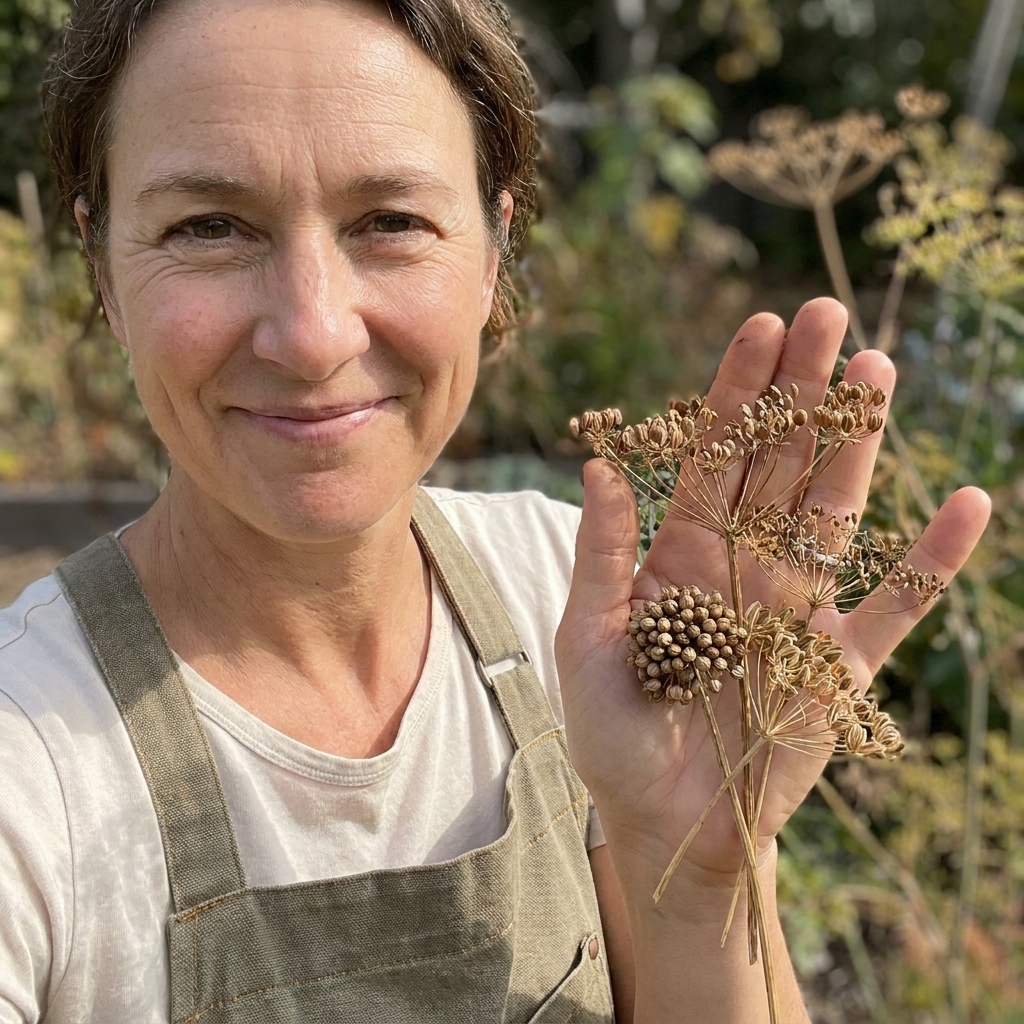
- Seed set: Green coriander seeds form, then dry and turn tan.
If you want leaves, your job is simple: keep cilantro comfortably cool, steadily watered, and replace plants often enough that you always have new leafy ones coming on.
Timing for cool-season success
If I could give you one cilantro rule to tape to your seed packet, it would be this: cilantro is a cool-season crop.
Temperature basics
- Ideal growing temps: often around 50 to 70°F (10 to 21°C), but cilantro can grow outside that range depending on cultivar and conditions.
- Germination: cilantro germinates reliably in cool soil, though it is often faster in the mid-60s to low-70s°F (about 18 to 23°C). Below about 60°F (16°C), it can simply take longer.
- Bolting risk: typically climbs once temperatures are consistently in the mid-70s°F (about 24°C) and above, especially with long days and dry soil. Day length, cultivar, and stress matter as much as the number on the thermometer.
In many regions, cilantro’s best seasons are early spring and fall. In mild-winter climates, winter cilantro can be unbelievably lush.
When to plant
- Spring: sow 2 to 4 weeks before your last frost date, then keep sowing every couple of weeks.
- Hot-summer areas: treat cilantro as a fall through spring crop. Summer can be a brief container experiment in shade, not your main season.
- Fall: sow again 6 to 8 weeks before your first expected frost, once nights cool. Fall cilantro often bolts slower than spring cilantro.
- Winter (mild areas): sow in a protected spot with bright light and good drainage.
Good to know: cilantro often takes about 7 to 21 days to germinate (temperature-dependent), and you can usually begin light harvesting in roughly 3 to 5 weeks.
How to plant for even germination
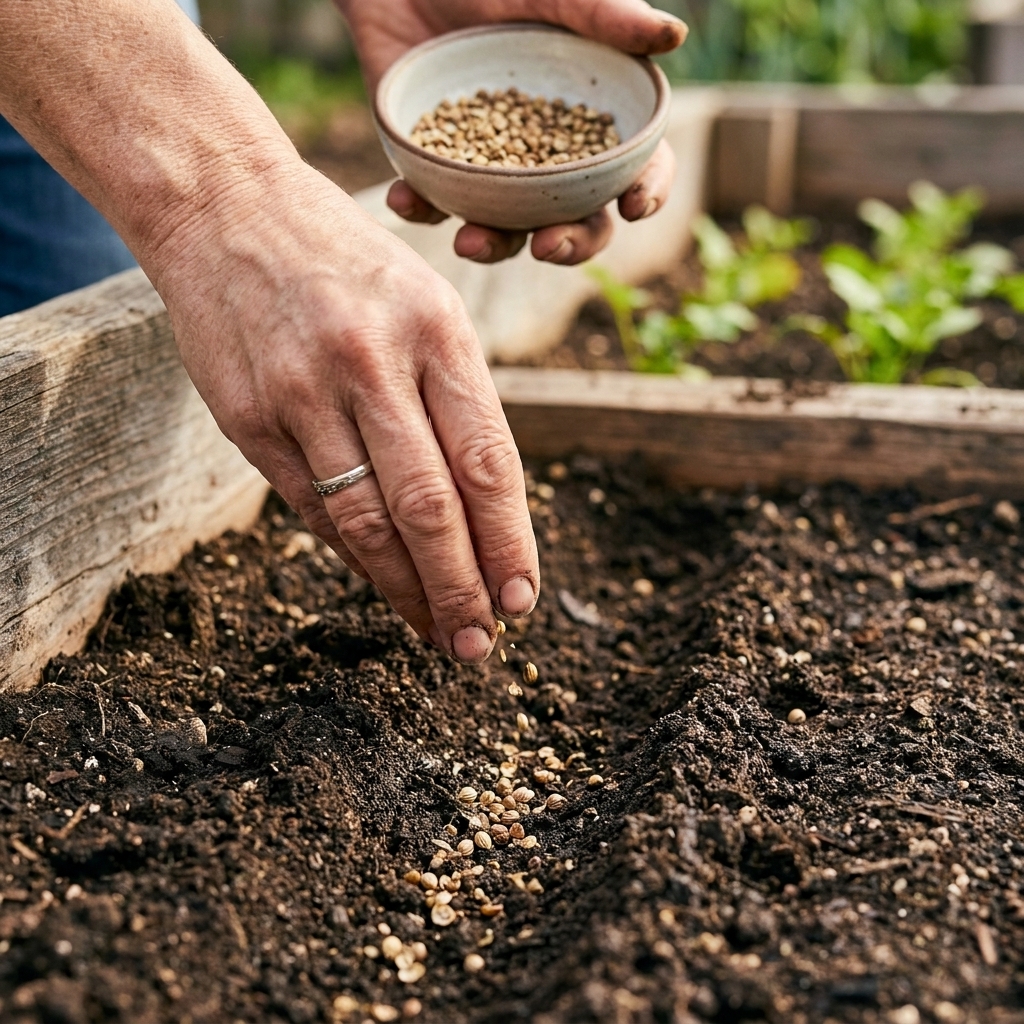
Cilantro can be a little fussy at the very beginning, mostly because its “seed” is actually a small round fruit that contains two seeds inside. A little prep can help, but it is not required.
Seed prep that can help
- Optional: gently crack the hull: Roll seeds lightly between your fingers or press them very gently with the flat of a spoon until they split into halves. Do not crush them. Over-cracking can reduce germination.
- Optional soak: Soak the cracked seeds for 8 to 12 hours, then drain and sow. This can speed germination in dry, windy weather.
Depth and spacing
- Depth: about 1/4 inch (6 mm). Too deep slows or prevents sprouting.
- Spacing: sow thickly, then thin to 4 to 6 inches (10 to 15 cm) for full plants. If you want baby cilantro, you can keep it closer and harvest young.
Soil and light
Cilantro likes fertile, well-draining soil with consistent moisture. It grows in full sun in cool weather, but in warmer stretches it appreciates afternoon shade or bright filtered light.
Water and feed for leaves
Bolting is not only about heat. Stress speeds it up, and cilantro considers drying out to be very stressful.
Moisture routine
- Keep soil evenly moist, especially while seedlings establish.
- Water deeply, then let the top inch of soil lightly dry before watering again.
- Container note: pots dry faster, especially in wind. In warm spells, you may need to water daily, sometimes twice a day for small containers.
- Use mulch (fine straw, shredded leaves, or compost) to keep roots cooler and moisture steadier.
Fertilizer basics
Cilantro is not a heavy feeder, but it does like a steady supply of nitrogen for leaf production.
- Mix compost into the planting area or potting mix.
- If growth stalls or leaves pale, use a gentle nitrogen-forward feed (like fish emulsion or compost tea) or a balanced fertilizer at half strength.
- Avoid overfeeding, which can make plants floppy and more prone to stress swings.
Succession planting
Even with perfect care, cilantro has a built-in timer. Instead of fighting nature, I plant in waves so there is always a fresh patch in the leafy stage.
How often to sow
In cool weather, sow cilantro every 2 to 3 weeks. When temperatures are warming fast, sow every 10 to 14 days for insurance, because heat can shorten the leafy window.
Simple succession setup
- Bed growers: sow short rows or small blocks, each one labeled by date.
- Container growers: keep two or three pots in rotation. One pot is being harvested, one is growing up, one is germinating.
- Indoor to outdoor: start a pot indoors under bright light, then move it outside when nights are cool. This helps you dodge surprise heat waves.
Think of cilantro like lettuce: it is at its best when you treat it as a steady series of small plantings, not one big event.
How to slow bolting
We cannot stop bolting forever, but we can slow it down enough to keep leaves coming.
1) Keep roots cool
- Mulch the soil surface.
- In containers, choose a light-colored pot or shade the pot itself.
- Water in the morning so plants head into midday with hydrated roots.
2) Use strategic shade
In spring and early summer, cilantro often does better with morning sun and afternoon shade. A spot on the east side of the house, under an airy tree canopy, or behind taller plants can buy you extra time.
3) Harvest often, but harvest smart
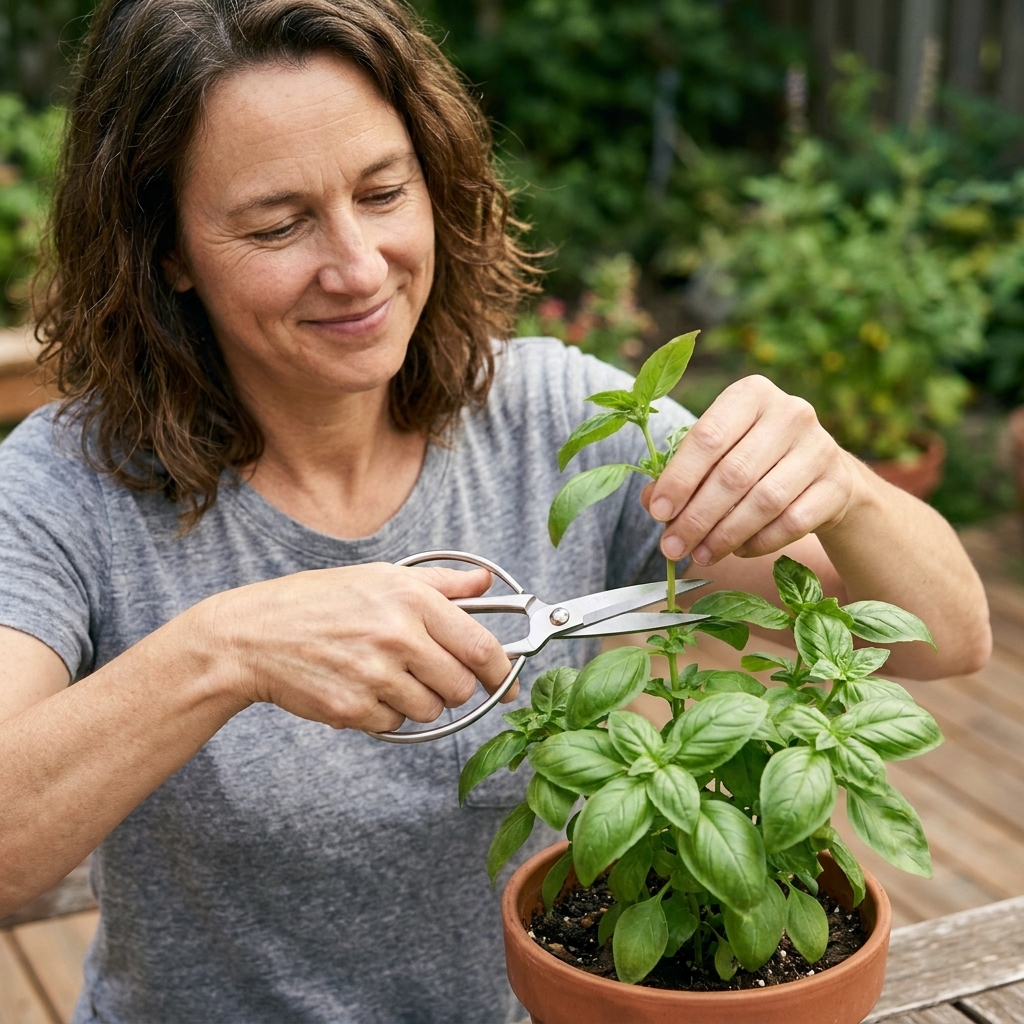
Frequent harvesting encourages fresh leaf growth, but do not scalp the plant.
- Harvest whole stems by snipping outer stalks at the base, rather than plucking individual leaves.
- Leave the center growing point intact.
- Aim to take no more than about one third of the plant at a time.
4) Try slow-bolt varieties
Seed packets sometimes label varieties as “slow-bolt.” These are worth trying, especially for late spring planting. Even slow-bolt types will eventually flower, but they can extend the leafy stage. Common options you may see include Santo, Calypso, and Leisure.
5) Do not let seedlings struggle
Cilantro that is crowded, drought-stressed, or heat-stressed early often bolts early. Thin promptly and keep moisture steady from day one.
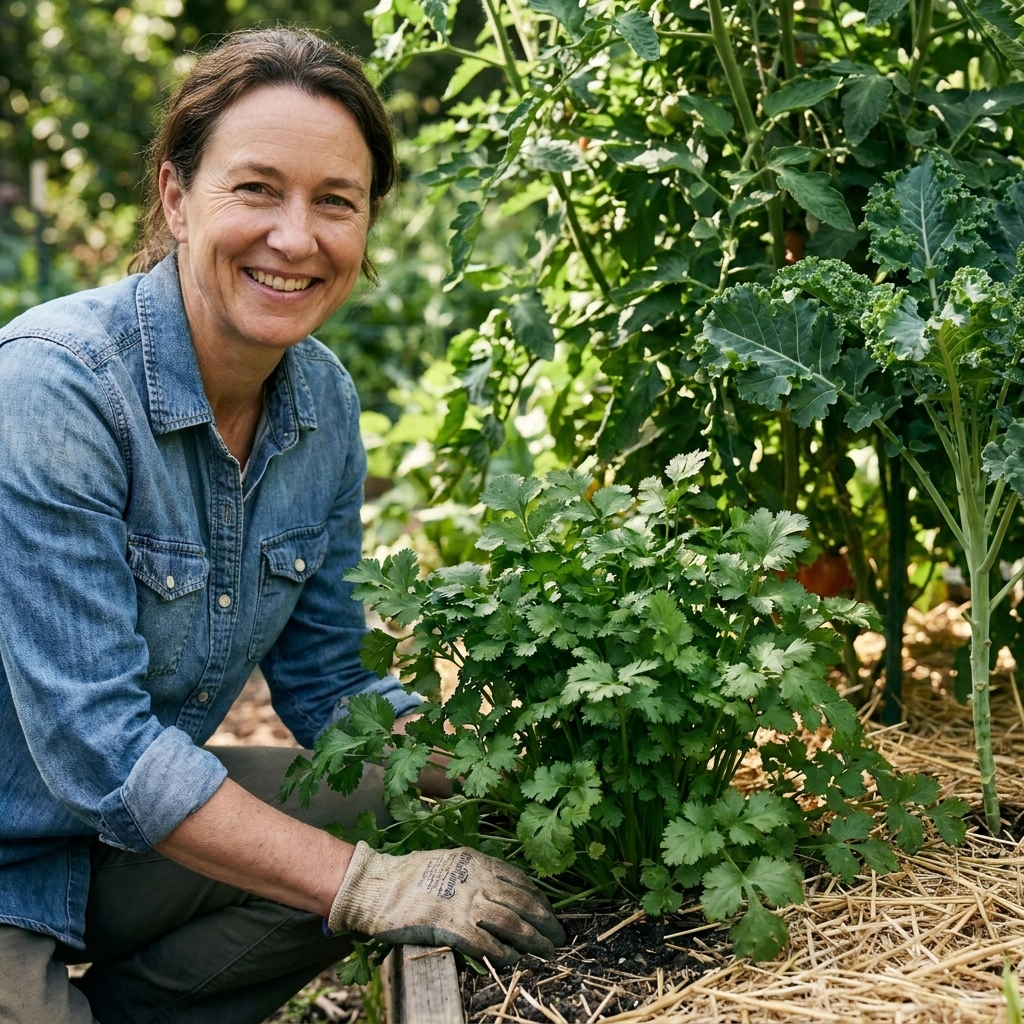
Container cilantro
If you garden on a balcony or windowsill, cilantro is a fantastic candidate because containers let you control conditions.
Pot size and soil
- Use a pot at least 8 to 10 inches deep for comfortable roots.
- Choose a high-quality potting mix, then add a scoop of compost for nutrition and moisture balance.
Placement tricks
- Keep pots where they get bright light but not intense late-afternoon heat.
- On warm weeks, move pots to a cooler microclimate, like a shaded porch corner.
- If your windows run hot and sunny, a sheer curtain can prevent cilantro from acting like it is midsummer.
When cilantro bolts
When bolting starts, it is tempting to yank the plant. I usually keep at least one bolting plant around on purpose.
Use the feathery leaves
The finer leaves are still edible. They are best chopped into sauces, salsas, and soups where their stronger flavor blends in.
Let it flower for beneficial insects
Cilantro flowers draw in small pollinators and beneficial insects. In my garden, it is like hanging a tiny “help yourself” sign for the good bugs.
Harvest coriander seeds
Once the green seeds dry and turn tan, snip the seed heads into a paper bag. Let them finish drying, then rub the seeds free.
- For cooking: toast and grind for curries, beans, and roasted vegetables.
- For replanting: save the healthiest, fully dried seeds for your next cool-season sowing.
Common problems
My cilantro is leggy
- Cause: not enough light, or seedlings crowded.
- Fix: move to brighter light and thin seedlings early.
Leaves are yellowing
- Cause: inconsistent watering, poor drainage, or low nitrogen.
- Fix: adjust watering rhythm, ensure drainage holes, top-dress with compost.
It tastes bitter
- Cause: heat stress, bolting, or older leaves.
- Fix: harvest younger leaves, provide shade, keep soil evenly moist, and start a fresh succession sowing.
Pests: aphids and leaf miners
- First step: blast aphids off with water and encourage beneficial insects by letting one cilantro plant flower.
- For leaf miners: remove badly damaged leaves and keep plants healthy with steady water. Row cover in peak seasons can help in some gardens.
Quick plan
If you want a simple checklist you can follow without overthinking it, here is mine:
- Sow in cool weather and choose a spot that stays mild.
- Plant 1/4 inch deep, thin to 4 to 6 inches.
- Keep moisture steady and mulch to cool roots.
- Harvest outer stems often, never scalping the center.
- Succession sow every 2 to 3 weeks (more often as heat approaches).
- When bolting starts, either replace the plant or let it flower and set coriander.
Cilantro rewards a gentle, steady hand. Treat it like a series of small, cozy springtime moments, and you will have handfuls of bright green leaves for tacos, salads, soups, and all those weeknight meals that taste better with something fresh snipped right outside your door.