The first time I baked lavender into shortbread, I learned a lesson the hard way: lavender is powerful, and the right lavender matters. Some plants sold as “lavender” are grown for looks and perfume, not for flavor, and they can taste sharp, resinous, or soapy in food.
This profile will help you grow kitchen-friendly lavender, harvest it at the sweetest moment, and dry it so those tiny buds keep their sunny, floral charm all year.
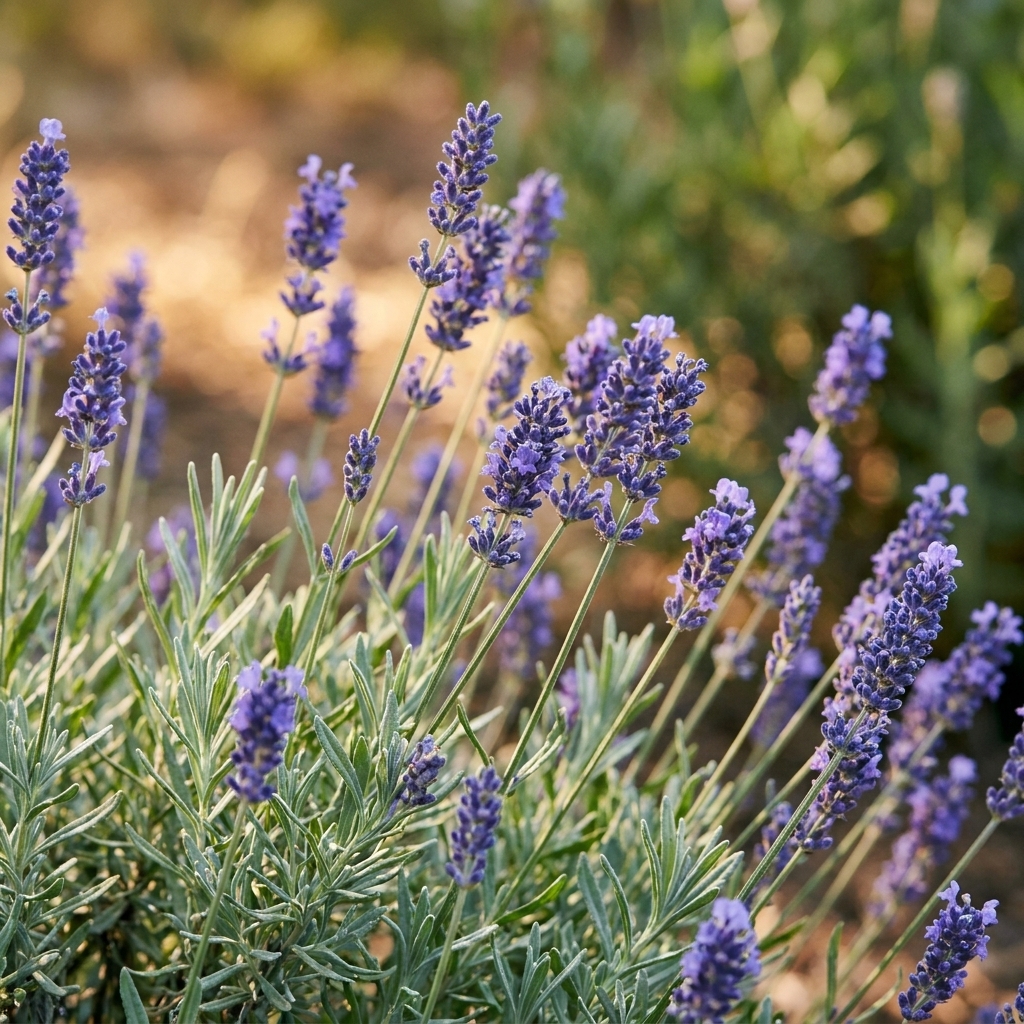
Culinary vs ornamental lavender
Lavender is a big family, and garden centers do not always separate “culinary” from “ornamental” on the label. In real life, the line is less about strict categories and more about flavor intensity, especially camphor notes.
What counts as culinary lavender?
When people say culinary lavender, they are most often talking about English lavender (Lavandula angustifolia) and its cultivars. It tends to taste sweeter and cleaner, with less of that medicinal, camphor edge. If you are choosing one lavender to grow specifically for baking and tea, this is the group to focus on.
That said, some lavandins (Lavandula x intermedia) are also used in food, especially in tiny amounts or when you want a bolder, more aromatic punch. The key is knowing what you are growing and adjusting your measuring spoon accordingly.
What is “ornamental” lavender?
Ornamental lavender is not a single species. It is often used as a catch-all for showier landscape types, including many lavandins (L. x intermedia) and Spanish lavender (L. stoechas). These can be wonderful plants, and lavandins are also widely grown for essential oil. In the kitchen, their flavor is typically stronger and more resin-forward, so it is easier to overwhelm a recipe and end up with a medicinal taste.
A quick label check
- Look for the botanical name Lavandula angustifolia on the tag.
- If it says Lavandula x intermedia, expect a stronger flavor and start with less in recipes.
- If the tag only says “lavender” with no botanical name, treat it as ornamental until proven otherwise.
Best culinary varieties
All English lavenders are in the right lane for cooking, but some are especially friendly for home harvests. These are the varieties I recommend when someone asks, “What should I plant if I want lavender for the kitchen?”
‘Munstead’
A classic, compact English lavender with a soft, sweet fragrance. It is often one of the easiest to find and a great choice for containers or small beds.
‘Hidcote’
Known for deep purple flower spikes and a tidy growth habit. Flavor is pleasantly floral, but still strong enough that you will want a light hand in recipes.
‘Royal Velvet’
Rich color, wonderful scent, and a generous bloom. If you love making lavender sugar or syrup, this one gives you plenty of buds to work with.
‘Melissa’
Yes, you can cook with pink-blooming English lavender too. If the botanical name is L. angustifolia, it is still kitchen-friendly. A sweet option if you like your herb garden to feel a little whimsical.
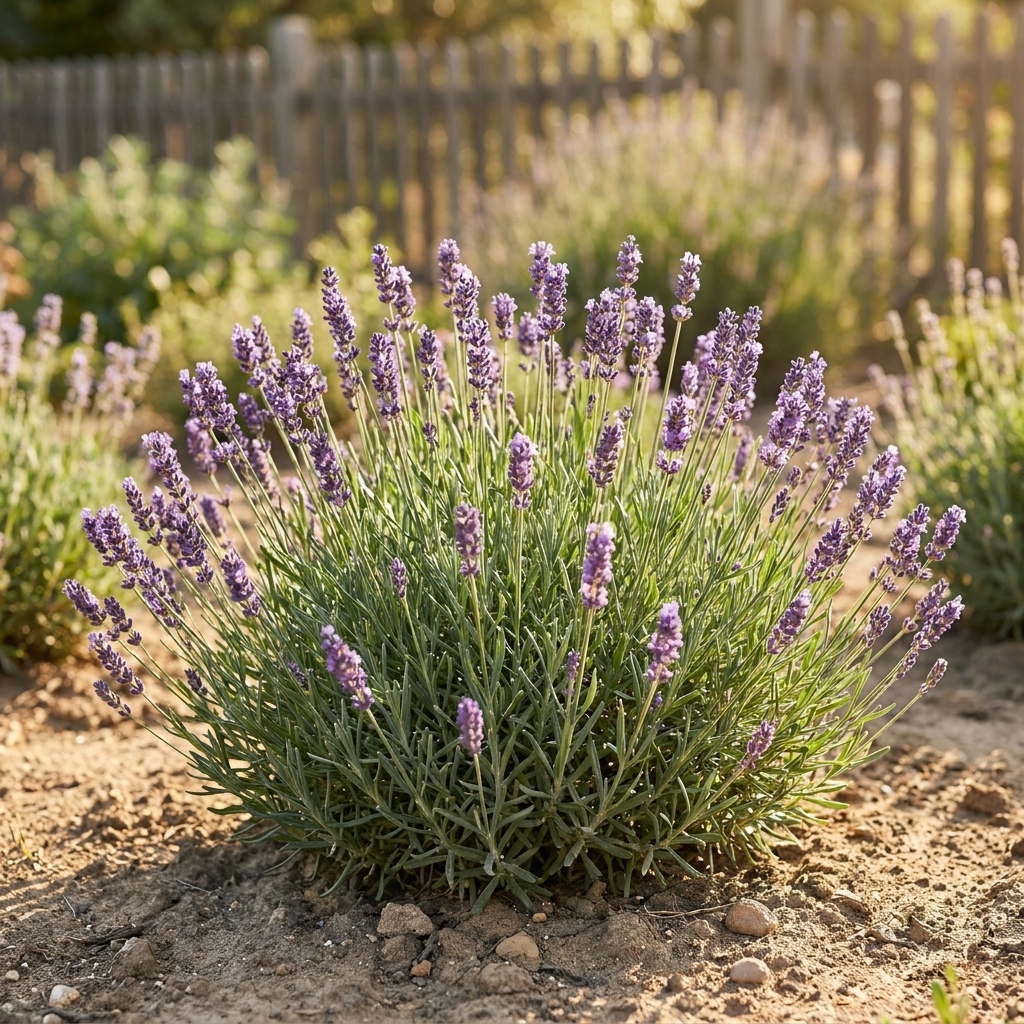
How to grow it well
Lavender is one of those herbs that teaches you restraint. Give it sun, drainage, and breathing room, and it will reward you. Coddle it with rich soil and frequent watering, and it will sulk.
Sunlight
Full sun is best, ideally 6 to 8 hours per day. In hot climates, a little afternoon shade can be helpful, but lavender still wants bright light to stay dense and aromatic.
Soil and drainage
Lavender’s roots hate soggy soil. Aim for:
- Fast-draining soil (sandy or gravelly is wonderful)
- Neutral to slightly alkaline pH if possible
- Minimal amendments. Avoid heavy composting like you would do for basil.
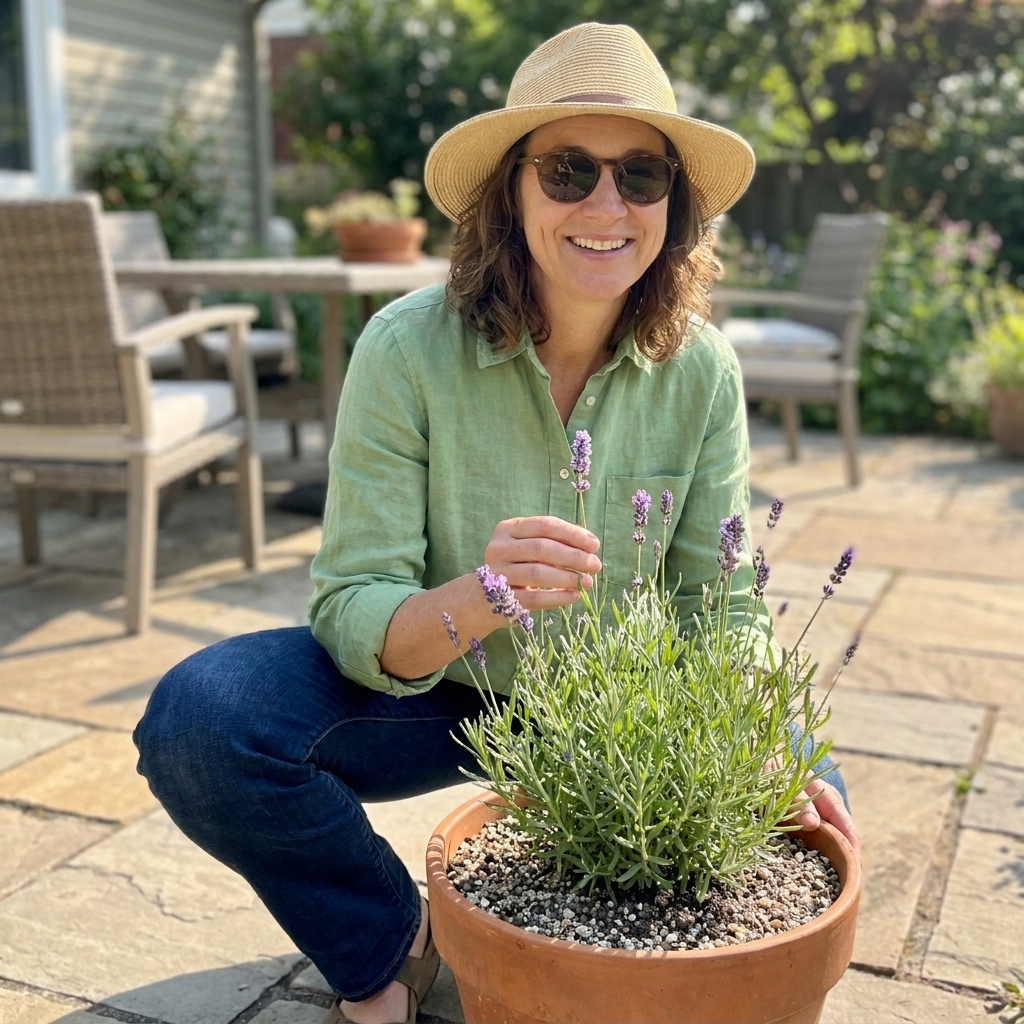
If you have clay soil, lavender can still work, but it needs help. Planting on a slight mound, using a raised bed, or growing in a container can make the difference between thriving and rotting.
Watering
- New plants: Water regularly until established, then back off.
- Established plants: Deep, infrequent watering is better than frequent sips.
- Containers: Water when the top inch or two of soil is dry. Make sure the pot drains freely.
Spacing and airflow
Space plants so air can move through them. Good airflow helps prevent fungal problems and keeps foliage healthier through humid spells.
Fertilizer
Go easy. Too much nitrogen pushes leafy growth and can reduce flower production and flavor intensity. If your lavender is in the ground and growing well, it often needs no fertilizer at all.
Pruning for harvests
Pruning is the secret to a lavender plant that stays tidy, blooms well, and gives you long flower stems you actually want to harvest. If you only do one maintenance task each year, make it this.
When to prune
- After the main bloom: In many climates, this is the big one. Once most flowers are fading, prune to shape the plant and encourage healthy regrowth.
- Climate note: If you have cold winters, prune after flowering but early enough that the plant has time to put on some new growth before hard frost. In very cold areas, some gardeners keep fall pruning light and do a more serious shaping in spring to avoid winter dieback.
- Light spring tidy-up: In early spring, you can snip winter damage and trim stragglers.
How to prune
Lavender does not reliably regenerate from old, woody stems. The goal is to cut back into green growth while leaving plenty of leafy nodes to rebound.
- Find where the green growth begins above the woody base.
- Trim back about one-third of the green growth, shaping into a soft mound.
- Avoid cutting into thick brown wood where there are no leaves.
If your plant is already very woody, prune gradually over a couple seasons rather than doing a hard chop all at once.
When to harvest
For the best flavor, harvest when the buds are developed but not fully open. This stage holds the most fragrance with the least “perfumey” edge.
Best bloom stage
- Harvest when most buds are plump and colored.
- A few florets can be open, but avoid waiting until the whole spike is fully blooming and fading.
Time of day
I like to harvest in the late morning after dew has dried but before the hottest part of the day. The stems are dry, the oils are strong, and the bundles cure cleanly.
Harvesting step by step
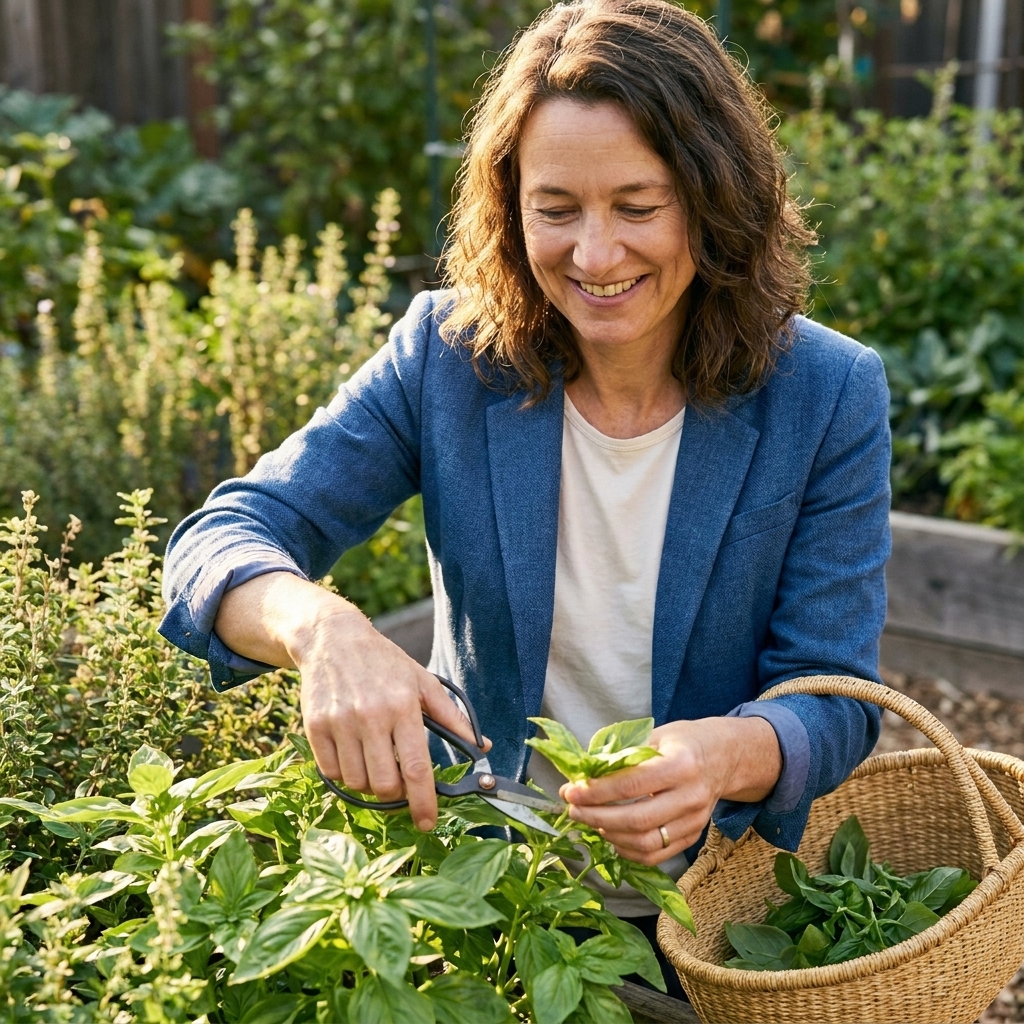
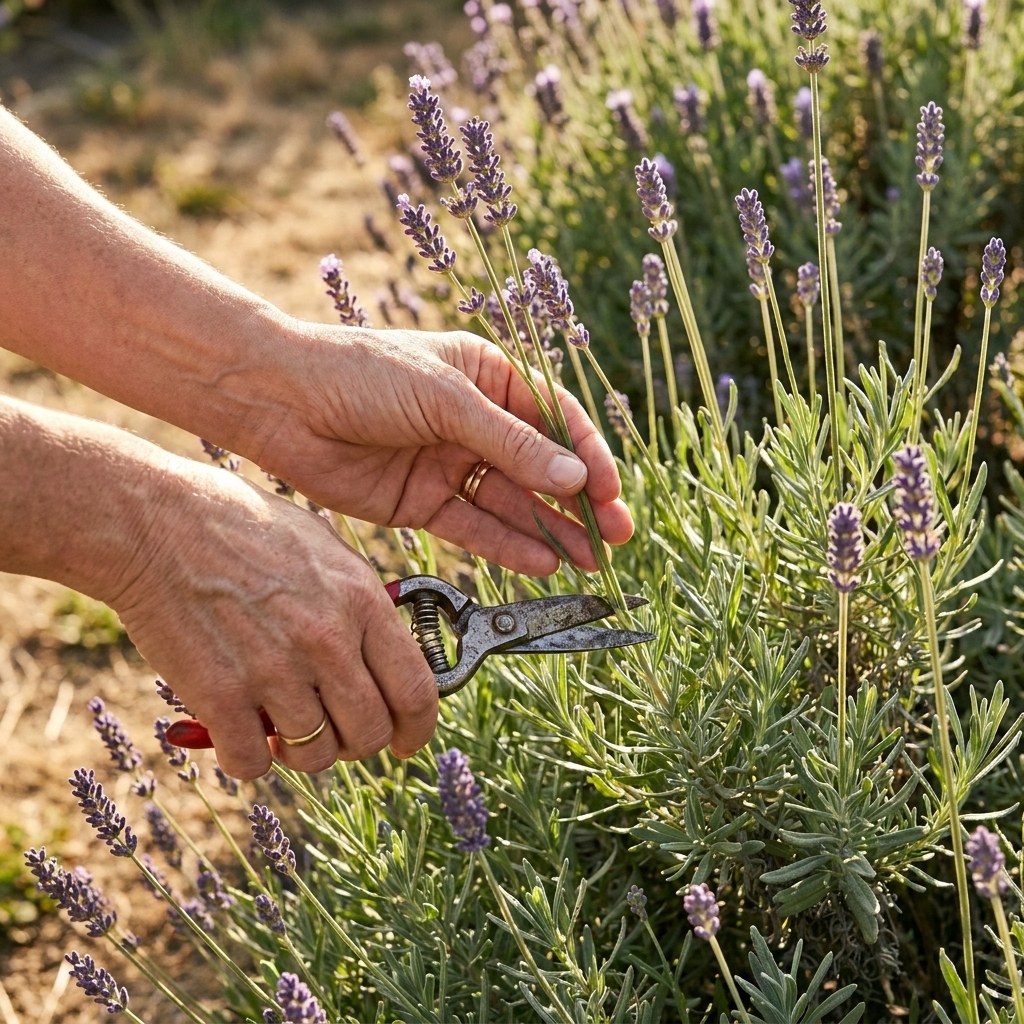
- Use clean snips or scissors.
- Cut flower stems above the leafy part of the plant, leaving plenty of green growth behind.
- Gather small bundles, about the thickness of your thumb, so air can circulate while drying.
Drying lavender
Drying is where lavender goes from “garden lovely” to “pantry ready.” The goal is to dry it quickly enough to prevent mustiness, but gently enough to keep the flavor.
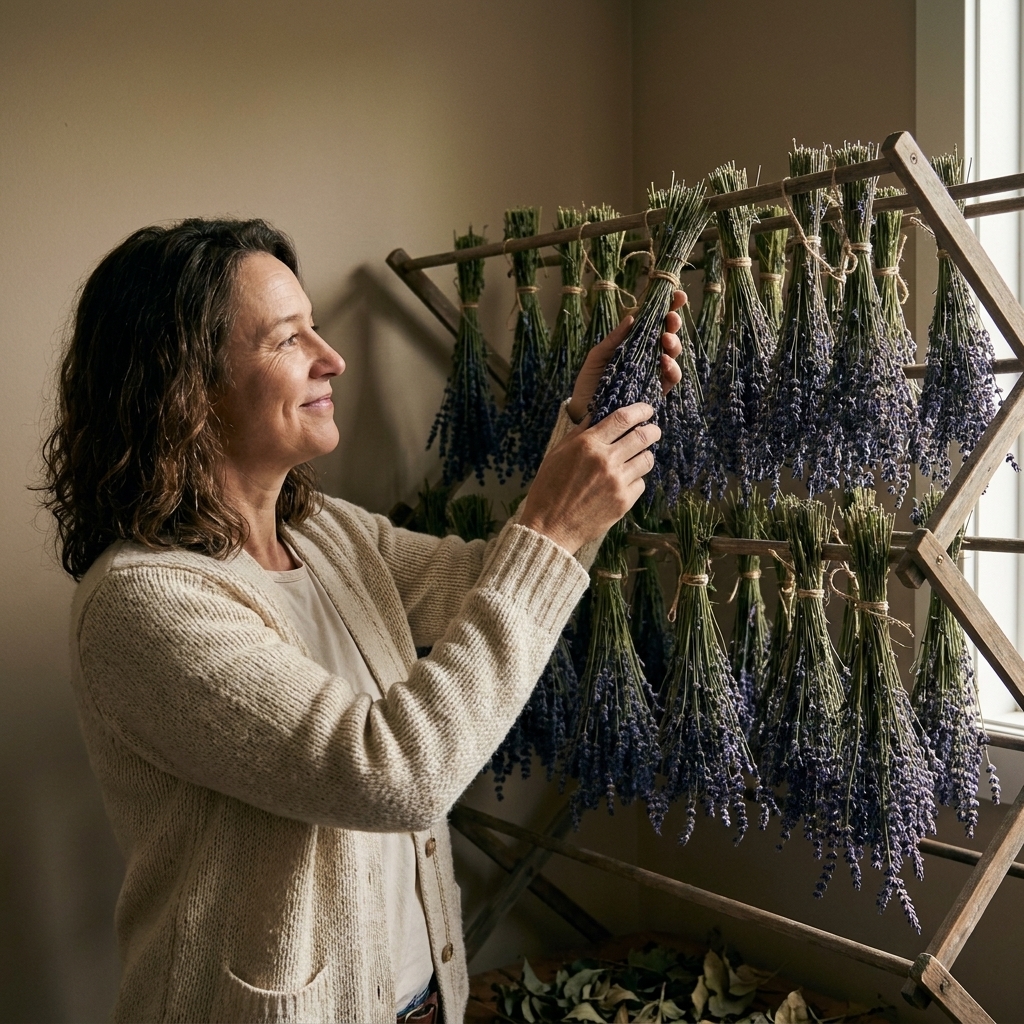
Air-drying
- Bundle stems loosely with twine or a rubber band.
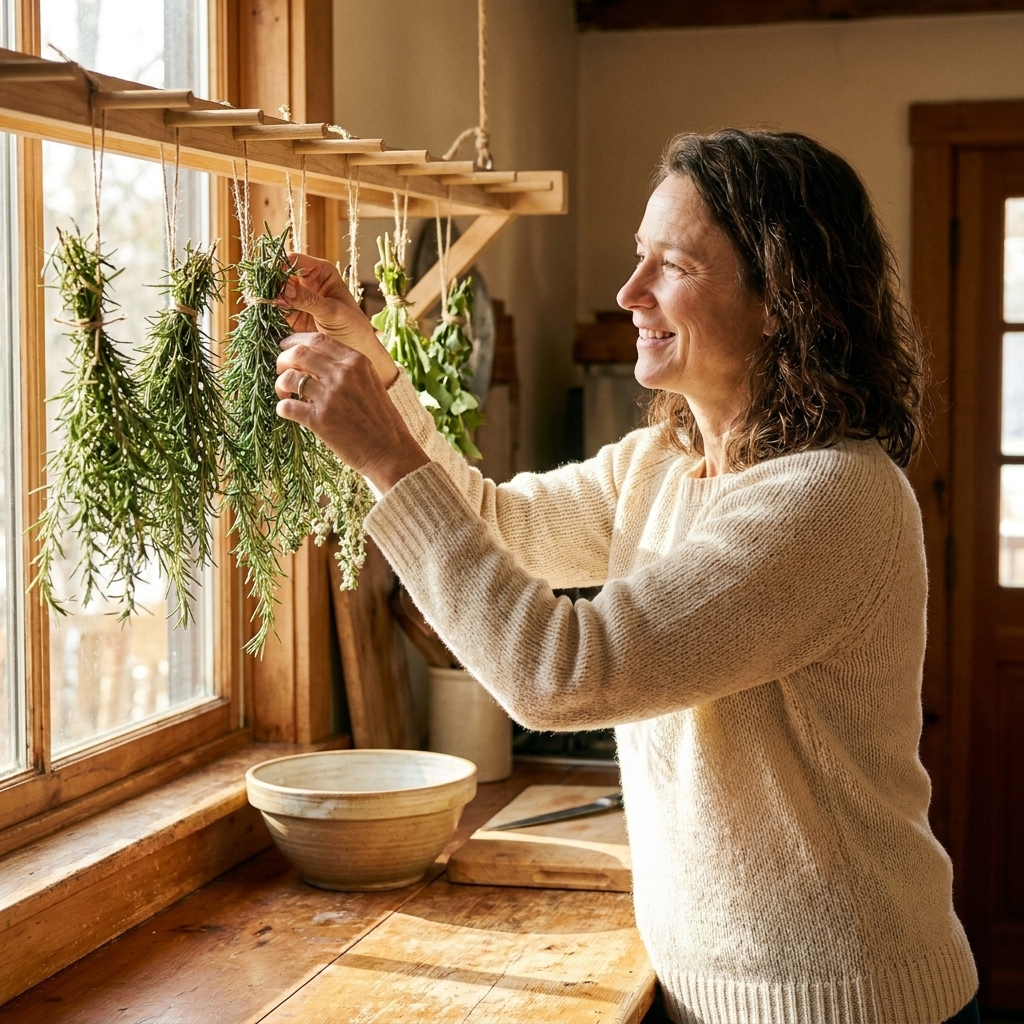
- Hang bundles upside down in a dry, shaded, well-ventilated spot.
- Keep them out of direct sun to protect color and volatile oils.
- Dry until stems feel crisp and buds rub off easily, usually 1 to 3 weeks depending on humidity.
Drying rack method
If hanging is not practical, lay stems on a clean drying rack in a single layer. Turn once or twice during drying for even airflow.
What to avoid
- Humid rooms like a steamy kitchen corner. Lavender can mildew if air is still.
- Direct sun for long periods, which can fade and flatten flavor.
- High heat that drives off aromatic oils.
Remove buds and store
Once stems are dry, it is time for the satisfying part.
Stripping the buds
- Hold a dried stem over a clean bowl.
- Gently rub the flower spike between your fingers to release buds.
- Pick out larger bits of stem or leaf.
If you want a cleaner result for baking, you can sift the buds through a coarse mesh strainer to separate fine buds from chaff.
Storage
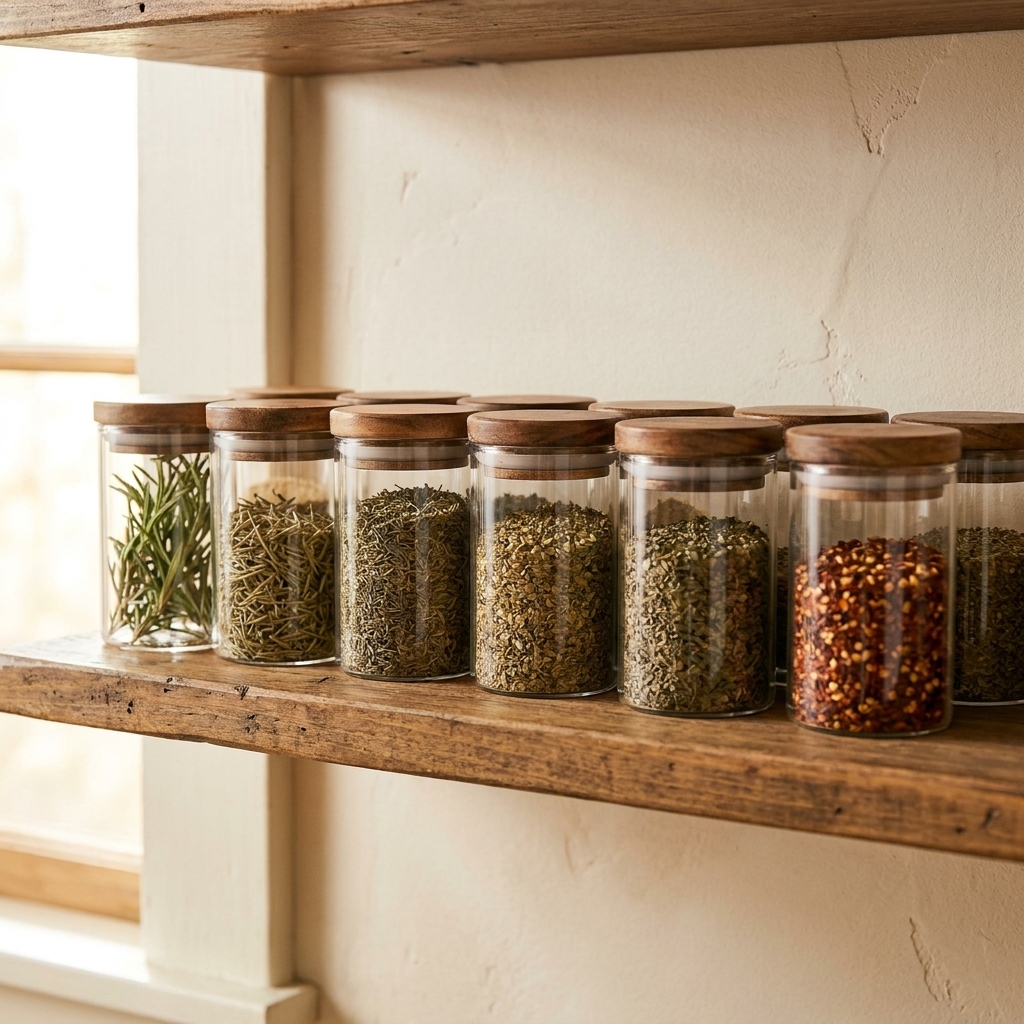
- Store buds in an airtight glass jar.
- Keep in a cool, dark cupboard away from the stove.
- For best flavor, use within 6 to 12 months.
Lavender lasts longer than many herbs, but it is still at its best when it smells bright and sweet the moment you open the jar.
Cooking with lavender
Lavender is a “pinch, taste, adjust” herb. I always start smaller than I think I need, especially with dried buds.
Best uses
- Lavender sugar: A reliable ratio is 1 to 2 teaspoons dried buds per 1 cup sugar. Shake in a jar and let it infuse for at least 2 days, then taste and adjust.
- Baking: Shortbread, scones, honey cake, lemon desserts.
- Tea: A small pinch with chamomile, mint, or black tea.
- Syrups: For lemonades, cocktails, and iced lattes.
- Herbes de Provence: Lavender is traditional in some blends, but use it sparingly.
How much to use
For dried kitchen-friendly lavender, a helpful starting point is 1/4 teaspoon in a batch of cookies, scones, or a simple syrup, then adjust. If you are using a stronger lavandin, start even smaller. Fresh lavender is milder, so you may use a bit more, but taste as you go.
A flavor tip I swear by
Crush the buds lightly between your fingers before using them. That quick bruise wakes up the aroma, and you will be less tempted to over-measure.
Safety and sourcing
Lavender is generally safe in normal culinary amounts, but quality matters.
- Do not cook with lavender from florists or bouquets. It may be treated with sprays not intended for food.
- Avoid roadside or mystery plants. You cannot know what they have been exposed to.
- Buy from reputable herb and spice sellers if you are purchasing dried lavender. Look for “culinary-grade” or food-use labeling, and avoid buds sold primarily for soap-making or potpourri.
- Harvest from your own unsprayed plants if you grow L. angustifolia.
If you are pregnant, nursing, or managing a medical condition, it is wise to check with a trusted healthcare professional before using medicinal-level amounts of lavender or any essential oil. Normal amounts used in baking and tea are very different from concentrated products.
Troubleshooting
My lavender is floppy
This usually points to too little sun or soil that is too rich. Move to a sunnier spot, reduce fertilizer, and make sure the soil drains fast.
My plant is turning brown at the base
A woody base is normal over time, but browning combined with dieback can mean root rot. Improve drainage immediately, water less, and consider moving to a raised bed or container.
It is not blooming much
Lavender needs sun, and it blooms best with regular pruning. If it is getting shaded, crowded, or never trimmed, bloom production often drops.
I see pests
Lavender is fairly tough, but you may spot aphids on tender growth or spittlebugs hiding in foamy “spit.” A strong spray of water and better airflow usually handles mild cases. If infestations persist, prune affected stems and avoid overwatering and overfeeding.
The flavor is harsh
Make sure you are using English lavender (or using a very light hand with lavandin) and harvesting at the bud stage, not after full bloom. In recipes, use less than you think and pair with bright flavors like lemon, berries, and honey.
Overwintering tips
Lavender is more cold-hardy than it looks, but winter is where many plants are lost to wet soil and freeze-thaw stress.
- In-ground plants: Prioritize drainage going into winter. Avoid heavy mulches that trap moisture against the crown. In very cold areas, a light, breathable cover can help, but soggy soil is the bigger enemy than cold air.
- Containers: Pots freeze faster than the ground. If winters are harsh where you live, move containers to a protected spot (like an unheated garage with light) and water just enough to keep the roots from fully drying out.
FAQ
Can I use any lavender for cooking?
You can, but you will be happiest with English lavender (Lavandula angustifolia) for a sweet, clean flavor. Lavandin (L. x intermedia) can work too, but it is typically stronger, so start small.
Are lavender leaves edible?
They are edible, but much more pungent than the flowers. I rarely cook with the leaves unless I am infusing a tiny amount into sugar or cream and then straining.
Should I wash lavender before drying?
If your plants are clean and unsprayed, I usually do not wash because moisture slows drying. If you do rinse, shake well and let stems dry thoroughly on a towel before bundling.
How many lavender plants do I need?
For most home kitchens, one or two English lavender plants is plenty. A single mature plant can give you enough buds for lavender sugar, tea blends, and a handful of bakes each year.
Before you plant
If you have ever felt intimidated by lavender, you are not alone. It looks fancy and smells incredible, and somehow gets labeled as “finicky.” In my experience, lavender is not finicky, it is just honest. Give it sun and dry feet, prune it with confidence, and it will keep showing up every summer with armfuls of buds you can tuck into cookies, tea tins, and little jars of lavender sugar.